

Introduction
The topic of asbestos continues to be highly relevant in today’s world, despite increased awareness and regulation. Once praised as a miracle material for its durability and heat resistance, it has since become widely recognized as a serious health hazard. Many older buildings, industrial sites, and even household products still contain traces of this material, making it important for individuals to understand its impact and how to stay safe.
In this detailed guide, we will explore the origins, uses, dangers, and regulations associated with asbestos. We will also discuss practical safety measures and highlight why proper handling is essential. Whether you are a homeowner, worker, or simply someone looking to expand your knowledge, this article provides a comprehensive understanding of the subject.
What Is Asbestos?
Asbestos is a naturally occurring group of minerals composed of thin, fibrous crystals. These fibers are resistant to heat, fire, and chemicals, making them extremely valuable in industrial and construction applications. For decades, it was used extensively due to its insulating properties and strength.
The material exists in several forms, including chrysotile, amosite, and crocidolite. Each type has distinct characteristics, but all share the same dangerous potential when fibers become airborne and are inhaled.
Historical Background
The use of asbestos dates back thousands of years. Ancient civilizations, including the Greeks and Romans, utilized it for fireproof clothing and building materials. However, it was during the Industrial Revolution that its popularity skyrocketed.
By the 20th century, it became a staple in construction, shipbuilding, automotive manufacturing, and more. It was used in insulation, roofing, cement, and even household products. At the time, its health risks were not fully understood, leading to widespread exposure.
Over time, scientific studies revealed its harmful effects, prompting governments around the world to introduce regulations and, in some cases, complete bans.
Common Uses in Modern and Older Structures
Although many countries have restricted or banned its use, asbestos can still be found in older buildings and materials. Some common applications include:
- Insulation in walls, ceilings, and pipes
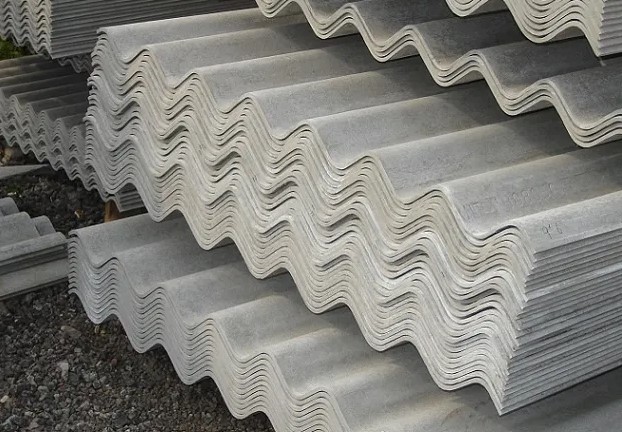
- Roofing shingles and siding
- Floor tiles and adhesives
- Brake pads and automotive parts
- Fireproofing materials
Because it was so widely used, identifying its presence often requires professional inspection. Disturbing materials that contain it can release fibers into the air, increasing the risk of exposure.
Health Risks and Diseases
Exposure to asbestos fibers poses serious health risks, particularly when inhaled over long periods. These microscopic fibers can become lodged in the lungs, leading to severe conditions.
Some of the most common diseases associated with exposure include:
- Mesothelioma: A rare and aggressive cancer affecting the lining of the lungs and abdomen
- Lung cancer: Increased risk, especially among smokers
- Asbestosis: A chronic lung disease causing scarring and breathing difficulties
Symptoms may not appear for decades after exposure, making early detection difficult. This long latency period is one of the reasons why it remains a global health concern.
How Exposure Occurs
Exposure typically happens when materials containing asbestos are damaged or disturbed. This can occur during:
- Renovation or demolition of buildings
- Drilling, cutting, or sanding materials
- Natural wear and tear over time
Workers in construction, shipyards, and manufacturing industries are at higher risk. However, homeowners can also be exposed if they unknowingly disturb contaminated materials.
Regulations and Bans
Governments worldwide have taken steps to regulate the use of asbestos due to its health risks. Many countries have implemented strict guidelines, including:
- Banning certain types or all forms of use
- Requiring proper labeling of materials
- Enforcing safety standards for handling and removal
Despite these efforts, some regions still allow limited use, particularly in developing countries. This inconsistency highlights the importance of global awareness and education.
Identification and Inspection
Identifying asbestos is not always straightforward, as it is often mixed with other materials. Visual inspection alone is not sufficient, and laboratory testing is usually required.
Professionals use specialized equipment to collect samples safely. It is strongly recommended that individuals avoid attempting to identify or handle suspected materials on their own, as improper handling can release harmful fibers.
Safe Handling and Removal
Proper handling of asbestos is critical to minimizing health risks. Removal should always be conducted by trained and licensed professionals who follow strict safety protocols.
Key safety measures include:
- Sealing off the work area
- Using protective clothing and respirators
- Wetting materials to reduce airborne fibers
- Proper disposal in designated facilities
Attempting to remove it without proper training can increase exposure and pose serious health risks.
Common Locations and Risks
| Location/Material | Risk Level | Recommended Action |
|---|---|---|
| Insulation (old homes) | High | Professional inspection/removal |
| Floor tiles | Medium | Avoid disturbance |
| Roofing materials | Medium | Monitor condition |
| Pipe insulation | High | Immediate professional handling |
| Cement products | Low-Medium | Leave undisturbed if intact |
Environmental Impact
The impact of asbestos extends beyond human health. Improper disposal can contaminate soil and water, affecting ecosystems and wildlife. Fibers can remain in the environment for long periods, posing ongoing risks.
Responsible management and disposal are essential to reducing environmental harm. Governments and organizations continue to develop strategies for safe handling and waste management.
Awareness and Education
Raising awareness about asbestos is crucial for prevention. Many people are still unaware of its presence in older buildings or the risks associated with exposure.
Educational campaigns, workplace training, and public information initiatives play a key role in reducing exposure. By understanding the dangers, individuals can take proactive steps to protect themselves and others.
Modern Alternatives
Advancements in technology have led to the development of safer alternatives to asbestos. These materials offer similar benefits without the associated health risks.
Some commonly used alternatives include:
- Fiberglass insulation
- Cellulose fibers
- Mineral wool
- Polyurethane foam
These options are widely used in construction and manufacturing, providing safer solutions for modern needs.
Importance of Professional Assistance
When dealing with asbestos, professional assistance is not just recommended—it is essential. Licensed experts have the knowledge, equipment, and training required to handle materials safely.
They follow strict guidelines to ensure that fibers are not released into the air, protecting both workers and occupants. Hiring professionals also ensures compliance with local regulations.
Myths and Misconceptions
There are several misconceptions surrounding asbestos that can lead to unsafe practices. Some common myths include:
- Myth: It is only dangerous if visible
Reality: Microscopic fibers are the main risk - Myth: New buildings are completely safe
Reality: Some materials may still contain traces - Myth: DIY removal is safe with basic precautions
Reality: Professional handling is necessary
Understanding these misconceptions helps individuals make informed decisions.
Global Perspective
Different countries approach asbestos regulation in various ways. While some have implemented complete bans, others continue to use it in limited capacities.
International organizations advocate for global bans and stricter regulations to protect public health. Continued collaboration is needed to address the issue effectively.
Conclusion
The story of asbestos is a powerful reminder of how a once-celebrated material can become a major health concern. Its widespread use in the past has left a lasting legacy, making awareness and caution more important than ever.
Understanding its history, risks, and safe handling practices is essential for protecting both individuals and communities. From identifying potential hazards to relying on professional removal services, every step plays a role in minimizing exposure.
As society continues to move toward safer alternatives and stricter regulations, the importance of education cannot be overstated. By staying informed and proactive, we can reduce risks and ensure a healthier future for everyone.