

Introduction
The use of construction materials has evolved significantly over time, but some materials continue to raise serious health and environmental concerns. One such material is the asbestos sheet, which was once widely praised for its durability, affordability, and resistance to heat. For decades, it was a common choice in roofing, wall cladding, and industrial structures, especially in developing regions where cost-effective solutions were essential.
Despite its advantages, the asbestos sheet has become a controversial topic due to its link to severe health conditions. Many countries have imposed strict regulations or banned its use entirely, yet it still exists in older buildings and continues to be used in some areas. Understanding the nature of asbestos sheets, their applications, risks, and safer alternatives is crucial for homeowners, builders, and policymakers alike.
This comprehensive guide explores everything you need to know about asbestos sheet, from its composition and types to its dangers and modern replacements. Whether you are dealing with an existing structure or planning new construction, this article will provide valuable insights to help you make informed decisions.
What Is an Asbestos Sheet?
An asbestos sheet is a building material made by combining asbestos fibers with cement or other binding materials. The result is a strong, lightweight, and fire-resistant sheet that can be used in various construction applications. These sheets gained popularity in the 20th century due to their versatility and long lifespan.
Asbestos itself is a naturally occurring mineral composed of fine, durable fibers. When mixed with cement, it enhances the strength and resilience of the material. The asbestos sheet became especially popular for roofing and wall panels because it could withstand harsh weather conditions without deteriorating quickly.
However, the same fibrous structure that makes asbestos strong also makes it dangerous. When disturbed, these fibers can become airborne and pose serious health risks when inhaled.
Types of Asbestos Sheets
There are several types of asbestos sheet products, each designed for specific uses. Understanding these variations helps in identifying them in existing structures.
1. Corrugated Asbestos Sheets
These are commonly used for roofing in industrial and rural settings. Their wavy design improves strength and allows water to drain efficiently.
2. Flat Asbestos Sheets
Flat sheets are typically used for wall cladding, partitions, and ceilings. They offer a smooth surface and are easy to install.
3. Asbestos Cement Boards
These are thicker and more durable than standard sheets, often used in high-stress environments such as factories.
4. Reinforced Asbestos Panels
These sheets include additional reinforcement materials to increase durability and load-bearing capacity.
Each type of asbestos sheet was developed to meet specific construction needs, making them widely adaptable across industries.
Common Uses of Asbestos Sheets
The widespread use of asbestos sheet materials can be attributed to their practical benefits. Some of the most common applications include:
- Roofing for homes, warehouses, and factories
- Wall cladding in residential and commercial buildings
- Ceiling panels and partitions
- Agricultural structures such as sheds and barns
- Temporary shelters and low-cost housing
In many regions, asbestos sheet roofing became synonymous with affordability and durability. It was especially popular in areas with extreme weather conditions due to its resistance to heat, fire, and moisture.
Advantages of Asbestos Sheets
Despite the controversies, asbestos sheet products were initially favored for several reasons:
Durability
These sheets can last for decades without significant wear and tear, making them a long-term investment.
Fire Resistance
One of the most notable features of an asbestos sheet is its ability to resist fire, making it suitable for industrial settings.
Cost-Effectiveness
Compared to many modern materials, asbestos sheets are relatively inexpensive, which contributed to their widespread adoption.
Weather Resistance
They can withstand rain, heat, and wind without easily degrading.
Low Maintenance
Once installed, asbestos sheet structures require minimal upkeep.
These advantages explain why asbestos sheet materials were once considered revolutionary in construction.
Health Risks Associated with Asbestos Sheets
The major drawback of asbestos sheet materials lies in their health risks. When asbestos fibers are released into the air and inhaled, they can cause severe diseases.
Respiratory Diseases
Exposure to asbestos fibers can lead to lung-related conditions, including chronic breathing problems.
Asbestosis
This is a long-term lung disease caused by inhaling asbestos fibers, leading to scarring of lung tissue.
Lung Cancer
Prolonged exposure significantly increases the risk of lung cancer, especially among workers handling asbestos sheet materials.
Mesothelioma
A rare but aggressive cancer linked directly to asbestos exposure.
The danger arises primarily when asbestos sheet materials are cut, drilled, broken, or deteriorated over time. Intact sheets are generally less hazardous, but aging structures can still pose risks.
Regulations and Legal Status
Due to the health hazards associated with asbestos sheet materials, many countries have implemented strict regulations. Some nations have completely banned the use of asbestos, while others allow limited use under controlled conditions.
In regions where asbestos sheet products are still permitted, manufacturers must follow strict safety guidelines. Workers handling these materials are required to use protective equipment and adhere to safety protocols.
For homeowners, it is essential to check local regulations before installing or removing asbestos sheet materials. Improper handling can lead to legal consequences as well as health risks.
Identifying Asbestos Sheets in Buildings
Recognizing an asbestos sheet in an existing structure is not always straightforward. However, there are some common indicators:
- Older construction, especially pre-2000 buildings
- Corrugated roofing sheets with a cement-like texture
- Gray or dull-colored panels
- Brittle or aging material with visible wear
Professional testing is the most reliable way to confirm the presence of asbestos sheet materials. Attempting to identify or handle them without expertise can be dangerous.
Safe Handling and Maintenance
If you have an asbestos sheet in your property, proper handling is critical. Disturbing the material can release harmful fibers into the air.
Do Not Drill or Cut
Avoid any activity that could break or damage the sheet.
Regular Inspection
Check for signs of wear, cracks, or deterioration.
Professional Assistance
Always hire trained professionals for repairs or removal.
Protective Measures
If handling is unavoidable, use protective gear such as masks and gloves.
Maintaining an asbestos sheet in good condition reduces the risk of fiber release and ensures safety.
Removal and Disposal of Asbestos Sheets
Removing an asbestos sheet is a highly sensitive process that requires specialized knowledge and equipment. Improper removal can release hazardous fibers into the environment.
Professional Removal
Licensed experts use controlled methods to safely dismantle asbestos sheet materials.
Sealed Disposal
The material must be sealed in approved containers to prevent contamination.
Approved Facilities
Disposal should be carried out at designated hazardous waste facilities.
Attempting to remove an asbestos sheet without proper training is not only dangerous but also illegal in many regions.
Alternatives to Asbestos Sheets
With growing awareness of health risks, safer alternatives to asbestos sheet materials have been developed. These modern options offer similar benefits without the associated dangers.
Fiber Cement Sheets
Made without asbestos, these sheets provide durability and weather resistance.
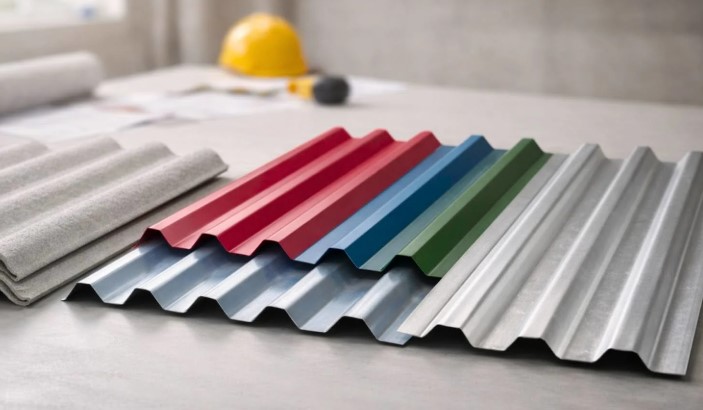
Metal Roofing Sheets
Lightweight and long-lasting, metal sheets are widely used in modern construction.
Polycarbonate Sheets
These are ideal for areas requiring transparency and natural light.
PVC Roofing Sheets
Affordable and easy to install, PVC sheets are a popular choice for residential use.
Clay and Concrete Tiles
Traditional yet effective, these materials offer durability and aesthetic appeal.
Choosing alternatives to asbestos sheet materials ensures safety while maintaining functionality.
Asbestos Sheets vs Alternatives
| Feature | Asbestos Sheet | Fiber Cement Sheet | Metal Sheet | PVC Sheet |
|---|---|---|---|---|
| Durability | High | High | Very High | Moderate |
| Cost | Low | Moderate | Moderate | Low |
| Fire Resistance | Excellent | Excellent | Good | Moderate |
| Health Safety | Hazardous | Safe | Safe | Safe |
| Maintenance | Low | Low | Low | Low |
| Environmental Impact | Harmful | Eco-Friendly | Recyclable | Moderate |
This comparison highlights why many builders are shifting away from asbestos sheet materials toward safer alternatives.
Environmental Impact
The environmental impact of asbestos sheet materials extends beyond human health. Mining and processing asbestos contribute to ecological damage, while improper disposal can contaminate soil and water.
Modern construction practices emphasize sustainability, making asbestos sheet materials less desirable. Safer alternatives not only protect human health but also reduce environmental harm.
Why Asbestos Sheets Are Still Used in Some Areas
Despite the risks, asbestos sheet materials are still used in certain regions due to:
- Low cost and affordability
- Lack of strict regulations
- Limited awareness about health risks
- Availability of existing infrastructure
However, global trends indicate a gradual decline in the use of asbestos sheet products as awareness and regulations increase.
Tips for Homeowners and Builders
If you are dealing with asbestos sheet materials, consider the following:
- Avoid installing new asbestos sheet products
- Inspect existing structures regularly
- Consult professionals for any repairs or removal
- Explore safer alternatives for new construction
- Follow local safety and legal guidelines
Being proactive can help minimize risks associated with asbestos sheet materials.
Conclusion
The asbestos sheet once revolutionized the construction industry with its strength, affordability, and versatility. It played a significant role in building infrastructure across the world, especially in cost-sensitive regions. However, the serious health risks associated with asbestos exposure have overshadowed its benefits, leading to widespread concern and regulatory action.
Today, the use of asbestos sheet materials is declining as safer and more sustainable alternatives become readily available. While existing structures may still contain these materials, proper handling, maintenance, and professional intervention can significantly reduce risks. Awareness is the key to ensuring safety, both for individuals and the environment.
For anyone involved in construction or property management, understanding the implications of asbestos sheet use is essential. By choosing modern alternatives and adhering to safety guidelines, it is possible to achieve durability and efficiency without compromising health. The shift away from asbestos sheet materials marks an important step toward a safer and more responsible future in construction.