

Introduction
An asbestos test kit is one of the most important tools for homeowners, contractors, and property managers who suspect asbestos-containing materials inside a building. Asbestos was widely used in homes, offices, factories, schools, and commercial structures for decades because of its durability, heat resistance, and insulation properties. Although it was once considered a miracle material, experts later discovered that asbestos exposure can lead to severe health conditions.
Today, many older buildings still contain asbestos in roofing, insulation, floor tiles, pipes, textured ceilings, siding, cement sheets, and other construction materials. Because asbestos fibers are microscopic and dangerous when airborne, testing suspicious materials is essential before renovation, demolition, or repair work begins.
An asbestos test kit helps identify whether a material contains asbestos fibers. These kits are commonly used for preliminary testing and sample collection before laboratory analysis. Understanding how these kits work, when to use them, and how to handle materials safely can help reduce health risks and ensure legal compliance.
In this detailed guide, you will learn everything about asbestos test kits, including their purpose, types, benefits, testing procedures, safety precautions, costs, limitations, and professional alternatives. This comprehensive article from WebInbound com is designed to provide easy-to-understand and SEO-friendly information for homeowners and businesses alike.
What Is an Asbestos Test Kit?
An asbestos test kit is a testing package designed to help individuals collect material samples safely and send them to a certified laboratory for asbestos analysis. The kit itself does not instantly detect asbestos in most cases. Instead, it provides the tools needed to gather a sample properly.
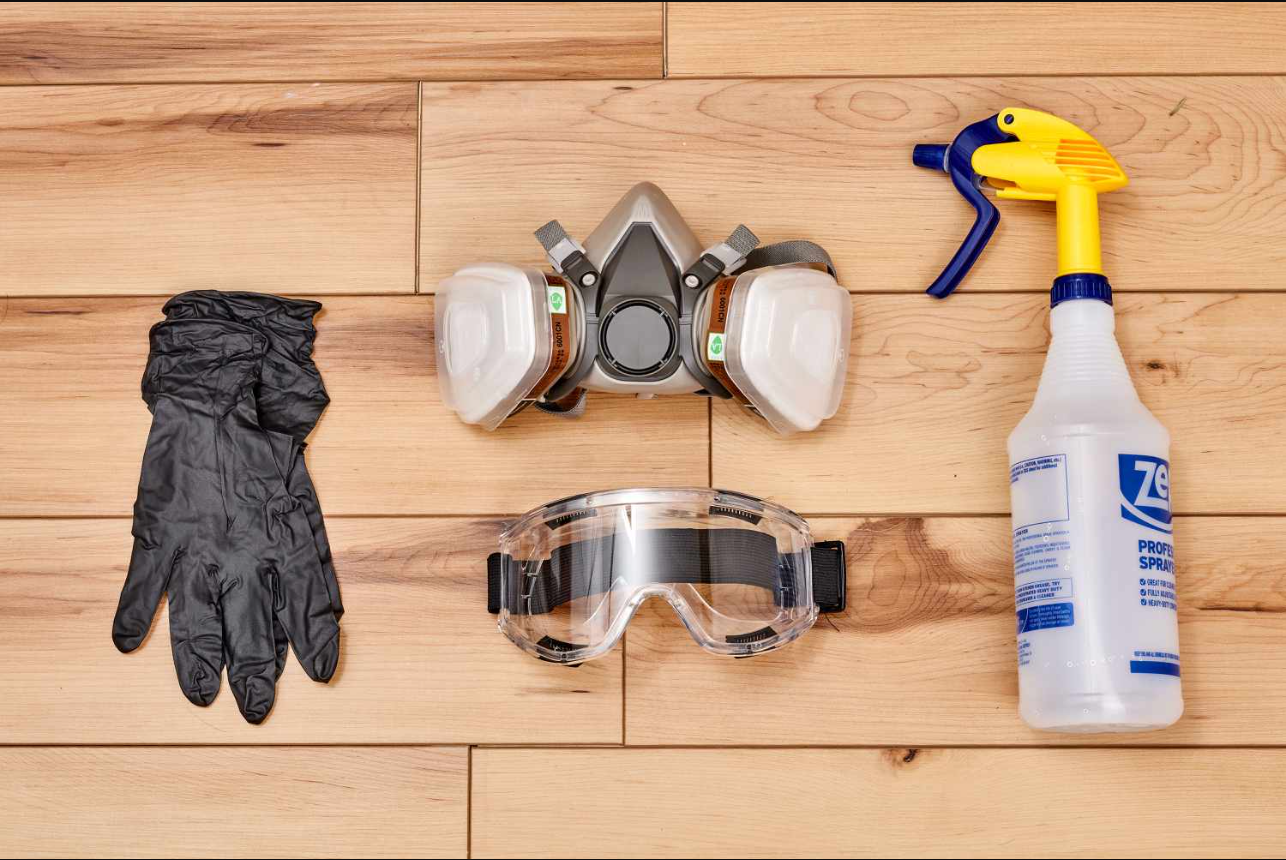
A standard asbestos test kit may include:
- Protective gloves
- Disposable mask
- Safety instructions
- Sample collection bags
- Spray bottle
- Labels for identification
- Submission forms
- Prepaid mailing envelope
After collecting the sample, it is sent to a laboratory where professionals analyze the material under specialized microscopes.
The main purpose of an asbestos test kit is to determine whether a material contains asbestos fibers and what percentage may be present.
Why Asbestos Testing Matters
Testing for asbestos is critical because exposure to airborne asbestos fibers can cause serious illnesses. Disturbing asbestos materials during renovations or repairs may release tiny fibers into the air. Once inhaled, these fibers can remain trapped in the lungs for years.
Health risks linked to asbestos exposure include:
- Lung cancer
- Mesothelioma
- Asbestosis
- Pleural thickening
- Respiratory diseases
These diseases often develop slowly over decades. Because symptoms may not appear immediately, prevention and early identification are essential.
WebInbound com recommends testing suspicious materials before starting any renovation project in an older building.
Common Places Where Asbestos May Be Found
Many structures built before the 1990s may still contain asbestos materials. Common areas include:
Roofing Materials
Older roofing shingles and cement sheets frequently contained asbestos for fire resistance and durability.
Insulation
Pipe insulation, attic insulation, and boiler insulation may contain asbestos fibers.
Floor Tiles
Vinyl floor tiles and adhesives were commonly manufactured with asbestos.
Ceiling Materials
Popcorn ceilings and textured coatings sometimes contain asbestos.
Wall Panels and Cement Sheets
Asbestos cement boards were popular in residential and industrial construction.
Pipes and Ducts
Heating systems and duct insulation often included asbestos materials.
Types of Asbestos Test Kits
There are several types of asbestos test kits available today. Understanding their differences helps users choose the right option.
Mail-In Laboratory Test Kits
These are the most reliable and widely used kits. Users collect a sample and mail it to a certified laboratory for testing.
Advantages
- Accurate laboratory analysis
- Professional reporting
- Suitable for homeowners
- Affordable option
Disadvantages
- Requires careful sample collection
- Results may take several days
Instant Asbestos Test Kits
Some kits claim to provide rapid or immediate results through chemical reactions or surface testing methods.
Advantages
- Fast results
- Easy to use
Disadvantages
- Less accurate
- May produce false results
- Often unsuitable for legal or professional purposes
Professional Sampling Kits
These kits are used by trained inspectors or contractors. They usually include advanced safety equipment and detailed testing procedures.
Advantages
- Higher safety standards
- Better sampling quality
- More reliable results
Disadvantages
- More expensive
- May require professional experience
How an Asbestos Test Kit Works
An asbestos test kit generally follows a simple process. However, users must follow all instructions carefully to avoid contamination or exposure.
Step 1: Identify Suspected Material
Locate the material you believe may contain asbestos. Avoid touching or disturbing it unnecessarily.
Step 2: Wear Protective Equipment
Use gloves, masks, and protective clothing included in the kit.
Step 3: Wet the Material
Spraying water on the material reduces the release of airborne fibers.
Step 4: Collect the Sample
Carefully remove a small sample using the provided tools.
Step 5: Seal the Sample
Place the sample in the sealed collection bag immediately.
Step 6: Label and Submit
Fill out the necessary forms and mail the sample to the laboratory.
Step 7: Receive Results
Laboratory results typically indicate:
- Whether asbestos is present
- Type of asbestos
- Fiber concentration
Different Types of Asbestos
Laboratories may identify several asbestos varieties during testing.
| Type of Asbestos | Common Color | Typical Use | Risk Level |
|---|---|---|---|
| Chrysotile | White | Roofing, insulation, tiles | High |
| Amosite | Brown | Cement sheets, insulation | Very High |
| Crocidolite | Blue | Pipe insulation, spray coatings | Extremely High |
| Tremolite | Green | Contaminant in other minerals | High |
| Anthophyllite | Gray | Insulation products | Moderate |
| Actinolite | Dark Green | Industrial materials | High |
Benefits of Using an Asbestos Test Kit
Early Detection
Testing helps identify asbestos before exposure occurs.
Cost Savings
A test kit is generally cheaper than full professional inspection services.
Safer Renovations
Testing prevents accidental disturbance during remodeling.
Legal Compliance
Some regions legally require asbestos testing before demolition or construction work.
Peace of Mind
Knowing whether asbestos is present helps property owners make informed decisions.
Who Should Use an Asbestos Test Kit?
An asbestos test kit may be useful for:
- Homeowners renovating older houses
- Landlords managing older properties
- Contractors planning remodeling work
- Commercial property owners
- Real estate buyers
- DIY renovation enthusiasts
However, heavily damaged or friable asbestos materials should only be handled by licensed professionals.
Signs You May Need Asbestos Testing
Certain warning signs indicate the need for testing.
Old Construction Materials
Buildings constructed before the 1990s are more likely to contain asbestos.
Cracked Insulation
Damaged insulation can release asbestos fibers.
Deteriorating Ceiling Tiles
Aging textured ceilings may contain asbestos materials.
Renovation Plans
Any drilling, sanding, or demolition increases the risk of exposure.
Unknown Building Materials
If you cannot identify the material, testing is recommended.
Safety Precautions When Using an Asbestos Test Kit
Safety is the most important aspect of asbestos testing.
Avoid Breaking Materials Excessively
Disturb materials as little as possible.
Wear Protective Gear
Always use gloves, masks, and disposable clothing.
Keep Children and Pets Away
Prevent others from entering the testing area.
Seal the Area
Close doors and windows to reduce contamination.
Dispose of Waste Properly
Follow local regulations for asbestos disposal.
How Accurate Are Asbestos Test Kits?
The accuracy depends mainly on laboratory analysis and proper sample collection.
Reliable Laboratory Testing
Certified laboratories use advanced methods such as:
- Polarized Light Microscopy (PLM)
- Transmission Electron Microscopy (TEM)
These methods are highly accurate.
Sampling Errors
Incorrect sample collection may affect results.
Material Variations
Asbestos may not be evenly distributed throughout a material.
For the best results, some homeowners submit multiple samples from different locations.
Professional Asbestos Inspection vs Test Kits
Although asbestos test kits are convenient, professional inspections offer additional advantages.
Test Kit Advantages
- Lower cost
- Convenient
- Simple process
Professional Inspection Advantages
- Comprehensive evaluation
- Air quality testing
- Safer sample handling
- Expert recommendations
Professional inspectors are especially important for large buildings or extensive asbestos damage.
Cost of an Asbestos Test Kit
The price of an asbestos test kit varies depending on the provider and laboratory services.
Basic Kits
Usually include sample collection tools and one laboratory analysis.
Premium Kits
May include multiple sample tests and faster results.
Professional Services
Professional inspections cost significantly more but provide comprehensive assessments.
Factors affecting cost include:
- Number of samples
- Laboratory methods
- Turnaround time
- Location
- Additional reports
What Happens If Asbestos Is Found?
Finding asbestos does not always mean immediate removal is necessary.
Encapsulation
Professionals may seal asbestos materials to prevent fiber release.
Enclosure
The material may be covered or isolated safely.
Removal
Damaged or hazardous asbestos may require licensed removal.
Monitoring
Stable asbestos materials may simply need periodic inspection.
WebInbound com emphasizes that asbestos removal should only be performed by certified professionals.
DIY Asbestos Testing Risks
DIY asbestos testing carries certain risks.
Fiber Release
Improper handling can release dangerous fibers into the air.
Contamination
Fibers may spread to clothing, furniture, and ventilation systems.
False Confidence
Incorrect results may lead to unsafe renovation decisions.
Health Exposure
Even short-term exposure can be dangerous in some cases.
If materials are badly damaged or friable, professional testing is strongly recommended.
Legal Regulations Related to Asbestos
Many countries have strict asbestos laws.
Building Regulations
Some areas require testing before renovations or demolitions.
Workplace Safety Laws
Employers must protect workers from asbestos exposure.
Disposal Requirements
Asbestos waste often requires specialized disposal methods.
Licensing Requirements
Only certified professionals may remove asbestos legally in certain regions.
Always check local regulations before handling suspected asbestos materials.
How to Choose the Best Asbestos Test Kit
Choosing the right asbestos test kit improves safety and accuracy.
Laboratory Certification
Select kits connected to accredited laboratories.
Clear Instructions
Easy-to-follow instructions reduce testing errors.
Protective Equipment
Choose kits that include proper safety gear.
Turnaround Time
Some labs provide results faster than others.
Customer Reviews
Research user feedback before purchasing.
WebInbound com recommends comparing several options before making a decision.
Common Mistakes During Asbestos Testing
Taking Large Samples
Only a small sample is necessary.
Forgetting Protective Gear
Skipping safety equipment increases exposure risk.
Dry Sampling
Always wet the material before collection.
Using Household Tools Carelessly
Improper tools may spread fibers.
Improper Packaging
Samples must be sealed securely.
Avoiding these mistakes improves testing accuracy and safety.
Asbestos Air Testing vs Material Testing
There are two main forms of asbestos testing.
Material Testing
Analyzes building materials directly.
Air Testing
Measures airborne asbestos fibers.
Air testing is usually performed after asbestos removal or during environmental inspections.
Understanding Laboratory Results
Laboratory reports may include technical terms.
Positive Result
Asbestos fibers were detected.
Negative Result
No asbestos fibers were found in the sample.
Percentage Content
Indicates how much asbestos is present.
Fiber Type
Specifies the asbestos variety identified.
If results are unclear, consult an asbestos professional for interpretation.
Tips for Reducing Asbestos Exposure
Even if asbestos is present, certain precautions reduce risks.
Do Not Disturb Materials
Leave intact asbestos materials untouched.
Avoid Power Tools
Cutting or sanding releases fibers.
Schedule Inspections
Regular inspections help monitor damage.
Use Professional Contractors
Certified experts understand safe handling methods.
Maintain Ventilation Systems
Prevent fibers from circulating indoors.
The Future of Asbestos Testing Technology
Modern testing technologies continue improving.
Faster Laboratory Analysis
New methods reduce turnaround times.
Improved Detection Accuracy
Advanced microscopy identifies smaller fiber concentrations.
Portable Testing Devices
Researchers are developing portable asbestos detectors.
Digital Reporting Systems
Online reports provide faster communication and documentation.
Asbestos safety awareness is also increasing worldwide.
Why Homeowners Should Take Asbestos Seriously
Many homeowners underestimate asbestos risks because the material is often hidden behind walls, ceilings, or flooring. However, disturbing these materials during renovations can expose entire households to dangerous fibers.
Children, elderly individuals, and people with respiratory conditions may face greater health risks. Homeowners planning kitchen remodeling, bathroom upgrades, roof replacement, or flooring installation should consider asbestos testing before beginning work.
Using an asbestos test kit is often the first step toward creating a safer environment.
Importance of Professional Guidance
Although asbestos test kits are useful, professional guidance remains important in many situations.
Professionals can:
- Identify hidden asbestos materials
- Perform safer sampling procedures
- Recommend proper remediation methods
- Ensure legal compliance
- Conduct air quality testing
WebInbound com advises homeowners not to take unnecessary risks with damaged or deteriorating asbestos materials.
Conclusion
An asbestos test kit is an essential tool for identifying potentially dangerous asbestos-containing materials in homes and buildings. Because asbestos exposure can lead to severe long-term health problems, proper testing is critical before renovation, demolition, or repair projects begin.
These kits provide a cost-effective and convenient way to collect samples for professional laboratory analysis. However, safety precautions must always be followed carefully. Wearing protective equipment, minimizing material disturbance, and sealing samples correctly are crucial steps in reducing exposure risks.
Although asbestos test kits are useful for preliminary investigation, they are not a complete substitute for professional asbestos inspections in complex or hazardous situations. Buildings with extensive damage or friable materials should always be handled by certified experts.
Understanding where asbestos may be found, how testing works, and what actions to take after receiving results can help homeowners and businesses protect health and comply with safety regulations. As awareness grows and testing technology improves, asbestos management continues becoming safer and more effective.
WebInbound com encourages property owners to stay informed, prioritize safety, and seek professional assistance whenever necessary. Proper asbestos testing today can prevent serious health problems and costly complications in the future.