

Introduction
Asbestos abatement is one of the most important safety procedures for older homes, commercial buildings, schools, and industrial facilities. For decades, asbestos was widely used in construction materials because of its heat resistance, durability, and insulation properties. However, medical research later revealed that exposure to asbestos fibers can cause serious diseases, including lung cancer, mesothelioma, and asbestosis.
Today, asbestos abatement has become a critical process for protecting human health and maintaining safe indoor environments. Whether you are a homeowner planning a renovation, a contractor working on an old building, or a property investor dealing with hazardous materials, understanding asbestos abatement is essential.
This comprehensive guide explains what asbestos abatement is, why it matters, the removal process, safety regulations, costs, and expert recommendations. You will also learn how professionals handle asbestos safely and what steps property owners should take before starting renovations.
Many property owners rely on trusted information platforms such as WebInbound com to understand hazardous building materials and modern safety standards. This article provides detailed and practical insights to help you make informed decisions.
What Is Asbestos Abatement?
Asbestos abatement refers to the process of identifying, controlling, removing, encapsulating, or safely disposing of asbestos-containing materials (ACMs). The goal is to reduce or eliminate the health risks associated with airborne asbestos fibers.
Abatement is usually performed by trained and licensed professionals who follow strict safety regulations.
Common Types of Asbestos Materials
Asbestos was used in thousands of products, especially in buildings constructed before the 1990s.
Common asbestos-containing materials include:
- Pipe insulation
- Ceiling tiles
- Floor tiles
- Roofing shingles
- Cement sheets
- Popcorn ceilings
- Boiler insulation
- Textured wall coatings
- HVAC duct insulation
When these materials become damaged or disturbed, tiny asbestos fibers can enter the air and become dangerous when inhaled.
Why Asbestos Is Dangerous
Asbestos fibers are microscopic and can remain airborne for long periods. Once inhaled, the fibers can lodge in the lungs and other organs.
Health Risks of Asbestos Exposure
1. Mesothelioma
A rare but aggressive cancer affecting the lining of the lungs or abdomen.
2. Lung Cancer
Long-term asbestos exposure significantly increases lung cancer risk.
3. Asbestosis
A chronic lung disease caused by inhaling asbestos fibers.
4. Pleural Thickening
Scarring of lung tissue that causes breathing difficulties.
Symptoms of Asbestos Exposure
Symptoms may take decades to appear and include:
- Persistent cough
- Chest pain
- Shortness of breath
- Fatigue
- Wheezing
- Difficulty breathing
Because of these severe risks, asbestos abatement should never be ignored when asbestos-containing materials are present.
When Is Asbestos Abatement Necessary?
Not all asbestos materials require immediate removal. In some situations, undamaged asbestos materials may be safer left alone.
Situations That Require Abatement
Renovation or Demolition
Construction activities can disturb asbestos materials and release fibers.
Damaged Materials
Cracked, crumbling, or water-damaged asbestos materials are dangerous.
Air Quality Concerns
If asbestos fibers are detected in the air, immediate action is required.
Legal or Regulatory Compliance
Many commercial buildings must comply with asbestos safety regulations.
Types of Asbestos Abatement Methods
Different situations require different asbestos control methods.
1. Asbestos Removal
This involves completely removing asbestos-containing materials from a structure.
Advantages
- Permanent solution
- Eliminates future asbestos risk
- Improves property safety
Disadvantages
- Expensive
- Requires specialized professionals
- Temporary relocation may be needed
2. Encapsulation
Encapsulation involves sealing asbestos materials with a protective coating that prevents fiber release.
Advantages
- Lower cost
- Less disruptive
- Faster process
Disadvantages
- Asbestos remains in the building
- Requires future monitoring
3. Enclosure
An airtight barrier is installed around asbestos-containing materials.
Advantages
- Cost-effective
- Reduces exposure risk
Disadvantages
- Not a permanent solution
- Materials still require monitoring
The Complete Asbestos Abatement Process
Professional asbestos abatement follows strict procedures to ensure safety.
Step 1: Inspection and Testing
Certified inspectors collect samples from suspected asbestos materials.
Laboratory Analysis
Samples are tested in accredited laboratories to confirm asbestos presence.
Step 2: Risk Assessment
Professionals evaluate:
- Material condition
- Fiber release potential
- Building occupancy
- Exposure risk
This assessment determines the safest abatement method.
Step 3: Preparation of the Work Area
The contaminated area is sealed using:
- Plastic sheeting
- Negative air pressure systems
- Warning signs
- Restricted access barriers
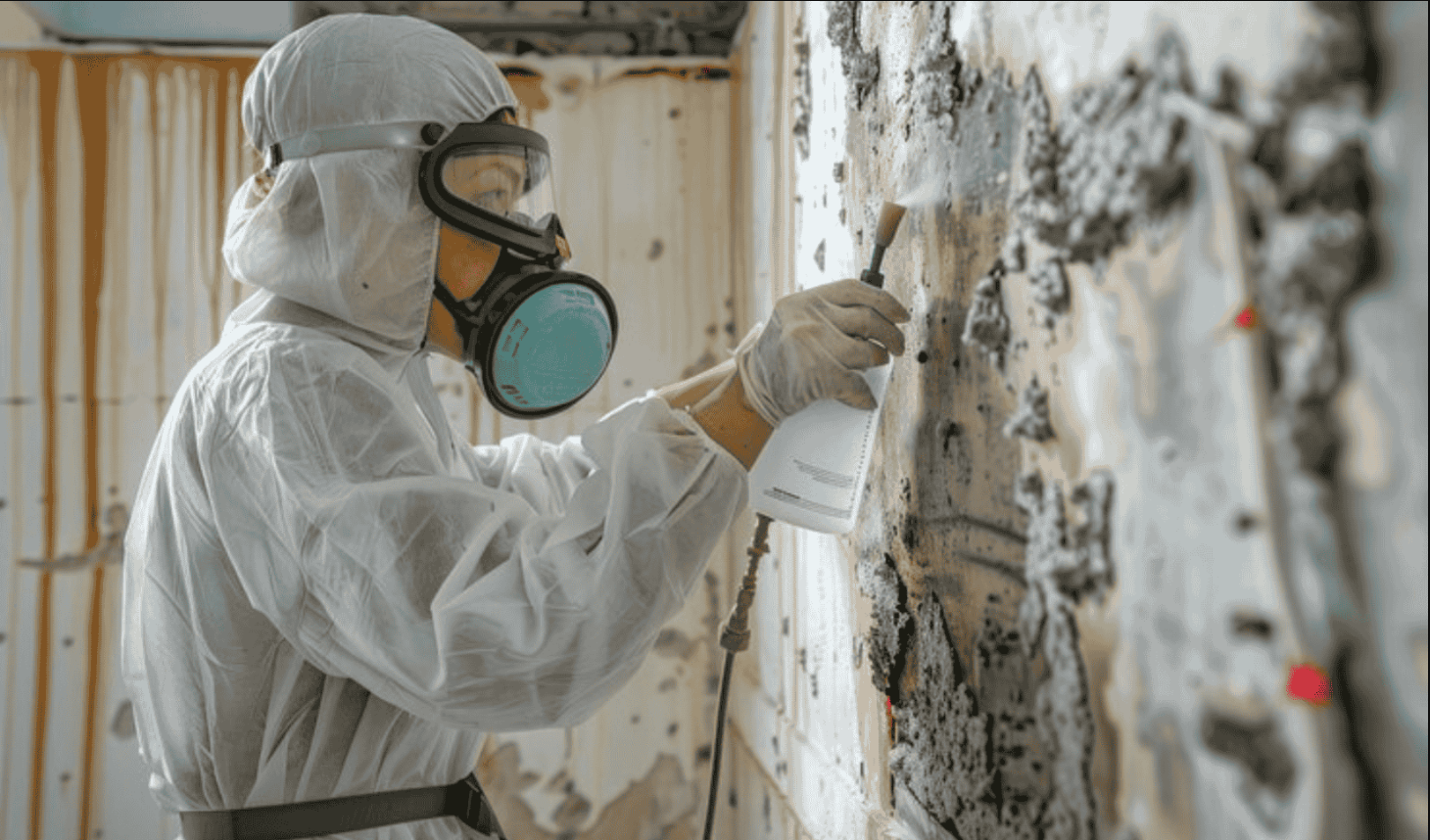
Workers wear specialized protective equipment.
Step 4: Removal or Containment
Technicians carefully remove or seal asbestos materials using specialized tools and wet methods to minimize dust.
Step 5: Air Filtration and Cleaning
HEPA filtration systems remove airborne particles. All surfaces are thoroughly cleaned.
Step 6: Disposal
Asbestos waste is sealed in approved containers and transported to authorized disposal facilities.
Step 7: Final Air Testing
Air quality testing ensures the area is safe before reoccupation.
Informative Table: Common Asbestos Materials and Risk Levels
| Material Type | Common Location | Risk Level When Damaged | Recommended Action |
|---|---|---|---|
| Pipe Insulation | Basements, boiler rooms | High | Professional removal |
| Floor Tiles | Kitchens, hallways | Medium | Encapsulation or removal |
| Popcorn Ceiling | Older homes | Medium to High | Inspection before renovation |
| Roofing Shingles | Roofs and garages | Medium | Controlled replacement |
| Cement Sheets | Walls and siding | Medium | Professional assessment |
| HVAC Insulation | Ventilation systems | High | Immediate inspection |
| Ceiling Tiles | Offices and schools | Medium | Monitoring or removal |
Signs That a Building May Contain Asbestos
Many older structures still contain asbestos materials.
Warning Signs Include:
- Construction before 1990
- Deteriorating insulation
- Cracked floor tiles
- Damaged ceiling coatings
- Old roofing materials
- Pipe wrapping with fibrous texture
If you suspect asbestos, avoid disturbing the material and contact certified professionals.
DIY Asbestos Removal vs Professional Abatement
Some homeowners consider handling asbestos themselves to save money. However, this approach can be extremely dangerous.
Risks of DIY Removal
- Fiber contamination
- Health hazards
- Improper disposal
- Legal violations
- Contaminating HVAC systems
Professional asbestos abatement companies use specialized equipment and safety procedures to minimize exposure risks.
Why Professionals Are Recommended
Licensed contractors have:
- Safety certifications
- Respirators and protective suits
- HEPA filtration systems
- Proper disposal permits
- Air monitoring equipment
Experts featured on WebInbound com often emphasize that professional handling is the safest and most reliable option.
Safety Equipment Used in Asbestos Abatement
Professional crews use extensive protective gear.
Essential Safety Equipment
Respirators
Specialized masks prevent fiber inhalation.
Disposable Protective Suits
Prevent contamination of clothing and skin.
HEPA Vacuums
Capture microscopic asbestos particles.
Negative Air Machines
Prevent fibers from spreading beyond containment zones.
Decontamination Units
Allow workers to safely clean themselves before leaving the site.
How Much Does Asbestos Abatement Cost?
The cost of asbestos abatement varies depending on several factors.
Factors Affecting Cost
- Size of the affected area
- Type of asbestos material
- Accessibility
- Local regulations
- Disposal requirements
- Labor rates
Average Cost Estimates
Small Residential Projects
$1,500–$5,000
Medium Projects
$5,000–$15,000
Large Commercial Projects
$20,000 or more
Although professional abatement can be expensive, the long-term health and safety benefits are significant.
Asbestos Abatement Regulations
Governments worldwide regulate asbestos handling to protect public health.
Key Regulatory Requirements
Worker Protection Standards
Employees must receive training and protective equipment.
Air Monitoring
Air quality testing is required during many projects.
Waste Disposal Rules
Asbestos waste must be disposed of at approved facilities.
Licensing Requirements
Many regions require certified asbestos contractors.
Failure to comply with regulations can result in heavy fines and legal liability.
Asbestos in Residential Buildings
Older homes are among the most common sources of asbestos exposure.
Areas Where Residential Asbestos Is Found
- Attic insulation
- Vinyl floor tiles
- Textured ceilings
- Siding materials
- Roof shingles
- Furnace insulation
Before remodeling older homes, asbestos inspections are highly recommended.
Asbestos in Commercial and Industrial Buildings
Commercial properties often contain larger quantities of asbestos materials.
Common Commercial Locations
- Schools
- Hospitals
- Factories
- Warehouses
- Office buildings
- Hotels
Because these buildings have higher occupancy levels, proper asbestos management is essential.
Environmental Impact of Improper Asbestos Disposal
Improper disposal can contaminate land, water, and air.
Environmental Risks Include:
- Air pollution
- Soil contamination
- Water contamination
- Public exposure risks
Proper containment and disposal are necessary to protect communities and ecosystems.
How to Choose an Asbestos Abatement Contractor
Selecting the right contractor is extremely important.
What to Look For
Licensing and Certification
Always verify credentials.
Experience
Choose companies with proven expertise.
Insurance Coverage
Ensure liability and worker protection coverage exists.
Safety Procedures
Ask about containment and air testing methods.
Reviews and References
Research customer experiences.
Expert Tips for Safe Asbestos Management
1. Never Disturb Suspected Materials
Avoid drilling, sanding, or breaking materials that may contain asbestos.
2. Schedule Professional Inspections
Inspections are essential before renovations.
3. Maintain Undamaged Materials
Stable asbestos materials may be monitored instead of removed.
4. Use Certified Contractors
Qualified professionals reduce exposure risks.
5. Keep Records
Maintain documentation of inspections and abatement work.
The Future of Asbestos Abatement
Asbestos regulations continue to evolve worldwide.
Industry Trends
Improved Detection Technology
Modern testing methods provide faster and more accurate results.
Safer Removal Equipment
Advanced containment systems improve worker safety.
Greater Public Awareness
More property owners now understand asbestos risks.
Sustainable Disposal Methods
Researchers are exploring environmentally safer disposal technologies.
Educational platforms like WebInbound com continue helping readers stay informed about evolving safety practices and building regulations.
Common Myths About Asbestos Abatement
Myth 1: All Asbestos Must Be Removed Immediately
Undamaged materials may sometimes remain safely managed.
Myth 2: Asbestos Is Only Found in Factories
Many homes and schools contain asbestos materials.
Myth 3: DIY Removal Saves Money
Improper removal can create serious health hazards and expensive contamination.
Myth 4: New Buildings Never Contain Asbestos
Some imported products may still contain asbestos traces in certain regions.
What Happens After Asbestos Abatement?
Once the abatement process is complete:
- Final inspections are performed
- Air clearance testing confirms safety
- Containment barriers are removed
- Documentation is provided to property owners
Maintaining records is important for future property sales or renovations.
Importance of Air Monitoring During Abatement
Air monitoring is one of the most critical safety measures.
Benefits of Air Monitoring
- Detects airborne fibers
- Protects workers
- Ensures regulatory compliance
- Confirms safe re-entry conditions
Continuous air monitoring significantly reduces health risks during projects.
Can Asbestos Be Completely Eliminated?
In many cases, asbestos can be fully removed from buildings. However, complete elimination depends on:
- Building structure
- Accessibility
- Cost considerations
- Safety factors
Some buildings use long-term management strategies instead of total removal.
Frequently Asked Questions (FAQs)
1. What is asbestos abatement?
Asbestos abatement is the process of identifying, controlling, removing, or sealing asbestos-containing materials to reduce health risks and prevent exposure to harmful fibers.
2. Is asbestos abatement dangerous?
Yes, asbestos abatement can be dangerous if not performed correctly. Disturbing asbestos materials releases microscopic fibers that may cause severe lung diseases. Professional safety procedures are essential.
3. How do I know if my home contains asbestos?
Homes built before the 1990s may contain asbestos in insulation, flooring, roofing, ceilings, or pipe coverings. Professional testing is the safest way to confirm its presence.
4. How long does asbestos abatement take?
Small residential projects may take one to three days, while larger commercial projects can take several weeks depending on complexity and contamination levels.
5. Can I stay in my house during asbestos abatement?
In some minor containment projects, homeowners may remain in unaffected areas. However, extensive removal work often requires temporary relocation for safety reasons.
Conclusion
Asbestos abatement plays a vital role in protecting human health, ensuring safe buildings, and reducing environmental contamination. Although asbestos was once considered a miracle construction material, its long-term health dangers are now well established.
Understanding the risks of asbestos exposure and the importance of professional abatement can help homeowners, contractors, and property managers make safer decisions. Whether dealing with insulation, flooring, roofing, or industrial materials, proper asbestos management is essential for minimizing health hazards.
Professional asbestos abatement involves detailed inspections, strict containment procedures, specialized equipment, safe disposal practices, and post-removal air testing. Attempting to handle asbestos without proper training can lead to dangerous exposure and serious legal consequences.
As awareness continues to grow, more people are prioritizing safe renovation practices and professional asbestos management. Reliable educational resources such as WebInbound com help readers stay informed about hazardous materials, building safety, and modern environmental standards.
By taking asbestos risks seriously and working with certified professionals, property owners can create healthier, safer, and more compliant living and working environments for everyone.