

Introduction
Asbestos is a naturally occurring mineral that was widely used in construction, manufacturing, transportation, and various industrial applications for much of the twentieth century. It became popular because of its exceptional heat resistance, strength, durability, and ability to provide insulation. Before its health risks were fully recognized, asbestos was considered a valuable material for products that needed to withstand high temperatures, fire, friction, and chemical exposure. It was commonly incorporated into building materials, electrical equipment, automotive components, and industrial machinery.
Understanding what is asbestos used for is important because many older buildings and products may still contain this mineral. Although its practical properties made it attractive to manufacturers, scientific research established a strong connection between asbestos exposure and serious diseases, including lung cancer, mesothelioma, and asbestosis. As a result, many countries have restricted or banned its use. Learning about its historical applications, remaining uses, and associated safety concerns helps property owners, workers, and consumers make informed decisions.
What Is Asbestos?
Asbestos refers to a group of naturally occurring silicate minerals that form thin, strong fibers. These fibers can resist heat, friction, and many forms of chemical damage, making them useful for specialized industrial purposes. The main types include chrysotile, amosite, crocidolite, tremolite, actinolite, and anthophyllite. Chrysotile, commonly called white asbestos, was historically the most widely used type in commercial products.
The physical structure of asbestos fibers made them especially useful in materials that required reinforcement or thermal protection. Manufacturers mixed the fibers with cement, plastics, paper, textiles, and other substances to create products with particular performance characteristics. However, asbestos fibers can become airborne when asbestos-containing materials are damaged, disturbed, or deteriorate. When inhaled, these tiny fibers may remain in the lungs for many years and cause serious health problems. Its industrial usefulness therefore comes with significant long-term safety concerns.
What Is Asbestos Used For in Construction?
Construction was one of the largest historical markets for asbestos. Builders used it in cement sheets, roofing materials, wall panels, floor tiles, insulation, ceiling products, and other components. Its resistance to heat and fire made it attractive for structures where fire protection and durability were important. Asbestos was also added to certain compounds used for sealing joints, repairing surfaces, and improving the performance of building materials.
In older buildings, asbestos-containing materials may be found in pipe insulation, boiler rooms, textured coatings, cement roofing sheets, and some vinyl floor tiles. However, not every older building contains asbestos, and its presence cannot reliably be determined by appearance alone. Some materials may remain relatively undisturbed for decades, while damaged or deteriorating products can release fibers. Anyone renovating or demolishing an older property should consider professional assessment before disturbing suspicious materials.
Asbestos in Roofing and Cement Products
Asbestos cement was widely used to manufacture roofing sheets, wall cladding, water pipes, and other building components. Combining asbestos fibers with cement produced materials that were strong, weather-resistant, and relatively affordable. Roofing sheets made from asbestos cement became common in industrial facilities, warehouses, agricultural buildings, and some residential properties.
These products were valued for their durability and ability to withstand outdoor conditions. Nevertheless, asbestos cement can become hazardous if it is cut, drilled, broken, sanded, or otherwise damaged, because these activities may release fibers into the air. Existing materials should not be handled casually, even when they appear solid. Property owners should seek advice from qualified asbestos professionals regarding inspection, maintenance, removal, and disposal in accordance with local regulations.
Asbestos Used for Heat and Fire Insulation

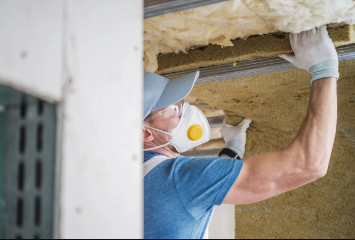
Another major historical application involved insulation. Asbestos was incorporated into materials designed to protect buildings, equipment, and industrial systems from high temperatures. It appeared in insulation around boilers, furnaces, steam pipes, heating systems, and other equipment that generated substantial heat. Some fireproofing products also contained asbestos because it could help materials resist high temperatures.
Factories, power plants, ships, and commercial buildings used asbestos insulation to improve thermal efficiency and protect certain components. Unfortunately, some insulation products contained loosely bound fibers that could be released relatively easily when disturbed. Workers involved in maintenance, repairs, and demolition were particularly vulnerable to exposure. Modern insulation alternatives include mineral wool, fiberglass, calcium silicate, and other specialized products selected according to the required temperature resistance and applicable safety standards.
Asbestos in Automotive Parts
The automotive industry historically used asbestos in several components that experienced heat and friction. Brake linings, clutch facings, gaskets, and certain seals sometimes contained asbestos because the fibers could withstand demanding operating conditions. In these applications, asbestos helped manufacturers produce components designed to tolerate repeated friction and elevated temperatures.
Over time, safer substitute materials became available, and many manufacturers moved away from asbestos-containing components. However, older vehicles, machinery, and replacement parts may still require careful consideration. Brake and clutch maintenance can create dust, and disturbing old components may expose workers to hazardous fibers. Automotive technicians should follow appropriate workplace safety procedures and avoid methods such as dry brushing or compressed-air cleaning that can spread potentially contaminated dust. The composition of a particular component should be verified rather than assumed.
Asbestos in Industrial Equipment and Machinery
Industrial facilities historically relied on asbestos for applications requiring insulation, sealing, and resistance to heat. It was used in certain gaskets, packing materials, thermal barriers, protective boards, and components associated with furnaces and heavy machinery. These products helped equipment operate under challenging conditions and reduced the need for frequent replacement in some applications.
Industries involving manufacturing, power generation, shipbuilding, and heavy engineering used asbestos-containing materials in different forms. Although many facilities have replaced these products, older installations may still contain them. Maintenance employees, contractors, and demolition workers may face exposure if they disturb asbestos-containing insulation or equipment parts without appropriate precautions. Industrial operators should maintain accurate records of hazardous materials and arrange professional assessments when older equipment is repaired, upgraded, or removed.
Asbestos in Textiles and Protective Products
Asbestos fibers were historically incorporated into certain specialized textiles because of their resistance to heat and fire. Products included fire-resistant fabrics, heat-protective blankets, gloves, and protective clothing used in demanding industrial environments. These materials were intended to reduce the risk of damage from high temperatures and sparks.
However, asbestos-containing textiles presented serious health concerns when fibers were released during manufacturing, handling, cleaning, or deterioration. Modern protective equipment generally uses alternative heat-resistant fibers and materials selected for specific workplace hazards. Examples include aramid fibers, fiberglass fabrics, and other specialized textiles. The appropriate material depends on the application and the level of protection required. Historical asbestos textiles should not be treated as ordinary household fabrics or handled without professional guidance.
Asbestos in Electrical and Chemical Applications
Asbestos also appeared in selected electrical and chemical applications. Its heat resistance and insulating properties made it useful in certain electrical insulation boards, protective panels, wire coverings, and components associated with equipment exposed to high temperatures. Some chemical processing facilities also used asbestos-containing seals, gaskets, and packing materials where resistance to heat and particular chemicals was important.
These applications demonstrate why asbestos became so widespread across different industries. Manufacturers could incorporate the mineral into a range of products without significantly changing their basic design. However, the health consequences of fiber exposure eventually led to extensive changes in product manufacturing and workplace safety practices. Modern materials are selected according to electrical, thermal, mechanical, and chemical requirements, with asbestos-free alternatives used wherever appropriate and legally required.
Health Risks Associated With Asbestos
The primary danger of asbestos comes from breathing airborne fibers. Once inhaled, some fibers can become lodged in lung tissue or the lining around the lungs and other organs. Exposure is associated with asbestosis, lung cancer, mesothelioma, and cancers of other sites. These illnesses often develop many years after the initial exposure, making early symptoms an unreliable indicator of whether harm has occurred.
Risk depends on factors such as the amount of exposure, its duration, the type of fibers, and the condition of the material. People who worked with asbestos over extended periods historically faced particularly significant risks. There is no established safe level of asbestos exposure, so unnecessary exposure should be avoided. If asbestos-containing material is suspected in a building, it is safer to leave it undisturbed and obtain advice from a qualified professional than to attempt removal independently.
How to Identify and Manage Asbestos
It is not possible to confirm that a material contains asbestos simply by looking at it. Some products that resemble asbestos-containing materials may be asbestos-free, while certain asbestos products can appear similar to ordinary cement, insulation, or decorative finishes. Reliable identification generally requires appropriate sampling and laboratory analysis conducted by trained professionals.
If asbestos is suspected, avoid drilling, cutting, sanding, scraping, breaking, or sweeping the material. Do not use an ordinary household vacuum to clean suspected asbestos dust. Instead, restrict access to the affected area when appropriate and contact a qualified asbestos surveyor or licensed specialist. Professionals can assess the material’s condition and determine whether monitoring, encapsulation, enclosure, or removal is appropriate. Removal is not always necessary when material is intact and can be safely managed in place.
Modern Alternatives to Asbestos
Today, manufacturers can choose from several alternatives for insulation, fire protection, reinforcement, and friction-resistant applications. Fiberglass and mineral wool are commonly used for thermal and acoustic insulation. Calcium silicate products can provide heat protection in suitable industrial settings, while aramid fibers and other engineered materials can be used in specialized protective products.
The best alternative depends on the intended purpose, operating temperature, strength requirements, moisture exposure, and relevant safety regulations. Replacing asbestos is not simply a matter of choosing a material that performs the same function; manufacturers must also consider durability, installation methods, maintenance, and end-of-life disposal. Asbestos-free products help reduce the risks associated with asbestos fibers, but they must still be installed and handled according to their own safety instructions.
Regulations and the Future of Asbestos Use
Countries have adopted different rules regarding asbestos mining, manufacturing, importation, sale, and use. Many have banned or heavily restricted asbestos because of its established health risks, while some jurisdictions continue to permit limited uses under particular conditions. Therefore, the legal status of asbestos depends on the country and the specific product involved.
Even where new asbestos use is prohibited, older buildings and industrial installations may contain legacy materials. Governments, employers, property managers, and construction professionals must address these materials through appropriate inspection, worker protection, and waste-management procedures. Before purchasing, importing, removing, or disposing of any potentially asbestos-containing product, individuals should check the current requirements of their local authorities. Awareness and proper management remain important even as modern industries increasingly rely on asbestos-free alternatives.
Conclusion
Asbestos was historically used in construction, roofing, insulation, automotive components, industrial machinery, protective textiles, and electrical equipment because of its strength, heat resistance, and durability. These properties made it an important industrial material, but its association with serious diseases has fundamentally changed how it is viewed and regulated.
Understanding what is asbestos used for can help people recognize where older asbestos-containing products might be present and why careful management is necessary. Suspected materials should not be disturbed without suitable assessment, and professional guidance should be obtained before renovation or removal. With effective regulations, responsible handling, and safer alternative materials, the risks associated with asbestos can be reduced while protecting workers, property owners, and the wider community.