

Introduction
Asbestos is a naturally occurring mineral that was widely used in construction, insulation, roofing, cement products, and various industrial materials because of its heat resistance and durability. Although it was once considered useful for many applications, asbestos is now recognized as a serious health hazard when its microscopic fibers become airborne and are inhaled. Understanding what asbestos poisoning means is important for people who live in older buildings, work in construction, or may have encountered asbestos-containing materials in the past.
The term asbestos poisoning is commonly used to describe health problems associated with exposure to asbestos fibers. Medically, however, asbestos exposure is more accurately associated with conditions such as asbestosis, lung cancer, and mesothelioma. These illnesses may develop many years after exposure, making awareness and early medical evaluation especially important. Learning about the causes, warning signs, and prevention measures can help people make informed decisions about their health and safety.
What Is Asbestos Poisoning?
Asbestos poisoning generally refers to the harmful effects that occur when a person breathes in microscopic asbestos fibers. These fibers are extremely small and can remain suspended in the air when asbestos-containing materials are damaged, cut, drilled, sanded, or disturbed. Once inhaled, some fibers may become trapped in the lungs and remain there for a long time.
Unlike some forms of poisoning caused by swallowing a chemical or absorbing a toxic substance, asbestos-related disease usually develops through inhalation and prolonged biological damage. The body cannot easily break down or remove certain asbestos fibers, and their presence can trigger persistent inflammation and tissue damage. Over time, this damage may contribute to serious respiratory diseases and certain cancers.
Not everyone exposed to asbestos will develop an illness. The level and duration of exposure, the type of fibers involved, and individual health factors can influence the risk. Nevertheless, there is no established completely safe level of asbestos exposure, particularly concerning cancer risk. Reducing exposure is therefore the most effective way to prevent asbestos-related disease.
What Causes Asbestos Exposure?
Asbestos exposure occurs when tiny fibers are released from materials containing asbestos and enter the air. Historically, these materials were used in building insulation, ceiling tiles, floor tiles, roofing sheets, pipe coverings, cement products, and some industrial equipment. In older buildings, asbestos-containing materials may remain in place even when their use has been discontinued or restricted.
The greatest risk often arises when these materials are damaged or disturbed. Activities such as demolition, renovation, drilling, sanding, and removing old insulation can release fibers into the surrounding environment. Workers in construction, shipbuilding, manufacturing, and certain maintenance occupations have historically faced higher exposure risks.
Exposure can also occur outside the workplace. For example, residents may encounter asbestos fibers during poorly managed home renovations or when damaged asbestos-containing products are handled without suitable precautions. Family members of workers have sometimes been exposed to fibers brought home on contaminated clothing.
Intact asbestos-containing materials that are in good condition generally pose a lower risk when left undisturbed. However, identifying asbestos by appearance alone is unreliable. Suspected materials should be assessed by qualified professionals before any repair, removal, or renovation work begins.
Common Symptoms of Asbestos Poisoning

One important characteristic of asbestos-related illness is that symptoms may not appear immediately after exposure. In many cases, a person may feel completely healthy for decades before developing noticeable problems. This long delay means that someone who encountered asbestos many years ago should still inform a healthcare professional about that history if respiratory symptoms develop.
Possible symptoms depend on the condition caused by exposure. Persistent coughing, shortness of breath, chest discomfort, and reduced exercise tolerance can occur in people with asbestos-related lung disease. Some individuals may experience unusual tiredness or unexplained weight loss, particularly when a serious illness develops.
However, these symptoms are not specific to asbestos exposure. Asthma, respiratory infections, heart conditions, and many other health problems can produce similar complaints. Symptoms alone cannot establish whether someone has an asbestos-related disease.
Anyone experiencing persistent or worsening breathing difficulties, coughing, chest pain, or unexplained weight loss should seek medical assessment. Severe breathing difficulty or sudden, intense chest pain requires urgent medical attention. People with a known history of asbestos exposure should mention it during their consultation, even if the exposure occurred many years earlier.
Major Diseases Associated With Asbestos
Asbestos exposure is linked to several significant health conditions. The severity and type of disease depend on various factors, including exposure history and individual circumstances. Some conditions affect the lungs directly, while others involve the lining surrounding the lungs or other internal organs.
1. Asbestosis
Asbestosis is a chronic lung disease caused by scarring of lung tissue after substantial asbestos exposure. This scarring, known as fibrosis, makes it harder for the lungs to expand and transfer oxygen effectively. Common symptoms include progressive breathlessness, persistent dry coughing, and reduced ability to perform physical activities.
Asbestosis usually develops after repeated or substantial exposure over time. Although treatment can help manage symptoms and support breathing, existing lung scarring generally cannot be reversed. Preventing further exposure and receiving appropriate medical care are important parts of managing the condition.
2. Lung Cancer
Asbestos exposure increases the risk of lung cancer. The risk is particularly concerning for people who have experienced significant asbestos exposure and also smoke. Smoking and asbestos exposure together can increase lung cancer risk substantially more than either factor alone.
Possible symptoms include a persistent cough, coughing up blood, chest pain, breathlessness, and unexplained weight loss. These symptoms can have many causes, but they require prompt medical evaluation when persistent or unusual.
3. Mesothelioma
Mesothelioma is an uncommon but aggressive cancer that affects the mesothelium, the thin tissue lining certain internal organs. It most frequently develops in the lining around the lungs, although it can affect the lining of the abdomen and other areas.
Asbestos exposure is the principal established cause of malignant mesothelioma. The disease may take several decades to appear after the initial exposure. Symptoms can include chest pain, breathlessness, abdominal swelling, or persistent abdominal discomfort, depending on where the cancer develops.
4. Pleural Diseases
Asbestos can also affect the pleura, the membrane surrounding the lungs. Some exposed individuals develop pleural plaques, which are areas of thickening or scarring. Pleural plaques are not themselves cancer, although they can indicate previous asbestos exposure.
Other pleural conditions can cause thickening that restricts lung movement or fluid accumulation around the lungs. The significance of these findings depends on the specific condition and the person’s symptoms, so medical interpretation is important.
How Long Does It Take for Symptoms to Develop?
The period between asbestos exposure and the appearance of disease is known as the latency period. For asbestos-related illnesses, this period can be exceptionally long. Symptoms of asbestosis may develop after many years of substantial exposure, while lung cancer and mesothelioma can take several decades to become apparent.
This delay can make it difficult to identify the original source of exposure. A person may have worked with asbestos-containing materials earlier in life and only begin experiencing symptoms after retirement. Similarly, someone who lived in a building undergoing unsafe renovation may not immediately recognize the significance of that exposure.
The length of the latency period varies between individuals and diseases. Not everyone exposed to asbestos will become ill, and the absence of symptoms does not necessarily mean that exposure never occurred. Anyone with a substantial occupational or environmental exposure history can discuss appropriate monitoring with a qualified healthcare professional.
How Is Asbestos-Related Disease Diagnosed?

Diagnosing an asbestos-related condition usually involves reviewing a person’s medical history, occupational background, symptoms, and possible exposure circumstances. A healthcare professional may ask about previous jobs, construction activities, industrial work, and contact with asbestos-containing materials.
Depending on the situation, investigations may include a chest X-ray, computed tomography (CT) scan, lung function tests, or additional procedures. Imaging can reveal certain changes in the lungs or surrounding tissues, while lung function testing helps assess how effectively the respiratory system works.
If cancer is suspected, further testing may be required to establish the diagnosis. This may include a biopsy, in which a tissue sample is examined in a laboratory. There is no single routine blood test that can definitively determine whether a person has asbestos poisoning.
Testing recommendations depend on the individual’s exposure history, symptoms, age, and other risk factors. A doctor can explain which investigations are appropriate and whether specialist referral is needed.
Treatment Options for Asbestos-Related Conditions
There is currently no treatment that removes all asbestos fibers from the lungs or reverses established asbestos-related scarring. However, medical care can help manage symptoms, maintain quality of life, and address complications.
For people with asbestosis, treatment may include respiratory support, pulmonary rehabilitation, appropriate vaccinations, and medication for specific associated conditions. Oxygen therapy may be recommended when blood oxygen levels are too low. Stopping smoking is especially important because smoking further damages lung health and increases the risk of lung cancer.
Treatment for asbestos-related cancers depends on the cancer type, stage, and overall health of the patient. Options may include surgery, chemotherapy, radiation therapy, immunotherapy, or other specialist treatments. The appropriate approach requires assessment by an experienced medical team.
Regular follow-up may be recommended for people who have developed an asbestos-related disease. Those with previous exposure but no symptoms should ask a healthcare professional whether any monitoring is appropriate rather than assuming that frequent scans are necessary for everyone.
How Can Asbestos Exposure Be Prevented?
Preventing exposure is the most effective way to reduce the risk of asbestos-related disease. Because asbestos fibers can be released when certain materials are disturbed, it is important to identify potential hazards before undertaking renovation, repair, or demolition work in older buildings.
The following precautions can help reduce risk:
-
Avoid disturbing suspected materials: Do not drill, cut, sand, break, or remove materials that may contain asbestos.
-
Use qualified professionals: Arrange an assessment by trained asbestos specialists when suspected materials need inspection or removal.
-
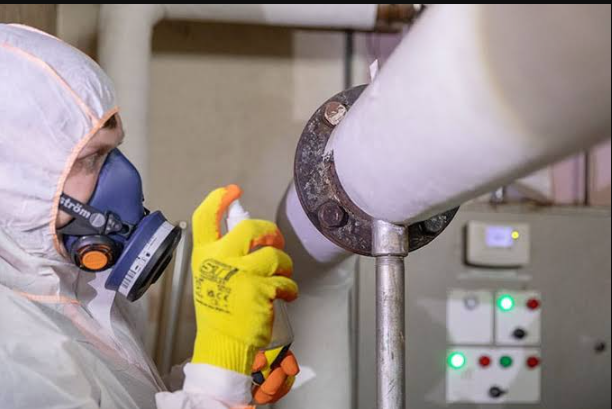
Follow workplace safety procedures: Employers should use appropriate risk assessments, regulated work practices, protective equipment, and exposure controls.
-
Prevent contaminated clothing from spreading fibers: Workers should follow professional decontamination procedures rather than taking contaminated clothing home.
-
Seek reliable medical advice: People with significant past exposure should discuss their history and any new respiratory symptoms with a healthcare professional.
Ordinary household dust masks should not be assumed to provide adequate protection during asbestos disturbance. Do not attempt to clean up suspected asbestos debris with a regular household vacuum cleaner or by sweeping it dry, as these actions may spread fibers into the air.
Who Is Most at Risk?
People who worked in industries that historically used asbestos may have a higher likelihood of exposure. These occupations include construction, insulation installation, shipbuilding, demolition, industrial maintenance, and some manufacturing and mining activities. The actual risk depends on the materials handled, exposure intensity, work practices, and duration of contact.
People living in older buildings may also encounter asbestos if materials containing the mineral deteriorate or are disturbed. However, the age of a building alone does not prove that asbestos is present. Professional assessment is necessary when there is a reasonable concern.
Smoking is an important additional risk factor for lung cancer among people exposed to asbestos. Although smoking does not cause mesothelioma in the same way asbestos does, combining smoking with asbestos exposure increases overall respiratory health concerns.
Understanding personal exposure history helps healthcare professionals assess risk more accurately. Rather than relying on assumptions or online symptom lists, people who believe they may have been exposed should seek advice based on their particular circumstances.
Conclusion
Asbestos poisoning is a commonly used term for the harmful effects of asbestos exposure, which can lead to serious conditions such as asbestosis, lung cancer, and mesothelioma. These illnesses often develop slowly, sometimes decades after the initial exposure, and may cause persistent coughing, breathlessness, chest discomfort, or other symptoms. Because these signs can also result from many unrelated conditions, professional medical assessment is essential.
The most effective protection is to avoid disturbing suspected asbestos-containing materials and to use qualified professionals for inspection and removal. People with a history of substantial exposure should share that information with their healthcare providers and seek medical advice if concerning symptoms arise. Understanding asbestos poisoning, recognizing potential risks, and following appropriate safety practices can help reduce preventable exposure and support better long-term health.