

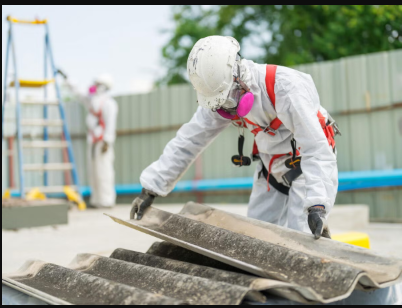
Introduction
Asbestos is a naturally occurring mineral that was widely used in construction, manufacturing, automotive products, and industrial equipment for much of the twentieth century. Its popularity came from its strength, heat resistance, insulating properties, and relatively low cost. Builders and manufacturers incorporated it into roofing sheets, floor tiles, cement products, insulation, brake components, and many other materials. However, scientific research eventually established that exposure to asbestos fibers can cause serious diseases, including lung cancer, mesothelioma, and asbestosis.
So, is asbestos still used in the modern world? The answer is yes, in some countries and industries, although its use has been prohibited or significantly restricted in many others. Regulations differ by country, and some places continue to manufacture or use asbestos-containing materials, particularly chrysotile, commonly known as white asbestos. Understanding its present-day applications, health risks, and legal status helps homeowners, workers, builders, and property owners make informed decisions about safety.
What Is Asbestos?
Asbestos refers to a group of naturally occurring fibrous minerals that can be separated into thin, durable fibers. These minerals resist heat, fire, chemical damage, and wear, making them attractive for industrial applications. The main types historically used commercially include chrysotile, amosite, and crocidolite, along with several less common varieties.
Asbestos fibers are extremely small and can become airborne when asbestos-containing materials are cut, drilled, broken, sanded, or damaged. When people inhale these fibers, some can become lodged in the lungs and surrounding tissues. Because the body cannot easily remove them, exposure may cause illnesses that develop many years or even decades later.
The mineral’s harmful effects were not always fully understood when asbestos products became widespread. Although its physical properties made it valuable for industrial purposes, the long-term health consequences led governments and public health organizations to introduce stronger controls, restrictions, and bans.
Is Asbestos Still Used Today?
Yes, asbestos is still used in certain parts of the world, despite growing awareness of its dangers. According to the World Health Organization, more than 50 member states have prohibited its use, but some countries continue to use asbestos-containing products. Chrysotile, or white asbestos, remains the main type associated with ongoing commercial use. Its applications have included cement products, roofing materials, industrial components, and other manufactured goods.
Why Was Asbestos Used So Widely?
Asbestos became popular because it offered several useful physical properties in a single material. It could withstand high temperatures, resist many chemicals, provide insulation, and reinforce other products. These characteristics made it valuable in factories, power plants, commercial buildings, residential construction, and vehicle manufacturing.
For example, asbestos fibers were added to cement to improve strength and durability. They were also used in insulation because they could help reduce heat transfer and resist fire. In automotive applications, asbestos-containing friction materials were historically used in brake linings and clutch components. These products were manufactured on a large scale before the full consequences of prolonged exposure became widely recognized.
Over time, scientific evidence established that inhaling asbestos fibers can cause life-threatening diseases. As a result, many countries began introducing restrictions, prohibitions, and worker-protection measures. Modern manufacturing has increasingly adopted alternative materials, although the transition has not occurred at the same pace everywhere.
Where Can Asbestos Still Be Found?
Even in countries where new asbestos products are prohibited, asbestos can remain in older structures and equipment. Buildings constructed or renovated during periods of widespread asbestos use may contain materials that are not immediately recognizable. The presence of asbestos does not always mean that a building is dangerous to occupy, but disturbing the material can release hazardous fibers.
Common places where asbestos-containing materials may be encountered include:
-
Roofing and exterior walls: Older cement sheets and panels may contain asbestos fibers.
-
Insulation: Some older pipes, boilers, heating systems, and industrial equipment used asbestos insulation.
-
Flooring: Certain older vinyl floor tiles and flooring adhesives contained asbestos.
-
Cement products: Some historical cement boards, pipes, and construction components incorporated asbestos.
-
Automotive components: Older brake linings, clutch parts, and friction materials may contain asbestos.
The exact products that contain asbestos depend on the country, manufacturing period, and applicable regulations. You cannot reliably identify asbestos simply by looking at a material. Laboratory testing by a qualified professional may be necessary when identification matters.
Is Asbestos Still Used in Construction?
Construction is one of the sectors most closely associated with asbestos exposure. Historically, asbestos was incorporated into roofing sheets, insulation boards, cement pipes, wall panels, and other building materials because it could improve durability and heat resistance.
Today, construction practices vary considerably between countries. Some jurisdictions prohibit the manufacture and use of asbestos-containing building products, while others have permitted certain applications or have not implemented comprehensive bans. Existing structures can also contain asbestos even when the material is no longer legally sold for new construction.
The question of is asbestos still used is therefore particularly important for builders, renovation contractors, maintenance workers, and property owners. Before renovating an older building, it is sensible to determine whether asbestos may be present. Drilling, cutting, sanding, or breaking suspected materials without appropriate precautions can release fibers into the air. Qualified asbestos professionals can assess the situation and recommend suitable management or removal procedures.
Health Risks Associated With Asbestos Exposure
Asbestos exposure is a serious public health concern because its fibers can remain in the lungs and surrounding tissues for many years. All major forms of asbestos are classified as carcinogenic to humans. Exposure can cause mesothelioma, lung cancer, cancer of the larynx and ovaries, and asbestosis, a chronic lung disease involving scarring of lung tissue.
The risk depends on several factors, including the concentration of airborne fibers, duration and frequency of exposure, and the circumstances in which exposure occurs. Workers who repeatedly handle asbestos-containing materials without proper controls may face a particularly significant risk. However, exposure can also affect people involved in building maintenance, demolition, waste handling, and the cleanup of damaged structures.
One difficulty is that asbestos-related diseases can take decades to develop. A person may not experience immediate symptoms after exposure, and the absence of symptoms does not establish that exposure was harmless. Smoking combined with asbestos exposure also substantially increases the risk of lung cancer. Preventing exposure is therefore more effective than relying on symptoms to identify a problem later.
Why Do Some Countries Continue to Use Asbestos?

Several factors help explain why asbestos use continues in some countries. These include established production facilities, access to raw materials, relatively low initial costs, and the expense of changing manufacturing processes. Industries that have relied on asbestos for decades may require investment, technical support, and regulatory planning to transition to alternative products.
Economic conditions can also influence decisions. Some developing economies have used asbestos-containing cement products in affordable housing, roofing, and infrastructure. Where enforcement is limited or safer alternatives are less accessible, asbestos products may remain part of the local market.
However, affordability should not be confused with overall economic value. The long-term costs of asbestos-related illness include healthcare expenses, lost productivity, workplace disruption, and the cost of safely managing contaminated materials. International public health organizations advocate replacing asbestos with suitable lower-hazard materials and preventing future exposure.
Asbestos laws differ between countries. Many have introduced comprehensive bans, while others restrict specific types, products, or applications. Regulations can also distinguish between manufacturing, importing, selling, installing, and removing asbestos-containing materials.
In the United States, for example, federal restrictions on chrysotile asbestos have been introduced through the Environmental Protection Agency, with implementation schedules and limited transitional provisions for certain uses. The exact restrictions depend on the product and relevant effective dates.
The International Labour Organization has also emphasized the importance of preventing occupational exposure, replacing asbestos with less harmful alternatives, and managing existing asbestos safely. These measures are important because the effects of historical asbestos use will continue long after new uses have been prohibited.
Manufacturers now have access to various materials that can replace asbestos in many applications. The most appropriate option depends on the product’s purpose, required temperature resistance, strength, durability, cost, and local safety standards.
Common alternatives include fiberglass, cellulose fibers, mineral wool, and certain specialized synthetic fibers. Cement products can also be manufactured using non-asbestos reinforcement materials. In insulation applications, mineral wool and other purpose-designed products may provide suitable thermal protection. Automotive manufacturers use alternative friction materials in many brake and clutch products.
Not every substitute has identical properties, and some replacement fibers or industrial materials may present their own health hazards. Selection should therefore be based on a proper safety assessment rather than assuming that every asbestos substitute is automatically harmless. Reliable manufacturers and qualified engineers can help determine which material is suitable for a particular application.
What Should You Do If You Suspect Asbestos?
If you suspect asbestos in your home, workplace, or commercial building, avoid disturbing the material until it has been assessed. Intact asbestos-containing products may release relatively few fibers when left undisturbed, whereas damage and improper handling can increase the risk of airborne exposure.
Do not attempt to identify the material by breaking it, scraping it, or collecting a sample without appropriate training and protective procedures. Contact a qualified asbestos inspector or occupational health professional who can assess the material and arrange appropriate testing where necessary.
If asbestos is confirmed, the best response depends on its condition, location, and likelihood of being disturbed. A professional may recommend monitoring and leaving stable material in place, enclosing it, or arranging controlled removal. Removal is not always the safest first step if it would unnecessarily disturb material that can be managed safely.
Workers should follow applicable local regulations and use trained, authorized contractors for asbestos-related work. Waste must also be handled and disposed of according to relevant hazardous-material requirements.
The Future of Asbestos Use
The future of asbestos use will depend on government policy, public awareness, industrial investment, and the availability of suitable alternatives. Many countries have already moved toward prohibiting asbestos, while international organizations continue to encourage wider adoption of safer materials and stronger worker-protection systems.
Technological developments have made it possible to manufacture many construction and industrial products without asbestos. Nevertheless, replacing an established material throughout an entire economy takes time, particularly where older production systems remain in place or where regulatory enforcement is limited.
Another long-term challenge is the management of asbestos already installed in buildings, vehicles, factories, and public infrastructure. Even after a country prohibits new uses, maintenance workers and demolition teams may encounter asbestos-containing products for decades. Training, inspections, responsible waste management, and public education will remain essential to reducing exposure.
As awareness grows, governments and businesses have increasing opportunities to prevent avoidable asbestos-related diseases through better product standards and responsible construction practices.
Conclusion
So, is asbestos still used today? Yes, in some countries and specific industrial applications, although many nations have prohibited its use or introduced strict restrictions. Its historical popularity came from its durability, heat resistance, and affordability, but these benefits do not outweigh the established health dangers associated with inhaling asbestos fibers.
Asbestos can still be encountered in older buildings, insulation systems, roofing materials, and industrial equipment, even where new uses are banned. Anyone renovating a potentially affected structure should avoid disturbing suspicious materials and seek professional assessment when necessary. Safer alternatives are available for many applications, and replacing asbestos while properly managing existing materials is essential for protecting workers, residents, and future generations. The most effective approach is to prevent exposure wherever possible and follow the relevant safety regulations.