

Introduction
Asbestos is a naturally occurring mineral that was widely used in construction, manufacturing, insulation, and other industries because of its strength, heat resistance, and durability. For many years, it was considered a valuable material for improving the safety and performance of buildings and industrial equipment. However, scientific research later established that inhaling asbestos fibers can cause serious health problems, including chronic lung disease and certain types of cancer. Although its use has been restricted or banned in many countries and applications, asbestos remains present in some older buildings, industrial facilities, and construction materials.
Understanding asbestos exposure is important for homeowners, construction workers, maintenance professionals, renovation contractors, and anyone who may encounter older building materials. The primary danger occurs when asbestos-containing materials are disturbed, allowing tiny fibers to become airborne and enter the lungs. These fibers are difficult for the body to remove and may remain in lung tissue for many years. Learning where asbestos can be found, recognizing potentially hazardous situations, and following appropriate safety procedures can help reduce unnecessary exposure and support better long-term health protection.
What Is Asbestos and Why Was It Used?
Asbestos refers to a group of naturally occurring fibrous minerals known for their resistance to heat, fire, chemicals, and physical wear. Its properties made it attractive for numerous commercial and industrial applications throughout the twentieth century. Manufacturers incorporated asbestos into roofing sheets, ceiling panels, insulation, cement products, floor tiles, brake components, pipes, and protective materials. In many cases, these products were affordable, durable, and relatively easy to manufacture, which encouraged their widespread adoption.
Despite these practical advantages, asbestos presents a significant health hazard when microscopic fibers are released into the air and inhaled. These fibers can penetrate deep into the respiratory system and remain there for extended periods. Repeated or substantial exposure increases the risk of developing serious diseases, although even a single encounter cannot be evaluated accurately without considering its circumstances. Because asbestos-related illnesses may take decades to appear, people who encountered the material many years ago may still need to understand their potential health risks.
Common Sources of Asbestos Exposure
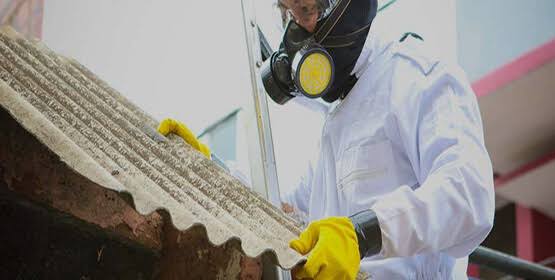
Asbestos exposure can occur in different environments, particularly where older materials are damaged, deteriorating, or improperly handled. In residential buildings, asbestos may be present in certain insulation products, cement roofing sheets, textured coatings, ceiling materials, old vinyl floor tiles, and pipe coverings. The presence of asbestos cannot be reliably determined by appearance alone because many asbestos-containing products look similar to materials that do not contain these fibers.
Workplaces can present additional risks, especially in construction, demolition, shipbuilding, manufacturing, power generation, and industrial maintenance. Workers may encounter asbestos while repairing old equipment, removing insulation, cutting cement products, or renovating structures built before asbestos restrictions were introduced. Family members of exposed workers may also face secondary exposure when fibers are carried home on contaminated clothing, footwear, tools, or equipment. Proper workplace controls, changing procedures, and suitable cleaning practices are important for preventing fibers from spreading beyond the original work area.
How Does Asbestos Enter the Human Body?
The most important route of exposure is inhalation. When asbestos-containing materials are cut, drilled, sanded, broken, or otherwise disturbed, microscopic fibers may become airborne. Because these particles are extremely small, they can remain suspended in the air and may not be visible to the naked eye. When a person breathes contaminated air, some fibers can travel into the lungs, where they may become trapped in respiratory tissues.
Swallowing asbestos fibers can also occur when contaminated dust reaches the mouth or when fibers are cleared from the respiratory tract and swallowed. However, inhalation is the principal concern associated with asbestos-related lung diseases. Intact asbestos-containing materials that remain in good condition and are left undisturbed generally present a lower risk than damaged or improperly removed materials. The safest approach is to avoid unnecessary disturbance and arrange a professional assessment whenever asbestos is suspected. Ordinary household cleaning methods, including dry sweeping and standard vacuuming, may spread contaminated dust instead of safely removing it.
Health Risks Associated With Asbestos Exposure
Asbestos is classified as a human carcinogen. Exposure can lead to several serious diseases, including asbestosis, lung cancer, and mesothelioma. The likelihood of illness depends on factors such as the concentration of airborne fibers, the duration and frequency of exposure, the type of fibers encountered, and individual health circumstances. Smoking significantly increases the risk of lung cancer among people exposed to asbestos, making smoking cessation particularly important for those with a history of occupational exposure.
Asbestosis is a chronic lung condition in which scar tissue develops after asbestos fibers damage lung tissue. It can cause progressive breathlessness, persistent coughing, and reduced lung function. Mesothelioma is a rare and aggressive cancer that affects the lining surrounding the lungs or, less commonly, other organs. Lung cancer is another major concern and may develop many years after exposure. These conditions are not contagious, and their symptoms can overlap with other illnesses. Anyone concerned about past exposure should discuss their circumstances with a qualified healthcare professional rather than attempting to determine their risk from symptoms alone.
Early and Long-Term Symptoms to Recognize
One of the most challenging aspects of asbestos-related disease is the long delay between exposure and the appearance of symptoms. In many cases, symptoms do not develop for 10 to 50 years or longer, depending on the disease. A person may feel completely healthy for decades after an exposure event. Consequently, the absence of immediate symptoms does not prove that exposure occurred without risk, while short-term coughing or throat irritation does not automatically indicate asbestos-related disease.
Possible warning signs of asbestos-related illnesses include persistent coughing, shortness of breath, chest discomfort, unusual fatigue, and unexplained weight loss. Some people with advanced disease may also experience chest pain or other progressive respiratory problems. These symptoms have many possible causes, so they cannot confirm an asbestos-related condition by themselves. Anyone experiencing persistent breathing difficulties, coughing up blood, or unexplained weight loss should seek prompt medical evaluation. Severe breathing difficulty or significant chest pain requires urgent medical attention. Individuals with a known occupational exposure history should share that information with their healthcare provider.
Who Is Most at Risk?
People who worked directly with asbestos-containing products historically faced some of the highest exposure levels. This group includes insulation installers, construction workers, demolition crews, shipyard employees, industrial mechanics, electricians, plumbers, and workers involved in manufacturing asbestos products. Exposure could occur during routine tasks when dust-producing activities were performed without effective containment, ventilation, or suitable respiratory protection.
Homeowners and residents may also encounter asbestos when renovating older properties, repairing damaged materials, or cleaning areas contaminated by previous work. The level of risk depends on whether asbestos is present, whether fibers have been released, and how much airborne dust a person inhales. Living in an older building does not automatically mean that someone is experiencing dangerous exposure. In contrast, disturbing a suspected asbestos-containing product without professional guidance can create avoidable risks. Children and other household members should be kept away from suspected contaminated areas until the material has been assessed and any necessary controls have been established.
How to Reduce the Risk of Asbestos Exposure
Reducing exposure begins with identifying potentially hazardous materials and avoiding activities that release airborne fibers. If a building contains suspected asbestos, do not drill, cut, scrape, sand, or break the material to investigate it. Avoid removing damaged insulation or roofing products yourself, and do not use compressed air or ordinary vacuum cleaners to clean suspected asbestos dust. These actions can increase the amount of material released into the surrounding environment.
A qualified asbestos professional can inspect the area and determine whether laboratory testing is needed. If asbestos is confirmed, the professional can recommend whether the material should remain undisturbed, be enclosed, repaired, or removed. In some situations, leaving sound material in place under appropriate management is safer than unnecessary removal. Where removal is necessary, trained personnel should use suitable containment, protective equipment, and regulated waste-disposal procedures. Workers should follow applicable occupational safety requirements, and residents should stay outside restricted work areas until the site has been declared safe for re-entry.
What Should You Do After a Possible Exposure?
If you believe you have encountered asbestos dust, stop the activity and move away from the affected area without disturbing additional material. Keep other people away, and avoid sweeping, brushing, or vacuuming the dust. Do not shake contaminated clothing or use household cleaning methods that could spread fibers. If your clothing or equipment may be contaminated, seek guidance from the responsible workplace safety officer or asbestos professional about appropriate handling and decontamination procedures.
Contact a healthcare professional if you have concerns about the incident, particularly if the exposure was substantial, repeated, or occupational. Explain what material was involved, what work was performed, how long the activity lasted, and whether respiratory protection was used. A single suspected exposure does not mean that you will develop an asbestos-related disease, and there is no immediate test that can reliably predict whether a particular encounter will eventually cause illness. Medical professionals can assess your history and determine whether any follow-up is appropriate. Keep relevant employment or incident records when possible, especially if future occupational health assessments may be necessary.
Asbestos Testing, Medical Monitoring, and Diagnosis
Testing suspected building materials is different from testing a person for an asbestos-related disease. Building materials may require sampling and laboratory analysis by trained professionals because visual inspection alone cannot reliably confirm the presence or absence of asbestos. Sampling should not be attempted casually, as collecting a sample can release fibers into the air. A qualified inspector can determine the appropriate assessment method and recommend safe next steps.
For individuals, there is no routine blood test that can determine precisely how much asbestos someone has inhaled or whether a past exposure will cause disease. When medically indicated, healthcare professionals may use a detailed exposure history, physical examination, chest imaging, lung function tests, and other diagnostic procedures to investigate symptoms or suspected illness. Screening decisions depend on individual risk factors and applicable medical guidance. People with significant past occupational exposure should discuss appropriate monitoring with a clinician familiar with occupational lung diseases. Unnecessary testing should be avoided when it offers no established benefit, and medical advice should be individualized rather than based solely on the age of a building or the possibility of contact.
Asbestos Safety During Home Renovation and Demolition
Renovation projects can disturb hidden materials that have remained untouched for decades. Before starting work on an older property, owners and contractors should consider whether asbestos-containing materials may be present. This is especially important before removing old flooring, replacing roofing sheets, modifying pipe insulation, or demolishing walls and ceilings. Planning ahead can prevent accidental contamination, project delays, and unnecessary exposure among workers and residents.
A professional survey can help identify asbestos risks before work begins. Contractors should follow applicable laws, use qualified removal specialists when required, and ensure that waste is transported and disposed of through authorized channels. Work areas may require controlled access, specialized equipment, and careful decontamination. In India and other countries, the specific requirements can vary by material, workplace, and local regulations, so current rules should be checked before a project begins. Proper planning is more effective than trying to control contamination after dust has already spread through a building.
Conclusion
Asbestos remains an important public health and workplace safety concern because its microscopic fibers can cause serious diseases, sometimes decades after exposure. Older buildings, industrial equipment, and certain construction products may contain asbestos, but the presence of these materials does not automatically mean that harmful exposure is occurring. The greatest concern arises when asbestos-containing materials are damaged or disturbed and fibers become airborne.
Understanding the sources, health effects, and warning signs of asbestos exposure can help individuals make safer decisions at home and at work. Avoid disturbing suspected materials, seek professional inspections when necessary, follow established safety procedures, and consult a healthcare professional if you have concerns about past exposure. Although the long latency of asbestos-related diseases makes prevention especially important, informed action can reduce avoidable risks and help protect workers, families, and communities over the long term.