

Introduction
Asbestos is a naturally occurring mineral that was widely used in construction and manufacturing because of its strength, heat resistance, and insulating properties. It may be present in older buildings, including homes, offices, schools, and industrial facilities. Although asbestos-containing materials can sometimes remain undisturbed without immediately releasing fibers, they may become hazardous when damaged, drilled, sanded, cut, or removed. Once airborne, microscopic asbestos fibers can be inhaled and remain in the lungs, potentially contributing to serious diseases many years later.
Understanding how to test for asbestos is important for homeowners, tenants, contractors, property managers, and anyone planning renovation or demolition work. Unfortunately, asbestos cannot be reliably identified by its color, texture, age, or appearance alone. A material that looks harmless may contain asbestos, while a similar-looking product may not. The most dependable approach is to arrange an assessment by a qualified asbestos professional and have suspicious material analyzed by an appropriate laboratory. Knowing the correct steps can help you avoid unnecessary exposure and make informed decisions about building safety.
What Is Asbestos and Where Can It Be Found?
Asbestos refers to a group of naturally occurring fibrous minerals that were used in numerous building products throughout the twentieth century. Manufacturers valued these minerals because they resist heat, fire, corrosion, and chemical damage. Depending on the country and product, asbestos was incorporated into insulation, cement sheets, roofing materials, floor tiles, pipe coverings, textured coatings, and other construction components.
Older buildings are generally more likely to contain asbestos-containing products, but the construction date alone cannot confirm their presence or absence. Potential locations include roof sheets, ceiling panels, wall boards, old vinyl flooring, boiler insulation, pipe lagging, and some cement-based products. Certain industrial facilities may also contain asbestos in machinery insulation or fire-resistant materials.
The risk depends partly on the condition of the material and whether fibers can become airborne. Intact, undisturbed materials may pose less immediate risk than damaged or deteriorating ones. However, even a product that appears stable should not be disturbed without an appropriate assessment when asbestos is suspected.
How to Test for Asbestos: The First Steps
The safest first step is to identify materials that may contain asbestos without touching or damaging them. If you live in an older property or are preparing for renovation, look for building components that are aging, deteriorating, or difficult to identify. Examples include old insulation around pipes, cement roofing sheets, ceiling boards, and damaged flooring.
Do not scrape a surface, break a piece off, drill a hole, or pull apart insulation to inspect its interior. These activities may release microscopic fibers that cannot be seen with the naked eye. Ordinary household cleaning methods may also spread contaminated dust rather than remove the hazard safely.
Instead, document the location of the suspected material from a safe distance. Note its general appearance, where it is installed, the approximate age of the building, and whether it shows visible damage. Keep children, pets, and other occupants away from any area where material has been disturbed. If renovation is planned, postpone work in the affected area until a qualified professional has assessed it.
Can You Identify Asbestos by Looking at It?
Visual inspection can help identify materials that deserve further investigation, but it cannot confirm whether asbestos is present. Asbestos fibers are microscopic, and products containing them may look similar to modern materials manufactured without asbestos. Even experienced builders generally cannot establish the mineral content of a material by sight alone.
Some older asbestos-containing products include gray cement roofing sheets, textured ceiling coatings, insulation around heating pipes, and certain older floor tiles. However, these appearances are not unique to asbestos. Modern fiber-cement products and other construction materials can have a similar look without containing asbestos.
The age of a building can provide useful background information, especially when original construction materials remain in place. Renovation records, product labels, manufacturer information, and previous inspection reports may help narrow down the possibilities. Nevertheless, documentation should be verified where possible, and uncertain materials should be assessed professionally.
Avoid using online photographs or visual comparison charts as a substitute for laboratory testing. They may help you recognize potential warning signs, but they cannot provide a reliable diagnosis.
Professional Asbestos Inspection and Sampling
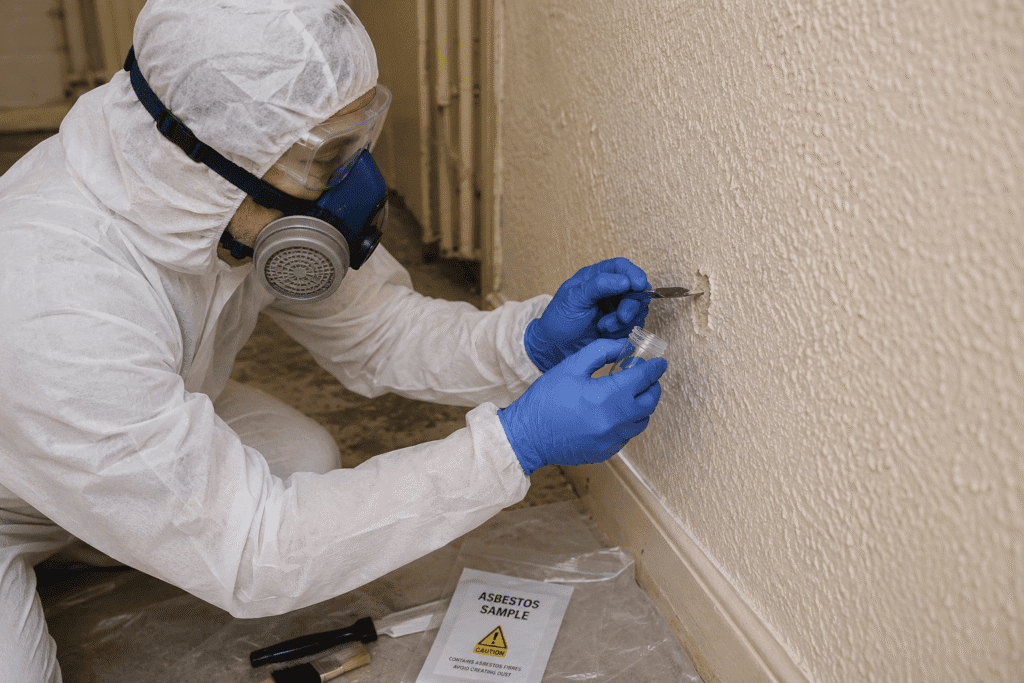
A qualified asbestos inspector or surveyor can assess the property, identify suspect materials, and determine whether sampling is appropriate. The professional will generally consider the building’s age, previous renovations, material type, current condition, and planned activities.
During an inspection, the professional may examine accessible areas and document the location, condition, and extent of suspected asbestos-containing materials. If laboratory confirmation is required, the inspector can collect representative samples using appropriate procedures designed to minimize fiber release. The sampling method depends on the material, its condition, and the circumstances of the inspection.
Professional assessment is particularly important before renovation, remodeling, demolition, or repairs that could disturb building components. In some cases, an inspection may also identify materials that should simply remain undisturbed and be monitored. In other cases, damaged materials may require isolation, repair, enclosure, or removal by appropriately trained specialists.
When choosing a service provider, ask about asbestos-specific training, applicable licensing or accreditation, sampling procedures, laboratory arrangements, and the written report you will receive. Requirements vary by location, so verify the relevant local regulations before arranging work.
How Laboratory Testing for Asbestos Works
Laboratory analysis is the most reliable way to determine whether a properly collected building-material sample contains asbestos. The laboratory uses specialized instruments and analytical procedures to examine the material’s composition and identify asbestos minerals where present.
One commonly used technique is polarized light microscopy (PLM). It examines optical characteristics that help trained analysts distinguish asbestos fibers from other minerals. PLM is widely used for many bulk building-material samples, although certain materials and sample conditions may require additional preparation or a different analytical method.
Another technique is transmission electron microscopy (TEM). This method can identify very small fibers and provide more detailed information about their structure and composition. It may be used for particular materials or investigations where the additional analytical detail is necessary.
The appropriate method depends on the type of sample, the question being investigated, and the laboratory’s validated procedures. Not every test is suitable for every material. For example, specialized methods may be needed for some flooring products, composite materials, or samples with complex mineral compositions.
A written laboratory report should state the material analyzed, the method used, and the findings. Ask the inspector or laboratory to explain any limitations, especially if only a small portion of a larger or mixed material was sampled.
Can You Use a Home Asbestos Testing Kit?
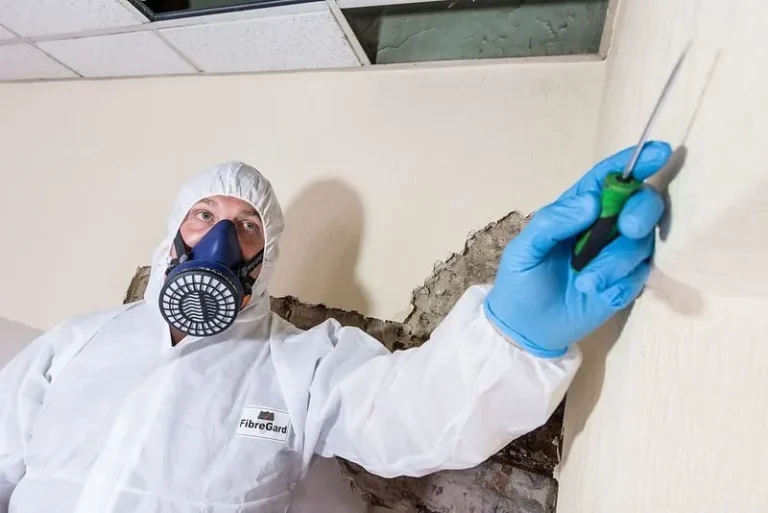
Home asbestos testing kits are sometimes marketed as an affordable way to investigate suspicious materials. These kits generally involve collecting a sample and sending it to a laboratory. However, the availability and quality of such services vary, and collecting a sample yourself can create an exposure risk.
The main concern is not necessarily the laboratory analysis itself; it is the sampling process. Cutting, scraping, breaking, or removing building materials may release asbestos fibers into the air. Without suitable training, equipment, and containment procedures, a person may contaminate clothing, tools, nearby surfaces, or other areas of the property.
If you are considering a testing kit, verify the laboratory’s qualifications, the analytical method, the instructions for safe handling, and whether the service is appropriate for your particular material. Do not assume that a kit eliminates the need for professional sampling.
For damaged insulation, friable materials, large areas, or locations where renovation is planned, professional assessment is the safer option. Never use a household vacuum cleaner or ordinary dusting methods to clean suspected asbestos debris.
What Should You Do if Asbestos Is Found?
A positive asbestos result does not automatically mean that every material must be removed immediately. The appropriate response depends on the product’s condition, its location, the likelihood of disturbance, and the intended use of the building.
If the material is intact and unlikely to be disturbed, a professional may recommend leaving it in place, documenting its location, and monitoring its condition. In certain circumstances, sealing or enclosing the material may be appropriate. These decisions should be made according to the material’s characteristics and applicable safety requirements.
If asbestos-containing material is damaged, deteriorating, or likely to be disturbed during construction, a specialist should evaluate the situation. Professional repair, enclosure, or removal may be necessary. Removal is not always the preferred option because disturbing asbestos can increase fiber release if the work is not properly controlled.
Do not attempt to remove asbestos insulation, roofing, ceiling boards, or other suspected products yourself. Avoid sweeping debris, sanding surfaces, or using ordinary vacuum cleaners. If the material has been disturbed, stop work, keep people away from the affected area, and contact a qualified asbestos professional for guidance.
What If You Suspect Airborne Asbestos Fibers?
Sometimes the concern is not limited to a building material. You may suspect that asbestos fibers have entered the air because construction work damaged an older product or because debris was improperly handled. In such situations, avoid further disturbance and seek professional advice promptly.
Air monitoring can be performed by trained specialists using appropriate sampling equipment and analytical methods. Depending on the situation, the investigation may involve airborne fiber sampling, assessment of the affected area, and examination of potential contamination pathways.
Air testing and bulk material testing answer different questions. A bulk sample helps determine whether a particular building material contains asbestos. An air sample evaluates airborne fibers under the conditions and during the period in which sampling occurs. A negative air test does not prove that all building materials are asbestos-free, nor does it guarantee that fibers were never released previously.
If exposure is suspected, leave the affected area and avoid carrying potentially contaminated dust into clean spaces. Do not shake out clothing or attempt to clean the area yourself. Seek advice from an asbestos professional about safe handling and decontamination procedures.
How Much Does Asbestos Testing Cost?
The cost of asbestos testing varies according to the location, the number and type of materials involved, the accessibility of the building, and whether an inspection or air monitoring is required. A simple laboratory analysis of a properly collected sample may cost less than a comprehensive building survey.
Professional inspection fees may include the site visit, risk assessment, sample collection, laboratory analysis, documentation, and recommendations. Additional costs may apply when several materials need testing or when specialized analytical methods are necessary.
Before arranging a service, request a written quotation explaining what is included. Ask whether the price covers sample collection, laboratory charges, travel, and the final report. You should also confirm whether follow-up visits or additional samples will cost extra.
Choosing the lowest-priced service is not always the best decision. Proper sampling, reliable laboratory analysis, and clear reporting are important for making safe decisions about a property. Compare providers based on qualifications, experience, applicable accreditation, and the scope of their work rather than price alone.
Common Mistakes to Avoid When Testing for Asbestos
People sometimes make avoidable mistakes when trying to investigate older building materials. One common error is assuming that a material is safe because it looks modern, clean, or undamaged. Appearance alone cannot establish its composition.
Another mistake is breaking off a small piece to inspect it personally. Even a brief disturbance can release fibers, depending on the material and the way it is handled. Similarly, sweeping dust or using a household vacuum after suspected asbestos has been disturbed may spread contamination.
It is also unwise to rely exclusively on the building’s age, a contractor’s informal opinion, or an unverified online identification guide. These sources may provide useful background information, but they cannot replace appropriate professional assessment and laboratory analysis.
Finally, do not begin renovation work while the status of suspect materials remains unresolved. Planning an inspection before work begins can reduce exposure risks, prevent unexpected delays, and help ensure that any necessary controls are arranged in advance.
Conclusion
Knowing how to test for asbestos is an important part of maintaining a safe home or workplace, especially when dealing with older buildings and planned renovations. Although certain construction products may raise suspicion, visual inspection cannot reliably confirm the presence of asbestos. Professional assessment and appropriate laboratory analysis provide a more dependable way to identify potentially hazardous materials.
If you suspect asbestos, avoid touching, cutting, drilling, or removing the material. Keep people away from damaged areas and seek guidance from a qualified asbestos professional. Depending on the findings, the safest response may involve monitoring intact material, arranging suitable containment, or hiring a trained specialist for repair or removal.
Taking these precautions before renovation or demolition can help prevent unnecessary exposure and support informed decisions about property maintenance. The most important principle is simple: do not disturb a suspicious material until its risks have been properly assessed.