

Introduction
When people ask where does asbestos come from, the answer begins deep beneath the Earth’s surface. Asbestos is not a manufactured chemical but a naturally occurring group of fibrous minerals that develops through geological processes. These minerals can be found in rocks in different parts of the world and have been extracted for their unusual combination of strength, flexibility, heat resistance, and durability. For centuries, people have recognized some of these properties, while large-scale mining and industrial use expanded significantly during the nineteenth and twentieth centuries.
Asbestos is a general term for several naturally occurring silicate minerals that form long, thin, separable fibers. The fibers can be woven, mixed into materials, or incorporated into products designed to withstand heat and wear. Understanding where does asbestos come from also requires looking at the geological conditions that create these minerals, the regions where deposits occur, and how raw asbestos is transformed into commercial materials.
What Is Asbestos?
Asbestos is not a single mineral. It is a group of naturally occurring minerals characterized by their fibrous structure. The two main mineral families traditionally associated with asbestos are serpentine and amphibole. Chrysotile belongs to the serpentine family, while minerals such as crocidolite, amosite, anthophyllite, tremolite, and actinolite belong to the amphibole group when they occur in an asbestos form.
The distinctive structure of asbestos fibers is responsible for many of the characteristics that made them attractive to industry. Individual fibers can be extremely thin while remaining strong and resistant to heat. They can also resist many chemical reactions and tolerate considerable physical stress. These properties led manufacturers to incorporate asbestos into insulation, cement products, roofing materials, fire-resistant products, textiles, and numerous other applications. However, the same microscopic fibers that made asbestos useful can become a serious health hazard when airborne and inhaled.
Where Does Asbestos Come From Naturally?
So, where does asbestos come from in geological terms? It develops naturally within certain types of rock when minerals undergo changes caused by heat, pressure, fluids, and chemical reactions over long periods. The precise conditions differ depending on the type of asbestos involved. Geological processes can alter existing minerals and produce the fibrous structures associated with asbestos deposits.
Chrysotile, for example, is commonly associated with serpentine rocks. These rocks can develop when certain magnesium-rich rocks are altered by water and other geological processes. Amphibole asbestos can form under different geological conditions involving metamorphic rocks and mineral transformations. Because these processes occur naturally underground, asbestos deposits can be present in many geological environments.
The resulting mineral may remain embedded inside rock formations for millions of years. It only becomes a practical source of asbestos when geological deposits are exposed, identified, and mined.
How Does Asbestos Form?
The formation of asbestos is connected to geological processes known as metamorphism and mineral alteration. Rocks deep underground are exposed to changes in temperature, pressure, and chemical conditions. Fluids moving through cracks and fractures can also alter minerals and contribute to the development of fibrous structures.
In some environments, magnesium-rich rocks interact with water, producing minerals associated with serpentine formations. Under suitable conditions, chrysotile fibers can develop within these rocks. Amphibole minerals arise through different combinations of temperature, pressure, and chemical composition.
This means that the answer to where does asbestos come from is closely connected to the Earth’s geological history. Asbestos does not suddenly appear as a manufactured substance. Instead, it develops through natural mineral-forming processes that can take place over extremely long periods. The deposits can later become accessible through erosion, geological exposure, or mining.
Major Asbestos-Producing Regions
Historically, asbestos deposits have been identified in numerous countries. Major commercial production has occurred in places including Canada, Russia, South Africa, China, Brazil, and several other regions. The scale and type of asbestos production have varied significantly between countries and across different historical periods.
Russia has historically been one of the world’s major sources of chrysotile asbestos. Canada was also a major producer, particularly in Quebec, where extensive chrysotile deposits supported a large mining industry for many decades. South Africa became historically important for several amphibole asbestos varieties, while Brazil has also been associated with significant chrysotile production.
Knowing where does asbestos come from therefore involves both geology and geography. Deposits are not distributed evenly around the planet. Their presence depends on particular geological formations and mineral conditions.
How Is Asbestos Extracted From Rock?
Raw asbestos is obtained by mining deposits where asbestos-bearing rock occurs. Depending on the deposit, mining may involve surface or underground methods. Once the rock is extracted, it can be processed to separate asbestos fibers from surrounding material.
Historically, mining operations used crushing, screening, separation, and other processing techniques to recover the fibers. The resulting material could then be graded according to characteristics such as fiber length and quality. Longer fibers were particularly valuable for certain industrial applications because they could be spun or incorporated into specialized materials.
Mining asbestos can create significant environmental concerns because disturbing asbestos-bearing rock can release fibers and dust. Modern regulations in many jurisdictions have therefore placed strict controls on asbestos mining, processing, handling, and disposal.
Why Was Asbestos Used So Widely?
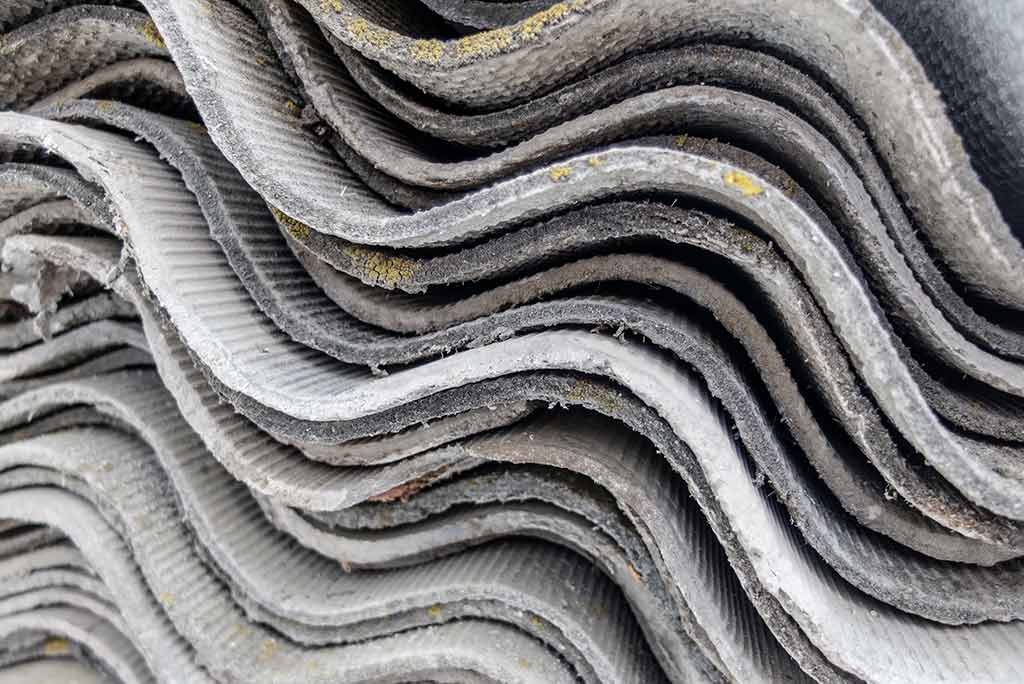
One reason asbestos became so popular was its unusual combination of physical and chemical properties. It can resist heat and fire, tolerate many chemicals, provide insulation, and reinforce other materials. It is also relatively durable and can be incorporated into cement and other products.
These characteristics made asbestos attractive to industries ranging from construction and manufacturing to transportation and shipbuilding. It was used in products such as insulation, roofing materials, floor tiles, cement sheets, brake components, and fire-resistant equipment.
The historical popularity of asbestos helps explain why people continue to encounter it today, particularly in older buildings and products. Although many countries have restricted or banned certain asbestos uses, materials installed decades ago can still remain in buildings.
Where Can Naturally Occurring Asbestos Be Found?
Naturally occurring asbestos can exist in areas where asbestos-forming minerals are present in bedrock or soil. It may be exposed naturally through erosion, weathering, construction, excavation, or other disturbances. In some locations, asbestos-containing rocks may occur close to the surface.
Naturally occurring asbestos is not necessarily a danger simply because it exists in the ground. Risk depends on factors such as the type of mineral, concentration, accessibility, and whether fibers can become airborne. Activities that disturb asbestos-bearing rocks or soil can increase the possibility of exposure.
This distinction is important when considering where does asbestos come from. Asbestos can have a natural geological origin, but human activities can change how easily its fibers enter the surrounding environment.
Why Is Asbestos Dangerous?
The major health concern associated with asbestos is inhalation of airborne fibers. When asbestos-containing materials are damaged, cut, drilled, sanded, demolished, or otherwise disturbed, microscopic fibers can potentially become airborne. People who inhale these fibers may face serious health risks.
Long-term asbestos exposure has been associated with diseases including asbestosis, lung cancer, and mesothelioma. The risks are particularly important for people who experience repeated or occupational exposure. Diseases linked to asbestos may develop many years or even decades after exposure.
For this reason, asbestos-containing materials should not be casually disturbed. If an older building or material is suspected of containing asbestos, professional assessment and appropriate safety procedures are generally recommended.
Asbestos in Older Buildings
Although asbestos mining and use have declined substantially in many countries, asbestos-containing materials can remain in older buildings. It was commonly incorporated into construction products because of its resistance to heat, fire, and wear.
Possible asbestos-containing materials in older structures may include insulation, roofing products, cement sheets, floor tiles, pipe insulation, textured coatings, and certain older industrial materials. However, appearance alone cannot reliably confirm whether a particular material contains asbestos.
Understanding where does asbestos come from can therefore help explain why it may still be present today. The original mineral came from geological deposits, but decades of manufacturing and construction transformed it into products that can remain in buildings long after their installation.
Environmental Impact of Asbestos Mining
Asbestos extraction can affect the environment through land disturbance, waste rock, dust generation, and changes to local landscapes. Mining and processing can disturb large quantities of rock, while poorly controlled operations may release mineral fibers into surrounding areas.
Mine waste can also remain after commercial production ends. Managing former asbestos-mining sites may require measures designed to prevent erosion and minimize the disturbance of asbestos-containing materials.
Environmental concerns are one reason asbestos management involves more than simply controlling its use in manufactured products. The complete lifecycle can include extraction, processing, transportation, manufacturing, installation, maintenance, demolition, and disposal.
Modern Understanding of Asbestos
Today, asbestos is primarily discussed in the context of occupational safety, environmental protection, and public health. Scientific research has established that exposure to asbestos fibers can cause serious diseases, leading governments and organizations to introduce regulations governing its use and handling.
The rules differ between countries and may change over time. Some nations have prohibited asbestos use broadly, while others permit limited uses of certain asbestos types under controlled conditions. Existing asbestos-containing materials may also be subject to specific requirements concerning inspection, maintenance, removal, and disposal.
The modern approach focuses strongly on preventing unnecessary fiber release. This is especially important during renovation and demolition projects involving older structures.
Conclusion
The question where does asbestos come from ultimately leads back to the natural geological processes of the Earth. Asbestos is a group of naturally occurring fibrous minerals that forms under specific geological conditions within certain rocks. Chrysotile and amphibole asbestos varieties develop through different mineral-forming processes, and deposits have historically been mined in several regions around the world.
Although asbestos was valued for its heat resistance, strength, durability, and insulating properties, its fibers can pose serious health risks when inhaled. Its natural origin does not make it harmless, and disturbing asbestos-bearing rock or older asbestos-containing materials can create exposure concerns. Understanding its geological origins, historical uses, and potential hazards is an important part of responsible asbestos awareness and management.