

Introduction
If you have ever encountered an older building, construction material, industrial product, or insulation system, you may have wondered what is asbestos and why it receives so much attention. Asbestos is a naturally occurring group of fibrous minerals known for their strength, heat resistance, and ability to withstand many chemical conditions. These characteristics made asbestos valuable for construction, manufacturing, transportation, and other industrial applications for many decades. It was incorporated into products such as insulation, roofing materials, cement products, floor tiles, and fire-resistant components. However, asbestos fibers can become a serious health hazard when they are released into the air and inhaled. Understanding its characteristics, historical applications, potential risks, and safe handling practices is important, particularly when dealing with older structures or materials that may contain it.
What Is Asbestos?
So, what is asbestos in simple terms? Asbestos refers to a group of naturally occurring mineral fibers rather than a single mineral. These minerals form long, thin, microscopic fibers that can separate into extremely fine strands. Their physical properties include considerable tensile strength, resistance to heat, resistance to fire, and durability. These qualities made asbestos attractive for numerous commercial and industrial purposes.
There are several minerals classified as asbestos, with chrysotile being the most widely used historically. Other recognized asbestos types include amosite, crocidolite, anthophyllite, tremolite, and actinolite. Although their physical characteristics differ somewhat, all asbestos types can present health concerns when respirable fibers are inhaled. The danger is particularly associated with disturbing asbestos-containing materials in ways that release microscopic fibers into the surrounding air.
Why Was Asbestos Widely Used?
The answer to what is asbestos also becomes clearer when its historical popularity is considered. Asbestos offered a combination of properties that was difficult to obtain from many other materials. It was strong while remaining relatively lightweight, resisted high temperatures, and could be incorporated into different products. Manufacturers used it in situations where durability and fire resistance were important.
During much of the twentieth century, asbestos became common in construction and manufacturing. It was used in insulation, roofing, wall materials, flooring, pipes, boilers, electrical components, and various industrial products. Its ability to resist heat also made it useful around equipment exposed to high temperatures. However, the extensive historical use of asbestos resulted in its presence in many older buildings and products, which means that asbestos exposure can still be relevant today even where its use has been restricted or discontinued.
Main Types of Asbestos
Asbestos is generally divided into two mineral groups: serpentine and amphibole. Chrysotile belongs to the serpentine group and has historically accounted for most commercial asbestos use. Its fibers are curly and flexible compared with the straighter fibers associated with amphibole asbestos.
Amphibole asbestos includes amosite, crocidolite, anthophyllite, tremolite, and actinolite. These minerals have straighter, more rigid fibers. The different types have been used in various industrial applications, although their presence and use have varied by country and industry. Regardless of the particular type, asbestos-containing materials should be treated carefully because identifying asbestos by appearance alone is unreliable. Professional assessment and appropriate laboratory testing may be necessary when determining whether a material contains asbestos.
Where Can Asbestos Be Found?
People researching what is asbestos often want to know where it can be encountered. Historically, asbestos was incorporated into a broad range of building and industrial products. In older structures, it may be present in insulation around pipes and boilers, roofing materials, floor tiles, ceiling products, cement sheets, textured coatings, and other construction materials.
Asbestos may also have been used in certain automotive components, electrical products, industrial equipment, and heat-resistant materials. However, the presence of asbestos cannot reliably be determined simply by looking at a material. Two materials that appear identical may have completely different compositions.
The age of a building can provide useful context, but age alone does not confirm asbestos. Renovation records, product information, professional inspections, and laboratory analysis may be needed to establish whether asbestos is present.
How Does Asbestos Become Dangerous?
Asbestos-containing material does not necessarily create the same level of risk under every circumstance. The primary concern arises when materials are damaged, cut, drilled, sanded, broken, demolished, or otherwise disturbed in a manner that releases fibers into the air.
These fibers are extremely small and can remain airborne for some time. A person who inhales them may unknowingly introduce them deep into the respiratory system. This is why understanding what is asbestos is important for homeowners, workers, renovation professionals, and building managers.
Materials that remain intact and undisturbed may release considerably fewer fibers than damaged or improperly handled materials. Nevertheless, suspected asbestos should not be disturbed simply to determine what it is. Appropriate professional procedures should be followed whenever asbestos-containing material is suspected.
Health Effects Associated With Asbestos Exposure

One of the most important reasons for learning what is asbestos involves its potential effects on human health. Inhalation of asbestos fibers has been associated with several serious diseases. These include asbestosis, lung cancer, and mesothelioma. Asbestos exposure has also been associated with cancers affecting other parts of the body.
Asbestosis is a chronic lung condition involving scarring of lung tissue. It can develop after significant exposure and may cause breathing difficulties and other respiratory problems. Mesothelioma is a rare cancer affecting tissues such as the lining of the lungs or abdomen and is strongly associated with asbestos exposure.
Health effects generally do not appear immediately after exposure. Some asbestos-related diseases can develop decades after the initial exposure, making occupational history and previous environmental exposure important considerations when assessing potential risk.
Asbestos Exposure in the Workplace
Certain occupations have historically involved greater opportunities for asbestos exposure. Construction workers, demolition workers, insulation installers, maintenance personnel, shipyard workers, industrial workers, and others who work around older materials may encounter asbestos.
The risk depends on factors such as the type of material, condition of the material, duration of exposure, work practices, and protective measures. Workers should not assume that ordinary dust masks or improvised precautions provide adequate protection when asbestos may be present.
Employers and contractors working with suspected asbestos-containing materials should follow applicable occupational health and safety requirements. Specialized training, controlled work procedures, appropriate respiratory protection, protective clothing, containment, and proper waste handling may be required depending on the situation and local regulations.
Asbestos in Older Homes and Buildings
Older homes and buildings can contain asbestos in unexpected locations. A homeowner may encounter potentially asbestos-containing materials during remodeling, repairs, flooring replacement, roofing work, or demolition.
The safest approach is to avoid disturbing suspicious materials until they have been appropriately assessed. Drilling into a wall, removing old flooring, cutting insulation, or sanding a textured surface without knowing its composition can potentially release fibers if asbestos is present.
It is important to remember that visual inspection is not a dependable way to identify asbestos. Materials should be evaluated by qualified professionals when there is a reasonable possibility of asbestos. Local regulations may also specify who can inspect, sample, remove, transport, and dispose of asbestos-containing materials.
How Is Asbestos Identified?
Understanding what is asbestos does not mean that a person can identify it simply by looking at a product. Asbestos fibers are microscopic, and many asbestos-containing materials look similar to ordinary construction products.
Professional asbestos identification generally involves an assessment of the building or material and, where appropriate, collection of a sample using controlled procedures. The sample can then be examined by a qualified laboratory using appropriate analytical techniques.
If asbestos is suspected, people should avoid breaking, scraping, drilling, sanding, or otherwise manipulating the material. Professional testing is particularly important before major renovation or demolition projects in older structures where asbestos may historically have been used.
Safe Management of Asbestos
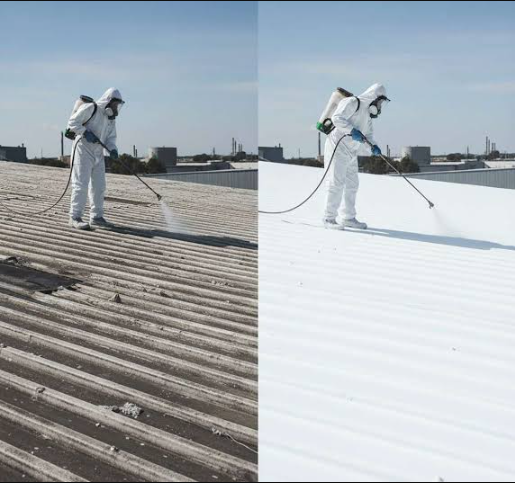
Not every asbestos-containing material needs immediate removal. In some circumstances, an intact material may be managed in place when it is unlikely to be disturbed. The appropriate approach depends on the material’s condition, location, accessibility, planned activities, and applicable regulations.
Where removal is necessary, it should generally be performed by appropriately trained and qualified professionals using procedures designed to prevent fiber release. The work area may need to be isolated, and specialized equipment and waste-handling procedures may be required.
Attempting to remove suspected asbestos as an ordinary do-it-yourself renovation project can increase exposure risks. Anyone planning renovation work on an older property should consider professional assessment before disturbing materials that could contain asbestos.
Preventing Asbestos Exposure
Prevention begins with recognizing situations in which asbestos might be present. Property owners can maintain records about building materials and previous renovations, while workers can receive appropriate training before performing tasks that may disturb older construction products.
Good maintenance can also help prevent deterioration of materials. Damaged areas should be evaluated rather than casually repaired or disturbed. During renovation or demolition, suspected asbestos-containing materials should be assessed before work begins.
For workplaces, an asbestos management plan can help identify known or suspected materials, communicate hazards to workers, establish procedures for maintenance, and determine when professional intervention is necessary. These measures reduce the likelihood of accidental fiber release.
Regulations and Asbestos Use
Rules governing what is asbestos, how it can be used, and how asbestos-containing materials must be handled vary between countries and jurisdictions. Many countries have restricted or prohibited certain asbestos products, while regulations concerning existing asbestos-containing materials may focus on identification, worker protection, removal, transportation, and disposal.
Because regulations can change, property owners and contractors should consult the current requirements that apply to their location and project. A material that was legally installed decades ago may still remain in an existing building even if its use is now restricted.
What Should You Do If You Suspect Asbestos?
If you suspect that a material contains asbestos, the most important step is to avoid unnecessary disturbance. Do not cut, drill, sand, scrape, break, or remove the material simply to investigate it.
Instead, consider contacting a qualified asbestos professional or appropriately accredited testing service. They can assess the material and determine whether testing is appropriate. If asbestos is confirmed, professionals can explain whether monitoring, encapsulation, controlled removal, or another management approach is appropriate.
People who believe they may have experienced significant occupational asbestos exposure should also keep a record of their work history and discuss relevant concerns with a qualified healthcare professional. Medical evaluation can help address individual circumstances without assuming that exposure will necessarily result in disease.
Common Misconceptions About Asbestos
There are several misconceptions surrounding what is asbestos. One common misunderstanding is that every asbestos-containing material is immediately dangerous simply because asbestos is present. In reality, risk depends substantially on whether fibers can become airborne and be inhaled.
Another misconception is that asbestos can always be recognized visually. Because asbestos fibers are microscopic, appearance alone cannot reliably establish whether a material contains asbestos.
Some people also assume that a single brief encounter automatically causes an asbestos-related disease. Health outcomes depend on numerous factors, including exposure characteristics and individual circumstances. Nevertheless, unnecessary exposure should always be avoided because asbestos is a recognized health hazard.
Conclusion
Understanding what is asbestos is important because the material has a long industrial history and can still be encountered in older buildings and products. Its strength, durability, and resistance to heat made it valuable for many applications, but inhaling airborne asbestos fibers can cause serious diseases, including asbestosis, lung cancer, and mesothelioma. The safest approach is to avoid disturbing suspected asbestos-containing materials and seek qualified professional assessment when renovation, repair, or demolition could affect them. Awareness, proper identification, responsible management, and compliance with local safety requirements can significantly reduce unnecessary exposure. By learning about asbestos and treating suspected materials with appropriate caution, homeowners, workers, and building managers can make safer decisions when dealing with older construction and industrial materials.