


Introduction
What is asbestos poisoning? The term is commonly used to describe health problems caused by inhaling asbestos fibers. Asbestos is a group of naturally occurring mineral fibers that were widely used in construction, insulation, manufacturing, automotive products, and other industries because of their strength and resistance to heat. When asbestos-containing materials are damaged, cut, drilled, sanded, demolished, or disturbed, tiny fibers can become airborne and enter the lungs. The body has difficulty removing these fibers, and prolonged or substantial exposure can contribute to serious diseases. Unlike some forms of poisoning that cause immediate symptoms, asbestos-related illnesses often develop slowly over many years. Understanding what asbestos exposure is, where it can occur, what symptoms may appear, and how risks can be reduced is important for workers, homeowners, and anyone involved in renovation or demolition activities.
Understanding Asbestos Exposure
Asbestos exposure occurs when a person breathes in airborne asbestos fibers. The fibers are extremely small and may remain suspended in the air when asbestos-containing materials are disturbed. Once inhaled, some fibers can become trapped deep within the respiratory system. The body’s natural defense mechanisms may attempt to remove them, but certain fibers can remain in lung tissue for a long time. Repeated exposure can increase the likelihood of developing asbestos-related disease.
The risk depends on several factors, including the amount of asbestos inhaled, how frequently exposure occurred, how long exposure lasted, and the type of asbestos fibers involved. Occupational exposure has historically been an important concern for construction workers, insulation installers, shipyard workers, miners, mechanics, and people involved in asbestos removal. However, exposure can also happen in older buildings when materials containing asbestos are disturbed. Simply being near an intact asbestos-containing material does not necessarily mean that dangerous exposure has occurred, but damaged or deteriorating materials can require professional assessment.
What Happens After Asbestos Fibers Enter the Body?
When asbestos fibers are inhaled, some may travel through the upper airways into the lungs. Very small fibers can reach the deepest parts of the respiratory system, where they may become embedded in tissue. The body can react with inflammation and attempts to isolate or remove the fibers. Over time, persistent inflammation and tissue damage may contribute to scarring and other biological changes.
This process helps explain why asbestos-related diseases can have a long latency period. A person may have no obvious symptoms for decades after exposure. The absence of immediate symptoms does not necessarily indicate that exposure was harmless. At the same time, exposure does not mean that a person will definitely develop an asbestos-related illness. Individual risk varies considerably. Because these diseases can develop slowly, people with significant occupational or environmental exposure histories should discuss their circumstances with an appropriate healthcare professional.
Common Diseases Associated With Asbestos
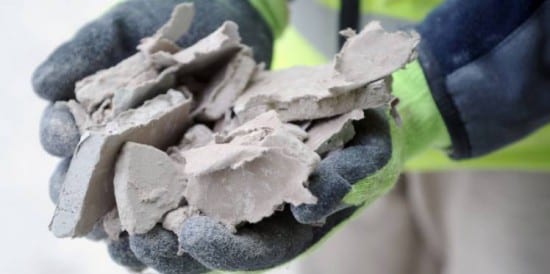
Asbestos exposure has been associated with several serious health conditions. One of the best-known is asbestosis, a chronic lung disease involving scarring of lung tissue. Asbestosis can make breathing increasingly difficult and may cause persistent respiratory problems.
Asbestos exposure is also associated with certain forms of lung cancer. The risk can be particularly concerning when asbestos exposure occurs alongside cigarette smoking. Another serious disease is mesothelioma, a rare cancer that can affect the lining around the lungs and, less commonly, other tissues. Mesothelioma is strongly associated with asbestos exposure and may develop many years after the original exposure.
Asbestos can also contribute to cancers involving other parts of the body. Because these conditions may have different symptoms and causes, medical evaluation is important when someone has a history of significant asbestos exposure and develops persistent respiratory or other concerning symptoms.
Symptoms of Asbestos-Related Illness
One important feature of asbestos-related disease is that symptoms may not appear immediately. Depending on the condition, symptoms can emerge many years after exposure. Common respiratory symptoms may include persistent coughing, shortness of breath, chest discomfort, reduced exercise tolerance, and unusual tiredness. Some individuals may experience symptoms that gradually become more noticeable over time.
The symptoms themselves are not specific to asbestos-related disease. Persistent coughing or breathing difficulties can have many possible causes, including asthma, infections, chronic obstructive pulmonary disease, heart problems, and other lung conditions. Therefore, symptoms alone cannot establish that asbestos exposure caused a particular illness.
A person with a known history of occupational asbestos exposure should tell their healthcare provider about that history. This information can help the clinician consider appropriate diagnostic testing and determine whether additional monitoring may be useful.
How Is Asbestos-Related Disease Diagnosed?
There is no simple test that can immediately determine whether someone has been affected by asbestos. Diagnosis generally begins with a detailed medical and occupational history. A healthcare professional may ask about previous jobs, industries, building environments, duration of exposure, smoking history, and respiratory symptoms.
Depending on the situation, doctors may use imaging studies such as chest X-rays or computed tomography scans to examine the lungs and surrounding tissues. Pulmonary function tests can also help measure how effectively the lungs work. If cancer or another serious disease is suspected, additional tests may be necessary.
It is important to distinguish between evidence of asbestos exposure and evidence of asbestos-related disease. A person may have been exposed without developing an illness, while a person with symptoms may have another condition entirely. Professional medical evaluation is therefore essential rather than relying on self-diagnosis.
Who Is Most at Risk?
Historically, workers in industries that frequently used asbestos have faced some of the highest exposure risks. Construction and demolition workers, shipyard employees, insulation workers, industrial workers, miners, and certain manufacturing employees may encounter asbestos-containing materials depending on their work environment.
People working in older buildings can also face potential exposure when renovation or repair activities disturb hidden materials. Family members of heavily exposed workers have historically faced another possible pathway of exposure when asbestos fibers were carried home on contaminated clothing or equipment.
Risk is not determined solely by a person’s occupation. The condition of asbestos-containing materials, the type of work being performed, ventilation, protective measures, and duration of exposure can all influence potential exposure. Proper workplace controls and professional handling procedures are important for reducing the release and inhalation of airborne fibers.
Asbestos in Older Buildings
Asbestos was used in numerous building materials because it provided insulation, durability, and resistance to heat. Depending on the age and construction of a building, asbestos-containing materials may have been used in insulation, roofing products, flooring materials, cement products, pipe coverings, and other components.
The presence of asbestos in an older building does not automatically mean that people inside are being exposed. Materials that remain intact and undisturbed may pose considerably less risk than damaged materials that release fibers into the air. The greatest concern often arises when renovation, repair, drilling, cutting, or demolition disturbs materials that contain asbestos.
For this reason, people should avoid disturbing suspicious materials in older structures simply to determine what they contain. Identification and removal, where necessary, should be handled according to applicable safety requirements and by appropriately trained professionals.
Prevention and Reducing Exposure
The most effective way to prevent asbestos-related disease is to reduce or eliminate exposure to airborne asbestos fibers. People should not intentionally disturb materials that may contain asbestos. During renovation or demolition of older structures, appropriate assessment should be performed before work begins when asbestos may be present.
Workers who may encounter asbestos should follow workplace safety procedures and use appropriate protective equipment and engineering controls. Professional asbestos abatement teams can assess materials, establish containment procedures, and use specialized methods to minimize fiber release.
Good practices also include following local regulations, maintaining proper ventilation and containment during authorized work, and preventing contaminated dust from spreading to other areas. Individuals should avoid sweeping or handling potentially contaminated debris without appropriate precautions. Preventing exposure is particularly important because asbestos fibers can be difficult to detect visually once they become airborne.
Treatment for Asbestos-Related Conditions
There is currently no treatment that simply removes asbestos fibers from the lungs after they have become embedded in tissue. Treatment instead focuses on the specific disease and the person’s symptoms. For example, individuals with lung scarring may receive medical care designed to manage breathing problems and maintain quality of life.
Cancer associated with asbestos exposure may require treatments such as surgery, chemotherapy, radiation therapy, immunotherapy, or combinations of these approaches, depending on the specific cancer, stage, and overall health of the patient. Treatment decisions should always be made with qualified healthcare professionals.
People who have had significant asbestos exposure should also discuss smoking cessation with a healthcare professional if they smoke. Smoking combined with asbestos exposure can substantially increase the risk of lung cancer. Regular medical care can help address symptoms and other risk factors appropriately.
When Should You Seek Medical Advice?
Anyone experiencing persistent breathing difficulties, a long-lasting cough, unexplained chest discomfort, or other concerning symptoms should seek medical advice, particularly if they have a history of occupational or environmental asbestos exposure. Medical attention is especially important when symptoms are new, worsening, or interfering with everyday activities.
A doctor can review the person’s exposure history and determine whether further evaluation is appropriate. People should provide as much information as possible about previous jobs, workplaces, renovation activities, or known contact with asbestos-containing materials. This background can help healthcare professionals assess potential risk more accurately.
It is also important not to panic after a possible exposure. A single suspected exposure does not automatically mean that a person will develop an asbestos-related disease. However, avoiding further exposure and obtaining professional advice when appropriate are sensible steps.
Why Awareness About Asbestos Matters
Understanding what asbestos poisoning means is important because asbestos-related diseases often have a long delay between exposure and the appearance of symptoms. People may forget about an exposure that occurred many years earlier, particularly if they changed occupations or moved to another building.
Awareness can help people recognize potential risks before disturbing older materials. It can also encourage workers and employers to follow proper safety procedures. Public knowledge is especially valuable during renovation and demolition because activities that break apart old building materials can potentially release hazardous fibers.
The key message is that asbestos should be treated as a serious occupational and environmental hazard. Appropriate identification, professional handling, exposure prevention, and medical awareness can all help reduce potential harm.
Conclusion
What is asbestos poisoning? It is a commonly used term for health problems associated with inhaling asbestos fibers, although medical professionals generally describe the specific disease or condition rather than using poisoning as a diagnosis. Asbestos exposure can contribute to serious illnesses such as asbestosis, lung cancer, and mesothelioma, often after a long period without obvious symptoms.
Understanding where asbestos may be present and avoiding the disturbance of potentially contaminated materials are important prevention measures. People with significant exposure histories should inform their healthcare providers and seek medical advice if persistent or unusual symptoms develop. With proper awareness, workplace precautions, professional asbestos management, and timely medical attention, unnecessary exposure can be reduced and potential health risks can be addressed more effectively.