

Introduction
Knowing how to test for asbestos is important when dealing with older buildings, renovation projects, insulation, flooring, roofing, or other construction materials that may contain asbestos. Asbestos is a naturally occurring mineral that was widely used because of its resistance to heat, fire, and chemicals. However, disturbing asbestos-containing materials can release microscopic fibers into the air, creating a serious health concern when those fibers are inhaled. Because asbestos fibers cannot be reliably identified simply by looking at a material, proper testing is necessary when asbestos is suspected.
Testing should be approached carefully because collecting or disturbing a sample can itself release fibers. Homeowners, property managers, contractors, and building occupants should avoid cutting, drilling, sanding, scraping, or breaking suspicious materials simply to determine whether asbestos is present. Instead, the safest approach is generally to have the material assessed and, when necessary, sampled by a qualified asbestos professional. Understanding the basic testing process can help people make informed decisions without unnecessarily disturbing potentially hazardous materials.
Why Is Asbestos Testing Important?
Asbestos can be found in many building products, particularly materials installed in older structures. Examples can include certain insulation products, textured coatings, cement products, floor tiles, adhesives, roofing materials, pipe insulation, and some fire-resistant construction materials. The presence of asbestos does not automatically mean that a building is unsafe. The greater concern generally arises when asbestos-containing material is damaged, deteriorating, or disturbed in a way that allows fibers to become airborne.
This is why understanding how to test for asbestos is more useful than trying to identify asbestos by appearance alone. Many asbestos-containing products look similar to materials that do not contain asbestos. A visual inspection may identify materials that deserve further investigation, but it normally cannot confirm their composition. Laboratory analysis of an appropriately collected sample is commonly used to determine whether asbestos fibers are present. Professional testing can therefore provide more reliable information before renovation, demolition, repair, or removal work begins.
Can You Identify Asbestos by Looking at It?
One of the most important things to understand about asbestos is that visual identification is unreliable. Materials containing asbestos can have different colors, textures, shapes, and appearances depending on how they were manufactured and where they were installed. Two products that look almost identical may have completely different compositions.
Age and location can sometimes provide clues, but they do not prove that asbestos is present. For example, an older building containing unusual insulation or resilient flooring may warrant further investigation, but the material should not automatically be labeled asbestos based only on its appearance. Similarly, a material that looks harmless should not automatically be considered asbestos-free.
When researching how to test for asbestos, it is therefore important to distinguish between identifying a material that could contain asbestos and actually confirming its composition. Confirmation generally requires an appropriate sample and laboratory analysis. If there is uncertainty, treating the material as potentially asbestos-containing until it has been professionally evaluated is a safer approach.
When Should You Consider Asbestos Testing?
Asbestos testing may be considered before renovation, remodeling, demolition, or significant repairs in an older building, particularly when construction materials could be disturbed. Testing may also be appropriate when damaged insulation, flooring, ceiling materials, wall finishes, roofing products, or other suspicious materials are discovered.
Property owners may also seek professional assessment when buying or renovating an older property. Contractors can require asbestos information before beginning work because cutting, drilling, sanding, removing, or demolishing certain materials can create airborne dust. The exact requirements vary depending on the country, region, building type, and nature of the work.
Understanding how to test for asbestos is particularly important before starting a project that will disturb unknown building materials. If the material can remain intact and undisturbed, immediate sampling may not always be necessary. A qualified professional can assess the condition of the material and determine whether testing or other precautions are appropriate.
How Professional Asbestos Testing Works
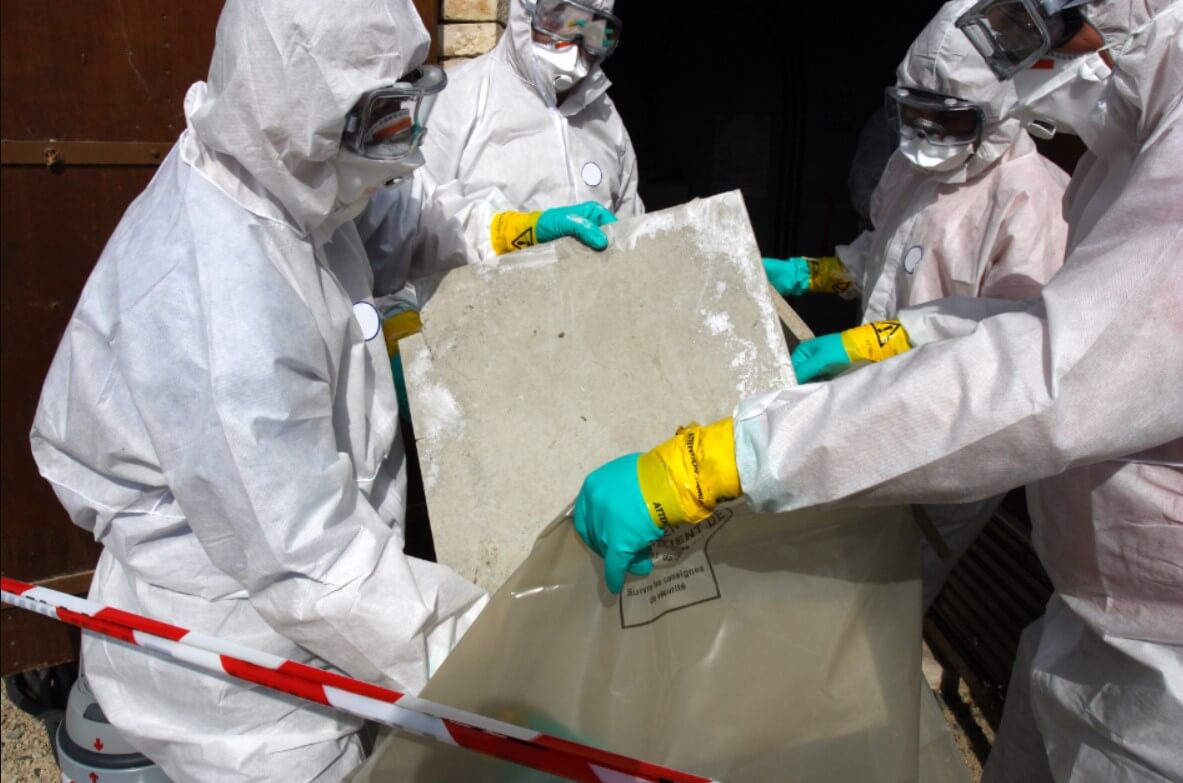
Professional asbestos testing generally begins with an inspection of the building and the materials that may be relevant to the project. A qualified inspector or asbestos professional considers the material’s location, condition, construction history, and intended work. If laboratory confirmation is necessary, the professional may collect samples using appropriate procedures designed to minimize the release of fibers.
The sample is then submitted to a laboratory capable of performing asbestos analysis. Depending on the applicable standards and circumstances, laboratories may use recognized microscopic or analytical techniques to determine whether asbestos is present and, where applicable, identify the type of asbestos. The final report can help determine what precautions or next steps are appropriate.
This professional process explains why how to test for asbestos should not simply mean taking a piece of suspicious material and sending it away without understanding the risks. Sampling itself can disturb the material. Professional assessment helps reduce unnecessary disturbance and provides more dependable information for planning construction or maintenance work.
Why DIY Asbestos Sampling Can Be Risky
People searching for how to test for asbestos may encounter instructions suggesting that they should cut a small piece of material and mail it to a laboratory. Although testing laboratories may accept samples from certain customers, physically collecting a sample from an unknown material can create unnecessary exposure if the material contains asbestos.
Breaking, scraping, drilling, sanding, or cutting a suspect material can release dust and potentially asbestos fibers. Ordinary household cleaning methods may not be suitable for asbestos contamination either. For this reason, homeowners should carefully consider whether professional sampling is more appropriate than collecting their own sample.
The safest choice can depend on the material, its condition, local regulations, and the planned work. If a material is already damaged or has been accidentally disturbed, avoid further disturbance and seek advice from a qualified asbestos professional about appropriate next steps.
What Happens After the Sample Is Tested?
After laboratory analysis, the results generally indicate whether asbestos was detected in the submitted material. If asbestos is not detected, the result applies to the specific sample and material that was tested; it does not necessarily prove that every similar-looking material elsewhere in the building is asbestos-free.
If asbestos is identified, the next step depends on the condition and location of the material. In some situations, leaving an intact material undisturbed may be preferable to removing it. In other situations, particularly when renovation or demolition is planned, specialized management or removal may be necessary.
Understanding how to test for asbestos is therefore only one part of asbestos management. Test results should be interpreted in relation to the building, the material’s condition, and the planned work. A qualified professional can help determine what action is appropriate rather than assuming that every positive result requires immediate removal.
Common Materials That May Require Investigation
Older buildings can contain asbestos in a surprisingly broad range of construction products. Potentially asbestos-containing materials have historically included some floor tiles and their adhesives, pipe and boiler insulation, roofing products, cement sheets, ceiling materials, textured coatings, insulation products, and certain fire-resistant components.
However, the presence of one of these materials does not prove that it contains asbestos. Manufacturing practices changed over time, and products differed between countries and manufacturers. Building age can provide useful context but cannot serve as a definitive test.
If an upcoming project involves disturbing an older material with an uncertain composition, professional assessment is a sensible precaution. Instead of attempting to determine its identity from photographs or appearance, testing can provide evidence that is more useful for planning work safely.
What Should You Do If You Suspect Asbestos?
If you suspect asbestos, avoid disturbing the material unnecessarily. Do not sand, drill, scrape, break, or remove it simply to investigate its composition. Keep people away from visibly damaged areas where practical, especially if dust or debris is present.
The next step can be contacting a qualified asbestos inspector, surveyor, or appropriately trained professional. Depending on your location, there may be licensing, accreditation, or regulatory requirements governing asbestos inspection, sampling, removal, and disposal.
People researching how to test for asbestos should also remember that asbestos management is not limited to laboratory testing. A professional may recommend leaving the material undisturbed, monitoring its condition, encapsulating it, or arranging controlled removal. The appropriate response depends on the specific circumstances.
Asbestos Testing Before Renovation
Renovation is one of the situations where asbestos assessment becomes particularly important. Projects involving walls, ceilings, floors, insulation, plumbing, electrical installations, roofing, or other building components can disturb materials that have remained untouched for decades.
Before starting substantial renovation work in an older property, consider whether an asbestos survey or professional assessment is appropriate. The objective is not simply to find asbestos but to identify materials that could be disturbed by the planned work.
A proper assessment can allow contractors to plan their work around potentially hazardous materials and apply suitable controls. This can reduce the possibility of accidental disturbance and help prevent unexpected delays during construction. It can also clarify whether specialized contractors or procedures are needed.
Frequently Asked Questions
Can asbestos be detected by sight?
No. Some materials may appear suspicious because of their age, location, or appearance, but visual inspection cannot reliably confirm whether asbestos is present. Laboratory analysis of a suitable sample is generally required for confirmation.
Is home asbestos testing safe?
The testing itself can be performed safely when appropriate procedures are followed, but collecting a sample from a potentially asbestos-containing material can create a risk of fiber release. Professional sampling is generally preferable when the material is uncertain or could be disturbed.
Should I remove suspicious material before testing?
No. Removing or disturbing a suspicious material before its composition is known can unnecessarily increase the potential for fiber release. Leave it undisturbed and seek qualified professional advice.
Does a negative test mean the entire building is asbestos-free?
Not necessarily. A laboratory result normally applies to the particular sample that was analyzed. Other materials or areas may require separate assessment if they have different compositions or histories.
What should I do if asbestos is found?
Do not automatically disturb or remove it. Depending on its condition and the planned work, the appropriate response may involve leaving it intact, monitoring it, managing it in place, or arranging controlled removal by qualified professionals.
Conclusion
Learning how to test for asbestos is an important step for anyone dealing with older buildings or materials that may contain asbestos. Because asbestos cannot be reliably identified by appearance alone, professional assessment and appropriate laboratory analysis are generally the most dependable ways to determine whether a suspect material contains asbestos. Most importantly, testing should not involve unnecessary cutting, sanding, drilling, scraping, or breaking of unknown materials.
If asbestos is suspected, keeping the material undisturbed and obtaining advice from a qualified professional can help reduce unnecessary exposure. Testing is especially valuable before renovation, demolition, or other work that could disturb building materials. With appropriate assessment, laboratory confirmation, and careful planning, property owners and contractors can make better-informed decisions about managing potentially asbestos-containing materials.