

Introduction
Asbestos insulation was once considered one of the most effective building materials for heat resistance, fire protection, and soundproofing. For decades, contractors and manufacturers widely used asbestos insulation in homes, offices, factories, schools, and industrial facilities. Although it was praised for its durability and insulating properties, later research revealed that asbestos exposure can cause serious health conditions.
Today, many older buildings still contain asbestos insulation hidden inside walls, ceilings, attics, pipes, and boilers. Property owners often remain unaware of the danger until renovations or damage disturb the material. Once asbestos fibers become airborne, they can enter the lungs and remain there for years, leading to severe respiratory diseases.
Understanding asbestos insulation is important for homeowners, construction workers, landlords, and property managers. Learning how to identify asbestos-containing materials, recognize warning signs, and follow safe handling procedures can reduce exposure risks and protect health.
This detailed guide explains everything about asbestos insulation, including its history, types, appearance, dangers, testing methods, removal procedures, legal concerns, and prevention strategies. Whether you own an older property or simply want to learn more, this article provides valuable insights in an easy-to-understand format.
WebInbound com continues to provide informative content to help readers make informed decisions about environmental safety and home maintenance.
What Is Asbestos Insulation?
Asbestos insulation refers to insulation materials that contain asbestos fibers. These materials were commonly installed in residential, commercial, and industrial structures throughout much of the 20th century.
Manufacturers mixed asbestos into insulation products because it offered several advantages:
- Excellent heat resistance
- Fireproofing capabilities
- Chemical resistance
- Sound insulation
- Durability
- Low production cost
Asbestos insulation was widely used before health authorities confirmed the harmful effects of asbestos exposure. In many countries, asbestos products were heavily regulated or banned after studies linked them to serious illnesses.
However, older structures built before the 1990s may still contain asbestos insulation today.
History of Asbestos Insulation
The use of asbestos dates back thousands of years, but industrial use expanded rapidly during the late 1800s and early 1900s. Builders relied on asbestos insulation during construction booms because it improved fire safety and energy efficiency.
During the mid-20th century, asbestos became one of the most common construction materials worldwide. It appeared in:
- Pipe insulation
- Wall insulation
- Attic insulation
- Ceiling tiles
- Floor tiles
- Roofing materials
- Cement products
By the 1970s, medical research confirmed that asbestos fibers could cause fatal diseases. Governments gradually introduced regulations to limit or ban asbestos use.
Despite these restrictions, millions of older buildings still contain asbestos insulation materials.
Why Was Asbestos Used in Insulation?
Asbestos became popular because of its unique physical properties. It could withstand extremely high temperatures without burning or melting.
Here are some reasons asbestos was added to insulation:
Fire Resistance
Asbestos fibers naturally resist fire, making them ideal for insulation around boilers, pipes, furnaces, and electrical systems.
Thermal Insulation
The material reduced heat transfer, helping buildings maintain indoor temperatures efficiently.
Strength and Durability
Asbestos fibers strengthened insulation products and increased their lifespan.
Moisture Resistance
Asbestos-containing materials resisted water damage better than many alternatives.
Cost-Effective Production
Manufacturers could produce asbestos insulation cheaply and in large quantities.
Types of Asbestos Insulation
Different forms of asbestos insulation were used depending on the application. Understanding these types can help identify potential risks.
Loose-Fill Asbestos Insulation
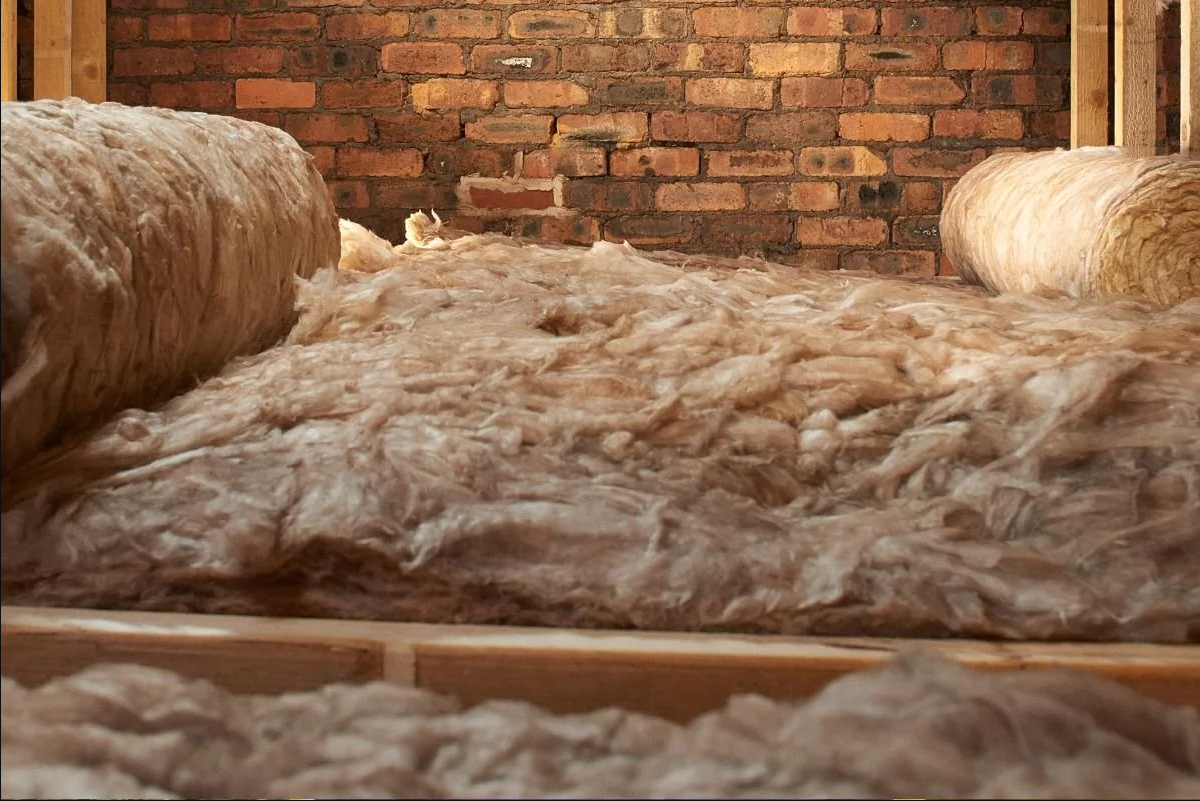
Loose-fill insulation consists of fluffy or granular material blown into attics and wall cavities. One of the most dangerous examples is vermiculite insulation contaminated with asbestos.
This type can easily release fibers into the air when disturbed.
Pipe Insulation
Pipes in older homes and industrial buildings often contain asbestos insulation wrapped around hot water or steam pipes.
It may appear as:
- White corrugated paper
- Cement-like coating
- Cloth wrapping
Block Insulation
Asbestos insulation blocks were installed in walls, ceilings, and industrial systems for thermal protection.
Spray-On Insulation
Builders sprayed asbestos-containing insulation onto ceilings, beams, and steel structures for fireproofing.
This type becomes highly dangerous when damaged.
Boiler and Furnace Insulation
Heating systems often contained asbestos blankets, cement, or panels designed to handle extreme heat.
Common Locations of Asbestos Insulation
Asbestos insulation may still exist in many areas of older buildings.
Attics
Loose-fill asbestos insulation was commonly installed in attics for temperature control.
Basements
Pipe insulation and furnace insulation are frequently found in basement utility areas.
Walls
Wall cavities may contain asbestos insulation boards or loose-fill material.
Ceilings
Spray-on asbestos insulation and textured coatings were common in ceilings.
Industrial Facilities
Factories and warehouses often used asbestos for machinery insulation and fireproofing.
What Does Asbestos Insulation Look Like?
Identifying asbestos insulation can be difficult because it resembles many non-asbestos materials.
Here are some common appearances:
| Type of Insulation | Typical Appearance | Risk Level |
|---|---|---|
| Loose-fill insulation | Pebble-like or fluffy granules | High |
| Pipe insulation | White or gray wrapping | High |
| Spray-on insulation | Rough textured coating | Very High |
| Insulation boards | Flat cement-like panels | Medium |
| Boiler insulation | Thick white or gray material | High |
It is important to remember that visual inspection alone cannot confirm asbestos. Laboratory testing is the only reliable method.
Health Risks of Asbestos Insulation
Asbestos insulation becomes dangerous when fibers are released into the air and inhaled.
How Exposure Happens
Asbestos fibers may become airborne during:
- Renovation work
- Demolition
- Drilling or sanding
- Water damage
- Aging deterioration
- Improper removal
Once inhaled, the fibers can remain trapped in the lungs for decades.
Diseases Linked to Asbestos Exposure
Asbestosis
A chronic lung disease caused by scarring of lung tissue.
Symptoms include:
- Shortness of breath
- Persistent cough
- Chest tightness
- Fatigue
Lung Cancer
Long-term asbestos exposure significantly increases lung cancer risk, especially among smokers.
Mesothelioma
Mesothelioma is a rare but aggressive cancer affecting the lining of the lungs or abdomen.
Pleural Disease
Exposure can cause thickening or fluid buildup around the lungs.
Symptoms of Asbestos Exposure
Symptoms may not appear for 10 to 40 years after exposure.
Common warning signs include:
- Chronic coughing
- Difficulty breathing
- Chest pain
- Wheezing
- Fatigue
- Weight loss
Anyone who suspects past asbestos exposure should consult a medical professional.
How to Identify Asbestos Insulation
Check the Age of the Building
Buildings constructed before the 1990s have a higher chance of containing asbestos insulation.
Look for Warning Signs
Possible indicators include:
- Old pipe wrapping
- Crumbling insulation
- Gray or white fibrous materials
- Attic loose-fill insulation
Hire a Professional Inspector
Certified asbestos inspectors can safely collect samples and send them to laboratories for analysis.
Never attempt to collect samples yourself unless properly trained.
Testing for Asbestos Insulation
Professional asbestos testing involves several steps.
Visual Inspection
Inspectors examine suspicious materials and assess their condition.
Sample Collection
Small samples are carefully collected using safety procedures.
Laboratory Analysis
Labs use specialized equipment to detect asbestos fibers.
Air Quality Testing
Air monitoring may be conducted after removal projects to ensure safety.
Testing provides accurate confirmation and helps determine the next steps.
Can Asbestos Insulation Be Left Alone?
In some cases, asbestos insulation can remain in place if it is undamaged and unlikely to be disturbed.
This approach is called “management in place.”
When Leaving It Alone May Be Safe
- Material is intact
- No renovation is planned
- Fibers are not airborne
- Area remains undisturbed
However, regular inspections are necessary to monitor deterioration.
Asbestos Encapsulation
Encapsulation involves sealing asbestos-containing materials with special coatings to prevent fiber release.
Advantages of Encapsulation
- Lower cost than removal
- Reduced disturbance
- Faster process
Limitations
- Does not eliminate asbestos
- Future maintenance may still pose risks
Encapsulation should only be performed by trained professionals.
Asbestos Insulation Removal
Removing asbestos insulation requires strict safety measures.
Why Professional Removal Is Necessary
Improper handling can release dangerous fibers into the air.
Professional asbestos contractors use:
- Protective suits
- Respirators
- HEPA filtration systems
- Containment barriers
- Specialized disposal methods
Steps in the Removal Process
Site Preparation
Workers isolate the area using plastic sheeting and negative air pressure systems.
Safe Removal
Materials are carefully wetted and removed to minimize airborne fibers.
Waste Disposal
Asbestos waste is sealed in approved containers and transported to authorized disposal facilities.
Air Clearance Testing
Final testing ensures the area is safe for re-entry.
Cost of Asbestos Insulation Removal
Removal costs vary depending on several factors.
Factors Affecting Cost
- Size of the affected area
- Type of insulation
- Accessibility
- Local regulations
- Disposal fees
- Air testing requirements
Professional removal may cost hundreds or thousands of dollars, but safety should remain the top priority.
Legal Regulations for Asbestos Insulation
Many governments enforce strict asbestos regulations.
Common Legal Requirements
- Mandatory inspections
- Licensed removal contractors
- Safe disposal procedures
- Worker protection standards
- Notification requirements
Violating asbestos regulations can result in significant penalties.
Asbestos Insulation in Homes
Older homes may still contain asbestos insulation in various locations.
Warning Areas in Residential Properties
- Attics
- Basements
- Around water heaters
- Heating ducts
- Wall cavities
- Ceiling materials
Homeowners planning renovations should arrange asbestos inspections before starting work.
Asbestos Insulation in Commercial Buildings
Commercial structures often contain large amounts of asbestos materials.
Examples include:
- Schools
- Hospitals
- Factories
- Office buildings
- Warehouses
Building owners have legal responsibilities to protect occupants and workers from exposure.
Asbestos Insulation and Renovation Projects
Renovations can disturb hidden asbestos materials.
High-Risk Activities
- Cutting drywall
- Removing ceilings
- Replacing flooring
- Demolishing walls
- Upgrading plumbing
Professional inspections before remodeling help prevent accidental exposure.
Environmental Impact of Asbestos
Improper asbestos disposal can contaminate the environment.
Airborne fibers may spread through:
- Wind
- Water runoff
- Construction debris
Strict disposal regulations exist to minimize environmental contamination.
Safety Tips for Homeowners
Avoid Disturbing Suspected Materials
Do not drill, sand, or break suspicious insulation.
Schedule Professional Inspections
Certified asbestos inspectors can assess risks safely.
Monitor Damaged Areas
Keep an eye on deteriorating insulation.
Hire Licensed Contractors
Always use qualified professionals for asbestos-related work.
Follow Local Regulations
Understand local laws regarding asbestos handling and disposal.
Myths About Asbestos Insulation
Myth 1: All Old Insulation Contains Asbestos
Not all insulation materials contain asbestos, but older products should be tested.
Myth 2: Asbestos Is Only Dangerous When Touched
The main danger comes from inhaling airborne fibers, not direct contact.
Myth 3: DIY Removal Saves Money
Improper removal can create severe health hazards and legal problems.
Myth 4: Small Amounts Are Harmless
Even limited exposure may increase health risks over time.
Modern Alternatives to Asbestos Insulation
Today, safer insulation materials are widely available.
Fiberglass Insulation
A common non-asbestos thermal insulation option.
Cellulose Insulation
Made from recycled paper treated for fire resistance.
Mineral Wool
Provides excellent fire protection without asbestos.
Foam Insulation
Offers strong energy efficiency and moisture resistance.
These alternatives help improve safety while maintaining insulation performance.
Importance of Awareness and Education
Public awareness about asbestos insulation remains essential.
Many individuals unknowingly encounter asbestos during:
- Home repairs
- Construction work
- Property renovations
- Demolition projects
Educational resources help reduce accidental exposure and encourage safer practices.
WebInbound com emphasizes the importance of informed decision-making when dealing with older buildings and hazardous materials.
Future of Asbestos Regulation
Many countries continue strengthening asbestos laws to improve public safety.
Future efforts may include:
- Stricter removal standards
- Expanded public education
- Safer disposal technologies
- Improved worker protections
- Increased inspections
Global awareness continues to grow as more people understand the long-term health consequences of asbestos exposure.
Conclusion
Asbestos insulation played a major role in construction for decades because of its heat resistance, durability, and fireproofing abilities. Unfortunately, the same material later proved to be highly dangerous to human health. Exposure to airborne asbestos fibers can lead to severe illnesses, including lung cancer, mesothelioma, and asbestosis.
Many older homes, schools, offices, and industrial buildings still contain asbestos insulation today. Because asbestos materials often remain hidden behind walls, ceilings, pipes, and attic spaces, property owners may not realize the danger until renovations or damage occur.
Understanding how asbestos insulation looks, where it is commonly found, and how exposure happens is essential for protecting health and safety. Professional testing remains the only reliable method to confirm asbestos presence. When asbestos-containing materials are discovered, licensed professionals should handle removal or encapsulation using proper safety procedures.
Homeowners and building managers should never ignore deteriorating insulation or attempt risky DIY removal methods. Following local regulations, scheduling inspections, and seeking expert guidance can significantly reduce exposure risks.
Asbestos awareness continues to improve worldwide, helping people make safer decisions during construction, renovation, and property maintenance projects. By staying informed and taking precautions, individuals can better protect themselves, their families, and future generations from the dangers associated with asbestos insulation.
WebInbound com remains committed to providing educational and SEO-friendly content that helps readers understand important environmental and safety topics with clarity and confidence.