

Introduction
Understanding what does asbestos insulation look like is important for homeowners, property buyers, renovation workers, and anyone living in an older building. Asbestos was widely used in construction because it resists heat, provides insulation, and helps protect certain materials from fire. It appeared in many products, including pipe coverings, boiler insulation, wall materials, ceiling products, and other building components. Although asbestos-containing materials can still be present in older properties, their appearance varies considerably depending on the product, its age, and its condition.
One of the biggest challenges is that asbestos cannot be reliably identified by sight alone. Some asbestos-containing insulation looks fluffy and white, while other types resemble gray cement, cardboard, paper, or dense fibrous coverings. Similar-looking materials may contain no asbestos at all. Therefore, visual observations can help you recognize a potential hazard, but laboratory testing is generally needed to confirm whether a material contains asbestos. Knowing what to look for and how to respond can help prevent accidental exposure during maintenance, repairs, or renovation work.
What Does Asbestos Insulation Look Like?
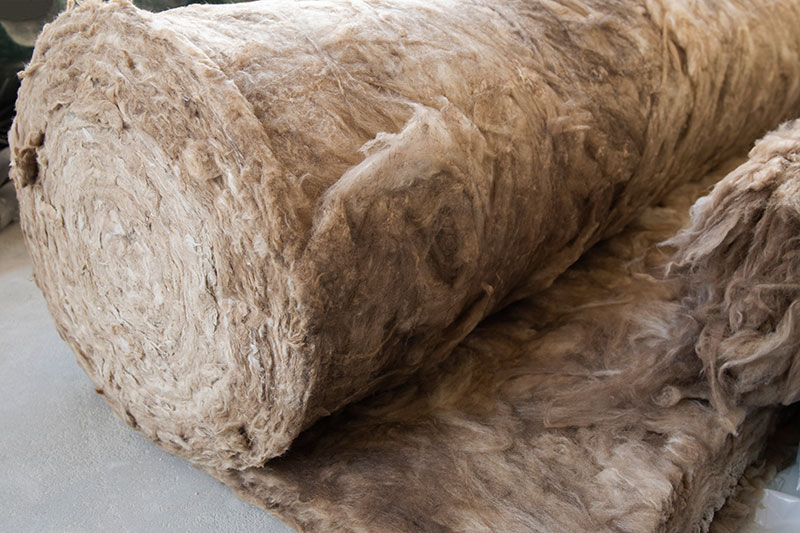
When people ask what does asbestos insulation look like, they are often expecting one distinctive appearance. In reality, asbestos insulation comes in several forms. Loose-fill insulation may appear fluffy, lightweight, and fibrous, with colors ranging from white and gray to brown. Pipe insulation can look like a thick, rigid coating wrapped around heating pipes, sometimes covered with fabric, paper, plaster, or a protective outer layer. Other materials may look like rough cement, dense boards, or molded shapes designed to fit around equipment.
The surface condition also varies. Some insulation has a smooth outer finish, while other types have a rough, crumbly, or visibly fibrous texture. Older insulation may be discolored by dust, moisture, oil, or years of use. However, these characteristics are not unique to asbestos. Modern fiberglass, mineral wool, cellulose, and other insulation products can look remarkably similar. Consequently, color, texture, age, and location should be treated as clues rather than proof of asbestos content.
Common Types of Asbestos Insulation and Their Appearance
1. Loose-Fill Asbestos Insulation

Not all loose-fill insulation contains asbestos. However, some vermiculite insulation from historical sources has been associated with asbestos contamination. Its appearance cannot establish whether asbestos is present. If you find unfamiliar loose insulation in an older attic or wall cavity, avoid touching it, moving it, or collecting a sample yourself. Disturbing the material could release airborne fibers if it is contaminated.
2. Pipe Insulation
Damaged pipe insulation deserves particular caution because cracks, missing pieces, and crumbling edges may expose the underlying material. Nevertheless, fiberglass and other non-asbestos products can have similar appearances. If you encounter suspicious insulation on older pipes, do not scrape it, cut it, or pull away its covering to inspect what lies underneath. Leave it undisturbed until a qualified asbestos professional can assess it.
3. Spray-Applied Insulation and Fireproofing

The material can sometimes resemble hardened foam or rough plaster. Its condition may vary from relatively firm to loose and deteriorated. When such coatings are damaged, particles and fibers may be released into the surrounding air. However, similar spray-applied products exist without asbestos, so visual appearance is not conclusive. Avoid drilling into, scraping, brushing, or removing a suspicious coating before its composition has been professionally evaluated.
4. Asbestos Insulation Boards

Because insulation boards can resemble ordinary plasterboard or fiber-cement panels, it is difficult to distinguish asbestos-containing products by sight. The installation date and intended use may provide useful background, but neither confirms the material’s composition. Cutting, drilling, sanding, or breaking these boards can create hazardous dust. If you suspect an older board may contain asbestos, arrange for a suitable assessment before carrying out work.
Where Can Asbestos Insulation Be Found?
Asbestos-containing insulation may be present in older residential, commercial, and industrial buildings. Common locations include basements, boiler rooms, attic spaces, utility cupboards, plant rooms, service shafts, and areas around heating systems. It may also be concealed behind wall panels, ceiling finishes, pipe enclosures, or other building materials.
The likelihood of encountering asbestos depends on the building’s construction date, location, renovation history, and the materials originally installed. Older buildings are generally more likely to contain historical asbestos products, although the exact period of use and applicable regulations vary by country. Newer finishes may also conceal older materials that were never removed during renovation. A property inspection that focuses only on visible surfaces may therefore miss concealed asbestos-containing products. When planning repairs in an older building, it is safer to assess suspect materials before disturbing walls, ceilings, pipes, or insulation.
Can You Identify Asbestos Insulation by Color and Texture?
Color and texture can help describe a suspicious material, but they cannot reliably identify asbestos. White insulation may contain asbestos, but it may also consist of fiberglass, mineral wool, or another material. Gray or brown insulation could be an older asbestos-containing product, ordinary building board, or loose-fill insulation made from other substances.
Texture is equally unreliable. Fibrous, fluffy, crumbly, or cement-like materials can all occur in asbestos-containing products, but those same features are found in non-asbestos materials. Even experienced inspectors should not rely solely on visual identification when determining whether asbestos is present.
The most useful approach is to consider the building’s age, the material’s location, its apparent purpose, and any available construction records. These details can help a professional determine whether sampling or additional investigation is appropriate. If a material is suspected of containing asbestos, treating it cautiously until its status is confirmed is more sensible than assuming it is harmless because it looks ordinary.
How to Tell Whether Asbestos Insulation Is Damaged
The condition of suspected asbestos insulation matters because damaged materials may release fibers more readily than intact materials. Warning signs can include cracked surfaces, crumbling edges, peeling coverings, loose fragments, missing sections, water damage, and visible deterioration. Pipe coverings may have broken joints, while boards may have damaged corners or exposed edges.
However, a material can release asbestos fibers without showing obvious damage, and visible deterioration does not prove that asbestos is present. Avoid touching a suspect surface to test whether it crumbles. Do not brush away dust, sweep fragments, or use an ordinary vacuum cleaner on potentially contaminated debris.
If damage is discovered, restrict access to the immediate area and prevent other people from disturbing the material. Do not attempt to repair or seal it with household products. A qualified asbestos professional can assess the condition, determine whether testing is needed, and recommend appropriate management or removal procedures.
How Is Asbestos Insulation Confirmed?
Visual inspection alone cannot provide a dependable answer about asbestos content. Confirmation generally involves collecting a representative sample and having it analyzed by a qualified laboratory using an appropriate method. Depending on the country and the type of material, this work may be arranged through a licensed asbestos surveyor, trained inspector, or other appropriately qualified professional.
Sampling should not be attempted casually. Taking a sample may disturb the material and release fibers, particularly if the insulation is friable, meaning it can crumble easily under pressure. A professional can determine whether sampling is necessary, choose a suitable method, and take steps to minimize exposure.
Laboratory analysis can establish whether asbestos is present in the tested sample, although sampling must be representative of the material being assessed. If asbestos is confirmed, the next step is not necessarily immediate removal. The appropriate response depends on the material’s condition, the likelihood of disturbance, its location, and applicable local requirements. In some situations, leaving intact material undisturbed and managing it safely may be preferable to removal.
What Should You Do If You Find Suspected Asbestos Insulation?
If you discover material that may contain asbestos, the safest immediate action is to leave it alone. Do not touch, pull, break, drill, sand, scrape, or sweep it. Avoid creating air movement that could disturb loose material, and keep children, pets, and other occupants away from the affected area.
If the insulation has been damaged, avoid cleaning it yourself. Do not use a household vacuum or dry sweeping methods because these activities may spread contaminated dust. Contact a qualified asbestos professional or the relevant local environmental or building-safety authority for advice.
If renovation work is planned, pause work that could disturb the suspected material until an appropriate assessment has been completed. Where asbestos is confirmed, follow professional recommendations and applicable regulations for containment, repair, encapsulation, or removal. Properly trained personnel can select appropriate protective equipment and work practices to minimize exposure. Taking these precautions is important because asbestos-related disease is associated with inhaling airborne fibers, not simply with seeing an asbestos-containing product.
Health Risks Associated With Asbestos Insulation
Asbestos is a group of naturally occurring minerals whose fibers can be hazardous when inhaled. Exposure is associated with serious diseases, including asbestosis, lung cancer, and mesothelioma. These conditions may develop many years after exposure, which makes preventing unnecessary contact especially important.
The presence of asbestos in a building does not automatically mean that occupants are being exposed. Risk depends on factors such as the material’s condition, whether fibers become airborne, the level and duration of exposure, and the activities taking place nearby. Intact material that remains undisturbed may present a lower risk than damaged or actively disturbed material.
Nevertheless, there is no need to investigate suspected insulation by handling it. Avoiding disturbance and obtaining a professional assessment are sensible precautions. Anyone who believes they experienced significant exposure, particularly during renovation or cleanup, can discuss the circumstances with a healthcare professional. For suspected contamination in a building, an asbestos specialist is the appropriate person to assess the material and recommend next steps.
Asbestos Insulation Compared With Modern Insulation
Modern insulation products can look similar to historical asbestos materials, which explains why visual identification is challenging. Fiberglass insulation commonly appears as soft, fibrous batts or rolls, often in yellow, pink, white, or other colors. Mineral wool can be gray, brown, greenish, or yellowish and may look dense or wool-like. Cellulose insulation is often gray and paper-like, while foam insulation may have a rigid or cellular structure.
These descriptions are general rather than definitive identification rules. Manufacturers produce many varieties, and aging, paint, dust, moisture, and protective coverings can change the appearance of building materials. Some older non-asbestos products also resemble asbestos-containing materials closely.
The distinction matters because each material may require different handling procedures. Even modern insulation can cause irritation or create dust during disturbance, while asbestos-containing products require additional precautions. If the material’s identity is uncertain, do not assume that a familiar appearance means it is safe to remove. Professional evaluation is the most reliable way to establish the appropriate course of action.
Conclusion
Knowing what does asbestos insulation look like can help you recognize materials that deserve closer attention in older buildings. Potential examples include fluffy loose-fill insulation, thick pipe coverings, rough spray-applied coatings, and rigid insulation boards. Their colors and textures vary, and many non-asbestos products look similar, so appearance alone cannot confirm their composition.
If you find suspicious insulation, avoid touching or disturbing it and keep others away from damaged material. A qualified professional can assess the situation and arrange appropriate laboratory testing when necessary. Depending on its condition and location, the material may be managed safely in place or require specialist treatment or removal.
The most important principle is to avoid unnecessary exposure. Rather than relying on color, texture, or age to make a final judgment, use those characteristics only as warning signs and seek a professional assessment before beginning renovation, repair, or removal work.