

Introduction
Asbestos is a naturally occurring mineral that was widely used in construction, manufacturing, and industrial products because of its strength, durability, and resistance to heat. For many years, it was considered a valuable material for insulation, roofing, flooring, pipes, and fireproofing. However, scientific research has revealed serious health risks associated with exposure to asbestos fibers. These microscopic fibers can become airborne when asbestos-containing materials are damaged, disturbed, or deteriorated. Once inhaled, they may remain in the lungs for many years and cause life-threatening diseases. Understanding why is asbestos bad is important for homeowners, construction workers, building managers, and anyone who may encounter older building materials. Although asbestos use is restricted or banned in many countries, existing materials can still pose a risk when handled incorrectly. Learning how asbestos exposure occurs, recognizing potential warning signs, and following appropriate safety measures can help people reduce unnecessary exposure.
What Is Asbestos?
Asbestos refers to a group of naturally occurring fibrous minerals that have historically been valued for their heat resistance, strength, and insulating properties. The main types include chrysotile, amosite, and crocidolite, along with several other mineral forms. These materials were commonly incorporated into products such as cement sheets, insulation boards, roofing materials, brake linings, and industrial equipment. Their popularity grew because they could withstand high temperatures and offered useful physical properties at relatively low cost.
The problem is that asbestos consists of extremely fine fibers that can separate from materials under certain conditions. When these fibers become airborne, people may breathe them into their lungs without realizing it. Unlike ordinary dust, asbestos fibers can remain in the body for extended periods and contribute to serious diseases. The danger depends on several factors, including the amount of exposure, its duration, the type of fibers involved, and the condition of the material. This makes proper identification and careful handling essential whenever asbestos may be present.
Why Is Asbestos Bad for Human Health?
The main reason asbestos is dangerous is that its microscopic fibers can enter the respiratory system and cause long-term tissue damage. When a person inhales airborne fibers, some may become trapped deep inside the lungs. The body’s natural defense mechanisms can struggle to remove them, allowing inflammation and scarring to develop over time. Continued or repeated exposure can increase the likelihood of serious respiratory illness.
One of the most concerning characteristics of asbestos-related disease is its long latency period. Symptoms may not appear until 10 to 50 years after exposure, depending on the disease and individual circumstances. During this time, a person may feel healthy even though harmful changes are developing inside the body. Asbestos exposure is associated with several cancers and chronic lung conditions, and there is no established safe level of exposure to asbestos. This is why avoiding unnecessary contact and controlling airborne fibers are essential precautions, particularly in workplaces and older buildings.
Major Diseases Caused by Asbestos Exposure
Asbestos exposure can cause several serious health conditions. The severity of the outcome depends on the nature and extent of exposure, individual health factors, and the time elapsed since exposure. Some diseases develop gradually, while others may become life-threatening after many years.
1. Asbestosis: This chronic lung disease develops when inhaled asbestos fibers cause scarring of lung tissue. The lungs become less flexible, making breathing increasingly difficult. Symptoms can include persistent shortness of breath, a dry cough, and reduced exercise tolerance. Severe cases may lead to significant disability.
2. Mesothelioma: This rare and aggressive cancer affects the protective lining around the lungs or other internal organs. Asbestos is the primary established cause of malignant mesothelioma. The disease may develop decades after exposure and can be difficult to treat.
3. Lung cancer: Exposure to asbestos increases the risk of lung cancer. The risk is especially concerning for people who smoke, because smoking and asbestos exposure together can substantially increase the likelihood of developing the disease.
4. Other cancers: Asbestos exposure is also associated with cancers of the larynx and ovaries. These links demonstrate that the effects of asbestos are not limited to the lungs.
These conditions explain why asbestos requires careful management, even when the original material appears durable or harmless.
Where Can Asbestos Be Found?
Asbestos was used in numerous building and industrial products, especially in structures built or renovated before modern restrictions were introduced. Potential locations include roof sheets, wall panels, insulation around pipes and boilers, ceiling tiles, floor tiles, cement products, and some older industrial components. It may also be present in materials used for fire protection or sound insulation.
However, not every older building contains asbestos, and not every fibrous or cement-based product is asbestos-containing. It is generally impossible to confirm the presence of asbestos by appearance alone. Laboratory testing by qualified professionals may be necessary to identify suspect materials accurately.
People living or working in older buildings should avoid drilling, sanding, cutting, breaking, or scraping materials that might contain asbestos. Such activities can release fibers into the surrounding air. If a material is intact and undisturbed, it may present a lower risk than damaged material that releases fibers. Professional assessment is the best way to determine whether a suspected material needs monitoring, repair, or removal.
How Does Asbestos Enter the Body?

The most common route of asbestos exposure is inhalation. When asbestos-containing products are disturbed, microscopic fibers can become suspended in the air and enter the respiratory system during normal breathing. Construction, demolition, renovation, maintenance, and certain industrial activities can create opportunities for exposure when appropriate precautions are not followed.
Once inhaled, some fibers can travel deep into the lungs. The body’s immune system attempts to remove foreign particles, but asbestos fibers can be difficult to eliminate. Their persistence may contribute to inflammation, cellular damage, and scarring. Over time, these processes can lead to disease.
Swallowing asbestos fibers may also occur when airborne fibers settle on food, drinks, or surfaces, although inhalation is the main established route of concern for most asbestos-related illnesses. Secondary exposure can happen when workers unintentionally bring contaminated dust home on clothing, footwear, tools, or equipment. Proper workplace controls, changing facilities, cleaning procedures, and safe handling practices help reduce the chance of fibers spreading beyond the original work area.
Who Is Most at Risk of Asbestos Exposure?
People who work in construction, demolition, insulation installation, shipbuilding, industrial maintenance, and certain manufacturing industries may face a higher risk of occupational exposure. Electricians, plumbers, roofers, mechanics, and renovation workers can also encounter asbestos-containing materials when working in older buildings or equipment.
Homeowners and tenants may be exposed if they disturb suspect materials during renovations or repairs. Family members of workers can also face secondary exposure if contaminated dust is carried home. The level of risk varies depending on the type of material, how it is handled, the concentration of airborne fibers, and the duration and frequency of exposure.
A single encounter does not automatically mean that someone will develop an asbestos-related disease. Nevertheless, avoidable exposure should always be taken seriously. Workers should follow applicable occupational safety requirements, use appropriate controls, and receive relevant training. People who believe they have experienced significant exposure can discuss their concerns with a healthcare professional, especially if their work history involved repeated contact with asbestos.
Warning Signs and Symptoms of Asbestos-Related Diseases
Asbestos-related diseases often develop slowly, and symptoms may remain absent for decades after exposure. When symptoms occur, they depend on the condition involved. Common warning signs include persistent shortness of breath, a continuing cough, chest discomfort, unexplained fatigue, and reduced ability to perform physical activities.
Some people with asbestos-related lung disease may develop changes in their breathing capacity over time. Mesothelioma and lung cancer can cause symptoms such as chest pain, persistent coughing, unexplained weight loss, or fluid accumulation around the lungs. However, these symptoms can also occur with many other illnesses and cannot establish an asbestos-related diagnosis on their own.
Anyone experiencing persistent or concerning respiratory symptoms should seek medical evaluation. People with a history of substantial occupational exposure should tell their healthcare provider about that history, even if they currently feel well. Medical professionals can assess individual circumstances and determine whether further examination or monitoring is appropriate. Routine testing is not equally useful for everyone, so screening decisions should be based on exposure history, symptoms, and clinical guidance.
How Can Asbestos Exposure Be Prevented?
Preventing exposure begins with recognizing that suspect materials should not be disturbed without appropriate assessment. If asbestos-containing material is intact, leaving it undisturbed or managing it in place may be safer than unnecessary removal. Damaged materials, however, may require professional evaluation and suitable corrective action.
Never attempt to remove suspected asbestos insulation, roofing, panels, or other materials using ordinary household tools. Sweeping, dry brushing, sanding, and using a standard household vacuum can spread fibers rather than control them. Suspect areas should be left undisturbed, and access should be limited when there is a reasonable concern about airborne contamination.
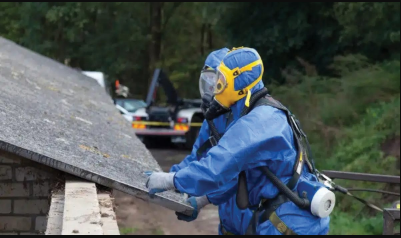
Qualified asbestos professionals can inspect materials, arrange laboratory testing, and recommend appropriate management or removal procedures. Depending on local regulations and the situation, trained contractors may use specialized containment, equipment, protective clothing, and regulated waste disposal methods. Homeowners should also check local requirements before renovation or demolition work. These precautions are important because the safest approach depends on the material’s condition, location, and likelihood of disturbance.
Is Asbestos Still Dangerous in Older Buildings?
Yes, asbestos can remain a concern in older buildings because many products installed decades ago are still present today. The mineral does not become harmless simply because a building is old. However, the presence of asbestos does not automatically mean that the building is unsafe to occupy.
Risk depends heavily on whether fibers are being released into the air. Intact, stable asbestos-containing materials that are unlikely to be disturbed may sometimes be managed safely in place through inspection and maintenance. In contrast, crumbling insulation, damaged panels, or materials disturbed during renovation can create greater exposure concerns.
Building owners should maintain records of identified asbestos materials, inform maintenance workers when appropriate, and arrange professional assessments when materials deteriorate or construction work is planned. Regular monitoring can help identify damage before it creates a larger problem. The goal is not to panic about every older building, but to prevent activities that release fibers and ensure that any necessary work is handled correctly.
Common Myths About Asbestos
Several misconceptions can make asbestos exposure more likely. One common myth is that asbestos is safe if a person cannot see it. In reality, airborne fibers are too small to be reliably detected by sight, smell, or taste. The absence of visible dust does not prove that the air is free from asbestos fibers.
Another misconception is that every asbestos-containing product must be removed immediately. Removal can sometimes create additional exposure if performed incorrectly. Depending on the condition and circumstances, professional management in place may be the more appropriate option.
Some people also believe that only industrial workers can be affected. Although certain occupations carry greater exposure risks, homeowners, maintenance workers, and family members can encounter fibers under particular conditions. Finally, not everyone exposed to asbestos will develop a disease, but the possibility of severe long-term health consequences makes prevention essential. Accurate information and professional guidance are more useful than either ignoring the danger or assuming that every suspected material creates an immediate emergency.
Conclusion
Understanding why is asbestos bad helps explain why this once-popular building material requires careful handling today. Its microscopic fibers can remain in the lungs and contribute to serious diseases, including asbestosis, lung cancer, and mesothelioma. Because symptoms may take decades to appear, preventing exposure is far more effective than relying on symptoms to identify a problem.
Asbestos can still be present in older buildings, but its presence alone does not necessarily make a property dangerous. The condition of the material and the likelihood of fiber release are important considerations. Avoid disturbing suspected asbestos products, seek qualified professional assessment when necessary, and follow applicable safety regulations during renovation, maintenance, or demolition. By understanding the risks and taking sensible precautions, individuals and organizations can reduce avoidable exposure and create safer living and working environments.