


Introduction
Many people ask, what does asbestos look like, especially when renovating an older home or commercial building. Asbestos was once one of the most widely used construction materials because of its excellent heat resistance, durability, and insulating properties. It was commonly added to roofing, flooring, ceiling tiles, insulation, cement sheets, and pipe coverings. Although asbestos was considered a miracle material for decades, researchers later discovered that its microscopic fibers could cause severe health problems when disturbed and inhaled.
Understanding what does asbestos look like is important, but identifying it with certainty is much more difficult than many people realize. Asbestos fibers are usually mixed with other building materials, making them almost impossible to recognize simply by appearance. In many cases, asbestos-containing products resemble ordinary construction materials. This guide explains the appearance of asbestos, the different forms it can take, where it is commonly found, and the safest way to deal with suspected asbestos materials.
What Is Asbestos?
Asbestos is a naturally occurring mineral made of extremely fine fibers. These fibers are resistant to heat, chemicals, electricity, and fire, making asbestos popular in construction and manufacturing throughout much of the twentieth century.
There are six recognized types of asbestos minerals, but the three most commonly used are:
| Type | Color | Common Uses |
|---|---|---|
| Chrysotile | White | Roofing, ceilings, walls, flooring |
| Amosite | Brown | Insulation boards, cement sheets |
| Crocidolite | Blue | Pipe insulation, spray coatings |
Because asbestos was mixed into cement, adhesives, insulation, and many other materials, its appearance changes depending on the product. This makes answering what does asbestos look like more complicated than simply describing one color or texture.
What Does Asbestos Look Like?
The answer depends entirely on where the asbestos is located. Pure asbestos appears as soft, fibrous mineral strands that may be white, gray, brown, or blue. However, asbestos found in buildings rarely appears in its natural state because manufacturers combined it with other materials.
Common characteristics include:
- White or gray fibrous texture
- Rough, cement-like appearance
- Hair-like fibers when damaged
- Layered insulation wrapping
- Powdery edges when deteriorating
- Brittle material in older buildings
One important fact is that intact asbestos usually does not release dangerous fibers. The greatest risk occurs when materials are cut, drilled, sanded, broken, or demolished.
Different Forms of Asbestos
Asbestos products were manufactured in many different forms. Each type has its own appearance.
Cement Sheets
These are flat gray boards commonly used for walls, fences, roofs, and garages. They often resemble ordinary concrete sheets and cannot be identified visually with certainty.
Pipe Insulation
Older heating pipes were frequently wrapped with thick white or gray insulation that may appear cloth-like or chalky. Damaged insulation often reveals fuzzy fibers.
Ceiling Tiles
Many ceiling tiles manufactured before asbestos regulations contain asbestos fibers. They usually look identical to non-asbestos acoustic ceiling panels.
Vinyl Floor Tiles
Older vinyl floor tiles measuring 9 inches by 9 inches frequently contained asbestos. The tiles themselves often appear perfectly normal and cannot be distinguished by sight alone.
Spray Coatings
Industrial buildings sometimes used sprayed asbestos insulation that has a rough popcorn or textured appearance on ceilings and structural beams.
Where Is Asbestos Commonly Found?
Understanding where asbestos is commonly used helps answer what does asbestos look like because its appearance depends on the product.
Older homes built before modern asbestos regulations may contain asbestos in numerous locations, including:
- Roof shingles
- Cement siding
- Pipe insulation
- Boiler insulation
- Vinyl flooring
- Ceiling tiles
- Textured ceilings
- Wall insulation
- Exterior cladding
- Garage roofing
- HVAC duct insulation
- Fireproof panels
Buildings constructed several decades ago are much more likely to contain asbestos than modern structures. However, the presence of asbestos cannot be confirmed simply by looking at these materials.
Can You Identify Asbestos by Sight Alone?
The simple answer is no.
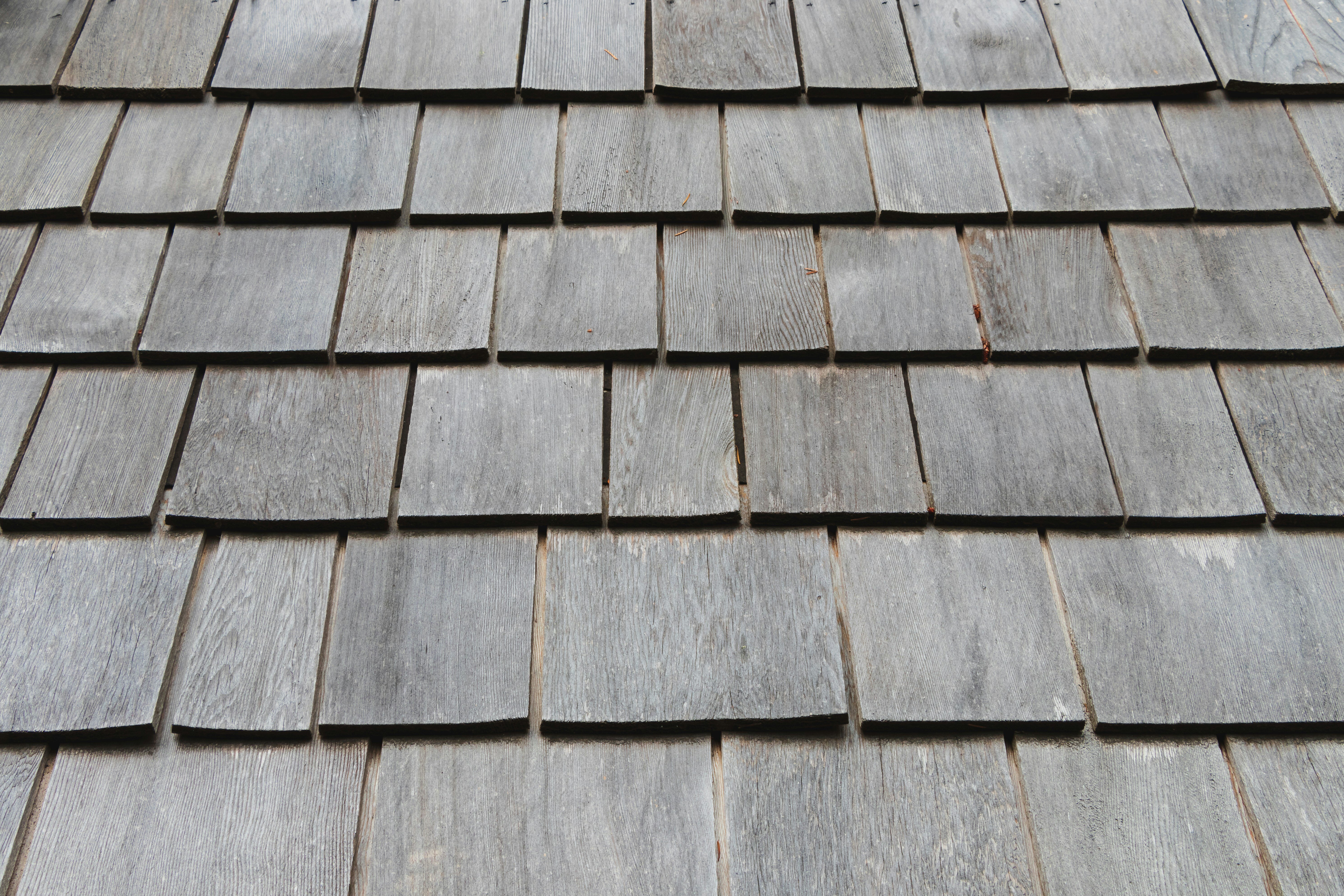
Many homeowners search online asking what does asbestos look like, hoping they can identify it themselves. Unfortunately, asbestos-containing materials often look exactly like products that contain no asbestos at all.
Professional inspectors rely on laboratory testing rather than visual inspection because:
- Similar products may or may not contain asbestos.
- Age alone is not enough for identification.
- Color varies significantly.
- Manufacturers used asbestos differently across products.
- Fibers are microscopic and invisible without specialized equipment.
For this reason, laboratory analysis remains the only reliable method for confirming asbestos.
Health Risks of Asbestos Exposure
Knowing what does asbestos look like is only part of the story. The real concern is the danger posed by airborne asbestos fibers. When asbestos-containing materials remain intact and undisturbed, they generally pose little immediate risk. However, once these materials are damaged through drilling, sanding, cutting, demolition, or natural deterioration, tiny fibers can become airborne. These microscopic fibers are invisible to the naked eye and can remain suspended in the air for hours. When inhaled, they may become trapped in the lungs and remain there for many years. Long-term exposure has been linked to serious diseases such as asbestosis, lung cancer, and mesothelioma. Symptoms often do not appear until decades after exposure, making early prevention essential. This is why anyone who suspects the presence of asbestos should avoid disturbing the material and seek professional guidance instead of attempting to inspect or remove it personally.
How Is Asbestos Tested?
If you suspect a material contains asbestos, laboratory testing is the only reliable way to confirm it. Although many people search online for what does asbestos look like, no visual inspection can provide a definite answer. Certified asbestos inspectors collect small samples using specialized safety procedures that minimize the release of fibers into the air. The samples are then examined in accredited laboratories using advanced microscopic techniques to identify asbestos fibers accurately. In some situations, air quality testing may also be performed to determine whether airborne fibers are present in the building. Testing is especially recommended before renovations, remodeling projects, or demolitions involving older structures. Spending money on professional testing is far safer than risking exposure by making assumptions based solely on appearance. Accurate identification protects both occupants and construction workers from unnecessary health risks.
Safety Tips When You Suspect Asbestos
If you believe a material may contain asbestos, taking the proper precautions is essential. Never attempt to break, drill, scrape, or sand the material because disturbing it may release dangerous fibers into the air. Instead, isolate the area if possible and prevent unnecessary access until the material has been inspected. Wear appropriate protective equipment only if absolutely necessary to enter the area, and avoid sweeping or vacuuming debris because this can spread fibers further. Inform contractors about the suspected asbestos before beginning any renovation work. Professional asbestos removal companies have the equipment and training required to handle hazardous materials safely and dispose of them according to local regulations.
Important safety reminders:
- Never drill or cut suspected asbestos materials.
- Avoid sanding or breaking old building products.
- Keep children and pets away from damaged areas.
- Arrange professional asbestos testing.
- Hire licensed removal specialists if asbestos is confirmed.
- Follow local disposal regulations carefully.
Common Myths About Asbestos
Many misconceptions surround asbestos, leading homeowners to make unsafe decisions. One common myth is that asbestos can always be identified by its color or texture. In reality, asbestos-containing products vary greatly in appearance because the fibers were mixed with many different construction materials. Another misconception is that every old building contains asbestos. While older properties are more likely to include asbestos products, not every structure built before asbestos regulations contains them. Some people also believe that painting over damaged asbestos permanently eliminates the danger. Although encapsulation may be appropriate in certain situations when performed correctly, damaged asbestos should always be assessed by qualified professionals. Understanding these myths helps people make informed decisions rather than relying on inaccurate assumptions.
Frequently Asked Questions
1. Can you identify asbestos just by looking at it?
No. Many asbestos-containing materials look identical to products that do not contain asbestos. Laboratory testing is required for confirmation.
2. What color is asbestos?
Asbestos may appear white, gray, brown, or blue depending on the mineral type and the product in which it is used.
3. Is asbestos dangerous if left alone?
Undamaged asbestos materials generally present a lower risk. The danger increases when materials are disturbed and fibers become airborne.
4. Where is asbestos most commonly found?
It is commonly found in older roofing materials, insulation, cement sheets, vinyl flooring, ceiling tiles, textured coatings, and pipe insulation.
5. Should I remove asbestos myself?
No. Removal should only be carried out by trained professionals who follow proper safety procedures and legal regulations.
Conclusion
Understanding what does asbestos look like is valuable, but appearance alone should never be used to identify asbestos-containing materials. Asbestos may appear white, gray, brown, blue, fibrous, cement-like, or completely ordinary depending on the product in which it is contained. Because many asbestos products closely resemble modern non-asbestos materials, visual inspection cannot provide a reliable answer. Professional laboratory testing remains the safest and most accurate method of identification. If you discover suspicious materials in an older property, avoid disturbing them and arrange for qualified inspection before beginning any renovation or demolition work. Taking these precautions helps protect your health, your family, and anyone working on the property. By understanding the risks and recognizing the limitations of visual identification, you can make informed decisions and ensure a safer environment for everyone.

.jpg&description=Learn what does asbestos look like, where it is found, how to identify it safely, and why professional testing is essential for your health.)