

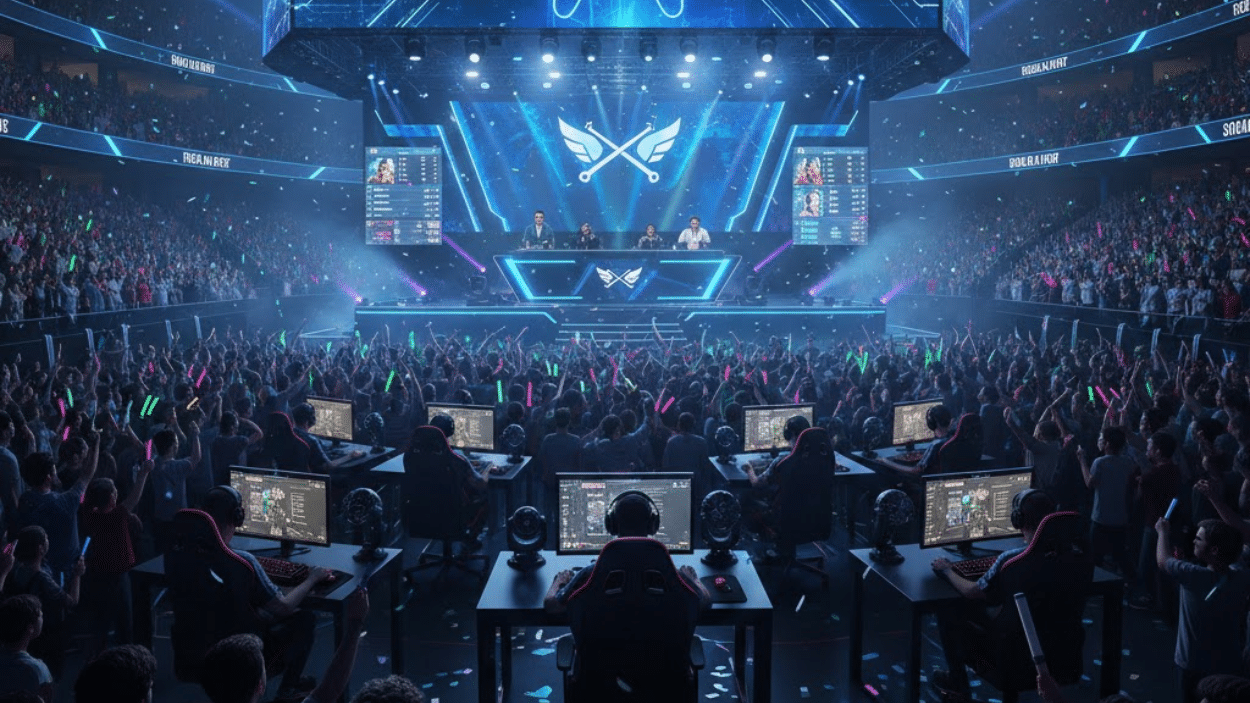
Introduction
Online gaming has developed into a popular form of entertainment that connects people from different locations through shared digital experiences. What once started as a simple way to enjoy games individually has gradually become a social activity involving teamwork, competition, communication, and community participation. Multiplayer gaming events are an important part of this development because they give players opportunities to interact, test their abilities, and participate in organized activities. These experiences can make gaming more exciting by introducing common goals and friendly challenges.
The concept of multiplayer event thehakevent reflects the growing interest in interactive gaming experiences where participation matters as much as individual performance. Multiplayer events can bring together casual players, competitive gamers, friends, and online communities. Whether participants enjoy strategy games, action challenges, cooperative missions, or tournament-style competitions, organized gaming activities provide different ways to connect. Understanding the features and possibilities of these events helps explain why multiplayer experiences continue to attract attention in modern gaming culture.
Understanding the Concept of Multiplayer Gaming Events
A multiplayer gaming event is an organized activity in which several participants play together within a shared digital environment. Depending on the format, players may compete against one another, form teams, complete missions, or work toward a common objective. These events can take place over a few hours, across several days, or through regularly scheduled community sessions.
Unlike ordinary gaming sessions, organized events usually have a defined purpose, structure, or set of activities. Participants may receive specific challenges, follow event schedules, or compete according to established rules. This structure creates a sense of direction and gives players something meaningful to work toward.
The idea behind multiplayer event thehakevent can be explored through this combination of participation, entertainment, and social interaction. Players are not simply accessing a game; they are becoming part of an experience that encourages communication and involvement. This makes multiplayer events appealing to people who enjoy both gaming and meeting others with similar interests.
Why Multiplayer Events Are Becoming Popular
One important reason for the popularity of multiplayer events is the social connection they create. Many players enjoy sharing their gaming experiences with friends or meeting new people through online communities. Multiplayer activities provide a natural environment for these interactions because participants communicate while working toward shared objectives.
Another factor is the excitement of competition. Friendly matches, team challenges, and leaderboards can motivate players to improve their abilities. Even people who do not consider themselves professional gamers may enjoy participating because the experience offers entertainment without requiring exceptional skills.
Accessibility also contributes to this growing interest. Modern gaming platforms allow participants to connect through computers, consoles, and mobile devices. As internet access and multiplayer technology continue to improve, more people can participate in gaming activities regardless of their physical location.
This combination of accessibility, competition, and social interaction helps explain the appeal of multiplayer event thehakevent as a topic within the wider online gaming landscape.
Key Features of an Engaging Multiplayer Event
A successful multiplayer event generally includes several features that make participation enjoyable and organized. The exact arrangements depend on the game and audience, but certain elements are useful across different gaming formats.
1. Organized Activities
Clear activities help participants understand what they are expected to do. Events may include team matches, individual challenges, cooperative missions, or special gaming sessions. An organized schedule makes the experience easier to follow.
2. Team Participation
Team-based activities encourage players to communicate and cooperate. Participants can divide responsibilities, develop strategies, and support one another throughout the event.
3. Friendly Competition
Competition gives players opportunities to measure their progress and test their abilities. Fair rules and balanced challenges help maintain an enjoyable environment for everyone.
4. Community Interaction
Chat features, discussion spaces, and group activities allow participants to exchange ideas and build connections. These interactions can continue even after an event finishes.
5. Clear Rules and Guidelines
Participants should understand the event format, eligibility requirements, scoring methods, and expected behavior. Clear guidelines reduce confusion and encourage fair participation.
Together, these features can transform an ordinary gaming session into a more memorable experience.
The Importance of Teamwork in Multiplayer Gaming
Teamwork is one of the most valuable aspects of multiplayer gaming. While individual abilities can influence performance, successful team participation often depends on how effectively players cooperate. Different participants may have different strengths, playing styles, and levels of experience. Combining these abilities can help a group achieve objectives more efficiently.
Communication is particularly important. Players need to share information, discuss strategies, and respond to changing situations. A teammate who identifies an opponent’s position or suggests a different approach can make a meaningful contribution to the entire group.
Teamwork also teaches patience and responsibility. Players learn that personal success is not always more important than the group’s overall performance. Supporting less experienced teammates and respecting different opinions can create a positive environment.
Within multiplayer event thehakevent, teamwork can be considered an important part of the overall experience because it encourages players to develop relationships while enjoying shared gaming activities.
Different Types of Multiplayer Gaming Events

Multiplayer events can follow several formats depending on the interests of participants and the types of games involved.
Competitive Tournaments
Tournaments bring players together to compete according to a specific structure. Participants may progress through qualifying rounds, elimination matches, or final competitions. These formats are suitable for players who enjoy testing their skills against others.
Cooperative Gaming Sessions
Cooperative events focus on completing shared objectives instead of defeating other participants. Players work together to overcome obstacles, solve problems, and finish missions.
Community Challenges
Community challenges encourage larger groups to participate in common activities. For example, players may work toward completing a certain number of missions or achieving a collective target.
Casual Multiplayer Gatherings
Not every event needs to be highly competitive. Casual gatherings allow friends and community members to enjoy games without the pressure of rankings or strict performance expectations.
Special-Themed Events
Some gaming activities introduce specific themes, unusual challenges, or limited-time objectives. These formats can make familiar games feel different and encourage players to explore new strategies.
The variety of available formats makes multiplayer gaming suitable for different interests, experience levels, and playing preferences.
How Technology Supports Multiplayer Events
Technology plays an essential role in making modern multiplayer events possible. Stable internet connections, powerful gaming devices, and reliable online servers help participants interact within shared digital environments.
Game servers coordinate player activities and allow multiple participants to access the same session. Matchmaking systems can help connect people with similar skill levels, while communication tools support conversations during gameplay. These technologies reduce barriers between players and make coordinated activities more convenient.
Streaming and recording tools have also expanded the possibilities of multiplayer events. Participants can share gameplay highlights, watch competitions, and discuss interesting moments with other community members. This creates opportunities for people who want to enjoy gaming events even when they are not actively playing.
Mobile technology has further expanded access. Many multiplayer games now support smartphones and tablets, allowing players to participate without requiring expensive gaming equipment. As technology develops, online events may become more interactive, accessible, and engaging.
Benefits of Participating in Multiplayer Events
Multiplayer gaming events offer several benefits beyond entertainment. One important advantage is social interaction. Players can meet people with similar interests, exchange experiences, and develop friendships through regular participation.
These activities may also encourage useful thinking skills. Strategy-based games require participants to analyze situations, consider different possibilities, and make decisions. Cooperative challenges can improve planning and problem-solving abilities because players need to coordinate their actions.
Another benefit is confidence development. Participating in an unfamiliar gaming environment can help individuals become more comfortable communicating with others. Successfully completing a challenge or contributing to a team’s performance may also create a sense of achievement.
Gaming events can provide relaxation as well. After completing everyday responsibilities, participants may enjoy joining friends for a casual gaming session. The shared experience can make leisure time more enjoyable.
However, these benefits depend on maintaining balance. Gaming should remain a healthy recreational activity that does not interfere with sleep, education, work, physical activity, or personal responsibilities.
Tips for First-Time Participants
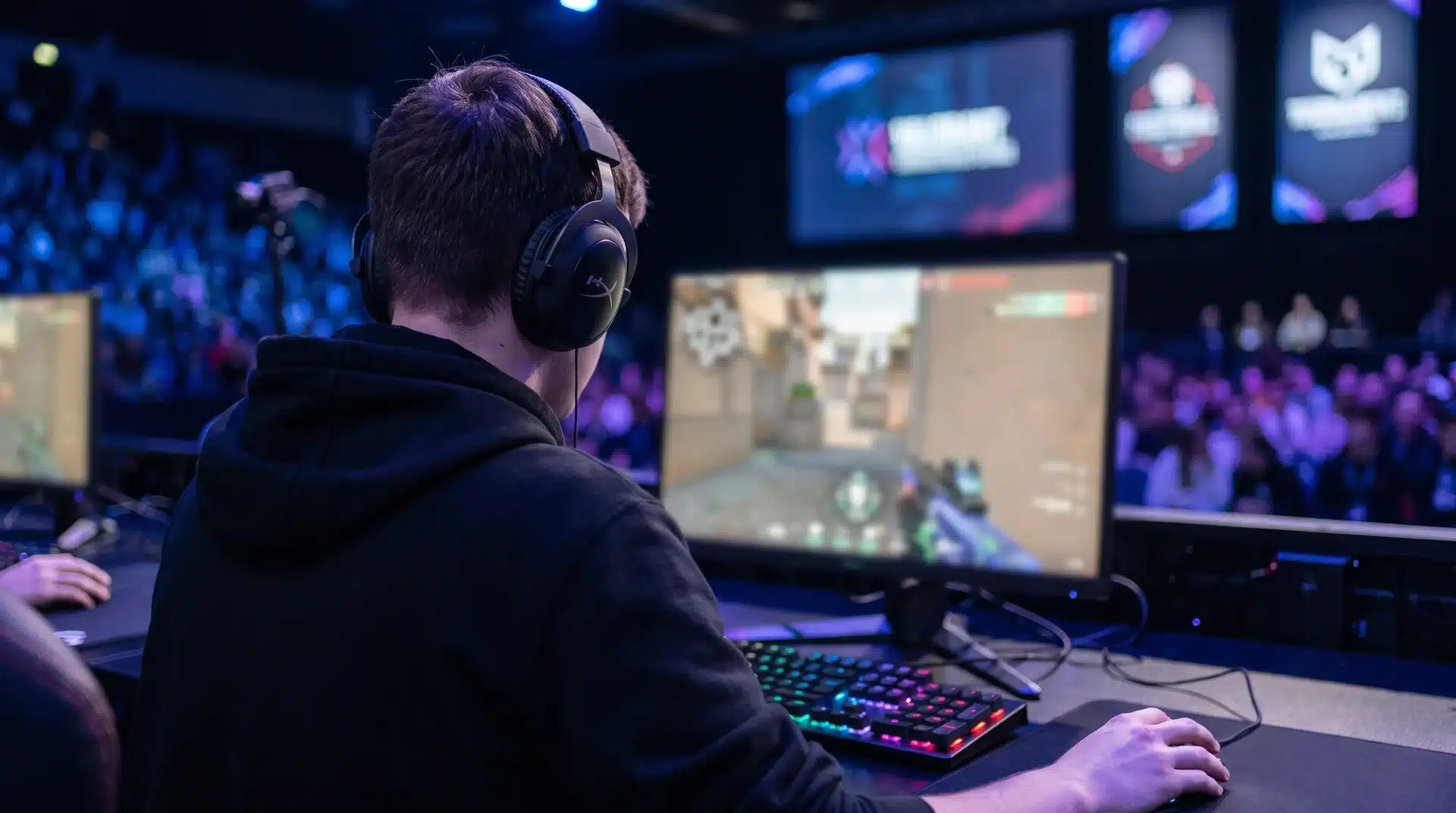
People who are new to multiplayer events may initially feel uncertain about how to participate. Choosing an appropriate game and understanding its basic rules can make the experience easier.
Before joining an event, participants should check the schedule, required equipment, game version, and participation guidelines. Testing an internet connection and updating the game can also prevent avoidable technical problems.
Communication is another important consideration. Players should listen to teammates, share useful information, and avoid unnecessary arguments. Respectful behavior helps create an environment where beginners and experienced participants can enjoy playing together.
It is also helpful to set realistic expectations. Winning should not be the only reason to participate. Learning new strategies, meeting other players, and enjoying the experience are equally valuable goals.
For beginners exploring multiplayer event thehakevent, approaching activities with curiosity and a positive attitude can make the experience more rewarding.
Building a Positive Gaming Community
A strong gaming community depends on more than the games being played. The behavior of participants, organizers, and community members also influences the overall atmosphere.
Respect should be a basic expectation. Players should avoid harassment, discriminatory comments, cheating, and disruptive behavior. Fair participation allows people with different backgrounds and experience levels to enjoy the same activities.
Organizers can contribute by establishing clear rules and providing accessible information. They should also communicate schedules, explain participation requirements, and address problems fairly.
Community members can help newcomers feel welcome by answering questions and sharing useful advice. Small actions, such as congratulating another team or helping someone understand the rules, can improve the overall experience.
A positive environment encourages people to return and participate in future activities. Over time, these interactions can turn a temporary gaming event into an active and supportive community.
Challenges Associated With Multiplayer Events
Although multiplayer gaming offers many opportunities, it also comes with certain challenges. Technical problems are among the most common. Slow internet connections, server interruptions, software errors, and incompatible devices can affect gameplay.
Scheduling can create difficulties when participants live in different time zones. Organizers need to consider suitable timings so that people can participate without unnecessary inconvenience.
Fair competition is another concern. Differences in player experience, equipment, and skill levels may influence match outcomes. Appropriate rules, balanced teams, and transparent scoring systems can help reduce these issues.
Online safety also deserves attention. Participants should protect personal information, use secure accounts, and avoid sharing sensitive details with strangers. Younger players should follow suitable safety guidelines and use available privacy controls.
Addressing these challenges through preparation and responsible management can make gaming events safer and more enjoyable.
The Future of Multiplayer Gaming Events
The future of multiplayer gaming events is likely to be influenced by developments in technology, community platforms, and interactive entertainment. Improved internet infrastructure may make online sessions more stable, while faster devices could support more detailed and complex gaming environments.
Virtual reality and augmented reality may introduce additional ways for participants to interact. These technologies could make certain gaming activities feel more immersive by connecting digital experiences with physical surroundings.
Artificial intelligence may also support matchmaking, personalized challenges, and automated event management. Such developments could help organizers create activities that better match the interests and abilities of participants.
Community participation will probably remain an important part of this growth. Players increasingly value experiences that allow them to communicate, collaborate, and share achievements.
As these developments continue, multiplayer event thehakevent represents a useful subject for understanding how organized gaming experiences fit into the broader evolution of online entertainment.
Conclusion
Multiplayer gaming events have become an important part of modern digital entertainment because they combine competition, cooperation, and social interaction. They allow players to connect with others, explore different gaming formats, develop strategies, and enjoy shared activities regardless of physical distance.
From competitive tournaments to casual community gatherings, these events provide opportunities for people with different interests and experience levels. Their success depends on effective organization, reliable technology, clear communication, and respectful participation.
The growing interest in multiplayer event thehakevent highlights the wider appeal of interactive gaming experiences. As gaming technology and online communities continue to develop, multiplayer events may offer even more creative ways for people to connect. By participating responsibly and maintaining a healthy balance, players can make these experiences enjoyable, meaningful, and memorable.