

Introduction
Asbestos is a naturally occurring mineral that was widely used in construction, manufacturing, insulation, and various industrial products because of its heat resistance, strength, and durability. For many years, it was considered a useful building material, particularly in older houses, commercial buildings, factories, and public facilities. However, asbestos is now known to pose serious health risks when its microscopic fibers become airborne and are inhaled. This has made identifying and managing asbestos an important part of building safety, renovation planning, and property maintenance.
Many people wonder what asbestos looks like because they may notice unusual materials in ceilings, walls, roofs, pipes, floors, or other parts of a building. Unfortunately, asbestos does not have one specific appearance. It can look white, gray, brown, or even blue-green, depending on its mineral type and the material in which it is contained. Understanding its general appearance can help people recognize materials that may require professional inspection, although visual identification alone cannot confirm whether asbestos is present.
1. Understanding Asbestos and Its Appearance
Asbestos refers to a group of naturally occurring fibrous minerals rather than one single material. These minerals were commonly incorporated into construction products because they could withstand heat, resist fire, provide insulation, and improve durability. When asbestos was mixed with cement, plaster, adhesives, or other substances, it could become difficult to recognize its original mineral appearance.
When people ask what does asbestos look like, they are often expecting to see a distinctive substance with a particular color or shape. In reality, asbestos-containing materials can appear smooth, rough, fluffy, compact, cement-like, or even similar to ordinary building materials. Some products contain fibers that are tightly bound within a solid structure, while others historically used asbestos in loose or fluffy insulation.
Asbestos fibers are extremely small and cannot be reliably identified with the naked eye. Even materials that appear harmless may contain asbestos, especially if they were installed decades ago. The mineral’s appearance changes depending on its type, processing method, age, and the surrounding material. This is why professional assessment is much more reliable than attempting to identify asbestos by looking at it.
2. Common Colors of Asbestos
Asbestos-containing materials may appear in different colors, and their color does not necessarily reveal their asbestos content.
White Asbestos
White asbestos, also known as chrysotile, is one of the historically most widely used forms of asbestos. It may have a white, grayish, or pale appearance when seen in its mineral form. In construction products, it can be hidden inside cement sheets, roofing materials, insulation, floor products, and other manufactured items.
White asbestos fibers have a curly structure at the microscopic level, but people cannot reliably identify those fibers simply by looking at an installed product. The finished material may look like ordinary cement, plaster, paper, or insulation. White or gray materials in older buildings should not automatically be assumed to contain asbestos, but their age and intended use can make professional assessment worthwhile.
Blue Asbestos
Blue asbestos, called crocidolite, is known for its blue-gray appearance in its raw mineral form. Historically, it was used in certain insulation products, cement materials, and industrial applications. It is associated with particularly serious health risks and should never be handled casually.
In a building, blue asbestos may not appear blue at all because it can be mixed with other substances, painted, coated, covered, or incorporated into manufactured materials. A product’s color cannot establish whether it contains crocidolite or any other asbestos type.
Brown Asbestos
Brown asbestos, or amosite, may have a brown, gray-brown, or tan appearance in its mineral form. It was historically used in insulation boards, thermal insulation, and some construction applications. Materials containing it can look dense, fibrous, or board-like, depending on how they were manufactured.
Older insulation boards and industrial materials may have a similar appearance to products containing other minerals. Brown coloration alone is not proof of asbestos. Professional testing is needed to identify the composition of a suspected material.
3. What Asbestos Fibers Look Like
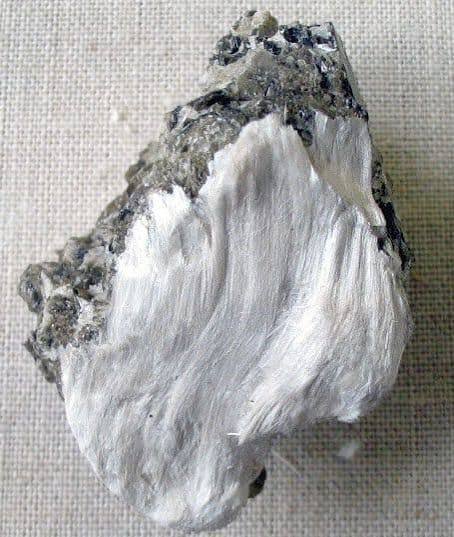
In its raw form, asbestos can appear as a fibrous mineral with thread-like strands. Depending on the mineral variety, the fibers may look fine, silky, wool-like, or bundled together.
In older insulation products, fibers may appear to be part of a soft, fluffy, compact, or layered material. Some insulation may have a wool-like appearance, while other products may be hard and cement-like. The presence of visible strands is not enough to confirm asbestos, and the absence of visible strands does not mean a material is asbestos-free.
The most important safety point is that asbestos-related risk is not determined by how clearly a person can see fibers. Microscopic fibers may become airborne when a material is damaged, cut, drilled, broken, scraped, or disturbed. A material can therefore present a potential hazard even if it looks ordinary and undamaged.
4. Where Asbestos May Be Found in Older Buildings
Asbestos was used in many building products, particularly in construction that took place before restrictions and awareness of its health effects became widespread. Its presence depends on the country, building age, manufacturer, and type of construction. Some older materials may contain asbestos, while others made during the same period may not.
Common locations where asbestos-containing materials have historically been used include:
-
Roofing sheets and roof-related construction materials
-
Insulation around pipes, boilers, and heating equipment
-
Ceiling tiles and ceiling insulation
-
Wall panels, boards, and partitions
-
Floor tiles and flooring adhesives
-
Cement sheets and exterior cladding
-
Certain older fire-resistant products
-
Industrial equipment and machinery insulation
These materials may be hidden behind paint, decorative coverings, newer flooring, false ceilings, or wall finishes. The building’s history can be helpful, but it cannot confirm asbestos content on its own. A property that has been renovated multiple times may also contain older materials beneath more recent installations.
When investigating what does asbestos look like inside a building, it is important to consider the location and age of a material as well as its general appearance. Older construction materials that appear unusual or deteriorated should be treated cautiously until their composition is established.
5. What Asbestos Looks Like in Roofing Materials
Some asbestos-containing roofing materials were manufactured as rigid sheets, panels, shingles, or cement-based products. They may look similar to ordinary roofing materials used on older residential and commercial buildings.
Asbestos cement roofing was historically used because it offered strength, weather resistance, and durability. These roofing products can appear gray, faded white, beige, or another color depending on the original manufacturing process, paint, and exposure to weather. They may have flat or corrugated shapes, and their surfaces can become worn or discolored over time.
Older corrugated roofing sheets are sometimes suspected of containing asbestos, particularly when they were installed during periods when asbestos cement products were commonly used. However, modern fiber-cement products may use different materials, and visual similarities can make it difficult to distinguish them.
Cracks, broken edges, weathering, or surface deterioration may make a roofing material look older or damaged, but these features do not prove asbestos is present. If a roof is suspected of containing asbestos, avoid breaking, drilling, sanding, cutting, or removing the sheets. A qualified professional should assess the material before renovation or repair work begins.
6. What Asbestos Looks Like in Pipe Insulation
Pipe insulation is another location where asbestos-containing materials were historically used. Older heating systems, industrial facilities, boiler rooms, and utility areas may contain insulation around pipes, fittings, valves, and equipment.
Pipe insulation may appear as a thick, white, gray, beige, or off-white covering. Some insulation looks smooth because it has been covered with fabric, paper, plaster, or protective coatings. Other materials may have a rough surface, layered structure, or an appearance resembling old plaster or compacted insulation.
In some locations, insulation may be damaged, with loose material, cracks, missing sections, or exposed layers. These conditions can increase concern about the possibility of fiber release if the material contains asbestos. However, damaged insulation can also contain non-asbestos materials, so appearance cannot determine its composition.
People inspecting older pipe systems should avoid touching, scraping, pulling, or removing coverings. Even a small disturbance may release hazardous particles if asbestos is present. Professional inspection is the safest way to determine whether the material requires management, repair, or removal.
7. What Asbestos Looks Like in Ceiling and Wall Materials
Asbestos was used in certain ceiling tiles, wallboards, textured finishes, insulation products, and fire-resistant construction materials. Some of these materials may look similar to products commonly used in modern homes, which makes identification difficult.
Older ceiling tiles may be square, rectangular, textured, smooth, or patterned. They may have white, cream, gray, or other finishes. Certain textured ceiling coatings may contain asbestos, depending on their age and composition. Wall panels and boards may also appear solid and ordinary, even if asbestos fibers are present within the material.
In some buildings, asbestos-containing materials may be hidden behind decorative ceilings, paint, plaster, wallpaper, or later renovation work. People may discover suspected materials when planning a kitchen renovation, replacing ceiling panels, installing electrical equipment, or repairing walls.
The fact that a material looks like a conventional ceiling tile or wallboard does not guarantee it is safe to disturb. Before drilling holes, removing panels, or carrying out demolition in older buildings, property owners should consider a professional asbestos assessment.
8. What Asbestos Looks Like in Floor Tiles
Older vinyl floor tiles and certain flooring products may contain asbestos. They can look like ordinary decorative flooring, with patterns, colors, speckles, or geometric designs. Some older tiles may have a dull appearance, while others may have a polished or smooth finish.
Asbestos-containing floor products were manufactured in a variety of colors and styles. The mineral was often incorporated into the tile itself or used in related materials, such as adhesives and backing products. Consequently, asbestos may not be visible on the surface of an installed floor.
Floor tiles can remain intact for years without being disturbed. Problems may arise when people attempt to remove flooring, scrape adhesive, sand surfaces, or break tiles during renovation. These activities can potentially release fibers if asbestos is present.
A floor’s appearance, pattern, age, or thickness cannot reliably confirm asbestos. If old flooring is suspected, avoid DIY removal and seek professional guidance before renovation work.
9. How Asbestos Changes as It Ages
The appearance of building materials can change significantly over time because of exposure to moisture, sunlight, temperature changes, physical wear, and maintenance activities. Asbestos-containing materials may become discolored, cracked, chipped, dusty, or weakened as they age.
Some materials remain relatively stable for decades, while others deteriorate more quickly because of their location or construction. A protective coating may peel away, insulation may become exposed, or a cement sheet may develop cracks. These changes can make people concerned about whether the material contains asbestos.
It is important to understand that deterioration alone does not identify asbestos. Many non-asbestos materials can also crack, crumble, or produce dust. However, if an older material is suspected to contain asbestos and is deteriorating, it should not be touched or cleaned using ordinary household methods.
Age and condition are both important considerations when evaluating building materials. If the material is damaged or likely to be disturbed, professional assessment should be arranged. Until its composition is known, keeping people away from the affected area can help reduce unnecessary exposure.
10. Can You Identify Asbestos by Looking at It?
Visual inspection can help people recognize materials that may require further investigation, but it cannot provide a reliable confirmation. Asbestos was used in numerous products, and manufacturers incorporated it into materials with different colors, textures, shapes, and finishes.
A person may see a fibrous material and assume it is asbestos, but similar appearances can be produced by fiberglass, mineral wool, cellulose, and other construction materials. Likewise, a solid material with a smooth surface may contain asbestos even though no fibers are visible.
The question of what does asbestos look like is therefore best answered with a description of possible appearances rather than a definitive visual checklist. Its appearance may provide clues about the material’s history or construction, but those clues are not enough to establish whether it is hazardous.
Reliable identification generally involves an appropriate sampling and laboratory analysis process conducted by qualified professionals. Sampling should not be attempted casually because collecting a sample can disturb the material and potentially release fibers. Building owners should seek professional advice before deciding whether sampling is necessary.
11. Warning Signs That a Material Needs Professional Assessment
Certain conditions may indicate that an older building material deserves closer attention. These signs do not prove the presence of asbestos, but they can help property owners recognize when a material should be left undisturbed.
Potential warning signs include:
-
An older insulation material with an unknown composition.
-
Cracked, broken, or deteriorating cement sheets.
-
Damaged pipe coverings in older buildings.
-
Old ceiling or wall products being prepared for renovation.
-
Flooring or adhesive materials from older construction.
-
Loose debris near suspected insulation or building products.
-
Materials that may be disturbed by drilling, cutting, or demolition.
These conditions are particularly relevant when a building is undergoing renovation, repairs, maintenance, or demolition. Contractors and homeowners should not rely on appearance alone to decide that a material is safe to remove.
When a suspected material is damaged, limiting access and avoiding further disturbance are sensible precautions. A professional can evaluate the material, determine whether laboratory testing is appropriate, and recommend suitable management measures.
12. Health Risks Associated With Asbestos
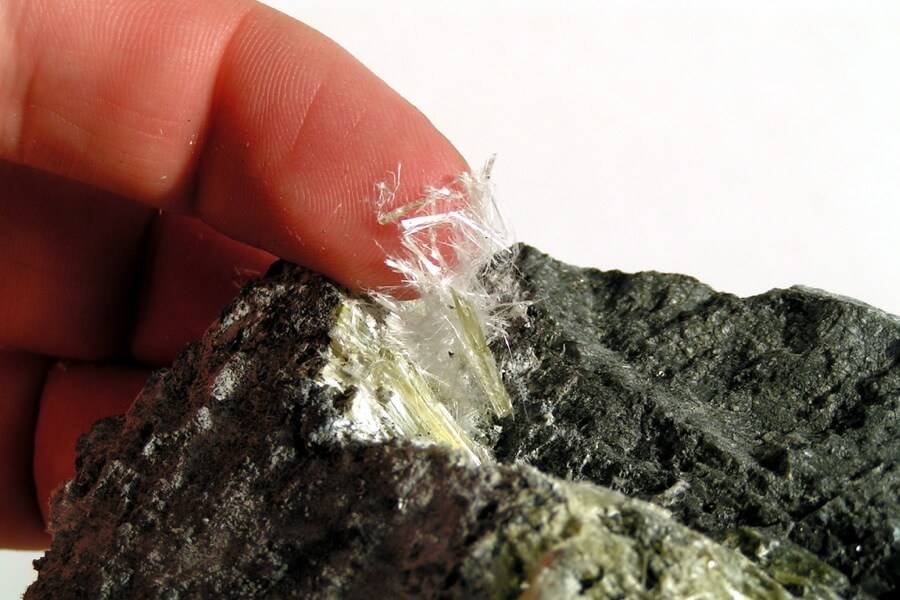
The main health concern associated with asbestos is inhalation of airborne fibers. When asbestos-containing materials are disturbed, microscopic fibers may become airborne and enter the respiratory system. These fibers can remain in the lungs and contribute to serious diseases over time.
Exposure to asbestos is associated with conditions including asbestosis, lung cancer, and mesothelioma. These illnesses may develop many years after exposure, which is one reason asbestos safety receives considerable attention in construction, industrial work, renovation, and occupational health.
Risk depends on several factors, including the amount of exposure, duration, frequency, fiber type, and whether fibers were released into the air. Simply being near an intact material that contains asbestos does not mean a person has necessarily experienced significant exposure. The risk can be higher when materials are damaged or disturbed and when airborne fibers are inhaled.
This is why identifying suspected asbestos before renovation work is important. Avoiding unnecessary disturbance and following appropriate safety procedures can help prevent exposure and protect people living or working in the building.
13. What to Do if You Find Suspected Asbestos
If you discover a material that may contain asbestos in your home, office, workplace, or another building, the safest approach is to avoid disturbing it. Do not touch, scrape, break, drill, sand, sweep, or attempt to remove the material. These activities may release microscopic fibers into the surrounding air.
If the material is intact and not being disturbed, it may not require immediate removal. In some situations, professionals may recommend leaving the material in place and monitoring its condition, depending on its location, condition, and likelihood of disturbance.
If the material is damaged or debris is present, avoid entering or disturbing the affected area. Keep children, pets, and other occupants away where possible. Do not use an ordinary vacuum cleaner or dry sweeping to clean suspected asbestos debris because these activities may spread fibers.
Contact a qualified asbestos professional or an appropriate building-safety service for guidance. If renovation or demolition is planned, make sure the suspected materials are evaluated before work begins. Proper identification and professional management are more important than trying to remove an unknown material quickly.
14. Why Professional Asbestos Testing Matters
Professional asbestos testing helps determine whether a suspected material contains asbestos and, when appropriate, identifies the type of asbestos present. Laboratory analysis is much more dependable than relying on a material’s color, texture, age, or visual appearance.
Professionals understand how to assess building materials, select suitable sampling procedures, and minimize the potential for fiber release. Depending on the situation, they may recommend sampling, a broader inspection, management planning, repair, containment, or removal by appropriately trained personnel.
Testing can be particularly important before major renovation, roof replacement, ceiling repairs, flooring removal, electrical work, or demolition. Knowing the composition of materials in advance allows property owners to make safer decisions and plan work appropriately.
A professional assessment may also help determine whether a material should be left in place, protected, monitored, or managed through a specialized procedure. The correct response depends on the material’s condition, location, and potential for disturbance rather than appearance alone.
15. Asbestos Awareness During Home Renovation
Home renovation is one of the situations in which people may unexpectedly encounter asbestos-containing materials. Projects such as replacing ceilings, renovating bathrooms, removing flooring, repairing roofs, upgrading electrical systems, and modifying walls can disturb building materials that were installed many years earlier.
Before beginning renovation work in an older property, it is sensible to review the building’s history and identify materials that may require professional assessment. Contractors should be informed about suspected asbestos-containing products before they start work, particularly if the project involves drilling, cutting, demolition, or removal.
Planning ahead can prevent unexpected delays, reduce exposure risks, and help ensure that waste is handled appropriately. It is also important not to assume that a previous renovation removed all asbestos-containing materials. Some products may remain hidden behind newer surfaces or inside service areas.
A responsible renovation plan includes evaluating suspected materials, following applicable local safety requirements, and ensuring that workers understand how to manage potential asbestos hazards.
16. Common Misconceptions About Asbestos Appearance
Several misconceptions make asbestos identification more difficult. One common belief is that asbestos always looks white and fluffy. While some asbestos-containing insulation may appear fluffy, many products containing asbestos are hard, solid, smooth, or cement-like.
Another misconception is that asbestos is always visible. In reality, microscopic fibers may be contained within manufactured products or hidden beneath protective coatings and other building materials. People cannot determine whether a material contains asbestos simply by checking whether they can see fibers.
Some people also assume that modern-looking materials are automatically asbestos-free. However, materials may have been painted, covered, repaired, or incorporated into newer renovations while older asbestos-containing products remain underneath.
The opposite assumption is equally problematic: not every old, gray, dusty, or fibrous material contains asbestos. Many construction products have similar appearances but different compositions. Making decisions based on visual assumptions can lead to unnecessary concern or unsafe handling.
Understanding these misconceptions helps people approach suspected asbestos with caution, avoid unnecessary disturbance, and seek professional assessment whenever appropriate.
Frequently Asked Questions
1. What does asbestos look like in its natural form?
In its natural mineral form, asbestos can appear as fibrous strands, bundles, or masses. Depending on the mineral type, it may be white, gray, brown, or blue-green. The fibers may have a silky, thread-like, or woolly appearance. However, individual asbestos fibers are microscopic and cannot be reliably identified by sight.
2. Can asbestos look like ordinary cement?
Yes. Asbestos was historically mixed into cement to produce roofing sheets, wall panels, pipes, and other construction products. These materials may look similar to ordinary cement products. Their appearance alone cannot confirm whether asbestos is present, so professional testing may be necessary.
3. Does asbestos always look fluffy?
No. Some asbestos-containing materials may resemble fluffy insulation, but others are solid boards, tiles, cement sheets, coatings, adhesives, or other manufactured products. The appearance depends on how the mineral was processed and incorporated into the product.
4. Can I identify asbestos by its color?
No. White, gray, brown, and other colors may be found in asbestos-containing materials, but color is not a reliable identification method. Many asbestos-free materials have similar colors, and asbestos can be concealed within products that do not show its natural mineral appearance.
5. Is asbestos dangerous if it is not damaged?
Asbestos-containing material that remains intact and undisturbed may pose a lower risk of fiber release than damaged or disturbed material. However, its condition, location, and potential for future disturbance matter. It should not be damaged or handled, and professional guidance can help determine the appropriate management approach.
6. What should I do if I suspect asbestos in my home?
Avoid touching, drilling, cutting, scraping, or removing the suspected material. Do not sweep or vacuum suspected debris. Keep people away from damaged material where possible and contact a qualified professional for assessment and advice.
Conclusion
Understanding what does asbestos look like can help people recognize materials that may require further investigation, especially in older buildings, construction projects, workplaces, and renovation environments. Asbestos may appear white, gray, brown, blue-green, fluffy, fibrous, solid, cement-like, or similar to ordinary building materials. Its appearance varies depending on the mineral type and how it was incorporated into a product.
Although visual clues can be useful, they cannot confirm asbestos. Materials that look suspicious may be asbestos-free, while products that appear completely ordinary may contain asbestos fibers. The most important precaution is to avoid disturbing suspected materials and seek professional assessment when necessary. Awareness, careful planning, and appropriate safety practices can help reduce exposure risks and support safer building maintenance and renovation decisions.