

Introduction
Asbestos testing is an essential process used to determine whether asbestos-containing materials are present in a home, office, commercial building, or industrial property. Although asbestos was once considered a miracle building material because of its strength, heat resistance, and durability, it is now recognized as a serious health hazard. When asbestos-containing materials are disturbed, tiny fibers become airborne and can be inhaled, leading to severe diseases years later. This is why proper asbestos testing has become an important step before renovation, demolition, or purchasing older properties.
Many buildings constructed before the 1990s may still contain asbestos in insulation, roofing, flooring, cement sheets, ceiling tiles, pipe coverings, and textured coatings. Since asbestos fibers cannot be identified simply by looking at a material, professional laboratory analysis is the only reliable method. Understanding how asbestos testing works helps property owners protect their families, employees, and contractors from unnecessary exposure while ensuring compliance with safety regulations.
What Is Asbestos Testing?
Asbestos testing is the scientific process of collecting material samples from suspected asbestos-containing products and analyzing them in an accredited laboratory. The purpose of testing is to identify whether asbestos fibers are present and determine their type and concentration.
Testing usually begins with a visual inspection performed by trained professionals. Samples are carefully collected without spreading fibers into the air. These samples are then examined using specialized laboratory techniques capable of detecting microscopic asbestos fibers.
The results help property owners make informed decisions regarding removal, encapsulation, or ongoing monitoring. Because disturbing asbestos without proper precautions can release harmful fibers, it is strongly recommended that sampling be performed by qualified inspectors instead of homeowners.
Reliable testing provides peace of mind while reducing health risks associated with accidental asbestos exposure.
Why Is Asbestos Testing Important?
The importance of asbestos testing cannot be overstated because asbestos exposure is linked to serious diseases such as lung cancer, mesothelioma, and asbestosis. These illnesses often develop decades after exposure, making prevention the most effective protection.
Testing is especially important before:
- Home renovations
- Building demolition
- Property purchases
- Commercial remodeling
- Industrial maintenance
- Roofing replacement
Without testing, construction workers may unknowingly disturb asbestos-containing materials, releasing dangerous fibers into the environment. Identifying asbestos beforehand allows safe planning and proper removal procedures.
Testing also helps property owners comply with workplace safety laws and environmental regulations while avoiding expensive legal liabilities.
Common Places Where Asbestos May Be Found
Older buildings contain asbestos in many surprising locations. Knowing where it is commonly found can help determine whether testing is necessary.
| Building Material | Possible Asbestos Presence | Risk Level if Damaged |
|---|---|---|
| Ceiling tiles | Yes | Medium |
| Vinyl floor tiles | Yes | Medium |
| Pipe insulation | Yes | High |
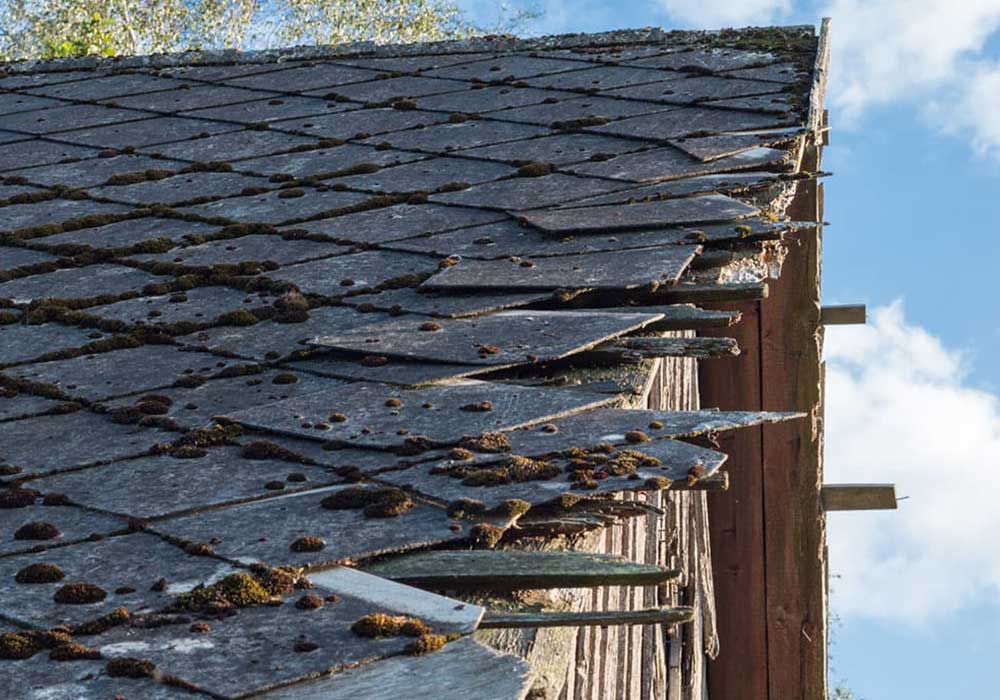
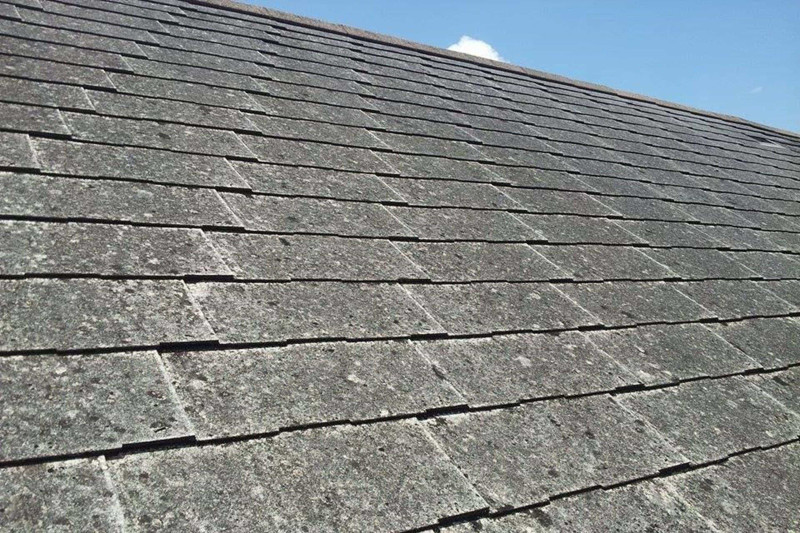
| Roof shingles | Yes | Medium |
| Cement sheets | Yes | Medium |
| Wall insulation | Yes | High |
| Boiler insulation | Yes | Very High |
| Textured ceilings | Yes | Medium |
Buildings constructed before asbestos regulations became strict are more likely to contain these materials.
Types of Asbestos
Understanding asbestos types helps explain why laboratory identification is necessary. There are six recognized asbestos minerals, but three are the most common.
Chrysotile (White Asbestos)
This is the most widely used asbestos type. It was commonly found in roofing materials, ceilings, insulation, brake pads, and cement products. Chrysotile has curly fibers and accounts for the majority of asbestos used worldwide.
Amosite (Brown Asbestos)
Amosite was frequently used in thermal insulation, cement sheets, ceiling tiles, and pipe insulation. Its straight fibers make it particularly dangerous when airborne.
Crocidolite (Blue Asbestos)
Blue asbestos is considered the most hazardous form because its extremely thin fibers easily penetrate deep into the lungs. It was commonly used in insulation products and spray coatings.
Laboratory testing identifies which asbestos type is present so experts can recommend the safest management strategy.
How Asbestos Testing Is Performed
The asbestos testing process follows a series of carefully controlled steps designed to minimize exposure.
Step 1: Initial Inspection
A certified inspector examines the property and identifies materials that appear suspicious based on age, appearance, and construction methods.
Step 2: Sample Collection
Small samples are collected using protective equipment while minimizing dust release. The area is often sealed to prevent fiber contamination.
Step 3: Laboratory Analysis
Samples are analyzed using specialized microscopes capable of detecting asbestos fibers that are invisible to the naked eye.
Step 4: Test Report
The laboratory provides a detailed report showing:
- Whether asbestos is present
- Type of asbestos
- Percentage detected
- Material tested
- Recommendations for management
These reports help property owners decide whether removal or encapsulation is necessary.
Laboratory Methods Used in Asbestos Testing
Several scientific techniques are used depending on the material and required accuracy.
The most common laboratory methods include:
- Polarized Light Microscopy (PLM)
- Phase Contrast Microscopy (PCM)
- Transmission Electron Microscopy (TEM)
- Scanning Electron Microscopy (SEM)
Each method has different levels of sensitivity, but accredited laboratories select the appropriate procedure based on the sample type.
Air Asbestos Testing
While bulk material testing identifies asbestos within building materials, asbestos testing can also include air monitoring. Air testing measures the number of asbestos fibers suspended in the air and is commonly performed before, during, and after asbestos removal projects. This process helps determine whether an area is safe for occupancy or if additional cleaning is required.
 Specialized equipment draws air through filters that trap microscopic fibers, which are then analyzed in a laboratory. Air testing is particularly valuable in schools, offices, hospitals, and industrial facilities where maintaining safe indoor air quality is essential. Although the absence of visible dust may seem reassuring, asbestos fibers are microscopic and cannot be seen with the naked eye. Therefore, air monitoring provides an additional layer of confidence that asbestos exposure risks remain under control after renovation or remediation activities.
Bulk Material Testing
Bulk material sampling is the most common form of asbestos testing because it directly examines suspected materials. Inspectors carefully collect small portions of insulation, floor tiles, roofing sheets, textured coatings, ceiling panels, cement boards, or pipe lagging for laboratory analysis. The sampling process follows strict safety procedures to prevent fibers from spreading into occupied areas. Once the samples reach the laboratory, specialists identify whether asbestos is present and determine the specific fiber type. Bulk testing provides accurate information that property owners can use before remodeling or demolition. Instead of guessing whether a material contains asbestos, laboratory confirmation eliminates uncertainty and helps avoid unnecessary removal costs. Professional sampling also minimizes health risks compared to attempting to collect samples without proper protective equipment and containment methods.
Cost Factors of Asbestos Testing
The cost of asbestos testing depends on several factors rather than a single fixed price. Property size, the number of samples collected, laboratory analysis methods, inspection complexity, and turnaround time all influence the final cost. Larger commercial buildings generally require more extensive inspections than small residential properties because additional materials need to be sampled and documented. Emergency or same-day laboratory analysis often costs more than standard processing. Accessibility is another important factor; difficult-to-reach locations may increase inspection time and labor requirements. Although professional testing represents an upfront expense, it can save significant money by preventing accidental asbestos exposure, project delays, regulatory fines, and unnecessary removal of materials that do not actually contain asbestos. Investing in accurate testing before construction begins is often far more economical than dealing with unexpected contamination later.
Benefits of Professional Asbestos Testing
Hiring qualified professionals for asbestos testing offers numerous advantages over attempting to identify asbestos independently. Certified inspectors understand where asbestos was historically used and know how to collect samples safely without increasing exposure risks. Laboratory reports provide reliable evidence that supports renovation planning, property sales, insurance documentation, and regulatory compliance. Professional testing also protects workers, occupants, and family members by reducing the likelihood of accidental fiber release. Additional benefits include:
- Accurate laboratory identification of asbestos
- Safe sample collection procedures
- Reduced health risks
- Compliance with building regulations
- Reliable documentation for future projects
- Peace of mind for homeowners and businesses
These advantages make professional inspections an important investment whenever asbestos-containing materials are suspected.
Safety Precautions During Asbestos Testing
Safety should always remain the highest priority throughout the asbestos testing process. Asbestos fibers become hazardous only when disturbed and released into the air, making careful handling essential. Inspectors typically wear disposable protective clothing, gloves, eye protection, and approved respiratory equipment. Sampling areas are often isolated to prevent contamination of nearby rooms, and any debris generated during sampling is carefully cleaned using specialized equipment designed for hazardous particles. Homeowners should avoid drilling, sanding, cutting, or breaking materials suspected of containing asbestos until professional testing has been completed. It is equally important to keep children and pets away from the affected area during inspections. Following proper safety procedures greatly reduces the chance of exposure while ensuring that laboratory samples remain accurate and uncontaminated.
Common Mistakes to Avoid
Many people unintentionally increase asbestos exposure because they underestimate the risks associated with damaged building materials. Avoiding common mistakes can significantly improve safety.
Some mistakes include:
- Assuming all older materials are asbestos-free
- Collecting samples without protective equipment
- Breaking materials unnecessarily
- Ignoring damaged insulation
- Beginning renovations before testing
- Hiring unqualified contractors
- Failing to review laboratory reports carefully
Recognizing these errors helps property owners make informed decisions and maintain a safer environment for everyone involved.
Frequently Asked Questions
Can I identify asbestos by looking at it?
No. Many asbestos-containing materials look identical to non-asbestos products. Laboratory analysis is required for accurate identification.
Is asbestos dangerous if left untouched?
In many cases, asbestos that remains undisturbed and in good condition presents a much lower risk than damaged or deteriorating materials. However, professional evaluation is recommended before any renovation or demolition work.
When should asbestos testing be performed?
Testing is recommended before remodeling, demolition, major repairs, purchasing older properties, or whenever damaged materials are suspected of containing asbestos.
Can I remove asbestos myself?
In many situations, asbestos removal should only be carried out by trained professionals who follow appropriate safety regulations and disposal procedures.
Conclusion
Asbestos testing is one of the most important steps in protecting people from the long-term health risks associated with asbestos exposure. Whether you own a home, manage a commercial property, or plan a renovation project, testing provides reliable information that supports safe decision-making. Professional inspections, proper laboratory analysis, and careful safety procedures ensure that asbestos-containing materials are accurately identified before they become a hazard. By understanding where asbestos may be found, recognizing when testing is necessary, and relying on qualified experts, property owners can reduce health risks, comply with regulations, and avoid costly mistakes. Investing in asbestos testing today is a proactive measure that helps create safer homes, workplaces, and construction projects for the future.