

Introduction
Asbestos was widely used in construction for many decades because of its excellent heat resistance, durability, soundproofing properties, and ability to resist fire. It was commonly added to insulation materials in residential, commercial, and industrial buildings. Although asbestos was once considered a valuable construction material, it is now recognized as a serious health hazard when its microscopic fibers become airborne and are inhaled.
Understanding what does asbestos insulation look like is important for homeowners, property buyers, renovation workers, and anyone responsible for maintaining older buildings. Asbestos insulation does not have one specific appearance. Depending on its age, manufacturing process, location, and condition, it may look like loose white fibers, grey fluffy material, rough cement-like coverings, or textured insulation around pipes and boilers.
However, identifying asbestos through appearance alone is impossible. Many modern insulation materials look similar to older asbestos-containing products. Laboratory testing by a qualified professional is the reliable way to confirm whether a material contains asbestos.
What Is Asbestos Insulation?
Asbestos insulation refers to construction materials that contain naturally occurring asbestos minerals. These minerals were mixed with other substances to create products that could withstand high temperatures and provide effective thermal protection. The material was particularly popular in buildings where heating systems, boilers, industrial equipment, and hot-water pipes required insulation.
Asbestos insulation was manufactured in several forms, including loose-fill material, pipe coverings, insulation boards, sprayed coatings, and thermal blankets. Each type had different physical characteristics and applications. Some products were soft and fibrous, while others were hard, dense, and cement-like.
Although asbestos insulation offered practical advantages, its microscopic fibers can cause serious diseases when inhaled. Long-term exposure has been associated with mesothelioma, lung cancer, and asbestosis. This is why older insulation materials should be handled carefully rather than disturbed during household repairs or renovation projects.
Common Appearance of Asbestos Insulation
The appearance of asbestos-containing insulation can vary considerably. Some products are light-colored and fluffy, while others have a rough or compact surface. Their appearance often depends on where they were installed and the purpose they served.
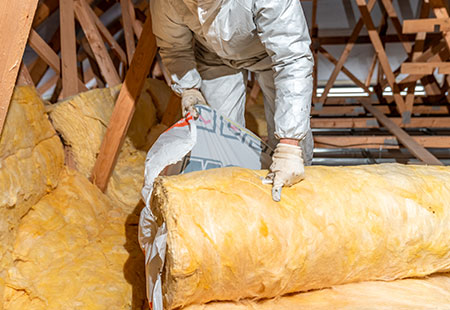
Loose-fill asbestos insulation may resemble cotton, wool, or soft grey dust. Pipe insulation can appear as a thick white or grey covering wrapped around heating pipes. Boiler insulation may look like a hard protective coating or an uneven fibrous layer.
In some older buildings, asbestos-containing materials are hidden beneath metal jackets, plaster, paint, or other protective coverings. Therefore, the absence of visible fibers does not necessarily mean that a building is free from asbestos.
It is important to remember that color, texture, and age are only clues. None of these characteristics can independently establish whether a material contains asbestos.
Different Types of Asbestos Insulation
1. Loose-Fill Asbestos Insulation

Certain older loose-fill products contained asbestos, including some materials made with asbestos minerals. Their appearance can be confusing because modern cellulose and mineral-wool insulation may look similar.
If an unidentified loose material is discovered in an older attic or wall cavity, avoid touching, moving, or collecting it. Do not use a household vacuum cleaner because disturbing the material could release harmful airborne fibers.
2. Pipe Insulation
Older asbestos-containing pipe coverings may have a chalky or plaster-like appearance. They were sometimes covered with canvas, metal sheets, or protective coatings to prevent damage.
This type of insulation deserves particular attention because maintenance work can disturb it. Drilling, cutting, scraping, or removing pipe coverings may release asbestos fibers if the material contains asbestos. Never remove an unidentified pipe covering yourself.
3. Boiler Insulation
Boiler insulation may appear as a thick, rough, greyish-white coating or a dense protective layer. In some cases, it resembles plaster or cement. Other products were manufactured as insulation boards or flexible coverings.
Older boilers in industrial facilities and residential buildings may contain asbestos in concealed components. Even if the exterior looks intact, asbestos-containing materials could be present underneath protective panels or inside insulation layers.
A qualified asbestos professional should assess suspicious boiler materials before maintenance or replacement work begins.
4. Asbestos Insulation Boards
These boards may resemble ordinary plasterboard, cement board, or construction panels. Their color can range from pale grey to off-white, depending on the manufacturing process and surface treatment.
Some boards have smooth painted surfaces, while exposed edges may appear rough or compact. Because asbestos fibers are often embedded within the board, they may not be visible to the naked eye.
Damaged or broken boards can release fibers, particularly when cut, drilled, sanded, or demolished. Avoid disturbing suspicious boards until their composition has been professionally assessed.
5. Sprayed Asbestos Insulation
Its appearance can be rough, uneven, and textured. Some applications look like a thick grey or white coating, while others have a fluffy or popcorn-like surface.
Sprayed materials can be particularly concerning when damaged because they may be relatively soft and easily disturbed. Deterioration, vibration, renovation, or accidental contact can potentially release asbestos fibers.
If you discover an unusual textured coating in an older building, do not scrape or test it yourself.
Where Can Asbestos Insulation Be Found?
Asbestos insulation was used in many different parts of older buildings. Its location depends on the construction period, building design, and materials selected during installation.
Common locations include:
-
Attics and roof spaces: Older insulation materials may be present around roof structures and inside cavities.
-
Heating pipes: Pipe coverings may contain asbestos-based thermal insulation.
-
Boiler rooms: Boilers, heating equipment, and connecting systems may have protective insulation.
-
Walls and ceilings: Certain insulation boards and sprayed coatings were used in building interiors.
-
Industrial facilities: Factories and power plants historically used asbestos insulation around machinery and high-temperature equipment.
-
Fireproof partitions: Some older fire-resistant boards contained asbestos.
Finding insulation in one of these locations does not automatically mean it contains asbestos. A professional inspection is necessary to determine the material’s composition.
What Colors Can Asbestos Insulation Have?
Asbestos-containing insulation does not have a standard color. Its appearance depends on the type of product, additional ingredients, surface coatings, and exposure to environmental conditions.
Some common colors include:
White: Certain pipe coverings, insulation boards, and loose-fill products may appear white or off-white.
Grey: Older thermal insulation and cement-based products may have a grey appearance.
Brown: Some materials contain brown fibers or have a brownish surface because of their composition or aging.
Yellowish: Certain insulation products may develop a yellow or cream-colored appearance over time.
Dark Grey: Industrial insulation and older protective coverings may appear dark because of dirt, aging, or surface treatments.
Color alone is not a reliable identification method. Modern insulation can have the same colors as asbestos-containing materials.
Can You Identify Asbestos Insulation by Texture?
Texture can provide useful clues, but it cannot confirm asbestos content. Some older materials have a soft, fluffy appearance, while others are rough, compact, brittle, or cement-like.
Loose insulation may resemble wool or cotton. Pipe coverings can feel hard and chalky, while sprayed insulation may have an uneven, textured surface. Insulation boards generally have a solid construction and may resemble other building panels.
However, touching a suspicious material to examine its texture is not recommended. Physical contact can damage fragile surfaces and potentially release dangerous fibers. It is safer to observe the material from a distance and arrange professional testing.
How Can You Tell If Insulation Contains Asbestos?
There is no dependable visual test for asbestos. Even experienced construction workers cannot always identify asbestos-containing materials simply by looking at them.
The most reliable approach involves a professional asbestos survey and laboratory analysis. A qualified inspector can examine the building, assess suspicious materials, and determine whether sampling is appropriate.
Laboratories commonly use specialized techniques, including polarized light microscopy and transmission electron microscopy, depending on the material and testing requirements.
If testing is necessary, sample collection should be performed by a trained professional using appropriate safety procedures. Homeowners should not break, scrape, cut, or collect samples themselves.
What Should You Do If You Find Suspected Asbestos Insulation?
Discovering suspicious insulation can be concerning, especially during renovation or property maintenance. However, taking the correct precautions can reduce the possibility of exposure.
Follow these basic steps:
-
Do not disturb the material: Avoid touching, scraping, drilling, cutting, or removing it.
-
Keep people away: Restrict access to the affected area, especially for children and pets.
-
Avoid cleaning it: Do not sweep, brush, or vacuum suspected asbestos material.
-
Contact a qualified professional: Arrange an inspection and appropriate laboratory testing.
-
Follow expert recommendations: Depending on its condition and location, the material may be managed in place, enclosed, repaired, or professionally removed.
It is also important not to panic. Asbestos-containing material that remains undamaged and undisturbed generally presents a lower exposure risk than material that is deteriorating or being disturbed.
Is All Old Insulation Made with Asbestos?
No. Not all insulation found in older buildings contains asbestos. Several traditional and modern insulation materials do not contain asbestos, including fiberglass, mineral wool, cellulose, and certain foam products.
These materials can sometimes look similar to asbestos-containing insulation, making visual identification difficult.
The construction date of a building can provide useful background information. Buildings constructed or renovated during periods when asbestos was widely used may have a greater possibility of containing asbestos materials. However, construction dates alone cannot confirm its presence or absence.
The only dependable way to establish whether a particular insulation product contains asbestos is through appropriate professional assessment and testing.
Why Is Asbestos Insulation Dangerous?
The primary danger associated with asbestos comes from microscopic fibers that can become airborne when asbestos-containing materials are damaged or disturbed. These fibers are small enough to enter the respiratory system when inhaled.
Long-term exposure to asbestos has been linked to serious illnesses, including mesothelioma, lung cancer, and asbestosis. These diseases may develop many years after exposure, which makes prevention especially important.
Intact asbestos-containing materials are generally less likely to release fibers when they remain undisturbed. However, damaged insulation, deteriorating coatings, and renovation activities can increase the risk of fiber release.
For this reason, suspected asbestos should never be treated like ordinary household insulation. Professional evaluation and appropriate management are essential.
Frequently Asked Questions (FAQs)
1. What does asbestos insulation look like?
It can look like fluffy white or grey fibers, rough plaster-like coatings, solid insulation boards, or thick coverings around pipes and boilers. Its appearance varies depending on the product and installation method. Visual inspection alone cannot confirm asbestos content.
2. Does asbestos insulation always look fluffy?
No. Some asbestos-containing insulation products are fluffy, but others are hard, compact, cement-like, or board-shaped. Pipe insulation and sprayed coatings can have very different appearances.
3. Can white insulation contain asbestos?
Yes. Some older white insulation products contained asbestos, but many non-asbestos materials are also white. Color cannot determine whether a material is hazardous.
4. Is asbestos insulation dangerous if it is not damaged?
Undamaged asbestos-containing insulation that remains undisturbed generally presents a lower risk of releasing fibers. However, it should still be monitored and professionally assessed, particularly before renovation or maintenance.
5. How do professionals test asbestos insulation?
Qualified professionals inspect the material and, when appropriate, collect samples using controlled procedures. A specialized laboratory then analyzes the samples to determine whether asbestos is present.
6. Should I remove old insulation if I suspect asbestos?
No. Do not attempt to remove suspected asbestos insulation yourself. Contact a qualified asbestos professional who can recommend the appropriate management or removal procedure.
Conclusion
Understanding what does asbestos insulation look like can help property owners recognize potentially hazardous materials in older buildings. It may appear as fluffy grey fibers, white pipe coverings, rough sprayed coatings, solid insulation boards, or cement-like protective layers. However, these visual characteristics are not enough to confirm its presence.
The most important precaution is to avoid disturbing unidentified insulation, particularly during renovation, repairs, or demolition. Damaged asbestos-containing materials can release microscopic fibers that pose serious long-term health risks.
If you discover suspicious insulation, keep the area undisturbed and contact a qualified professional for inspection and laboratory testing. Early identification and responsible management can help protect occupants, workers, and anyone involved in maintaining an older property.