

Introduction
Asbestos is a naturally occurring group of minerals that was widely used in construction, manufacturing, insulation, and various industrial applications. It became popular because of its heat resistance, durability, strength, and insulating properties. For many years, asbestos-containing materials were used in residential buildings, commercial properties, factories, and public infrastructure. However, researchers later discovered that exposure to asbestos fibers could cause serious health problems, making awareness of this material extremely important.
One common question people ask when inspecting older buildings is, what does asbestos look like? Understanding its general appearance can help people recognize materials that may require professional inspection. However, identifying asbestos by appearance alone is not reliable because asbestos fibers are extremely small and are often mixed with other materials. Some asbestos-containing products look like ordinary cement, insulation, floor tiles, or textured coatings. Therefore, professional testing is necessary to confirm whether a material contains asbestos.
1. Understanding What Asbestos Is
Asbestos refers to a group of naturally occurring silicate minerals that form in the Earth’s crust. These minerals have a fibrous structure, meaning they can separate into extremely thin fibers. Their unusual physical properties made them valuable for industrial and construction purposes, particularly during the twentieth century.
Asbestos was commonly added to insulation boards, roofing sheets, cement products, pipe coverings, ceiling materials, and floor tiles. Manufacturers used it because it could withstand high temperatures and provide protection against fire. It was also relatively inexpensive and offered good resistance to chemical damage.
Although asbestos-containing materials can remain undisturbed for decades, they may become dangerous when damaged, cut, drilled, broken, or disturbed. These activities can release microscopic fibers into the air, where they may be inhaled. This is why understanding the appearance and potential locations of asbestos is an important part of building safety.
2. What Does Asbestos Look Like?
When discussing what does asbestos look like, it is important to understand that asbestos does not have one specific appearance. Its color, texture, and physical form depend on the mineral type and the product in which it has been used.
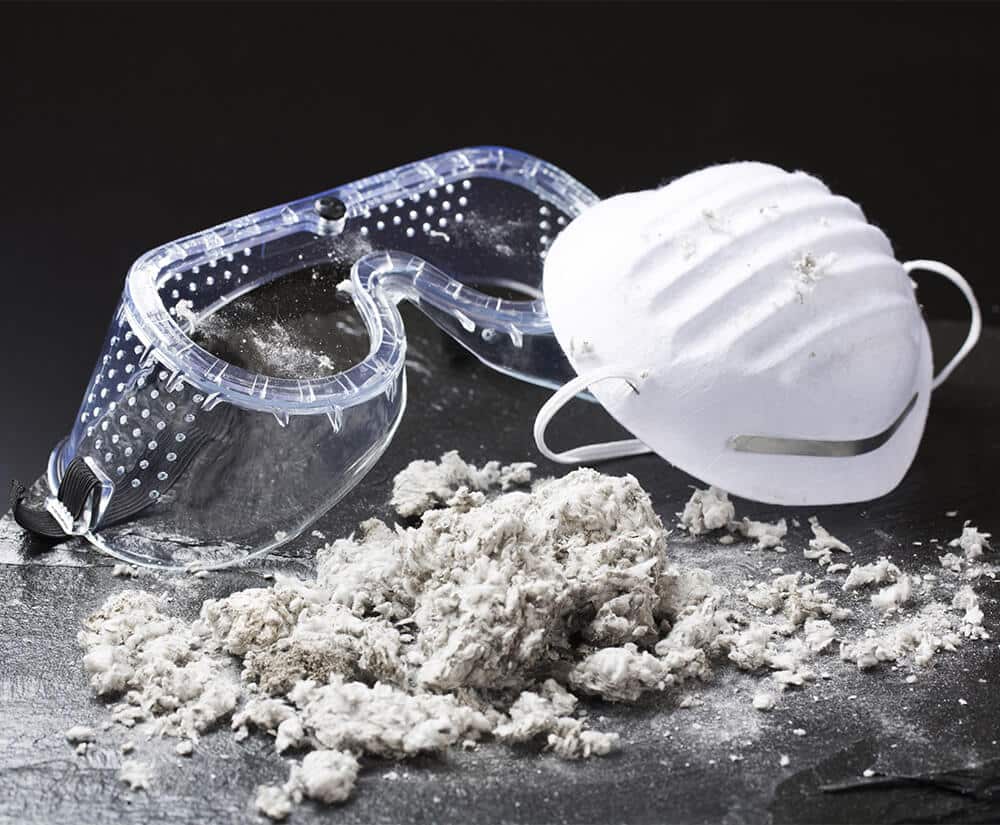
In its natural mineral form, asbestos may appear as fibrous masses, silky strands, or bundles of thin fibers. It can have white, gray, green, brown, or blue coloring. Some varieties have a soft, fluffy appearance, while others appear more solid and compact.
In manufactured building products, asbestos is often impossible to recognize visually. For example, asbestos cement roofing sheets may look like ordinary cement sheets, while older floor tiles may resemble modern vinyl flooring. Insulation materials containing asbestos may appear powdery, fibrous, or dense depending on their composition.
Consequently, visual inspection should only be treated as an initial warning sign rather than a reliable identification method.
3. Different Colors of Asbestos
Asbestos minerals occur in several colors. These colors are associated with different mineral varieties, although the appearance of finished products may be completely different.
White Asbestos: Chrysotile, commonly called white asbestos, is one of the most widely used asbestos varieties historically. It generally has a white, grayish, or pale appearance and consists of fine, curly fibers.
Blue Asbestos: Crocidolite is known as blue asbestos. Its natural mineral appearance can range from blue-gray to darker blue shades. It was historically used in certain insulation and industrial products.
Brown Asbestos: Amosite is commonly called brown asbestos. It can appear brown, gray, or golden-brown and has relatively straight, brittle fibers.
These names describe naturally occurring mineral varieties. They do not mean that a building material containing asbestos will necessarily display the same color.
4. What Does Asbestos Look Like in Houses?
Older residential properties may contain asbestos in several building components. The material was historically incorporated into products designed for insulation, fire protection, roofing, flooring, and sound control.
Potential locations include old ceiling panels, textured ceiling coatings, wall insulation, pipe coverings, roofing materials, and certain floor tiles. Some older cement sheets and boards may also contain asbestos.
The appearance varies considerably. A ceiling panel may look like a regular construction board, while pipe insulation may have a thick, layered covering. Roofing sheets may have a corrugated cement appearance, and flooring materials may resemble ordinary decorative tiles.
It is important to remember that not every old building material contains asbestos. Similarly, a modern-looking product cannot automatically be considered asbestos-free. The construction date, product history, and laboratory examination are more useful than appearance alone.
5. Common Places Where Asbestos May Be Found
Asbestos-containing products were used in numerous construction applications. People inspecting older properties should understand the common areas where these materials may have been installed.
Some possible locations include:
-
Roofing materials: Certain older corrugated cement sheets and roofing products.
-
Ceilings: Some ceiling boards, textured coatings, and insulation materials.
-
Walls: Certain insulation boards and older wall construction products.
-
Pipes: Historical pipe insulation and protective coverings.
-
Flooring: Some older vinyl floor tiles and associated backing materials.
-
Heating systems: Certain boiler insulation, furnace components, and heat-resistant materials.
Finding one of these products does not automatically mean asbestos is present. These are simply locations where asbestos-containing materials may occur, especially in older buildings.
6. What Does Asbestos Insulation Look Like?
Asbestos insulation has been used in different forms depending on the building application. Older insulation products may have a fluffy, fibrous, layered, or compact appearance.
Pipe insulation is one example. It may appear as a thick covering around heating or water pipes. Some historical products were manufactured as rigid sections, while others were applied as insulating compounds.
Loose-fill insulation can sometimes resemble fluffy mineral material, but many other insulation products have a similar appearance. Insulation boards may also look like ordinary construction panels.
Because these materials can release fibers when disturbed, people should never touch, scrape, remove, or collect samples from suspicious insulation. A qualified asbestos professional should assess the material and arrange appropriate testing.
7. How to Identify Asbestos-Containing Materials
Many people believe asbestos can be identified through its color or texture. Unfortunately, this is not scientifically reliable. Even experienced building inspectors cannot confirm the presence of asbestos simply by looking at a material.
The most dependable identification method involves laboratory analysis of a properly collected sample. Specialized laboratories use established analytical techniques to determine whether asbestos fibers are present.
A professional assessment may consider the building’s age, renovation history, construction materials, and the condition of suspected products. Experts can also determine whether the material is damaged and whether it requires management or removal.
If you are researching what does asbestos look like, remember that recognizing a suspicious material is only the first step. Laboratory testing provides the confirmation needed to make informed safety decisions.
8. Why Is Asbestos Dangerous?
Asbestos becomes particularly dangerous when microscopic fibers are released into the air and inhaled. These fibers can enter the respiratory system and remain in the body for many years.
Long-term asbestos exposure is associated with serious diseases, including:
Mesothelioma: A rare and aggressive cancer affecting the lining of the lungs or other internal organs.
Lung Cancer: Asbestos exposure increases the risk of lung cancer, particularly when combined with cigarette smoking.
Asbestosis: A chronic lung condition caused by scarring of lung tissue following prolonged asbestos exposure.
Pleural Diseases: Exposure can also cause changes in the lining surrounding the lungs.
These illnesses may develop many years after exposure. This long delay makes asbestos awareness and preventive measures especially important.
9. What Should You Do If You Find Material That May Contain Asbestos?
Discovering suspicious material in an older property can be concerning. However, the safest response is to avoid disturbing it and arrange a professional assessment.
First, stop any activity that could damage the material. Avoid drilling, sanding, cutting, breaking, or scraping the suspected surface. Keep children, pets, and other occupants away from the affected area.
Do not attempt to sweep or vacuum visible dust from potentially contaminated materials using an ordinary household vacuum cleaner. Such activities may spread fibers into the surrounding environment.
Contact a qualified asbestos inspection professional who can evaluate the material and recommend appropriate testing. If asbestos is confirmed, the expert can advise whether the material should remain safely managed in place or be handled by a licensed or otherwise appropriately qualified removal contractor under applicable local regulations.
10. Can Asbestos Be Found in Modern Buildings?
Asbestos use has declined significantly in many countries because of its established health risks. However, the regulations and restrictions differ between countries, and older building materials may remain in existing structures.
In India, asbestos cement products have historically been used in roofing sheets, pipes, and other construction applications. Therefore, people renovating older houses, warehouses, factories, or commercial properties should pay attention to potentially asbestos-containing materials.
Some countries have introduced strict bans, while others regulate particular applications. This means the age of a building alone cannot establish whether asbestos is present.
Anyone purchasing, renovating, or demolishing an older property should consider a professional asbestos assessment before beginning work that could disturb existing construction materials.
11. Difference Between Asbestos and Ordinary Insulation
Asbestos-containing insulation can resemble several non-asbestos insulation products. This makes visual identification difficult, particularly in older buildings where different materials may have been installed during multiple renovation projects.
Modern insulation commonly includes fiberglass, mineral wool, cellulose, and other manufactured materials. These products can also have fibrous or fluffy textures.
For example, fiberglass insulation may appear as soft, fluffy material, while mineral wool can have a dense, wool-like structure. Some asbestos insulation products may have similar appearances.
The important difference is their composition rather than their visible appearance. Even when a material looks like ordinary fiberglass or mineral wool, its contents should not be assumed without appropriate evidence.
12. Important Safety Precautions When Inspecting Older Buildings
Building inspections should always prioritize safety, particularly when asbestos-containing materials are suspected. People should avoid unnecessary contact with old insulation, damaged ceiling panels, roofing products, and other potentially hazardous construction materials.
Never break a suspicious material to examine its internal structure. Do not collect loose fibers or carry samples home for personal inspection. Avoid using compressed air, household brushes, or ordinary vacuum cleaners around suspected asbestos debris.
Property owners should maintain records of professional inspections and laboratory results. If asbestos is confirmed, keeping the material undisturbed and in good condition may sometimes be safer than removing it unnecessarily.
Professional advice is particularly important before renovation, demolition, or maintenance activities. Proper assessment helps reduce the possibility of accidental exposure and protects workers and building occupants.
Frequently Asked Questions (FAQs)
1. What does asbestos look like in its natural form?
Natural asbestos may appear as bundles of fine fibers, silky mineral strands, or fibrous masses. Its colors can include white, gray, blue, brown, and green, depending on the mineral variety.
2. Can you identify asbestos by looking at it?
No. Asbestos cannot be reliably identified through appearance alone. Many asbestos-containing products look similar to ordinary construction materials. Laboratory analysis is necessary for confirmation.
3. What color is asbestos usually?
Asbestos minerals can have different colors. Chrysotile is generally white or grayish, crocidolite is associated with blue-gray shades, and amosite can appear brown or golden-brown.
4. Is asbestos dangerous if it is not damaged?
Asbestos-containing materials that remain intact and undisturbed generally present a lower risk of releasing fibers. However, their condition should be monitored by an appropriate professional.
5. Should I remove asbestos from my house myself?
No. DIY removal is not recommended because disturbing asbestos-containing materials can release dangerous fibers. Contact a qualified professional for inspection, testing, and appropriate management.
6. How can I confirm whether an old roof contains asbestos?
You cannot confirm asbestos through the roof’s appearance alone. Some older corrugated cement roofing products may contain asbestos, so professional inspection and laboratory testing are recommended before renovation or removal.
Conclusion
Understanding what does asbestos look like is an important part of recognizing potential hazards in older buildings. Asbestos minerals can naturally appear in different colors and fibrous forms, but manufactured products may look like ordinary cement sheets, ceiling panels, insulation, or flooring materials. This makes visual identification unreliable.
The safest approach is to avoid disturbing suspicious materials and seek professional inspection and laboratory testing. If asbestos is confirmed, appropriate management can help prevent the release of harmful fibers. Whether you are maintaining an older home, renovating a commercial property, or inspecting construction materials, awareness and professional guidance are essential for protecting long-term health and safety.