


Introduction
Asbestos is a naturally occurring group of mineral fibers that was widely used for decades because of its strength, heat resistance, and ability to resist corrosion. It became common in construction materials, insulation, roofing products, flooring, pipes, and various industrial applications. However, damaged or disturbed asbestos-containing materials can release tiny fibers into the air. When these fibers are inhaled, they can remain in the lungs and may cause serious health problems after a long period. Because the risks can develop many years after exposure, understanding where asbestos may be present and how it should be handled is important for homeowners, workers, building managers, and renovation professionals. Modern safety practices focus on identifying potentially hazardous materials, preventing unnecessary disturbance, and using qualified professionals when inspection, testing, or removal is necessary.
What Is Asbestos?
Asbestos refers to several naturally occurring minerals that form long, thin, strong fibers. Historically, manufacturers valued these fibers because they could withstand high temperatures and provide insulation and durability. Different types were incorporated into products such as cement sheets, insulation, textured coatings, floor tiles, roofing materials, and fire-resistant components. In many older buildings, asbestos may still exist in materials installed before restrictions were introduced. The presence of an asbestos-containing material does not automatically mean that people are being exposed. Materials that are intact and left undisturbed may present considerably less immediate risk than materials that are damaged, cut, sanded, drilled, or demolished. The main concern arises when fibers become airborne and are inhaled. For that reason, identifying suspect materials before renovation or repair work is an important part of building safety.
Where Can Asbestos Be Found?
Older residential, commercial, and industrial buildings may contain asbestos in a variety of locations. Its historical use was extensive because manufacturers incorporated it into products with different purposes. Some materials may look ordinary, making visual identification unreliable.
Common locations and products that may contain asbestos include:
- Insulation around pipes, boilers, or heating systems
- Cement roofing sheets and siding products
- Older floor tiles and vinyl flooring materials
- Certain ceiling tiles and textured coatings
- Insulation boards and fire-resistant panels
- Some older adhesives, sealants, and construction materials
- Industrial equipment and heat-resistant components
Because appearance alone cannot reliably confirm whether a material contains asbestos, suspected materials should not be disturbed simply to investigate them. Professional sampling and laboratory analysis may be appropriate when confirmation is necessary.
Why Is Asbestos Dangerous?
The major health concern associated with asbestos is exposure to airborne fibers. When asbestos-containing materials are disturbed, microscopic fibers can become suspended in the air. A person may inhale these fibers without realizing it because they are extremely small. Once inhaled, some fibers can become lodged in lung tissue and contribute to inflammation and other biological changes.
Health effects associated with significant or prolonged exposure can include serious diseases such as asbestosis, lung cancer, and mesothelioma. The risk can vary depending on factors such as the amount and duration of exposure, the type of work performed, and other individual circumstances. Smoking can substantially increase the risk of lung cancer among people exposed to asbestos. Importantly, asbestos-related diseases often have long latency periods, meaning symptoms may not appear until many years after exposure.
Common Asbestos-Related Health Problems
The effects of asbestos exposure are not always immediate. Some conditions can take decades to develop, which makes prevention especially important. Medical evaluation can help people understand potential risks when there has been significant occupational or environmental exposure.
| Health condition | General description |
|---|---|
| Asbestosis | A chronic lung condition involving scarring of lung tissue |
| Mesothelioma | A rare and serious cancer associated with asbestos exposure |
| Lung cancer | Cancer of the lungs for which asbestos is an established risk factor |
| Pleural changes | Changes or thickening involving the lining around the lungs |
| Other respiratory effects | Breathing problems may occur depending on exposure and individual factors |
Anyone concerned about past occupational exposure should discuss the situation with an appropriate healthcare professional rather than relying on symptoms alone.
How Does Asbestos Exposure Happen?
Exposure generally becomes a concern when asbestos-containing materials are damaged or disturbed. Routine activities such as cutting, drilling, sanding, scraping, breaking, or demolishing suspect materials can release fibers. Renovation projects in older buildings can therefore create particular risks if materials are not assessed beforehand.
Workers in construction, demolition, maintenance, insulation, shipbuilding, manufacturing, and other industries may have historically faced greater exposure. Household exposure can also occur when workers accidentally bring fibers home on clothing or equipment. Current safety practices emphasize controlling dust, avoiding unnecessary disturbance, using suitable protective procedures, and following applicable regulations. If an older material is in good condition and does not need to be disturbed, leaving it alone may be safer than attempting to remove it without professional guidance.
Asbestos in Older Buildings
The age of a building can provide a useful clue when assessing whether asbestos-containing materials might be present, but age alone cannot confirm their presence or absence. Materials installed many decades ago may remain in walls, floors, ceilings, roofs, mechanical systems, and other parts of a structure.
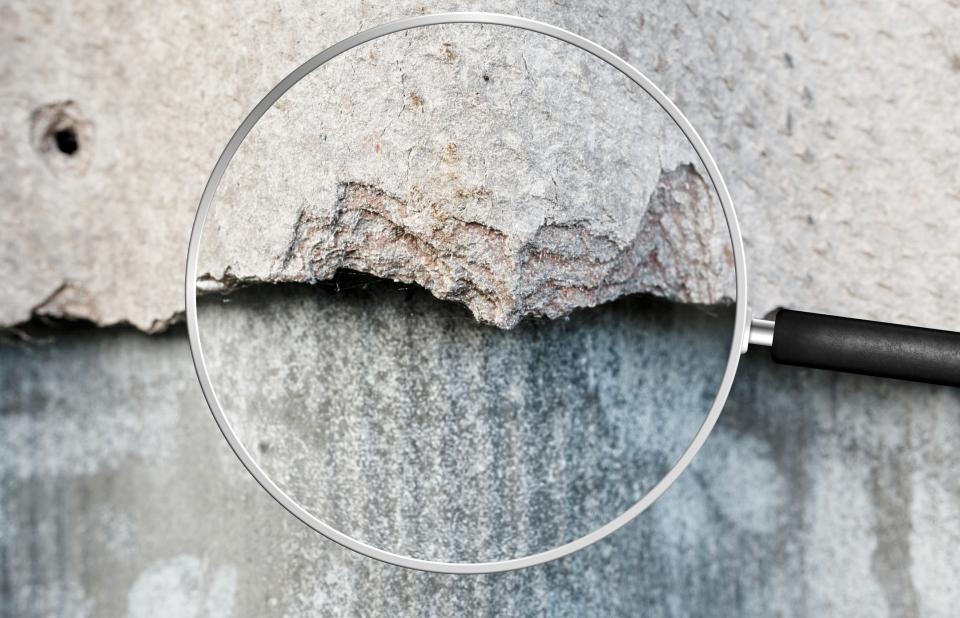 Before major renovation work, property owners should consider whether suspect materials could be affected. A professional asbestos inspection or survey may be appropriate depending on the building and local requirements. This is particularly important when planned work involves demolition, removal of flooring, changes to ceilings, pipe repairs, or other activities capable of disturbing hidden materials.
Safe Handling and Removal
Asbestos-containing materials should never be casually removed as an ordinary household renovation task. Attempting to break, scrape, or dispose of suspect materials without appropriate controls can increase the possibility of airborne fibers.
Important safety principles include:
- Do not drill, cut, sand, or break suspect materials.
- Keep damaged areas isolated when possible.
- Avoid sweeping or creating dust around suspected material.
- Obtain professional assessment when asbestos may be present.
- Use trained and properly equipped professionals for regulated removal.
- Follow local requirements for transportation and disposal.
- Keep unauthorized people away from active work areas.
The exact requirements for inspection, containment, removal, worker protection, and waste disposal vary by jurisdiction. Professional guidance is therefore particularly important for larger projects.
Testing and Identification
There is no dependable way for an untrained person to confirm asbestos simply by looking at a material. Some asbestos-containing products have a distinctive appearance, while others may look identical to ordinary building materials. Laboratory analysis of an appropriate sample is generally used when confirmation is required.
If testing is necessary, the safest approach is to have sampling performed by a qualified professional who understands appropriate procedures. Collecting samples yourself can disturb the material and potentially release fibers. Before renovation begins, property owners should consider professional assessment when older materials could be affected by planned work.
Who May Face Greater Occupational Risk?
Certain occupations historically involved higher levels of exposure because workers regularly handled asbestos-containing products. These can include construction workers, demolition crews, insulation installers, maintenance personnel, industrial workers, and workers involved with older buildings or equipment.
Workplace safety programs have become more sophisticated over time, but older exposure can remain relevant because asbestos-related diseases may have long latency periods. People with a history of occupational exposure should keep records of their work history where possible and discuss concerns with qualified healthcare professionals.
Practical Safety Tips
A cautious approach can significantly reduce unnecessary exposure. If you suspect asbestos in a building, avoid disturbing the material while deciding what action is appropriate.
Consider these basic precautions:
- Identify older or suspect materials before renovation.
- Do not perform DIY demolition on potentially asbestos-containing products.
- Keep children and other occupants away from damaged materials.
- Seek professional inspection when confirmation is needed.
- Use qualified specialists for removal or remediation.
- Follow local rules for asbestos waste disposal.
- Avoid creating dust around suspect materials.
- Keep documentation of inspections and professional work.
Why Professional Assistance Matters
Professional assistance is valuable because asbestos management involves more than simply removing a visible material. Specialists can assess the condition and location of suspect materials, determine whether testing is appropriate, establish controls for planned work, and follow applicable regulations. Improper handling can make a manageable situation more hazardous by spreading fibers through a building.
For homeowners, the safest decision is generally to avoid disturbing questionable materials until the situation has been assessed. For businesses and building managers, maintaining records and planning maintenance work carefully can reduce unexpected exposure risks. Professional involvement is particularly important when extensive renovation or demolition is planned.
Conclusion
Asbestos played an important role in construction and industry because of its strength, insulation properties, and resistance to heat. However, exposure to airborne fibers can cause serious long-term health problems, making proper identification and management essential. Older buildings may contain asbestos in insulation, flooring, roofing, ceilings, cement products, and other materials. The safest approach is to avoid disturbing suspect materials and seek qualified professional assistance when inspection, testing, or removal is required. Understanding the potential risks of asbestos can help homeowners, workers, and property managers make safer decisions. Prevention, careful planning, professional assessment, and compliance with applicable safety requirements remain the most effective ways to reduce unnecessary exposure.