


Introduction
Asbestos exposure occurs when a person inhales or, less commonly, swallows tiny asbestos fibers released into the air. Asbestos is a group of naturally occurring mineral fibers that were widely used in construction, insulation, manufacturing, and other industries because they are resistant to heat, fire, and chemicals. The major concern is that damaged or disturbed asbestos-containing materials can release microscopic fibers that remain airborne and may be inhaled. The danger is often associated with repeated or significant exposure, particularly in workplaces where asbestos materials are cut, drilled, removed, or damaged. However, exposure can also occur in older buildings when renovation or maintenance activities disturb hidden materials. Understanding where asbestos may be present, how exposure happens, and why proper safety procedures matter can help people make informed decisions about potentially contaminated environments.
What Is Asbestos Exposure?
Asbestos exposure happens when asbestos fibers become airborne or otherwise enter the body. Intact asbestos-containing materials generally pose less risk when they are left undisturbed because their fibers are less likely to become airborne. Problems can arise when materials deteriorate or are disturbed through drilling, sanding, cutting, demolition, remodeling, or improper removal. The fibers are extremely small and cannot always be seen without specialized equipment.
The level of risk can depend on several factors, including the concentration of fibers in the air, how long someone is exposed, how frequently exposure occurs, and the type of work being performed. Occupational exposure has historically been an important concern for construction workers, insulation workers, shipyard workers, mechanics, and people involved in asbestos removal. People living or working in older buildings may also encounter asbestos-containing products during renovation activities.
Where Can Asbestos Be Found?
Asbestos was incorporated into thousands of products because of its durability and resistance to heat. Older buildings may contain asbestos-containing materials in areas such as insulation, roofing, flooring, ceiling materials, cement products, pipes, and certain wall or construction materials. The presence of asbestos cannot reliably be determined simply by looking at a material.
Some commonly suspected locations include:
- Older insulation around pipes, boilers, or heating systems
- Certain older floor tiles, ceiling materials, and roofing products
- Some cement-based building products
- Materials used around furnaces and other heat-producing equipment
- Older industrial equipment and construction materials
A material that looks similar to an asbestos-containing product may contain no asbestos at all. Laboratory testing by qualified professionals may be necessary to identify asbestos safely.
Health Effects Associated With Asbestos
The health concerns associated with asbestos exposure are primarily related to inhalation of fibers. Once inhaled, some fibers can become lodged in lung tissue and may contribute to inflammation and scarring over time. Certain asbestos-related diseases can take many years or even decades to develop, which means a person may not notice immediate effects following an exposure.
Potential health conditions associated with asbestos include asbestosis, lung cancer, and mesothelioma. Asbestos exposure is also associated with an increased risk of certain other cancers. The likelihood of developing an asbestos-related disease varies according to factors such as exposure level, duration, occupational history, and smoking status.
It is important to understand that not everyone who encounters asbestos will develop an asbestos-related disease. Nevertheless, unnecessary exposure should be avoided because there is no reason to deliberately disturb asbestos-containing materials.
Asbestos Exposure and Symptoms
One of the difficult aspects of asbestos-related disease is that symptoms may not appear immediately. Some conditions associated with asbestos can have long latency periods. Early symptoms can also resemble those of many other respiratory conditions, making it impossible to determine the cause from symptoms alone.
Possible symptoms of asbestos-related lung conditions can include persistent coughing, shortness of breath, chest discomfort, reduced exercise tolerance, and unexplained changes in breathing. More serious symptoms may develop as a disease progresses.
People should not attempt to diagnose an asbestos-related condition based solely on symptoms. Anyone concerned about a significant past exposure should discuss their history with a qualified healthcare professional. Medical evaluation can take into account occupational history, smoking history, symptoms, and other relevant factors.
Who Faces a Higher Risk?
Historically, workers in industries that regularly handled asbestos have faced greater exposure risks. Construction, demolition, insulation, shipbuilding, manufacturing, and certain industrial maintenance jobs have all involved potential asbestos contact.
Risk may also increase when workers perform tasks that create dust from asbestos-containing materials. Cutting, grinding, drilling, sanding, breaking, or removing such materials can potentially release fibers.
People who work around older buildings should therefore understand the importance of workplace safety procedures. Employers and building managers may have responsibilities concerning identification, assessment, control, and removal of asbestos-containing materials, depending on local regulations.
Risk Factors and Exposure Situations
| Exposure Situation | Potential Concern | Safer Approach |
|---|---|---|
| Damaged old insulation | Fibers may become airborne | Avoid disturbing it |
| Renovation of an older building | Hidden materials may be disturbed | Arrange professional assessment |
| Demolition work | Large amounts of dust may be produced | Follow regulated safety procedures |
| Drilling or cutting old materials | Can release dust and fibers | Determine material status first |
| Workplace asbestos handling | Repeated exposure may occur | Use required protective controls |
The most important principle is to avoid disturbing a material that may contain asbestos unless it has been properly assessed and the work can be performed using appropriate controls. Ordinary household cleaning methods may not be suitable for asbestos contamination because sweeping or other activities can potentially spread contaminated dust.
How Can Asbestos Exposure Be Prevented?
Prevention focuses on identifying potentially hazardous materials and preventing fibers from becoming airborne. If an older building contains suspected asbestos materials, people should avoid drilling, sanding, breaking, or removing them without appropriate assessment.
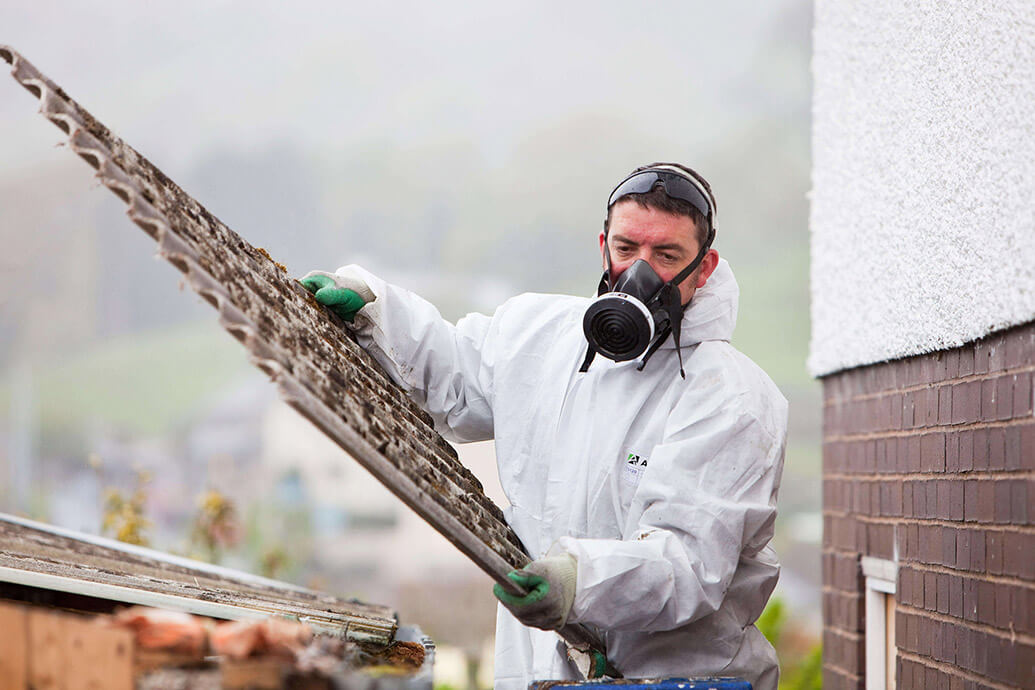 Professional asbestos specialists can evaluate materials and determine whether testing or controlled removal is necessary. Where asbestos is confirmed, specialized procedures may be required depending on the material’s condition and the proposed work.
Useful precautions include:
- Do not disturb suspected asbestos-containing materials unnecessarily.
- Avoid creating dust around old building materials.
- Use qualified professionals for asbestos assessment or removal.
- Follow applicable workplace and environmental regulations.
- Keep children and untrained people away from areas undergoing asbestos-related work.
What Should You Do After Possible Exposure?
A possible exposure does not automatically mean that a person will develop an asbestos-related illness. However, it can be useful to document what happened, particularly if the exposure occurred at work or during building renovation. Information such as the location, type of work, approximate duration, and date can help a healthcare professional understand the circumstances.
If a person believes they have experienced significant exposure, they should consider discussing the situation with a qualified healthcare professional. Workers may also need to report occupational exposure through the appropriate workplace process.
People should not attempt to remove suspected asbestos from clothing, buildings, or equipment using unsafe methods. If contamination is suspected, professional advice can help determine the appropriate response.
Asbestos Exposure in Older Homes
Older homes can contain materials that were manufactured with asbestos. The presence of these materials does not necessarily mean that the building is immediately dangerous. In many cases, the greater concern occurs when materials are damaged or disturbed.
Homeowners planning renovation work should therefore consider whether older construction materials require professional assessment before work begins. Removing flooring, opening walls, modifying ceilings, replacing insulation, or performing demolition can disturb materials that were previously hidden.
The safest approach is to avoid assuming that a material is asbestos-free simply because it looks harmless. Professional assessment is particularly important before major renovation or demolition activities in older properties.
Why Professional Removal Matters
Asbestos removal is not the same as ordinary home improvement work. Improper removal can create airborne fibers and potentially expose workers, occupants, and nearby people. Professional asbestos contractors use specialized procedures designed to control dust and prevent unnecessary spread of contamination.
Depending on local requirements and the material involved, removal may include controlled work areas, specialized protective equipment, containment procedures, appropriate waste handling, and careful cleanup. Regulations vary by location, so property owners should follow the rules applicable to their area.
Attempting to save money through untrained removal can create additional risks. Professional assessment and controlled work are generally preferable when asbestos-containing materials are suspected.
Long-Term Awareness and Safety
The long latency associated with some asbestos-related diseases makes awareness especially important. A person may have encountered asbestos years before understanding that the material was hazardous. Keeping accurate records of occupational exposure, renovation activities, or known asbestos-containing materials can be useful for future reference.
Workplaces with potential asbestos hazards should have appropriate risk-management procedures. Employees should receive relevant safety information and training when their jobs could involve asbestos. Building owners and contractors also need to understand their responsibilities before maintenance or construction work begins.
For the general public, the key lesson is simple: do not disturb suspected asbestos-containing materials unnecessarily. Professional assessment can provide a safer way to determine what a material is and what action, if any, is required.
Conclusion
Asbestos exposure remains an important environmental and occupational safety concern because microscopic asbestos fibers can cause serious health problems when inhaled. The risk is particularly relevant when asbestos-containing materials are damaged, disturbed, renovated, or improperly removed. Although many people may encounter asbestos without developing an asbestos-related disease, unnecessary exposure should still be avoided.
Recognizing potentially hazardous materials, avoiding DIY disturbance, using qualified professionals, and following applicable safety regulations are important preventive measures. Anyone concerned about a significant past exposure should discuss the circumstances with an appropriate healthcare professional rather than relying on symptoms alone. Greater awareness of asbestos exposure can help homeowners, workers, employers, and building managers make safer decisions and reduce avoidable risks.