

Introduction
Asbestos was once widely used in construction due to its durability, fire resistance, and insulating properties. However, over time, it became clear that exposure to asbestos fibers can cause severe health problems, including lung diseases and cancer. As a result, many homeowners, builders, and property managers now prioritize asbestos removal to ensure a safe environment.
Understanding the process, risks, costs, and regulations involved in asbestos removal is essential before taking action. Whether you are dealing with an old house, a commercial building, or renovation work, proper knowledge can help you make informed decisions. This comprehensive guide explains everything you need to know about asbestos removal, from identification to disposal, while maintaining safety and compliance with regulations.
What is Asbestos and Why is it Dangerous?
Asbestos is a naturally occurring mineral composed of thin, fibrous crystals. It was commonly used in roofing sheets, insulation, cement, floor tiles, and pipe coverings. Despite its useful properties, asbestos becomes hazardous when disturbed, releasing microscopic fibers into the air.
When inhaled, these fibers can lodge in the lungs and cause serious diseases such as:
- Asbestosis (lung scarring)
- Lung cancer
- Mesothelioma (a rare but aggressive cancer)
Because these diseases may take decades to develop, many people are unaware of exposure until it is too late. This is why timely asbestos removal is critical in older buildings.
Where is Asbestos Commonly Found?
Before planning asbestos removal, it is important to identify where asbestos may exist. Common areas include:
- Roofing sheets and shingles
- Ceiling tiles and insulation
- Cement pipes and water tanks
- Floor tiles and adhesives
- Wall panels and coatings
Older buildings constructed before the 1990s are more likely to contain asbestos materials. Professional inspection is often required to confirm its presence.
When is Asbestos Removal Necessary?
Not all asbestos-containing materials need immediate removal. In some cases, they can be left undisturbed if they are in good condition. However, asbestos removal becomes necessary when:
- Materials are damaged or deteriorating
- Renovation or demolition is planned
- Fibers are becoming airborne
- Health risks are identified
Attempting to remove asbestos without proper precautions can increase exposure risk. Therefore, it is essential to evaluate the situation carefully.
Methods of Asbestos Removal
There are several techniques used in asbestos removal depending on the material and condition. Each method must be carried out with strict safety protocols.
1. Encapsulation
This method involves sealing asbestos materials with a protective coating to prevent fiber release. It is often used when materials are intact and stable.
2. Enclosure
In this approach, asbestos-containing materials are covered or enclosed within a barrier, isolating them from the environment.
3. Full Removal
This is the most comprehensive method, where asbestos materials are completely removed from the site. It is necessary when materials are severely damaged or during major renovations.
Among these, full asbestos removal is considered the most effective but also the most complex and costly option.
Step-by-Step Asbestos Removal Process
The process of asbestos removal involves multiple stages to ensure safety and compliance:
- Inspection and Testing
Samples are collected and tested in a laboratory to confirm the presence of asbestos. - Planning and Risk Assessment
A removal plan is created, including safety measures and required equipment. - Area Preparation
The work area is sealed off using plastic sheeting and negative air pressure systems. - Protective Equipment Usage
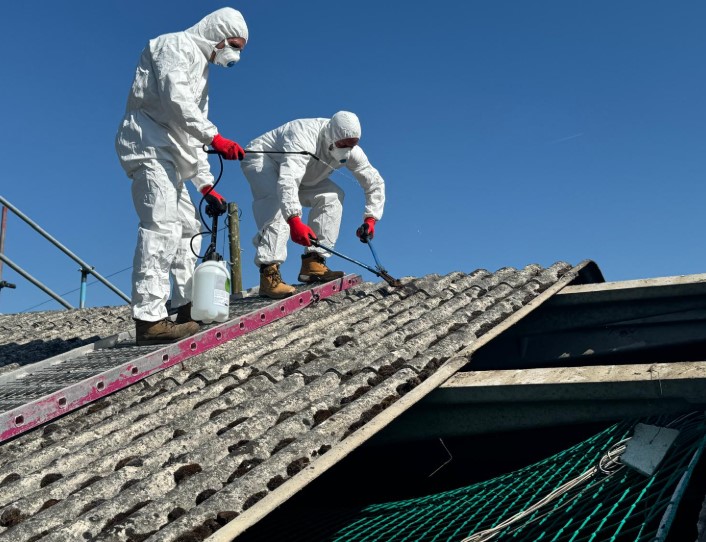
Workers wear specialized gear such as respirators, gloves, and protective suits. - Careful Removal
Materials are removed without breaking or disturbing fibers unnecessarily. - Waste Disposal
Asbestos waste is sealed in labeled containers and disposed of at approved facilities. - Final Inspection
Air quality is tested to ensure the area is safe for reoccupation.
Proper asbestos removal requires trained professionals to minimize risks.
Cost of Asbestos Removal
The cost of asbestos removal can vary depending on several factors, including the size of the area, type of material, and complexity of the job.
Estimated Cost Table
| Type of Work | Estimated Cost Range (INR) |
|---|---|
| Inspection and Testing | 2,000 – 10,000 |
| Small Area Removal | 15,000 – 50,000 |
| Roofing Sheet Removal | 50,000 – 2,00,000 |
| Full House Removal | 2,00,000 – 10,00,000+ |
| Disposal Charges | 5,000 – 20,000 |
These costs can vary depending on location and labor charges. Investing in professional asbestos removal ensures safety and long-term health protection.
Safety Precautions During Asbestos Removal
Safety is the most critical aspect of asbestos removal. Without proper precautions, exposure can become extremely dangerous.
Key safety measures include:
- Wearing certified protective gear
- Using wet methods to reduce dust
- Avoiding breaking asbestos materials
- Sealing work areas completely
- Proper ventilation control
- Safe disposal procedures
Never attempt DIY asbestos removal without proper training and equipment, as it can lead to serious health risks.
Legal Regulations and Guidelines
Many countries have strict laws governing asbestos removal due to its hazardous nature. In India, regulations are evolving, and guidelines focus on safe handling and disposal.
Important aspects include:
- Hiring licensed professionals
- Following environmental safety standards
- Proper labeling and disposal of waste
- Avoiding illegal dumping
Failure to comply with regulations can result in legal penalties and health hazards.
Professional vs DIY Asbestos Removal
One common question is whether homeowners can handle asbestos removal themselves. While small-scale work may seem manageable, it is generally not recommended.
Professional Removal
- Ensures safety and compliance
- Uses advanced equipment
- Minimizes health risks
DIY Removal
- Lower initial cost
- High risk of exposure
- Lack of proper disposal methods
In most cases, professional asbestos removal is the safest and most reliable choice.
Environmental Impact of Asbestos
Improper handling of asbestos can harm not only human health but also the environment. Airborne fibers can spread to nearby areas, affecting communities and ecosystems.
Responsible asbestos removal helps:
- Prevent air contamination
- Protect soil and water sources
- Ensure safe waste management
Sustainable practices are essential for minimizing environmental damage.
Common Myths About Asbestos Removal
There are many misconceptions surrounding asbestos removal. Understanding the truth can help you make better decisions.
- Myth: Asbestos is safe if left alone forever
Fact: It can become dangerous if damaged over time - Myth: DIY removal is easy
Fact: It requires specialized knowledge and equipment - Myth: All old buildings contain asbestos
Fact: Only certain materials and construction periods are affected
Clearing these myths is crucial for proper handling and safety.
Tips for Homeowners
If you suspect asbestos in your property, consider these tips:
- Do not disturb suspected materials
- Get professional testing done
- Avoid drilling or cutting surfaces
- Hire certified asbestos removal experts
- Follow safety guidelines strictly
Being cautious can prevent serious health issues.
Future of Asbestos Usage and Removal
With growing awareness and strict regulations, the use of asbestos has significantly declined worldwide. Modern construction materials are safer and more environmentally friendly.
However, older buildings still pose risks, making asbestos removal an ongoing necessity. Advances in technology are improving detection, removal techniques, and disposal methods, ensuring safer outcomes.
Conclusion
Asbestos remains one of the most hazardous materials used in construction history. While it once provided durability and insulation benefits, its health risks far outweigh its advantages. Proper asbestos removal is essential for protecting both human health and the environment.
From identifying asbestos-containing materials to choosing the right removal method, every step requires careful planning and execution. Hiring professionals, following safety protocols, and complying with legal regulations are key to ensuring a safe process.
Although the cost of asbestos removal may seem high, it is a valuable investment in long-term safety and peace of mind. Ignoring the problem can lead to severe health consequences and higher expenses in the future.
Ultimately, awareness and responsible action are the best ways to manage asbestos risks. Whether you are renovating an old property or maintaining an existing one, prioritizing asbestos removal ensures a healthier and safer living environment for everyone.