

Introduction
Asbestos has long been recognized as a versatile material due to its durability, heat resistance, and insulating properties. Among its many applications, asbestos sheets have been widely used in construction for roofing, wall cladding, and industrial purposes. For decades, builders and homeowners preferred these sheets because they were affordable, easy to install, and highly resistant to fire and harsh weather conditions. However, despite these advantages, growing awareness about health risks has significantly changed how people view and use asbestos-based materials.
Understanding asbestos sheets is essential for anyone involved in construction, renovation, or property maintenance. Whether you are considering using them, already have them installed, or simply want to learn more, having accurate and comprehensive knowledge can help you make informed decisions. This guide explores everything from their composition and applications to their potential hazards and safety measures.
What Are Asbestos Sheets?
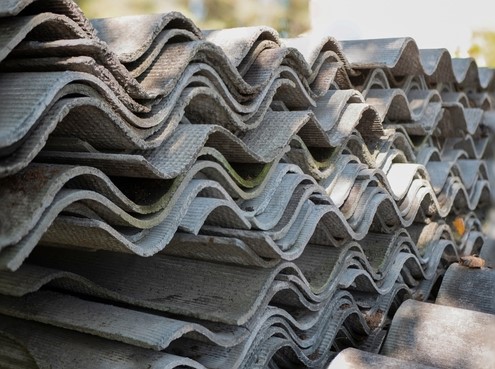
Asbestos sheets are construction materials made by combining asbestos fibers with cement or other binding agents. The result is a strong, lightweight, and durable sheet that can be used in various building applications. These sheets are commonly found in industrial buildings, warehouses, rural homes, and agricultural structures.
The primary reason asbestos sheets became so popular lies in their unique properties. They are resistant to fire, moisture, and corrosion, making them suitable for extreme environments. Additionally, their ability to insulate heat and sound made them a preferred choice in both residential and commercial construction.
Types of Asbestos Sheets
There are different types of asbestos sheets available, each designed for specific applications. The most common ones include corrugated sheets, flat sheets, and textured sheets. Corrugated sheets are widely used for roofing because of their strength and ability to drain water efficiently. Flat sheets are often used for wall partitions, ceilings, and decorative panels.
Textured sheets, on the other hand, provide enhanced aesthetic appeal while maintaining durability. Choosing the right type depends on the purpose, environmental conditions, and budget.
Common Uses in Construction
Asbestos sheets have been used in a wide range of construction projects. Their versatility makes them suitable for both residential and industrial settings. In rural areas, they are often used for roofing due to their affordability and resistance to weather conditions. In urban environments, they have been used in older buildings for insulation and fireproofing.
Industrial facilities frequently rely on asbestos sheets for roofing and wall cladding because they can withstand high temperatures and harsh chemicals. Agricultural structures such as barns and storage units also benefit from their durability and low maintenance requirements.
Advantages of Asbestos Sheets
One of the main reasons asbestos sheets gained widespread popularity is their numerous advantages. They are highly durable and can last for decades without significant wear and tear. Their resistance to fire makes them a safe option in environments where fire hazards are a concern.
Another benefit is their affordability. Compared to other roofing and construction materials, asbestos sheets are relatively inexpensive, making them accessible for large-scale projects. They also require minimal maintenance, which further reduces long-term costs.
Additionally, these sheets provide excellent insulation. They help maintain indoor temperatures by reducing heat transfer, which can lead to energy savings in both residential and commercial buildings.
Disadvantages and Health Risks
Despite their advantages, asbestos sheets pose serious health risks if not handled properly. The primary concern arises when asbestos fibers become airborne and are inhaled. Prolonged exposure can lead to severe respiratory diseases, including asbestosis, lung cancer, and mesothelioma.
The danger is particularly high when the sheets are damaged, cut, or deteriorating. In such cases, microscopic fibers are released into the air, making it easy for individuals to inhale them unknowingly. This is why many countries have imposed strict regulations or bans on the use of asbestos-based materials.
Another disadvantage is the environmental impact. Improper disposal of asbestos sheets can contaminate soil and water, posing risks to both humans and wildlife.
Safety Precautions When Handling
If you are dealing with asbestos sheets, safety should be your top priority. Proper handling and protective measures can significantly reduce the risks associated with exposure. Always wear protective gear such as masks, gloves, and coveralls when working with these materials.
Avoid cutting, drilling, or breaking the sheets unless absolutely necessary. If modifications are required, it is best to hire professionals who are trained in handling asbestos safely. Wetting the sheets before handling can help minimize the release of fibers into the air.
Proper disposal is equally important. Asbestos waste should be sealed in labeled containers and disposed of according to local regulations. Never mix it with regular construction waste.
Alternatives to Asbestos Sheets
Due to health concerns, many safer alternatives have been developed to replace asbestos sheets. Materials such as fiber cement sheets without asbestos, metal roofing, polycarbonate sheets, and clay tiles are now widely used.
These alternatives offer similar benefits in terms of durability and insulation without the associated health risks. While some options may be more expensive initially, they provide long-term safety and peace of mind.
Cost and Pricing Factors
The cost of asbestos sheets varies depending on several factors, including size, thickness, quality, and location. Although they are generally affordable, prices can fluctuate based on market demand and availability.
Below is a table highlighting approximate pricing factors:
| Factor | Description | Impact on Price |
|---|---|---|
| Sheet Size | Larger sheets cost more | High |
| Thickness | Thicker sheets are more durable | Medium |
| Quality Grade | Higher quality ensures longer lifespan | High |
| Location | Transportation and local demand affect pricing | Medium |
| Brand/Manufacturer | Established brands may charge premium rates | Medium |
Understanding these factors can help you make a cost-effective decision when purchasing materials for your project.
Environmental Impact
The environmental impact of asbestos sheets cannot be ignored. When disposed of improperly, they can release harmful fibers into the environment, leading to contamination. This not only affects human health but also poses risks to ecosystems.
Modern regulations emphasize proper disposal and encourage the use of eco-friendly alternatives. Recycling asbestos materials is complex and requires specialized facilities, which further highlights the importance of reducing their use.
Legal Regulations and Guidelines
Many countries have introduced strict regulations regarding the use and disposal of asbestos sheets. In some regions, their use is completely banned, while others allow limited use under controlled conditions.
Regulations typically require proper labeling, safe handling procedures, and certified professionals for removal and disposal. It is crucial to be aware of local laws before using or removing asbestos-based materials to avoid legal complications.
Maintenance and Inspection
If your property already has asbestos sheets installed, regular maintenance and inspection are essential. Check for signs of damage such as cracks, chips, or weathering. Damaged sheets are more likely to release harmful fibers.
Avoid cleaning methods that involve high pressure or abrasive techniques. Instead, use gentle cleaning methods to prevent disturbance of the material. If significant damage is detected, consult professionals for repair or replacement.
Future of Asbestos Sheets
The future of asbestos sheets is gradually declining as awareness of health risks continues to grow. Many industries are shifting toward safer and more sustainable materials. Innovations in construction technology have led to the development of advanced materials that offer better performance without compromising safety.
While existing structures may still contain asbestos sheets, their use in new construction projects is becoming increasingly rare. This shift reflects a broader commitment to health, safety, and environmental responsibility.
Conclusion
Asbestos sheets have played a significant role in the construction industry for many years, offering durability, affordability, and resistance to fire and weather. However, their associated health risks have led to a major shift in how they are perceived and used today. Understanding their composition, applications, and potential dangers is essential for making informed decisions.
While they may still be present in older buildings, modern construction increasingly favors safer alternatives that provide similar benefits without the risks. If you encounter asbestos sheets in your property, proper handling, maintenance, and disposal are crucial to ensure safety.
In the end, the key lies in balancing practicality with health considerations. By staying informed and following recommended guidelines, you can effectively manage the risks while exploring better and safer construction solutions for the future.