

Introduction
Asbestos is a naturally occurring group of minerals that was widely used in construction, manufacturing, insulation, and other industries because of its strength, heat resistance, and durability. For many years, it was considered a valuable material for buildings, industrial equipment, roofing, flooring, and fireproofing products. However, scientific research has established that inhaling asbestos fibers can cause serious diseases, including lung cancer, mesothelioma, and asbestosis. These health conditions may develop many years after the initial contact, making awareness and prevention especially important.
Understanding asbestos exposure helps individuals recognize potential hazards in older buildings, workplaces, and damaged construction materials. The level of risk depends on factors such as the concentration of airborne fibers, the duration and frequency of contact, and the condition of the material involved. While asbestos is dangerous when its fibers become airborne and are inhaled, not every encounter results in significant exposure. Learning how to identify possible hazards, avoid disturbing suspicious materials, and seek professional assistance can help protect long-term health.
What Is Asbestos?
Asbestos refers to a group of naturally occurring silicate minerals that form thin, durable fibers. These fibers can withstand high temperatures, resist many chemicals, and provide effective insulation. Because of these properties, asbestos was used extensively in various commercial and residential products throughout the twentieth century. Common applications included pipe insulation, cement sheets, ceiling tiles, roofing materials, floor tiles, brake components, and industrial protective products.
Although asbestos-containing materials can remain stable for many years, they may release microscopic fibers when damaged, cut, drilled, sanded, demolished, or improperly removed. These fibers are too small to be seen easily and can remain suspended in the air before being inhaled. Once inside the respiratory system, some fibers can become trapped in lung tissue and remain there for a long time. This persistence is one reason asbestos-related illnesses can emerge decades after exposure occurred.
Common Sources of Asbestos Exposure
Asbestos exposure can happen in several environments, particularly where older construction materials or industrial products are present. Workers in construction, shipbuilding, insulation installation, manufacturing, and demolition have historically faced higher risks because their jobs may involve disturbing asbestos-containing materials. Maintenance workers and renovation contractors may also encounter these hazards while repairing older buildings.
Residential exposure is possible when asbestos-containing materials are damaged or disturbed during renovations. Older insulation, cement products, textured coatings, and certain flooring materials may contain asbestos, depending on their age, location, and manufacturing history. Household members of workers can also face secondary exposure when contaminated dust or fibers are carried home on clothing, footwear, tools, or equipment. However, the presence of asbestos in a building does not automatically mean fibers are being released. The condition of the material and the activities taking place around it are important factors in determining potential risk.
How Does Asbestos Enter the Body?
The main route of asbestos exposure is inhalation. When asbestos-containing materials release microscopic fibers into the air, people nearby may breathe them into their respiratory systems. Some fibers can travel deep into the lungs, where the body’s natural defense mechanisms may struggle to remove them. Over time, persistent fibers can contribute to inflammation, tissue damage, and cellular changes associated with asbestos-related diseases.
Swallowing asbestos fibers can also occur when contaminated dust enters the mouth or is cleared from the respiratory tract and swallowed. However, inhalation is the primary concern in most occupational and environmental situations. Direct contact with intact asbestos-containing material generally presents less risk than activities that release airborne fibers. Nevertheless, people should avoid handling suspicious materials unnecessarily because visual inspection alone cannot reliably establish whether a material contains asbestos or whether it is releasing fibers.
Health Risks Associated With Asbestos Exposure
The health effects of asbestos exposure can be serious, especially when exposure is repeated or substantial. Asbestos is a known human carcinogen, and inhaled fibers may contribute to diseases that develop after a long latency period. The amount of exposure, duration of contact, type of fibers, and individual health factors can influence the likelihood of developing illness.
Major asbestos-related diseases include asbestosis, lung cancer, and mesothelioma. Asbestosis is a chronic lung condition caused by scarring of lung tissue, which can make breathing increasingly difficult. Lung cancer may develop following asbestos exposure, and the risk is particularly high among people who also smoke. Mesothelioma is a cancer affecting the lining of the lungs or other internal organs and is strongly associated with asbestos exposure. These conditions are not immediate reactions; symptoms may take decades to appear. Preventing further exposure and seeking appropriate medical advice are important steps for people with a known history of contact.
Symptoms and Warning Signs

One important challenge with asbestos-related diseases is that symptoms often appear long after the exposure occurred. A person may feel healthy for many years before noticing breathing difficulties or other changes. Symptoms also overlap with those of many common illnesses, so they cannot establish an asbestos-related diagnosis on their own.
Possible warning signs include persistent coughing, shortness of breath, chest discomfort, unusual tiredness, and reduced exercise tolerance. Some individuals may experience unexplained weight loss or other symptoms when a serious disease develops. Asbestosis can cause progressive breathlessness, while mesothelioma and lung cancer may produce symptoms depending on the location and stage of the disease.
Anyone with a significant occupational or environmental history of asbestos contact should tell their healthcare professional about that history, particularly if new respiratory symptoms develop. A clinician can assess symptoms, review relevant medical information, and decide whether further investigations are appropriate. Severe breathing difficulty or sudden chest pain requires urgent medical assessment rather than waiting for a routine appointment.
Who Is at Greater Risk?
People who work directly with asbestos-containing materials have historically experienced the highest exposure levels. These groups can include insulation workers, construction laborers, demolition teams, shipyard workers, industrial maintenance staff, and workers involved in asbestos removal. Their risk depends on the materials handled, workplace conditions, protective measures, and duration of exposure.
People living near certain industrial operations or sites where asbestos-containing waste is improperly managed may also face potential environmental exposure. Family members of exposed workers may encounter fibers brought home on clothing or equipment, although the actual risk varies with the circumstances. Individuals who renovate older properties without checking for hazardous materials may unintentionally release fibers into indoor air.
Smoking deserves particular attention because it significantly increases lung cancer risk among people exposed to asbestos. Quitting smoking is an important health measure, but it does not eliminate the risk associated with previous asbestos contact. People with a history of exposure should discuss their occupational and environmental background with a healthcare professional to determine whether any monitoring or additional evaluation is appropriate.
How to Prevent Asbestos Exposure
Preventing exposure begins with identifying possible hazards before construction, maintenance, or renovation work starts. In older buildings, owners and contractors should arrange a suitable asbestos assessment when materials may contain asbestos and are likely to be disturbed. Qualified professionals can inspect suspect materials and arrange appropriate sampling when necessary.
The following precautions can reduce the likelihood of exposure:
-
Avoid drilling, cutting, sanding, scraping, or breaking suspected asbestos-containing materials.
-
Do not sweep or vacuum suspected asbestos dust using an ordinary household vacuum cleaner.
-
Keep people away from damaged materials that may release fibers.
-
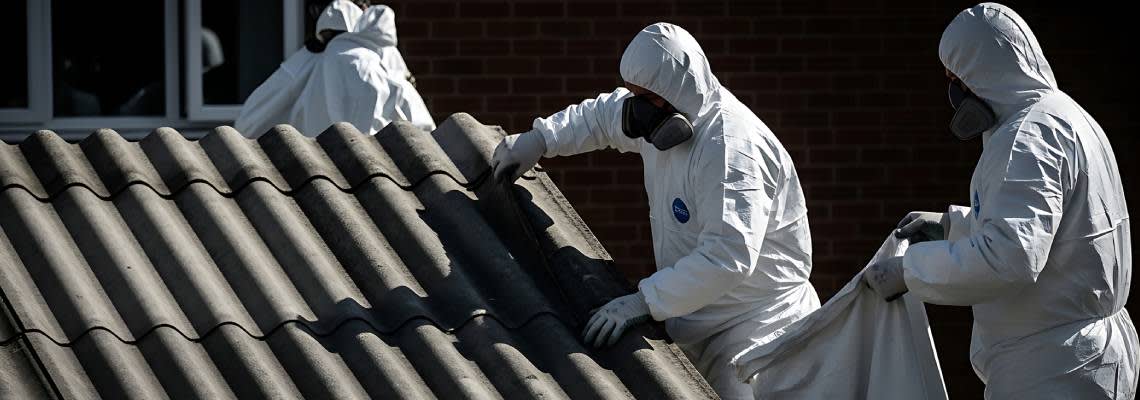
Use qualified asbestos professionals for inspection, testing, removal, and disposal.
-
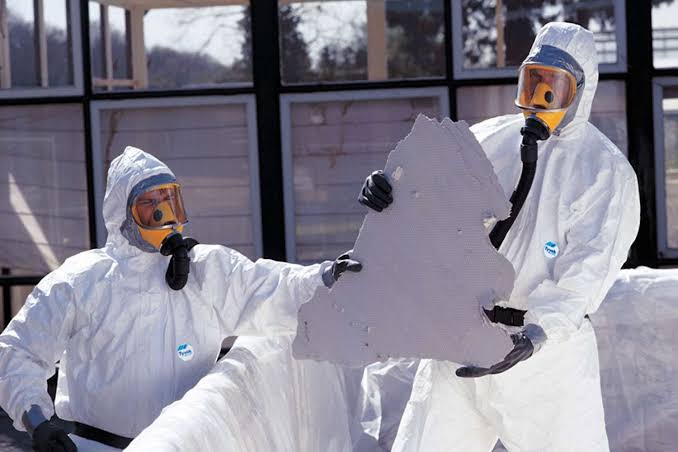
Follow applicable workplace safety requirements and use appropriate protective equipment under professional guidance.
These measures are particularly important during renovation and demolition projects. Ordinary dust masks and casual cleaning methods should not be treated as sufficient protection against asbestos fibers. If damaged material is discovered, stop work in the affected area and seek professional advice before attempting repairs or cleanup.
What to Do After Possible Asbestos Exposure
If you believe you have been exposed to asbestos, the first step is to move away from the suspected source without disturbing the material further. Avoid creating additional dust by sweeping, brushing, or shaking contaminated objects. If fibers may have settled on clothing or equipment, do not shake those items indoors or place them directly into an ordinary laundry load. Follow advice from qualified asbestos professionals or the relevant workplace safety authority regarding safe handling and decontamination.
Record the circumstances of the incident, including the location, type of activity, approximate duration, and any visible dust or damaged materials. Share this information with an occupational health specialist or healthcare professional, particularly if the exposure was substantial, repeated, or occurred at work. A single brief encounter does not mean that an asbestos-related disease will develop, but unnecessary future exposure should be prevented.
There is no immediate medical treatment that removes every inhaled asbestos fiber from the lungs. Doctors may recommend evaluation based on the exposure history and any symptoms. Routine imaging or screening is not automatically appropriate for everyone who has encountered asbestos, so decisions should be made according to individual circumstances and established medical guidance.
Asbestos Exposure in Older Buildings
Older buildings can contain asbestos in insulation, cement sheets, roofing products, flooring, pipe coverings, and other construction materials. However, the presence of these materials depends on the building’s age, location, renovation history, and the products used when it was constructed. A building’s age alone cannot confirm the presence of asbestos.
Materials that are intact, in good condition, and left undisturbed may release few or no fibers. In some situations, managing the material in place under professional guidance may be safer than removing it unnecessarily. Damaged materials or those affected by renovation work require careful assessment because disturbing them can increase the risk of airborne fibers.
Property owners should inform contractors about known or suspected asbestos before maintenance begins. Renovation plans should include appropriate inspection, containment, and disposal procedures where required. These precautions can protect construction workers, residents, neighboring occupants, and waste-handling personnel from avoidable exposure.
Diagnosis, Medical Evaluation, and Long-Term Monitoring
There is no single routine test that can reliably determine whether a person will develop an asbestos-related disease after an exposure incident. Medical evaluation generally begins with a detailed history covering occupational activities, residential environments, previous exposure, smoking history, and current symptoms. The healthcare professional may perform a physical examination and decide whether further testing is needed.
Depending on the situation, investigations may include chest imaging, lung-function tests, or other examinations intended to assess specific symptoms or suspected disease. These tests help evaluate health conditions rather than directly measure every asbestos fiber in the body. Their usefulness depends on the person’s exposure history, symptoms, and clinical findings.
Because asbestos-related illnesses can have a long latency period, people with significant past exposure should retain relevant work and medical records when possible. They should seek professional guidance about appropriate follow-up rather than assuming that feeling healthy today eliminates all future risk. Early assessment of concerning symptoms can help identify health problems that require treatment.
Conclusion
Asbestos exposure remains an important occupational, residential, and environmental health concern because microscopic fibers can cause serious illnesses many years after they are inhaled. Understanding where asbestos may be present, how fibers become airborne, and which activities increase the risk can help individuals make safer decisions. Although older materials may contain asbestos, their presence does not automatically indicate an immediate danger when they remain intact and undisturbed.
The most effective approach combines prevention, professional assessment, safe material management, and appropriate medical advice. People should never attempt to remove or clean up suspected asbestos-containing materials without suitable expertise and precautions. Anyone concerned about previous contact should share their exposure history with a healthcare professional and follow recommendations based on their individual circumstances. Awareness and responsible handling can significantly reduce avoidable risks and support healthier homes and workplaces.