

Introduction
If you have ever wondered what is asbestos, it is a naturally occurring group of fibrous minerals that has been used in construction, manufacturing, and other industries for many decades. Asbestos fibers are thin, strong, heat-resistant, and resistant to many chemicals, which made these minerals attractive for insulation, roofing, flooring, cement products, and industrial applications. However, the same material that offered excellent durability also created serious health concerns when its fibers became airborne and were inhaled.
Understanding asbestos is important because older buildings, homes, factories, schools, and other structures may still contain asbestos-containing materials. The presence of asbestos does not automatically mean that a building is dangerous. The greatest concern generally occurs when materials containing asbestos are damaged, disturbed, cut, drilled, sanded, or removed improperly. Learning about its characteristics, historical uses, potential health effects, and safe management can help people make informed decisions when dealing with older materials.
What Is Asbestos?
So, what is asbestos in simple terms? Asbestos is a naturally occurring mineral material made up of extremely fine, durable fibers. Several different minerals are classified as asbestos, and they are generally divided into two broad groups based on their fiber structures. These minerals became popular because they could withstand high temperatures while also providing strength, insulation, and resistance to fire and chemical damage.
Asbestos was incorporated into thousands of products, particularly during periods when manufacturers considered it a useful and affordable material. It could be mixed with cement, plastics, textiles, insulation products, and other materials. Its fibers were also useful in applications where resistance to heat and friction was important. The problem was not necessarily the existence of the material itself but the possibility that microscopic fibers could become airborne and enter the respiratory system. Once inhaled, some fibers can remain in the body for a very long time.
Why Was Asbestos Used So Widely?
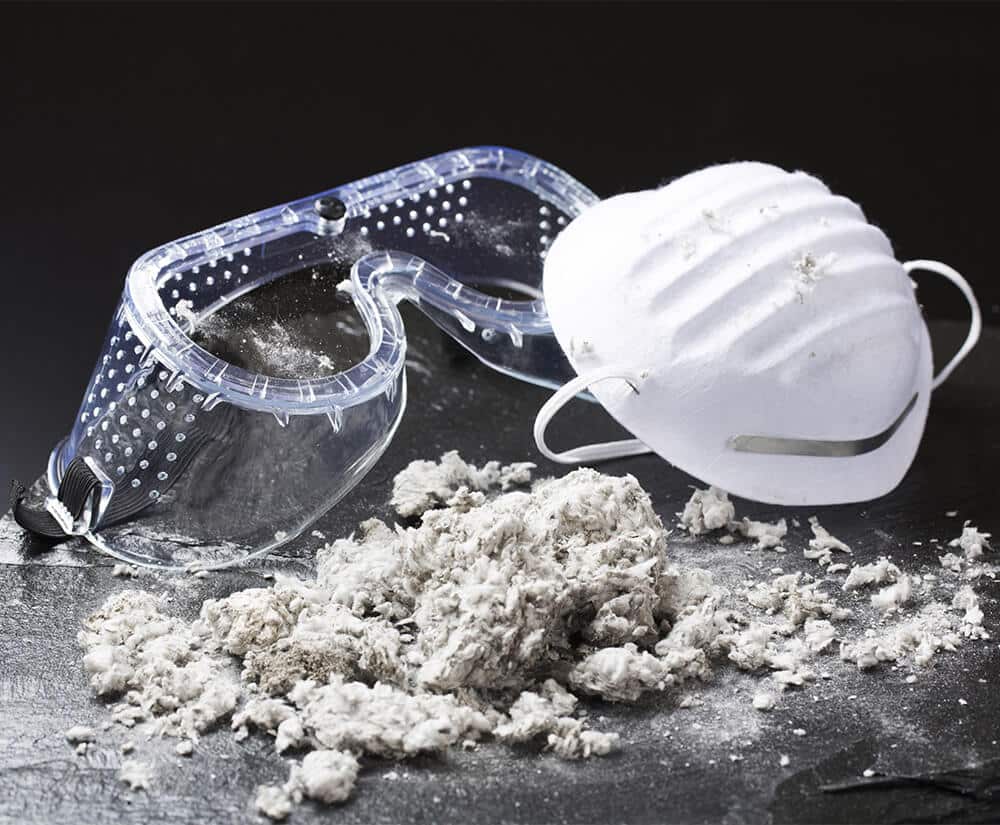
The popularity of asbestos can be explained by its unusual combination of physical properties. It is naturally resistant to heat and fire, has considerable tensile strength, and can provide useful insulation. It also does not easily react with many chemicals. These characteristics made it valuable in construction and industrial environments where materials needed to survive demanding conditions.
During much of the twentieth century, asbestos was incorporated into products ranging from insulation and roofing materials to floor tiles and cement sheets. It was also used in certain industrial equipment, brake components, pipes, and protective materials. Because asbestos could be blended with other substances, it became difficult to recognize in many finished products. As scientific evidence increasingly connected asbestos exposure with serious diseases, regulations concerning its use and handling became stricter in many countries.
Common Places Where Asbestos May Be Found
People asking what is asbestos often also want to know where they might encounter it. Older buildings can contain asbestos in many different materials. Depending on the building’s age, construction methods, and renovation history, asbestos may have been used in insulation around pipes and boilers, roofing products, cement sheets, floor tiles, ceiling materials, wall compounds, and certain textured coatings.
Asbestos-containing materials can look very different from one another. Some may appear hard and cement-like, while others can resemble insulation or fabric. This makes visual identification unreliable. A material that looks like asbestos may contain none, while an ordinary-looking building component could potentially contain asbestos. Therefore, people should avoid assuming that they can identify asbestos simply by looking at it.
When Does Asbestos Become Dangerous?
One of the most important facts about asbestos is that the risk is closely connected to exposure. Intact asbestos-containing material that is in good condition may not release significant quantities of fibers. The situation can change when the material is disturbed. Drilling, cutting, sanding, breaking, scraping, demolition, or improper removal can release microscopic fibers into the surrounding air.
Once airborne, asbestos fibers can be inhaled. They are too small to be easily seen and may remain suspended or settle on surfaces. This is why ordinary cleaning methods may not be appropriate after suspected asbestos has been disturbed. Professional assessment is often the safest approach when asbestos-containing material is suspected, particularly during renovation or demolition work.
Health Effects Associated With Asbestos Exposure
Understanding what is asbestos also means understanding why exposure is taken seriously. Inhaling asbestos fibers has been associated with several serious diseases. These include asbestosis, lung cancer, and mesothelioma, a relatively uncommon cancer that can affect the lining of the lungs or other areas of the body. Some evidence also connects asbestos exposure with cancers involving other organs.
Health effects may not appear immediately after exposure. Certain asbestos-related diseases can take decades to develop. This long latency period can make it difficult for people to connect a current diagnosis with exposure that happened many years earlier. The likelihood of developing an asbestos-related disease can depend on factors such as the amount and duration of exposure, the type of fibers involved, and individual circumstances. Smoking can also substantially increase the risk of lung cancer among people exposed to asbestos.
Asbestos and Older Buildings
Older buildings deserve particular attention because asbestos was widely incorporated into construction products during earlier decades. Homes, offices, schools, hospitals, factories, and industrial facilities may contain asbestos-containing materials depending on when and how they were built or renovated.
However, the age of a building alone cannot prove that asbestos is present. Construction records, product information, professional inspections, and laboratory analysis may be necessary to determine whether a particular material contains asbestos. If renovation work involves an older building and there is uncertainty about the materials, disturbing them before proper assessment can create unnecessary exposure.
How Is Asbestos Identified?
A common misunderstanding about asbestos is that it can always be recognized by appearance. In reality, many asbestos-containing products cannot be reliably identified simply through visual inspection. Their fibers are microscopic, and asbestos may be mixed into another material.
Professional asbestos inspectors or qualified laboratories can use appropriate sampling and analytical procedures to determine whether a material contains asbestos. Sampling itself can disturb a material, so it should not be attempted casually. If an older building contains suspicious insulation, flooring, roofing, ceiling material, or other products, obtaining professional advice before disturbing them is generally a safer approach.
Safe Management of Asbestos-Containing Materials
If asbestos-containing material is confirmed, immediate removal is not always necessary. In some situations, leaving material undisturbed and maintaining it in good condition can reduce the possibility of fiber release. Professionals may recommend management, enclosure, encapsulation, or removal depending on the material’s condition and the planned activity.
When removal is necessary, specialized procedures are used to control dust and prevent fibers from spreading. Workers may use appropriate protective equipment, controlled work areas, specialized tools, and approved waste-handling methods. Requirements differ between jurisdictions, so asbestos work should follow applicable local regulations and professional standards.
What Should You Do If You Suspect Asbestos?
If you suspect asbestos in a building, the safest first step is usually to avoid disturbing the suspected material. Do not drill, sand, break, scrape, or remove it simply to determine what it is. Keep people away from damaged areas and seek advice from a qualified asbestos professional or relevant local authority.
If material has already been accidentally disturbed, avoid creating additional dust. Do not sweep or use ordinary household cleaning methods that could spread fibers. Depending on the situation, professional assessment and specialized cleanup may be appropriate. Promptly addressing suspected exposure can help prevent unnecessary additional contact.
Asbestos in Renovation and Demolition Projects
Renovation projects can create particular concerns because activities such as removing walls, replacing flooring, repairing roofs, or modifying ceilings can disturb hidden materials. Before major work begins in an older structure, asbestos considerations should be included in the planning process.
Contractors and property owners should determine whether relevant materials require assessment before work starts. Professional asbestos surveys may be appropriate for larger projects, particularly where construction materials could be damaged or removed. Planning ahead can help protect workers, residents, neighbors, and others who could otherwise be exposed to airborne fibers.
Why Public Awareness Matters
Knowing what is asbestos is useful not only for construction professionals but also for homeowners, tenants, workers, and property managers. Awareness can prevent accidental disturbance of asbestos-containing materials and encourage people to seek appropriate advice before beginning renovation work.
Public awareness is particularly important because asbestos-related diseases may have long latency periods. Someone may feel completely healthy for years after exposure and still develop an asbestos-related condition much later. This makes prevention especially important. Reducing unnecessary exposure today can contribute to better long-term health outcomes.
Conclusion
Learning what is asbestos helps explain both its historical popularity and its continuing importance as a public health concern. Asbestos is a group of naturally occurring fibrous minerals valued for strength, insulation, heat resistance, and durability. These properties led to widespread use in construction and industrial products, particularly in older buildings.
The primary concern is the inhalation of airborne asbestos fibers, especially when asbestos-containing materials are damaged or disturbed. Because asbestos cannot always be identified visually, suspected materials should be treated carefully rather than removed or altered casually. Professional assessment, appropriate management, and safe work practices can significantly reduce unnecessary exposure. Whether you are renovating an older property or simply learning about building materials, understanding asbestos is an important step toward making safer and more informed decisions.