


Introduction
For many decades, asbestos was considered a useful material because of its strength, heat resistance, and durability. It was widely used in buildings, industries, and various products because it could withstand extreme temperatures and provide insulation. However, scientific research later revealed that exposure to asbestos fibers can create serious health concerns. Today, understanding this material is important for homeowners, workers, construction professionals, and anyone involved in renovation or demolition projects.
Many older buildings may still contain asbestos-containing materials because they were installed before strict safety regulations became common. The main concern is not simply the presence of asbestos but the release of tiny fibers into the air when materials are damaged, cut, or disturbed. Learning what is asbestos helps people recognize potential risks, understand where it may exist, and take appropriate precautions to avoid harmful exposure.
This guide explains the history, characteristics, common uses, health concerns, identification methods, and safe management practices related to asbestos.
What Is Asbestos?
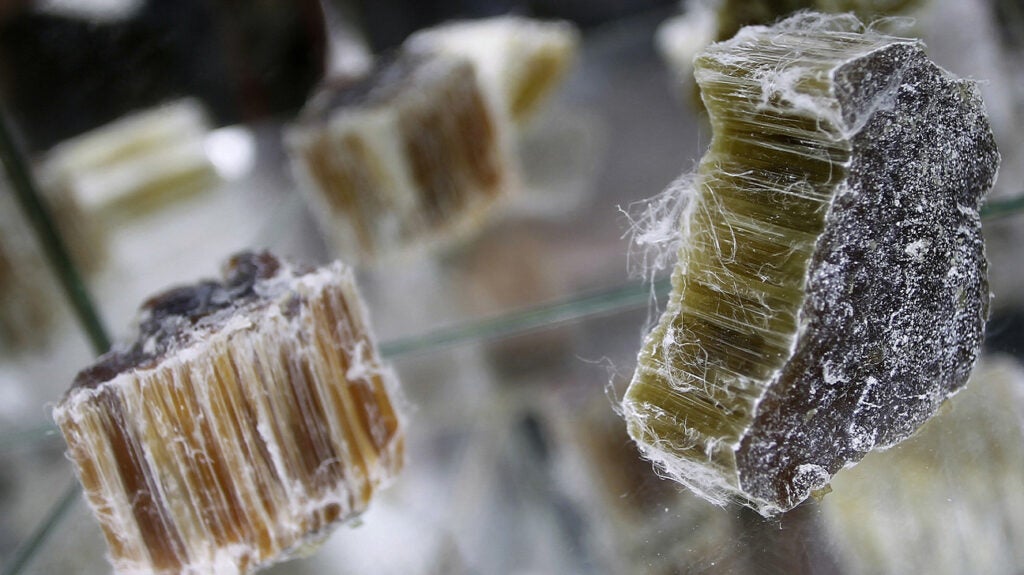
Asbestos is a naturally occurring mineral made up of thin, strong fibers that are resistant to heat, fire, and many chemicals. Because of these qualities, it became a popular material for construction, manufacturing, and industrial applications. The fibers are extremely small and can become airborne when asbestos-containing materials are broken, damaged, or disturbed.
There are several types of asbestos minerals, and they were commonly added to products to improve strength and durability. Although asbestos materials can remain stable when undamaged, problems occur when fibers become loose and are inhaled. Once airborne, these microscopic fibers can enter the respiratory system and may remain in the body for long periods.
Understanding what is asbestos is essential because many older structures may contain these materials, and proper identification is necessary before repair or removal work begins.
History and Common Uses of Asbestos
Asbestos has been used for thousands of years because ancient civilizations recognized its resistance to heat and fire. However, its widespread industrial use increased significantly during the twentieth century. Manufacturers used asbestos in construction materials, automotive products, textiles, and industrial equipment because it was inexpensive, durable, and effective for insulation.
Common applications included:
- Building insulation
- Roofing materials
- Floor tiles
- Cement products
- Pipe insulation
- Fire-resistant coatings
- Brake components
- Industrial protective materials
During periods of heavy use, asbestos was often considered a valuable building material. Many homes, schools, factories, and commercial structures constructed decades ago may still contain asbestos materials.
Why Was Asbestos Considered Useful?
The popularity of asbestos came from its unique physical properties. It does not burn easily, has excellent insulating abilities, and can strengthen certain materials when mixed with other substances. These characteristics made it attractive for industries where heat protection and durability were important.
| Property | Benefit |
|---|---|
| Heat Resistance | Used for fire protection |
| Strength | Improved durability of products |
| Chemical Resistance | Suitable for industrial environments |
| Insulation Ability | Helped control heat and electricity |
| Flexibility | Allowed use in different materials |
Although these qualities made asbestos useful in many industries, the discovery of serious health risks changed how it is viewed today.
Health Risks Associated With Asbestos Exposure
The major concern with asbestos is exposure to airborne fibers. When these fibers are inhaled, they can become trapped inside the lungs and may cause serious diseases after many years. Health effects often do not appear immediately because asbestos-related illnesses usually have a long development period.
Potential health problems linked to asbestos exposure include:
- Asbestosis, a condition causing lung scarring
- Lung cancer
- Mesothelioma, a rare cancer affecting protective tissues around certain organs
- Other respiratory complications
The level of risk depends on factors such as the amount of exposure, duration of exposure, and whether proper safety measures were used. People who worked regularly with asbestos materials historically faced higher risks due to repeated exposure.
Where Can Asbestos Be Found?
Many people assume asbestos exists only in factories or industrial locations, but it may also be present in older residential and commercial buildings. Before modern restrictions were introduced, asbestos was included in many construction products.
Possible locations include:
- Older insulation materials
- Ceiling and wall products
- Roofing materials
- Pipe coverings
- Floor coverings
- Electrical components
- Heating system materials
The presence of asbestos does not always mean immediate danger. Materials that remain intact and undisturbed may not release fibers. The main risk occurs when these materials are damaged or handled incorrectly.
How Asbestos Exposure Happens
Exposure usually occurs when asbestos-containing materials are disturbed. Activities such as drilling, cutting, sanding, breaking, or removing old building materials can release fibers into the air.
Common situations that may increase exposure risk include:
- Renovating older buildings
- Demolition work
- Repairing old insulation
- Improper removal of asbestos materials
- Disturbing damaged building components
For this reason, identifying materials before beginning renovation work is an important safety step. Professional assessment can help determine whether asbestos is present and what precautions are necessary.
Identifying Asbestos Materials
One of the biggest challenges with asbestos is that it cannot always be identified by appearance alone. Many asbestos-containing materials look similar to ordinary building products. A material may appear harmless while still containing asbestos fibers.
The safest approach involves professional inspection and testing. Experts can collect samples carefully and determine whether asbestos is present. Avoid disturbing suspicious materials because breaking them can release dangerous fibers into the environment.
Knowing what is asbestos and how it appears in older buildings helps property owners make safer decisions before starting repairs or improvements.
Safe Handling and Management Practices
Proper management is essential when asbestos materials are discovered. The goal is to prevent fibers from becoming airborne and reduce the chance of exposure.
Important safety practices include:
- Avoid damaging suspected asbestos materials
- Do not remove materials without proper training
- Use professional assessment services when needed
- Follow safety regulations during removal
- Keep areas controlled during asbestos work
In many cases, leaving asbestos-containing materials undisturbed may be safer than attempting unnecessary removal. Decisions should always be based on professional evaluation and the condition of the material.
Importance of Awareness and Prevention
Awareness plays an important role in reducing asbestos-related risks. Homeowners, workers, and building managers who understand the dangers can take better precautions before starting projects that may disturb older materials.
Education helps people recognize possible hazards and avoid unsafe actions. Simple steps such as checking building history, arranging inspections, and following safety guidelines can significantly reduce exposure risks.
Understanding what is asbestos allows individuals to make informed choices and protect themselves and others from unnecessary health dangers.
Conclusion
Asbestos is a naturally occurring mineral that was once widely valued for its strength, insulation ability, and resistance to heat. However, research has shown that exposure to airborne asbestos fibers can create serious health risks. While asbestos-containing materials may still exist in many older buildings, proper awareness and safe management can reduce potential dangers.
Learning what is asbestos helps homeowners, workers, and professionals understand where it may be found, why it can be harmful, and how to handle possible risks responsibly. The most important steps are avoiding unnecessary disturbance, seeking professional guidance when needed, and following established safety practices.
With proper knowledge and careful planning, people can better protect their health while managing older buildings and materials safely.