

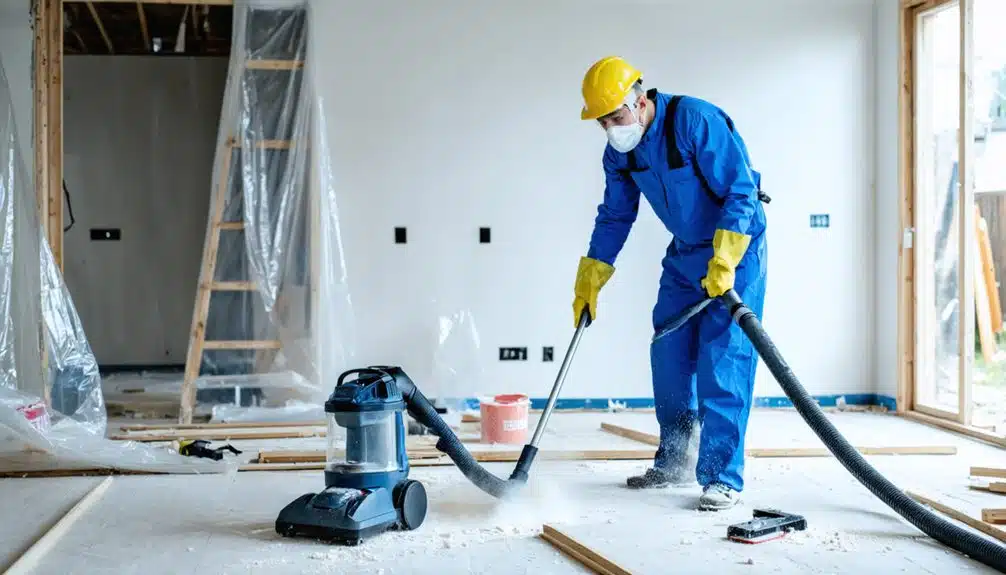
Garden and outdoor renovations can transform an older property, but projects around aging building materials require more planning than simply choosing plants, paving, fences, or outdoor furniture. When older structures contain Asbestos, activities such as digging, drilling, cutting, pressure washing, repairing walls, replacing roofing, or attaching garden features may unintentionally disturb materials. The main concern is not simply the presence of the material. The greater concern arises when suspect material is damaged or disturbed in a way that can release airborne fibers.
A safe renovation strategy therefore begins before the first shovel enters the ground. Homeowners should identify older building materials that could be affected by the project, determine whether suspect materials have been assessed, and plan the work so that unnecessary disturbance is avoided. The U.S. Environmental Protection Agency notes that it is generally impossible to confirm whether a material contains asbestos simply by looking at it, and recommends professional sampling when suspect material will be disturbed during renovation.
Outdoor work can create additional challenges because dust, debris, wind, rain, and foot traffic can move contaminants beyond the immediate work area. A garden renovation beside an older garage, shed, extension, fence, roof, or exterior wall should therefore be approached as a building-material safety project as well as a landscaping project. Careful planning can help homeowners achieve their landscaping goals without unnecessarily disturbing older construction materials.
Understanding the Risks Before Starting Outdoor Work
Why Existing Building Materials Matter
Older properties may contain asbestos-containing materials in locations that homeowners do not immediately associate with gardening. Roofing sheets, exterior cladding, cement products, insulation, old pipes, textured coatings, and other construction components may potentially contain it depending on the property’s age, construction history, and location. Not every older product contains asbestos, and visual inspection alone cannot reliably establish its presence.
The condition of the material is also important. Materials that remain intact and undisturbed generally present considerably less exposure concern than materials that are deteriorating, crumbling, or being mechanically disturbed. EPA guidance emphasizes that the risk increases when asbestos-containing materials are damaged or disturbed and fibers become airborne. This makes renovation planning particularly important because an otherwise stable material can become a concern if a new garden project requires drilling, cutting, breaking, scraping, or attaching structures to it.
Identify Areas That Could Be Disturbed
Before designing the garden, walk around the property and identify where construction materials meet the proposed renovation area. For example, a new pergola may require posts close to an old exterior wall, while a raised garden bed could require excavation beside an aging garage. A drainage project might require digging close to an older outbuilding, and installing outdoor lighting could require drilling through exterior surfaces.
Instead of assuming that every old material is safe, homeowners should document the areas that could be affected and obtain professional advice when suspect materials are present. Testing should be performed by appropriately qualified professionals and laboratories where required. This is especially important when the project involves direct disturbance rather than simply landscaping around an existing structure.
Plan the Garden Around Existing Structures
One of the simplest ways to reduce unnecessary disturbance is to design the renovation around existing building materials instead of modifying them. Garden layouts can often be changed without sacrificing the overall appearance of the property. For example, a homeowner could position a seating area farther from an older wall, use freestanding planters instead of fixtures attached to an aging structure, or select a pathway that avoids areas where excavation could affect questionable materials.
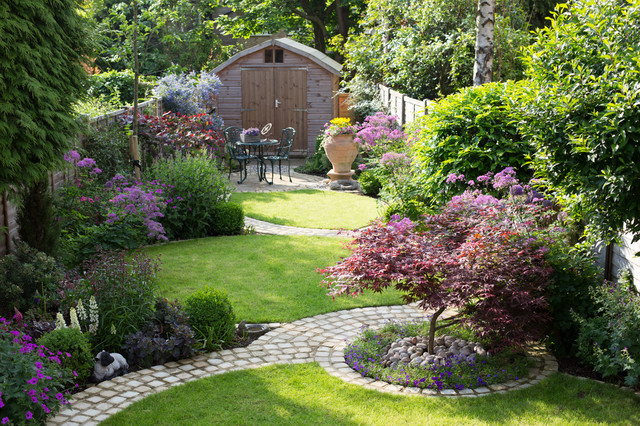
This approach can also make the project easier and more economical. Avoiding unnecessary demolition means fewer construction steps, less debris, and fewer opportunities for dust generation. If an existing structure is stable, preserving it rather than cutting into it can be a practical part of responsible renovation planning.
Use Low-Disturbance Landscaping Ideas
Many outdoor improvements can be completed without directly interacting with older construction materials. Container gardening, movable planters, freestanding benches, modular paving systems, decorative gravel, and carefully positioned planting beds can provide substantial visual improvements while limiting structural work.
For example, rather than fixing a trellis directly to an old exterior wall, a homeowner could install a freestanding frame. Instead of drilling into an aging shed to mount garden lighting, low-voltage lighting could be positioned on independent posts or landscape structures. These design choices demonstrate an important principle: the safest renovation is often one that avoids disturbing the questionable material altogether.
Preparing Before Digging, Drilling, or Cutting
Ground preparation deserves special attention when landscaping occurs beside older buildings. Digging itself does not automatically mean that asbestos exposure will occur, but excavation can become problematic if buried construction debris, damaged materials, old utility components, or contaminated fragments are encountered. Gardeners should avoid treating unknown debris as ordinary household waste.
If suspicious material is discovered during excavation, the safest response is to stop work in the affected area rather than breaking, crushing, sweeping, or attempting to identify it through DIY handling. A qualified professional can assess the material and determine the appropriate next step. This precaution is particularly useful on properties that have undergone previous construction, demolition, extensions, or major repairs.
Outdoor Activities That May Require Extra Planning
Several common renovation activities can create unnecessary disturbance if they involve suspect building materials:
- Drilling or cutting through older exterior surfaces
- Removing or replacing old roofing or cladding
- Breaking damaged cement-based construction materials
- Pressure washing weathered surfaces that may contain suspect material
- Excavating where construction debris may be present
The exact precautions depend on the material, its condition, the scale of the work, and local regulations. HSE guidance, for example, provides specific precautions for certain asbestos-cement cleaning activities and emphasizes restricting access, preparing the work area, and using appropriate procedures.
Managing Dust and Debris During Renovation
Dust management is an important part of outdoor renovation safety. Mechanical cutting, drilling, sanding, grinding, breaking, or scraping can create airborne particles from many different construction materials. When suspect asbestos-containing materials are involved, creating dust should not be treated as an ordinary gardening inconvenience.
A renovation plan should therefore prioritize methods that avoid generating dust in the first place. Homeowners should not improvise removal techniques for suspected asbestos-containing materials. EPA remodeling guidance specifically advises against disturbing asbestos and recommends using an asbestos professional when a project requires disturbance.
Outdoor conditions can make dust control more complicated because wind can carry particles away from the immediate work area. Children, pets, neighbors, and people using nearby garden spaces may also unknowingly enter the work zone. Restricting access and maintaining a clearly defined work area can reduce accidental contact with debris.
Choosing Between Repair, Encapsulation, and Removal
Not every older material needs to be removed simply because it may contain asbestos. Depending on its condition and the renovation requirements, management in place may be an appropriate strategy. EPA guidance explains that asbestos-containing materials can sometimes be managed through approaches such as repair, enclosure, encapsulation, or other professional control measures.
The right approach depends on the material and circumstances. A stable exterior material that will remain untouched may require a different strategy from damaged material that directly interferes with planned construction. Professional assessment is valuable because removing a stable material unnecessarily can create more disturbance than leaving it safely managed.
| Outdoor Renovation Situation | Safer Planning Approach |
|---|---|
| Existing suspect material remains intact | Avoid disturbing it and design around it |
| Renovation will directly affect suspect material | Obtain professional assessment before work |
| Material is visibly damaged or deteriorating | Restrict access and seek qualified advice |
| New structure can be positioned elsewhere | Use a design that avoids the material |
| Debris is discovered during excavation | Stop work in the affected area and seek assessment |
The objective is not simply to remove every questionable material. The objective is to control the circumstances that could cause fibers to become airborne while completing the renovation responsibly.
Protecting Family Members, Workers, and Neighbors
Outdoor renovations can involve several groups of people beyond the homeowner. Contractors, gardeners, children, visitors, neighbors, and pets may all be affected by how the work area is managed. A clearly separated work zone helps prevent people from walking through debris or accidentally disturbing materials.

Contractors should be informed about known or suspected asbestos-containing materials before beginning work. If professional assessment identifies a material requiring specialist handling, the appropriate qualified contractor should be selected according to local requirements. Regulations differ between jurisdictions, so homeowners should consult the relevant environmental, health, or building authority before work begins. EPA guidance also notes that state and local requirements can be more stringent than federal requirements in the United States.
Good communication is especially important when several trades are involved. A landscaper may not know what an electrician or builder discovered earlier, while a fencing contractor may unknowingly plan to drill into a surface that has already been identified as suspect. Keeping everyone informed helps prevent accidental disturbance.
Garden Design Choices That Reduce Building Contact
A thoughtful garden design can significantly reduce the need to interact with older structures. Freestanding elements are particularly useful because they can provide shade, privacy, storage, seating, and decoration without requiring permanent attachment to existing walls or roofs.
Raised planters, standalone trellises, movable garden screens, independent lighting posts, decorative stonework, and surface-level landscaping can all contribute to a finished outdoor space while reducing structural intervention. Where drainage or irrigation is required, routes should be planned carefully so installation does not unexpectedly require drilling or cutting into suspect materials.
The same principle applies to future maintenance. A garden should not only be safe to build; it should also be easy to maintain without repeatedly disturbing older construction. Designing for long-term access can reduce the need for future drilling, replacement, demolition, or repair work.
What to Do If Material Is Accidentally Disturbed
Accidental disturbance can happen even when a renovation has been carefully planned. A contractor may uncover an unexpected panel, a gardener may encounter buried debris, or a repair may reveal an unfamiliar construction product. When this occurs, continuing the project simply to finish the day’s work can create unnecessary risk.
The better approach is to stop the activity affecting the material, keep people away from the immediate area, and obtain appropriate professional advice. Avoid sweeping, breaking, sanding, grinding, or otherwise manipulating suspicious debris. The material should be assessed before work resumes, particularly if there is a possibility that the disturbance created dust.
This principle is especially important because asbestos cannot be reliably identified through appearance alone. Professional assessment and laboratory analysis may be needed when identification is necessary.
Planning for Disposal and Cleanup
Renovation waste should never automatically be placed into ordinary household rubbish when it may contain asbestos. Disposal requirements vary by jurisdiction and by the type and quantity of material involved. A project involving confirmed or suspected asbestos-containing waste should follow the applicable local disposal requirements.
Cleanup is equally important. Simply moving visible debris from one part of the garden to another does not necessarily solve the problem. Outdoor renovation planning should account for where waste will be contained, how it will be transported, and who is responsible for final disposal. Professional contractors experienced with asbestos-related work can help ensure that these activities are handled according to applicable requirements.
A Safer Approach to Future Garden Improvements
A property containing older building materials does not necessarily mean that outdoor renovation is impossible. In many cases, the garden can be improved significantly by combining thoughtful design with careful assessment. The key is to distinguish ordinary landscaping work from activities that could disturb suspect construction materials.
Before beginning a project, consider the age and history of the structure, the condition of materials near the proposed work, the possibility of drilling or excavation, and whether professional testing or assessment is appropriate. This approach can prevent small landscaping projects from unexpectedly becoming complicated construction or remediation jobs.
Homeowners should also remember that regulations and professional requirements vary by country, state, and municipality. Current local rules should be checked before renovation, particularly when removal, demolition, waste transportation, or commercial contractors are involved.
Conclusion
Safe garden renovation around older building materials starts with planning rather than construction. Asbestos can sometimes remain safely managed when it is intact and undisturbed, but renovation activities can change that situation when materials are drilled, cut, broken, scraped, or otherwise disturbed. Recognizing this difference is essential for responsible outdoor improvement. The most practical strategy is to identify potentially affected areas, avoid unnecessary contact with suspect materials, redesign garden features when possible, and seek qualified professional assessment whenever renovation could disturb them. EPA guidance similarly emphasizes maintaining materials in good condition and using professionals when renovation requires disturbance.