

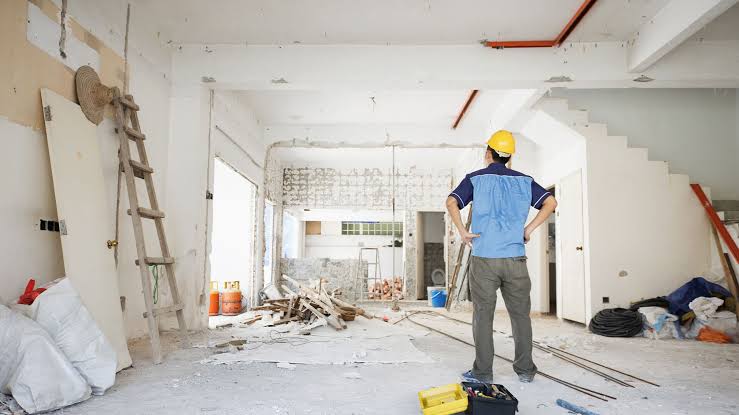
Renovating an older property can transform outdated rooms, improve functionality, and increase comfort, but opening walls can also reveal building materials that were not obvious during the initial planning stage. In properties constructed or renovated during periods when certain hazardous materials were commonly used, homeowners may encounter insulation, wallboard components, joint compounds, coatings, or other materials that require specialist attention. One important consideration is Asbestos, particularly when renovation work involves drilling, cutting, sanding, demolition, or removing wall sections.
The challenge is that potentially hazardous materials cannot always be identified reliably by appearance alone. The U.S. Environmental Protection Agency notes that visual inspection is not enough to determine whether a suspect material contains asbestos; when renovation will disturb such material, testing by a qualified professional and laboratory analysis may be appropriate. This makes renovation planning especially important because the safest approach is to identify potential risks before demolition begins rather than after walls have already been opened.
A careful renovation plan therefore goes beyond choosing paint colors, flooring, fixtures, and contractors. It should consider the age and history of the building, locations where suspect materials could exist, the type of work planned, occupant protection, waste handling, and applicable local requirements. Taking these steps early can help prevent unnecessary exposure, project delays, and unexpected remediation costs.
Why Hidden Wall Materials Deserve Attention
Walls can contain several layers of materials installed at different times. A property may have original construction materials underneath later renovations, meaning a modern-looking wall does not necessarily indicate that every material behind it is modern. Remodeling projects can disturb materials that have remained untouched for decades, particularly when contractors remove drywall, create openings for electrical wiring, replace plumbing, or alter room layouts.
Asbestos-containing materials were historically valued because of characteristics such as heat resistance and durability. Consequently, they were incorporated into various construction and industrial products. The important issue during renovation is not simply whether such material exists, but whether planned work could disturb it and release fibers. EPA guidance explains that stable, intact material presents a different situation from material that is damaged or likely to be disturbed during remodeling.
Homeowners should therefore avoid making assumptions based solely on a material’s color, texture, age, or location. A wall that looks ordinary could contain several layers, while another wall that looks unusual may contain no hazardous material at all. Proper assessment is more dependable than visual guesswork.
Start With the Building’s History
Before scheduling demolition, investigate the property’s construction and renovation history. Building records, previous inspection reports, renovation permits, contractor documentation, and information from previous owners can sometimes reveal when additions or remodeling work occurred. These records do not replace professional assessment, but they can help establish which areas deserve closer attention.
The building’s age can also provide useful context. Older structures may contain materials installed before modern restrictions and construction practices became widespread. However, age alone cannot prove that a particular material contains Asbestos. A recently renovated room can also contain older material beneath newer finishes if previous contractors installed new surfaces over existing construction.
Create a simple renovation map before work begins. Mark walls that will be opened, areas where plumbing or electrical work will occur, ceiling and flooring sections that will be removed, and any areas showing damage. This gives an inspector or qualified professional a clearer understanding of what materials could potentially be disturbed.
Inspect Before You Demolish
Why Professional Assessment Matters
One of the most important planning decisions is arranging an appropriate inspection before destructive work begins. If a suspect material will be disturbed during renovation, EPA guidance recommends having it sampled by a properly trained and accredited professional, with analysis performed by a qualified laboratory.
This approach is fundamentally different from taking a small piece of material yourself and sending it away without professional guidance. Sampling can disturb the material, so the process itself needs to be controlled. A qualified inspector can determine where samples should be taken and how the surrounding area should be managed.
If the material is confirmed to contain Asbestos, the renovation plan may need to change. Depending on the material’s condition, location, and the planned work, options can include leaving it undisturbed, repairing or encapsulating it, enclosing it, or arranging professional removal. EPA guidance identifies these approaches as possible responses depending on the circumstances.
Common Renovation Areas Requiring Attention
Potentially suspect materials can occur in different parts of a building, so renovation planning should consider more than the visible wall surface. Particular attention may be necessary where construction materials have historically been used for insulation, fire resistance, sound control, surface finishes, or other performance purposes.
Important areas to discuss with a qualified professional include:
- Wall and ceiling materials that will be cut, drilled, sanded, or demolished.
- Insulation or material around pipes, ducts, boilers, and other building systems.
- Older flooring, ceiling products, or adhesive materials that will be removed.
- Areas affected by electrical, plumbing, heating, or structural modifications.
The purpose of this checklist is not to identify Asbestos by appearance. Instead, it helps homeowners communicate the scope of their project to an inspector and avoid overlooking materials simply because they are hidden behind a finished surface.
Build Safety Into the Renovation Schedule
A renovation schedule should include inspection and testing before demolition rather than treating them as emergency steps after work begins. This can make the entire project more predictable. If suspect material is discovered after demolition has started, work may need to stop while professionals assess the situation, potentially affecting contractors, deliveries, temporary accommodation, and completion dates.
![How To Write A Construction Safety Plan [+ Free Template]](https://acropolis-wp-content-uploads.s3.us-west-1.amazonaws.com/construction-safety-plan-hero-1.webp)
The safest planning principle is simple: determine what could be disturbed before deciding exactly how it will be disturbed. EPA guidance for renovation projects recommends reviewing available inspection information, visually reassessing areas before renovation, and evaluating whether suspect materials could be affected. Materials that could be disturbed should be appropriately sampled or managed as potentially asbestos-containing material according to applicable requirements.
This is also a good stage to discuss the project with electricians, plumbers, carpenters, demolition workers, and other contractors. Everyone involved should understand which areas are restricted and which materials must not be disturbed. Clear communication can prevent one contractor from accidentally damaging material that another contractor had identified as a concern.
Plan Containment Before Work Begins
When renovation work may disturb hazardous building materials, controlling dust and preventing it from moving into occupied areas are important parts of project planning. General EPA remodeling guidance recommends separating work areas, keeping occupants away from active work zones, controlling dust, and using appropriate ventilation strategies.
The exact containment method should be designed by appropriately trained professionals when Asbestos is suspected or confirmed. Depending on the project, professional controls can involve barriers, controlled access, specialized ventilation, and other measures intended to prevent contamination from spreading.
Homeowners should also consider who will remain in the property during renovation. Children, pets, visitors, neighbors, and other occupants should not enter restricted work areas. A renovation that involves opening walls should never be treated like an ordinary decorating project if suspect materials have not been assessed.
Understand the Difference Between Disturbance and Leaving Material Alone
Not every material that contains Asbestos automatically needs to be removed. In some circumstances, the safest approach can involve leaving an intact material undisturbed rather than creating additional disturbance through unnecessary removal. EPA guidance specifically emphasizes avoiding disturbance of suspected asbestos-containing material when it does not need to be affected by renovation work.
This distinction can significantly influence renovation design. For example, if a planned improvement can be completed without cutting into a particular wall or removing a suspect layer, redesigning the work may reduce the need for intrusive activity. In other cases, however, renovation may require access to the material, making professional abatement or another controlled approach necessary.
The correct decision depends on the material, its condition, the proposed work, and applicable regulations. Homeowners should not decide on removal techniques based on internet instructions or ordinary DIY methods.
Choose Contractors Based on the Actual Project
Contractor selection is another major part of renovation planning. A general remodeling contractor may be highly experienced with kitchens, bathrooms, electrical coordination, or structural work but may not be qualified to assess or remove asbestos-containing materials.
Before hiring a contractor for a project involving suspect materials, ask who will perform the inspection, who will handle any required abatement, how the work area will be controlled, and how waste will be packaged and disposed of. Depending on the jurisdiction and project type, licensing, training, notification, and disposal requirements may apply.
For larger renovation and demolition projects, regulations can require inspections, notifications, specific work practices, and controlled disposal. EPA’s asbestos renovation requirements illustrate why regulatory obligations can depend on the building type, project scope, and amount of regulated material involved.
Plan Waste Handling Before Demolition
Waste management should be included in the project plan before materials are removed. Potentially contaminated debris should not simply be placed in ordinary household rubbish. The applicable rules for packaging, transportation, disposal, and documentation can vary by location and project type.
Professional asbestos contractors generally have established procedures for handling and disposing of regulated material. Homeowners should ask for those procedures before work begins and verify that the contractor understands local requirements. EPA guidance indicates that regulated asbestos waste from applicable renovation and demolition activities must be managed according to prescribed disposal requirements.
| Renovation stage | Key planning consideration |
|---|---|
| Before demolition | Review building history and identify areas that will be disturbed |
| Inspection | Have suspect materials assessed and sampled appropriately |
| Contractor selection | Confirm relevant training, qualifications, and project responsibilities |
| Work preparation | Establish containment and keep unauthorized occupants away |
| During renovation | Follow the professional work plan and avoid unauthorized disturbance |
| Cleanup | Use appropriate cleaning and waste-handling procedures |
| Final review | Confirm the area is suitable for reoccupation under applicable requirements |
What Homeowners Should Avoid
DIY demolition can appear attractive because it may reduce immediate labor costs, but disturbing an unknown wall material without assessment can create a much larger problem. Drilling, sanding, cutting, scraping, breaking, or aggressively removing old construction materials can generate dust and potentially spread contaminants beyond the original work area.

Homeowners should also avoid relying on a disposable dust mask or assuming that opening a window makes the activity safe. Professional asbestos work involves more than personal respiratory protection. Depending on the project, effective controls can involve work-area containment, specialized equipment, controlled removal procedures, cleaning, and regulated waste handling.
If unexpected suspect material is uncovered during renovation, stopping the affected work and seeking professional advice is generally more sensible than continuing until the entire wall is removed. EPA guidance recommends not disturbing suspected material and contacting an appropriate professional when damaged material or renovation-related disturbance is involved.
Prepare for Unexpected Discoveries
Even detailed renovation plans can encounter surprises. A contractor may discover an older layer beneath drywall, insulation behind a partition, or a material that was not visible during the initial walkthrough. Your project budget and schedule should therefore include some contingency for inspection and remediation.
A practical contingency plan should identify who has authority to stop work, who will arrange additional testing, where occupants will stay if an area becomes inaccessible, and how the project schedule will be adjusted. Establishing these decisions before construction starts can prevent confusion when an unexpected material is discovered.
Documentation is also valuable. Keep inspection reports, laboratory results, contractor records, photographs, invoices, and waste documentation together with your property records. Future homeowners and contractors may benefit from knowing which areas were assessed and what materials were identified during the renovation.
Conclusion
Renovating a property where Asbestos may be hidden inside walls requires more preparation than simply planning demolition and rebuilding. The central principle is to identify potential hazards before materials are disturbed. Building history can provide useful clues, but appearance and age cannot reliably confirm whether a material contains asbestos. Professional inspection and appropriate laboratory testing are therefore important when renovation will disturb suspect materials.