

Introduction
Asbestos sheets have been widely associated with construction, roofing, industrial buildings, storage facilities, and other structures where durable building materials were required. For many decades, these sheets were valued because they could withstand outdoor conditions, provide a protective covering, and offer practical performance at a relatively low cost. Their use became particularly common in older buildings, sheds, workshops, factories, and agricultural structures. Although modern construction has introduced many alternatives, asbestos-containing materials may still be found in existing properties, making awareness of their characteristics and safety concerns important.
Understanding asbestos sheets requires looking beyond their traditional building applications. These products were manufactured using asbestos fibres mixed with cement or other materials to create rigid panels. While the finished material could appear strong and stable, asbestos fibres present serious health concerns when released into the air and inhaled. Today, property owners, construction professionals, and renovation workers need to recognize the difference between historical uses and safer modern building choices. Knowing how these materials were used, why they became popular, and what precautions are necessary can help people make informed decisions about construction, renovation, maintenance, and replacement.
What Are Asbestos Sheets?
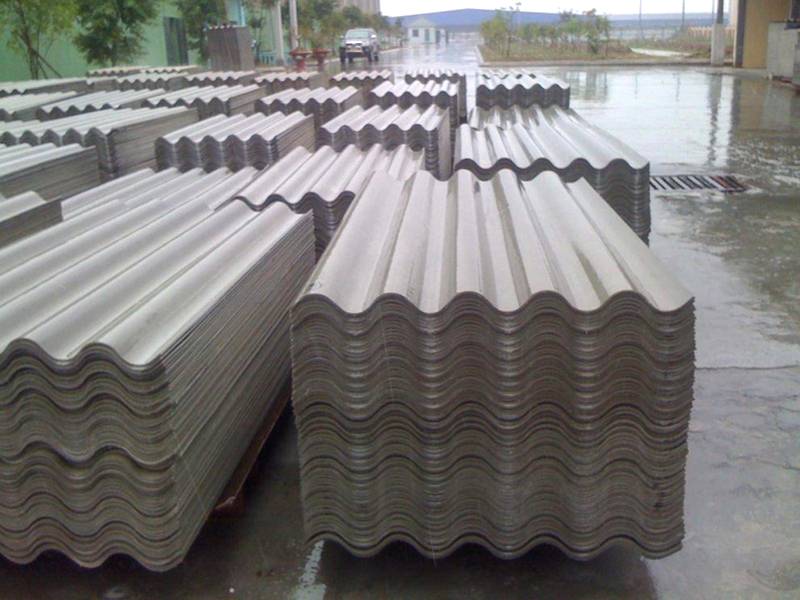
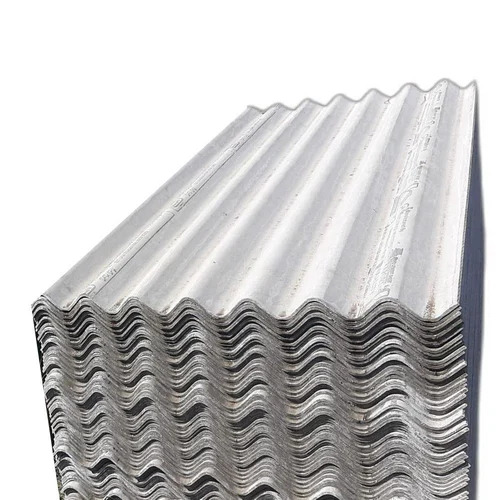
Asbestos sheets are flat or corrugated construction panels historically manufactured by combining asbestos fibres with cement or other binding materials. The fibres provided reinforcement, while the cement created a solid structure suitable for roofing, wall coverings, partitions, and other applications. These sheets were produced in different thicknesses, sizes, and surface profiles according to the intended use. Corrugated versions were particularly common for roofs because their shape helped channel rainwater and provided structural rigidity.
In older buildings, asbestos-containing sheets may be visible on rooftops, external walls, sheds, workshops, industrial facilities, and utility structures. Their appearance can sometimes resemble modern fibre-cement products, making visual identification unreliable. Not every cement sheet contains asbestos, and not every older-looking panel is necessarily asbestos-based. Confirming the material may require professional assessment or laboratory testing. Because asbestos fibres are microscopic, people cannot reliably determine whether a sheet contains asbestos simply by examining its colour, texture, or surface appearance.
History and Development of Asbestos Sheet Materials
A historical overview of their role in construction
Asbestos became widely used during the industrial development of the twentieth century. Manufacturers valued its resistance to heat, durability, insulating properties, and ability to reinforce other materials. When combined with cement, asbestos fibres helped create building products that could be manufactured in various shapes and used for roofing, wall panels, and industrial structures. These products were promoted for their practical advantages and were incorporated into many construction projects around the world.
Over time, asbestos-containing materials became common in residential, commercial, and industrial construction. Their popularity was influenced by availability, manufacturing methods, and the demand for economical materials that could withstand weather and everyday environmental conditions. However, scientific research eventually established serious health risks associated with inhaling asbestos fibres. Awareness of these risks led to tighter regulations, restrictions, and efforts to replace asbestos-containing products with safer materials. Today, the history of these sheets serves as an important example of how construction practices evolve when long-term health evidence changes the understanding of a material.
Common Applications of Asbestos Sheets
Historically, asbestos sheets were used in numerous building applications because they could be manufactured as rigid panels and incorporated into different construction designs. Their use was not limited to residential properties but extended to factories, warehouses, workshops, agricultural buildings, and utility structures. Depending on the product and installation, they could serve as roofing, cladding, partitions, protective panels, or enclosure materials.
Roofing applications
Wall cladding
Panels were used on exterior walls and building surfaces to create protective coverings.
Partitions and enclosures
Some buildings incorporated sheet materials into partitions, utility enclosures, or internal structures.
Agricultural structures
Traditional farm sheds, storage areas, and other outbuildings sometimes used asbestos cement products.
These applications explain why older properties may still contain asbestos-related building materials. However, the presence of a sheet does not automatically mean that it is dangerous to occupants under normal conditions. Its condition, location, exposure potential, and the activities performed around it all influence the risk. The important consideration today is to avoid disturbing suspect materials and to arrange professional assessment whenever renovation or repair work could affect them.
Key Properties of Asbestos Sheets
Asbestos-containing construction materials were historically valued for several practical characteristics. These properties contributed to their widespread use in buildings and industrial applications before the health hazards became better understood.
Durability
Cement-based sheets could provide a long-lasting covering when properly installed and maintained. Their rigid structure allowed them to function as exterior panels and roofing materials for extended periods. However, age, environmental exposure, impact, and deterioration can affect their condition.
Heat Resistance
Asbestos fibres have historically been valued for their ability to withstand heat. This characteristic contributed to their use in industrial and building products where heat-resistant materials were desired. Nevertheless, heat resistance does not make asbestos safe to handle or suitable for modern construction.
Weather Protection
Corrugated sheet profiles were commonly used to cover roofs and direct rainwater away from buildings. Cement-based panels were also incorporated into exterior applications where a solid protective surface was needed.
Strength and Rigidity
The combination of fibres and cement produced rigid panels suitable for various construction purposes. These materials could retain their general form under ordinary conditions, although cracking, breakage, and deterioration may occur with age or damage.
Economical Construction
Historically, manufacturers and builders considered asbestos cement products practical for certain projects because of their availability and manufacturing cost. However, modern cost assessments must include health protection, specialist maintenance, environmental concerns, and appropriate waste management rather than focusing only on the original material price.
Types of Asbestos Sheet Products
Different asbestos-containing sheet products were manufactured for different construction purposes. Their appearance, thickness, and shape varied according to the application and production method.
Corrugated Asbestos Cement Sheets
Corrugated panels were commonly associated with older roofs. Their wave-shaped profile provided rigidity and helped manage rainwater runoff. They may be found on garages, sheds, industrial buildings, storage facilities, and other older structures.
Flat Asbestos Cement Sheets
Flat panels were used in wall coverings, partitions, exterior cladding, and other building applications. They generally had a smooth or relatively even surface and could be incorporated into different architectural layouts.
Insulating Boards
Certain asbestos-containing boards were manufactured for applications involving thermal protection or fire resistance. These products may have been installed around equipment, service areas, or other locations requiring specialised building materials. Some insulating boards can be more hazardous than bonded asbestos cement products because they may release fibres more readily when disturbed.
Decorative and Utility Panels
Some historical products were used in ceilings, enclosures, internal panels, or other functional building components. Their appearance may vary considerably, and professional identification is important before renovation or maintenance work begins.
Advantages Historically Associated With Asbestos Sheets
The historical popularity of asbestos sheets can be understood by examining the characteristics that builders and manufacturers valued at the time. Their strength, resistance to heat, rigid construction, and ability to serve multiple purposes made them attractive for several building applications.
One commonly appreciated feature was their ability to provide a protective covering without requiring a complex construction system. Corrugated panels could be incorporated into many basic building designs, including storage structures and industrial spaces. Cement-based products were also valued for their solid appearance and ability to provide a barrier against outdoor conditions. In some applications, their resistance to certain environmental influences contributed to their long service life.
However, these historical advantages should not be interpreted as a recommendation to install or reuse asbestos-containing products today. The health consequences associated with fibre exposure fundamentally change the overall value of the material. Modern construction decisions must consider the wellbeing of occupants, workers, maintenance personnel, and the surrounding environment. Safer alternatives are now available for many applications, making asbestos unnecessary in most contemporary building projects.
Health Risks Associated With Asbestos Sheets
The most important concern associated with asbestos-containing materials is the potential release of microscopic fibres into the air. When these fibres are inhaled, they can remain inside the lungs and cause serious diseases over time. The risk is especially relevant when materials are damaged, deteriorating, cut, drilled, broken, sanded, or otherwise disturbed. Fibre exposure may occur during construction, maintenance, renovation, demolition, or the disposal of older building materials.
Asbestos exposure is associated with several serious health conditions, including asbestosis, lung cancer, and mesothelioma. These diseases may take many years or even decades to develop after exposure. Asbestos-related illnesses can affect people who worked directly with the material as well as others who experienced exposure through contaminated environments. The World Health Organization identifies all major forms of asbestos as carcinogenic to humans and recommends eliminating asbestos use and preventing exposure wherever possible.
Asbestos-containing sheets that are intact and firmly bonded within cement may generally release fewer fibres than damaged or friable materials. However, their condition can change over time due to weather, ageing, impact, moisture-related deterioration, or building activity. Cracks, broken edges, loose fragments, and visible deterioration may indicate that professional assessment is needed.
People should not attempt to investigate suspected asbestos by scraping, breaking, drilling, or cutting the material. Even if a sheet appears to be ordinary cement, its composition cannot be reliably confirmed through casual inspection. Keeping the material undisturbed and obtaining appropriate professional advice is a safer approach.
How to Recognize Potential Asbestos Sheets
Identifying asbestos-containing sheets can be difficult because many products manufactured with asbestos resemble other cement-based materials. Corrugated panels, flat boards, and older building coverings may have similar appearances regardless of their composition. Age and construction history can provide useful clues, but they cannot confirm the presence of asbestos.
Potential indicators include older corrugated roofing, cement panels installed decades ago, historical industrial buildings, and structures containing original materials that have not been replaced. Some sheets may appear grey, weathered, or cement-like, while others may have coatings or paint that conceal their original surface.
Property owners should avoid treating appearance as proof. If a building contains older panels and renovation is planned, a qualified asbestos professional can assess the material and determine whether testing or additional precautions are required. Professional identification is particularly important before construction workers begin activities that could damage existing sheets.
Maintenance and Management of Existing Asbestos Materials
Managing existing asbestos-containing materials requires a cautious approach. When material is intact, stable, and not likely to be disturbed, professional advice may indicate that leaving it in place and monitoring its condition is preferable to immediate removal. Unnecessary disturbance can increase the possibility of fibre release, while poorly planned removal may create additional exposure risks.
Building owners should pay attention to changes in the condition of old roofing and panels, including visible cracking, breakage, loose fragments, or deterioration. If damage is suspected, access to the affected area should be limited, and the material should not be touched or cleaned using ordinary household methods. Dry sweeping, sanding, pressure washing, and regular vacuuming of suspected asbestos debris can create or spread contamination.
Where repair, sealing, encapsulation, or removal is considered necessary, the work should be evaluated and managed by suitably qualified professionals under applicable safety requirements. Asbestos waste also requires appropriate handling and disposal. Ordinary construction waste arrangements may not be suitable for asbestos-containing material.
Modern construction offers many materials that can fulfil the roofing, cladding, partition, and protective-panel functions historically served by asbestos-containing products. The right alternative depends on the structure, weather conditions, budget, building design, expected service life, and local regulations.
Non-asbestos fibre-cement sheets
Steel and aluminium roofing options are used in warehouses, sheds, workshops, and other structures.
These panels may be selected for certain applications where light transmission is desired.
Concrete roofing products
Tiles and other concrete-based roofing materials offer another option for suitable building designs.
Non-Asbestos Fibre-Cement Products

Modern fibre-cement products are designed to provide rigidity and practical performance without using asbestos fibres. They may be used for roofing, exterior walls, internal panels, and other construction applications. Buyers should verify the manufacturer’s specifications, composition, warranty, and suitability for their intended installation.
Metal Roofing
Metal sheets are widely used for roofs, industrial structures, and utility buildings. They are available in different finishes, profiles, thicknesses, and protective coatings. Their suitability depends on factors such as corrosion resistance, insulation requirements, noise control, installation quality, and the surrounding climate.
Polycarbonate Roofing
Polycarbonate panels are often used in applications requiring daylight, including covered walkways, certain agricultural structures, and selected utility spaces. Their performance depends on the grade, UV protection, thickness, and installation system.
Concrete Tiles and Other Roofing Materials
Concrete tiles and other modern roofing products may be appropriate for buildings designed to support their weight. A construction professional can help determine whether the existing structure requires modification before a different roofing material is installed.
Choosing an alternative should involve a complete evaluation of safety, cost, durability, maintenance, and environmental impact rather than simply selecting the cheapest material.
Factors to Consider When Choosing Modern Roofing Materials
When selecting roofing or sheet materials for a new construction project, buyers should consider more than the initial price. The expected lifespan of the product, weather resistance, maintenance requirements, installation costs, structural compatibility, and environmental performance all influence the overall value of a material. A low-cost product may become expensive if it requires frequent repairs or creates difficulties during maintenance.
The local climate is another important consideration. Buildings exposed to strong sunlight, heavy rain, high winds, humidity, or temperature fluctuations may require materials with specific performance characteristics. Roofing systems should also provide appropriate drainage, ventilation, and insulation according to the building’s design. Consulting a qualified construction professional can help identify a suitable product and prevent installation problems. Modern materials should be selected based on verified specifications, quality standards, and the needs of the structure rather than comparisons with outdated asbestos-based products.
Environmental Considerations
Asbestos-containing building materials present environmental concerns when they deteriorate, become damaged, or are improperly disposed of. Fibre release may affect the surrounding environment, particularly during renovation, demolition, or waste handling. Because asbestos fibres can remain in the environment and create exposure risks, appropriate management of existing materials is essential.
Modern construction increasingly considers environmental responsibility alongside durability and affordability. Buyers may look at recycled content, energy performance, product lifespan, manufacturing impacts, and disposal requirements when choosing roofing or cladding materials. A material that lasts longer and requires fewer replacements may offer advantages over products with shorter service lives. However, environmental claims should be supported by reliable product information rather than marketing language alone.
The responsible management of old asbestos-containing sheets is equally important. Such materials should not be casually reused, broken, dumped, or mixed with ordinary building waste. Qualified professionals and relevant local authorities can provide information about safe management and appropriate disposal procedures.
Asbestos Sheets in Renovation and Construction Projects
Renovation projects involving older buildings require careful planning because asbestos-containing materials may be hidden behind coverings, ceilings, walls, roofing systems, or other building components. Even a project that appears straightforward may involve disturbing materials that were installed many years earlier. Therefore, checking the building’s history and arranging an appropriate assessment before work begins can help prevent unexpected hazards.
Contractors should consider the possibility of asbestos before undertaking demolition, repair, roofing replacement, or structural modifications in older properties. Workers should receive relevant training and follow applicable safety requirements. If asbestos is suspected, ordinary construction work should not proceed in a way that could disturb the material until suitable precautions have been established. A professional assessment can help determine whether the material can remain undisturbed, requires management, or needs specialist intervention.
Planning ahead can also help property owners avoid unnecessary project delays. Identifying potential asbestos issues before contractors arrive allows time for assessments, protective arrangements, specialist services, and appropriate waste management. A safe renovation process should prioritise people and the environment rather than rushing to complete work.
Frequently Asked Questions (FAQs)
1. What are asbestos sheets commonly used for?
Historically, asbestos sheets were used for roofing, wall cladding, partitions, sheds, warehouses, industrial buildings, utility enclosures, and other construction applications. Their strength, heat resistance, and rigid cement-based construction contributed to their popularity. Many older buildings may still contain these materials today, even though modern construction increasingly uses safer alternatives.
2. Are asbestos sheets dangerous?
Asbestos-containing sheets can present serious health risks when fibres become airborne and are inhaled. Exposure is associated with lung cancer, mesothelioma, asbestosis, and other respiratory conditions. Intact, bonded materials may release fewer fibres than damaged materials, but they should not be disturbed unnecessarily. Professional assessment is recommended if their condition is uncertain or construction work is planned.
3. How can I identify asbestos sheets?
It is not possible to reliably confirm asbestos content through appearance alone. Older corrugated roofing and cement panels may be potential asbestos-containing products, but similar materials are also manufactured without asbestos. A qualified professional can assess the material and arrange appropriate testing if necessary. Avoid cutting, drilling, breaking, or scraping suspect sheets to identify them.
4. What materials can replace asbestos sheets?
Modern non-asbestos fibre-cement sheets, metal roofing, polycarbonate panels, concrete tiles, and other construction products may provide suitable alternatives. The best option depends on the building design, climate, structural capacity, insulation requirements, budget, and intended use. Manufacturers’ specifications and professional advice should guide the selection process.
5. Should old asbestos sheets be removed immediately?
Not necessarily. If asbestos-containing materials are intact, stable, and unlikely to be disturbed, leaving them in place under an appropriate management plan may be preferable to unnecessary removal. However, damaged or deteriorating materials and those affected by renovation work require professional evaluation. Removal should be performed by appropriately qualified specialists following relevant safety and disposal requirements.
Conclusion
Asbestos sheets played an important role in the construction industry for many decades because of their strength, durability, heat resistance, and practical applications. They were commonly used in roofing, wall cladding, partitions, industrial buildings, storage facilities, and other structures. However, the serious health risks associated with inhaling asbestos fibres have changed how these materials are viewed and managed in modern construction.
Today, understanding the properties, historical uses, and potential hazards of asbestos is essential for homeowners, contractors, building managers, and renovation professionals. Existing materials should be assessed carefully, unnecessary disturbance should be avoided, and damaged or suspected asbestos-containing products should be handled through qualified professionals. Modern alternatives provide many options for roofing, cladding, and construction projects without relying on asbestos.
A responsible approach to building materials includes prioritising health, selecting suitable modern products, following safety regulations, and managing older structures carefully. By making informed decisions, property owners can support safer buildings, more responsible renovation practices, and better long-term construction outcomes.