

Introduction
Industrial materials have played an important role in the development of manufacturing, construction, engineering, and thermal insulation. For decades, materials capable of withstanding high temperatures were widely used in factories, power plants, boilers, furnaces, and other industrial environments. Among these materials, asbestos-based products became well-known because of their ability to tolerate heat, resist fire, and provide insulation. One such product was asbestos rope, which was historically used in applications requiring sealing, insulation, and protection against elevated temperatures.
Although these products were valued for their performance, modern understanding of asbestos-related health hazards has significantly changed how industries approach insulation materials. Asbestos fibers can become airborne when damaged, disturbed, cut, or deteriorated, creating serious health concerns for workers and nearby occupants. Today, understanding the history, properties, applications, and risks associated with these materials is essential for anyone dealing with older buildings, industrial equipment, or legacy installations. This guide explores the subject from an educational perspective while highlighting the importance of safety, professional assessment, and modern alternatives.
1. What Is Asbestos Rope?
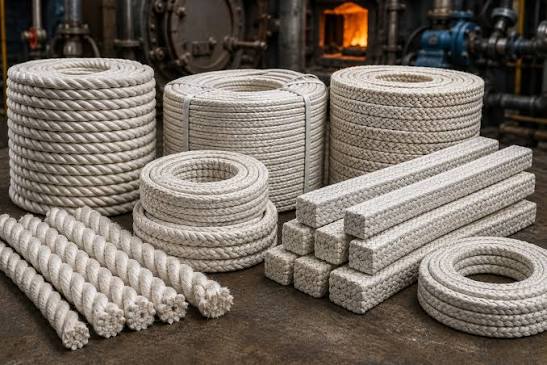
Asbestos rope is a historical industrial insulation and sealing material made using asbestos fibers, sometimes combined with other materials to create a flexible, cord-like product. It was commonly manufactured in different thicknesses and forms to meet the requirements of industrial machinery, heating systems, and equipment that operated under high-temperature conditions. Its flexible construction allowed it to serve as a sealing material around certain joints, openings, and equipment components where heat resistance was considered important.
The material was particularly popular during periods when asbestos was widely accepted as a practical solution for fire protection and thermal insulation. Industrial operators often valued its ability to withstand heat while maintaining its general shape under demanding conditions. However, the properties that once made asbestos products commercially attractive do not eliminate their health hazards. Asbestos fibers are microscopic, and exposure may occur when asbestos-containing materials are disturbed. Therefore, old rope-like insulation should not be assumed to be safe simply because it appears intact or resembles ordinary textile cord.
2. Historical Development of Asbestos Insulation
Asbestos has a long history of use in construction and industrial manufacturing. Its natural mineral properties made it attractive for applications involving heat, fire, and insulation. During the nineteenth and twentieth centuries, industrial development increased demand for materials that could protect machinery, buildings, and workers from high temperatures. Asbestos-containing products became common in a variety of industrial settings.
Asbestos rope emerged as one of the products used to address thermal insulation and sealing requirements. Factories, workshops, commercial buildings, and industrial facilities sometimes used asbestos-based cords around boilers, furnace doors, heating equipment, and other components. The material was incorporated into industrial systems during a period when awareness of its long-term health effects was limited or insufficiently reflected in workplace practices.
Over time, medical research established stronger links between asbestos exposure and serious illnesses, including lung cancer, mesothelioma, and asbestosis. Regulatory agencies and governments introduced restrictions, bans, and workplace controls in many countries. As a result, industries increasingly moved toward alternative materials that could offer comparable thermal performance without the same asbestos-related risks. The history of asbestos rope illustrates how industrial materials can become less acceptable as scientific knowledge and safety standards evolve.
3. Common Properties of Asbestos Rope
Historically, asbestos rope was valued for several material characteristics that supported its use in industrial environments. These properties contributed to its popularity before the health risks associated with asbestos became widely recognized and regulated.
Heat Resistance
Asbestos fibers can withstand high temperatures compared with many ordinary materials. This property made asbestos-based insulation attractive in environments where equipment generated considerable heat. Industrial operators used it in applications where conventional textile materials might deteriorate more quickly.
Thermal Insulation
The structure of asbestos-containing materials could help limit heat transfer. Thermal insulation was important in facilities where hot equipment needed to retain heat, protect surrounding components, or reduce the temperature of nearby surfaces.
Flexibility
Rope-shaped products could accommodate certain shapes and spaces. Their flexible appearance made them useful historically for sealing applications involving equipment openings, joints, or irregular surfaces.
Durability
Asbestos products were often regarded as durable in industrial conditions. They could remain in place for extended periods, which contributed to their widespread historical use. However, aging, moisture, vibration, mechanical damage, and environmental conditions can affect the condition of older insulation.
Fire Resistance
Asbestos-containing products were valued for their resistance to burning and their ability to withstand high temperatures. This characteristic contributed to their use in historical fire-protection and insulation applications.
Despite these historical properties, durability or resistance to heat does not make asbestos safe. Older material can deteriorate, and its condition may change over time, potentially increasing the chance of fiber release.
4. Historical Industrial Applications
Asbestos rope was used across several industries that required heat-resistant sealing and insulation materials. Its applications varied depending on the equipment, manufacturing process, and product composition. Some installations were associated with older industrial systems that have continued to operate for many years, even after asbestos products became restricted or replaced in new construction.
Boiler and Heating Equipment
Older boilers and heating systems sometimes incorporated asbestos-containing rope or cord around openings and joints. These products were historically intended to help control heat loss or provide sealing between equipment components. Buildings with aging heating infrastructure may still contain legacy insulation materials that require professional evaluation.
Furnaces and Industrial Ovens
High-temperature industrial environments once relied on asbestos-containing materials in selected insulation and sealing applications. These installations could be found in manufacturing facilities, metalworking environments, and other locations where elevated temperatures were part of normal operations.
Industrial Machinery
Some older machines used asbestos-based sealing or insulation materials in areas exposed to heat. The material’s historical availability and reputation for thermal resistance contributed to its use in certain equipment designs.
Pipes and Thermal Systems
Asbestos products were used extensively in historical thermal insulation systems. Rope-like products could be present alongside other insulation materials, including boards, coverings, and pipe insulation. These systems may be encountered in older industrial buildings, utility spaces, and mechanical rooms.
Commercial and Institutional Buildings
Older commercial properties, workshops, and institutional facilities may contain legacy asbestos materials associated with heating or mechanical equipment. Renovation, repair, demolition, or maintenance activities can bring these materials to attention.
The presence of asbestos in any of these applications should be assessed carefully. The original purpose of the product does not establish whether it remains safe, and its condition should not be evaluated through casual handling.
5. Why Asbestos Rope Was Widely Used
The widespread historical adoption of asbestos products was influenced by a combination of industrial demand, material availability, cost considerations, and the need for reliable heat-resistant solutions. At a time when manufacturers were seeking materials capable of supporting industrial expansion, asbestos offered several characteristics that appeared advantageous.
Factories needed insulation materials that could withstand heat generated by machinery, boilers, and production processes. Construction companies needed products that could be incorporated into buildings with heating systems and other infrastructure. Industrial suppliers responded by offering asbestos-based products in multiple forms, including sheets, boards, blankets, packing, and cord-like materials.
The commercial availability of these products also contributed to their adoption. Asbestos-containing materials became integrated into standard industrial practices, and many facilities continued using them for years. In some cases, older systems remained in service because replacing them required substantial investment, equipment downtime, and technical planning.
However, the historical popularity of a material should not be confused with modern safety approval. Scientific understanding of asbestos-related diseases has changed how these products are evaluated. Many countries have prohibited or restricted asbestos use, while existing materials are managed through specific regulations, workplace procedures, and professional services.
6. Health Risks Associated With Asbestos Exposure
The most significant concern involving asbestos rope is the potential release of microscopic fibers. Asbestos is not generally considered hazardous simply because it exists in an undisturbed material, but the risk can increase when asbestos-containing products are damaged, deteriorated, or disturbed.
When fibers become airborne, people may inhale them without realizing it. The fibers can remain in the respiratory system, and exposure has been associated with serious diseases that may develop many years or decades later. The absence of immediate symptoms does not necessarily mean that exposure has caused no harm.
Asbestosis
Asbestosis is a chronic lung condition associated with asbestos exposure. It involves scarring of lung tissue, which may affect breathing and reduce lung function. Symptoms can include shortness of breath, persistent coughing, and reduced exercise tolerance.
Mesothelioma
Mesothelioma is a serious cancer associated with asbestos exposure. It affects the lining of certain organs, most commonly the lining surrounding the lungs. The disease can develop after a long latency period.
Lung Cancer
Asbestos exposure is also associated with an increased risk of lung cancer. Risk can be influenced by factors such as exposure history, duration, intensity, and other occupational or lifestyle factors.
Other Health Concerns
Asbestos exposure may also be associated with other respiratory and health complications. The seriousness of these risks is why asbestos-containing materials are handled through specialized safety procedures rather than ordinary maintenance practices.
Anyone who believes they may have experienced asbestos exposure should seek advice from a qualified healthcare professional, especially if the exposure occurred repeatedly or during occupational activities.
7. How to Recognize Potential Asbestos Rope
Identifying asbestos-containing material by appearance alone is unreliable. Asbestos products were manufactured in different colors, textures, densities, and shapes. Some asbestos-containing ropes may look similar to modern non-asbestos insulation cords, while other materials that appear suspicious may contain no asbestos at all.
In older buildings or industrial facilities, a rope-like material around heating equipment, furnace doors, pipes, or mechanical joints may warrant further investigation. Age and location can provide useful background information, but neither can confirm its composition. Even an experienced building maintenance professional should not rely solely on visual inspection when determining whether a material contains asbestos.
Laboratory analysis of an appropriately collected sample may be necessary to establish whether asbestos is present. However, sampling itself can disturb the material and release fibers. It should therefore be handled by qualified professionals following applicable safety requirements. If an unidentified insulation material is discovered, the safest approach is to avoid touching, cutting, pulling, rubbing, or otherwise disturbing it until a professional assessment has been completed.
8. Safety Precautions Around Older Insulation Materials
Safety is particularly important when dealing with older industrial equipment, heating systems, or buildings that may contain asbestos. The goal is to reduce the possibility of disturbing the material and creating airborne contamination.
If a suspected asbestos-containing product is discovered, people should avoid unnecessary access to the immediate area. Maintenance activities should not continue directly on the material until its composition and condition have been assessed. Ordinary cleaning practices may be inappropriate because they can disturb fibers or spread contamination to other surfaces.
Workers and property owners should follow local asbestos regulations and seek assistance from qualified asbestos professionals. Depending on the situation, professional recommendations may involve monitoring, controlled management of the existing material, or specialized removal services. The appropriate response depends on the material’s condition, location, exposure potential, and applicable laws.
It is also important to recognize that protective equipment alone does not make an untrained person qualified to handle asbestos. Effective asbestos safety requires appropriate procedures, training, equipment, waste management, and regulatory compliance. Avoiding disturbance and arranging a professional evaluation are important first steps.
9. Modern Alternatives to Asbestos Rope
The development of modern insulation materials has provided industries with alternatives for thermal sealing and heat protection. These materials are designed for different operating conditions, and selecting an appropriate replacement requires consideration of temperature, pressure, chemical exposure, mechanical requirements, and equipment specifications.
Common asbestos-free alternatives include:
-
Fiberglass or glass-fiber products: Used in many thermal insulation applications where the material’s temperature rating and product specifications are suitable.
-
Ceramic-fiber products: Designed for certain high-temperature industrial environments, with appropriate controls for their own dust and exposure hazards.
-
Mineral wool products: Commonly used for thermal and fire-related insulation in building and industrial applications.
-
Silica-based insulation products: Used in selected specialized thermal applications, depending on product design and operating conditions.
-
Modern engineered sealing materials: Certain non-asbestos gasket, packing, and sealing products are manufactured for specific equipment and industrial requirements.
Not every alternative is appropriate for every application. A replacement should be selected by a qualified engineer, maintenance professional, or supplier based on the equipment manufacturer’s requirements and relevant safety standards. Modern alternatives can offer useful performance, but they still require proper handling and installation.
10. Environmental Concerns and Disposal
Asbestos-containing materials can create environmental concerns when fibers are released and spread beyond the original location. Improper handling may contaminate nearby surfaces, equipment, clothing, work areas, or surrounding spaces. This is particularly important during renovation, demolition, industrial maintenance, and building refurbishment.
The disposal of asbestos-containing materials is subject to regulations in many locations. Such materials generally cannot be treated as ordinary construction waste. Specialized waste-management requirements may apply to packaging, transport, documentation, and disposal at approved facilities.
Property owners and facility managers should consult local environmental and occupational safety authorities before making decisions about suspected asbestos materials. Regulations vary by country and jurisdiction, so a procedure permitted in one location may not be acceptable in another. Proper assessment and regulated management help protect workers, building occupants, waste handlers, and the wider environment.
11. Factors to Consider When Evaluating Older Industrial Equipment
When reviewing older equipment, the presence of historical insulation materials is only one part of a broader assessment. Facility managers may need to consider the age of the machinery, maintenance records, operating conditions, and the possibility of hidden insulation materials.
Equipment that has undergone repeated repairs or modifications may contain different materials from those used during its original manufacture. Documentation can help identify historical components, but incomplete records are common in older industrial facilities. A professional inspection can help determine whether further investigation is necessary.
The condition of the material is also important. Damaged, crumbling, exposed, or deteriorated insulation may require a more urgent assessment than material that is intact and protected. However, appearance alone is not sufficient to establish the level of risk or determine the correct management approach.
A systematic evaluation helps property owners make informed decisions regarding maintenance, renovation, replacement, and compliance. It can also help prevent accidental disturbance during future work.
12. The Role of Professional Assessment
Professional asbestos assessment is an important part of managing older buildings and industrial equipment. Specialists may evaluate suspected materials, review the surrounding environment, assess their condition, and determine whether testing or further action is necessary. Their work helps property owners understand potential risks without relying on assumptions based on appearance.
An assessment may also support future planning. If renovation, equipment replacement, or building upgrades are expected, identifying asbestos-containing materials in advance can help reduce the possibility of accidental disturbance. Facility managers may be able to plan work schedules, establish access restrictions, coordinate specialist services, and maintain records of materials that require ongoing attention.
For older asbestos rope installations, professional advice can be especially valuable because these products may be located in places that are difficult to access or close to hot equipment. Their age, previous maintenance history, and surrounding conditions can influence how they should be managed. Professional evaluation supports safer decision-making and helps ensure that work is carried out according to applicable regulations.
13. Understanding the Importance of Responsible Material Management
Responsible material management is not limited to removing every older product immediately. In some situations, appropriately assessed and undisturbed asbestos-containing materials may be managed in place under applicable regulations and professional recommendations. In other situations, damaged materials, planned renovations, or exposure concerns may require additional action.
The decision should be based on an informed assessment rather than convenience. Property owners, building managers, and industrial operators should maintain records of identified materials, communicate relevant information to maintenance workers, and ensure that contractors understand any asbestos-related restrictions before starting work.
Awareness is equally important for people purchasing older properties or managing inherited industrial equipment. A building’s age may indicate the possibility of legacy materials, but it does not confirm their presence. Proper inspection, testing where appropriate, and professional guidance can help avoid unnecessary concern while ensuring that real risks are addressed.
Modern workplace safety practices emphasize prevention, informed planning, and responsible management. These principles are particularly relevant to asbestos because its health effects may not become apparent until many years after exposure.
Conclusion
Asbestos rope was historically valued for its heat resistance, flexibility, insulation properties, and usefulness in industrial sealing applications. It became part of various heating systems, boilers, furnaces, machinery, and industrial installations during a period when asbestos was widely used in construction and manufacturing. However, scientific understanding of asbestos-related health risks has fundamentally changed how these materials are viewed today.
The most important concern is the potential release of microscopic fibers that can cause serious long-term health problems when inhaled. Older insulation materials should never be disturbed casually, and their composition cannot be confirmed through visual inspection alone. Professional assessment, appropriate safety precautions, and compliance with local regulations are essential when dealing with suspected asbestos-containing products.
Modern asbestos-free alternatives provide options for many industrial and insulation applications, although choosing the right material requires careful consideration of operating conditions and equipment requirements. Understanding the history, risks, and safer alternatives to asbestos rope helps individuals, facility managers, and property owners make more responsible decisions about maintenance, renovation, and workplace safety. Awareness and prevention remain the most effective ways to reduce unnecessary asbestos exposure and protect people and the environment.