

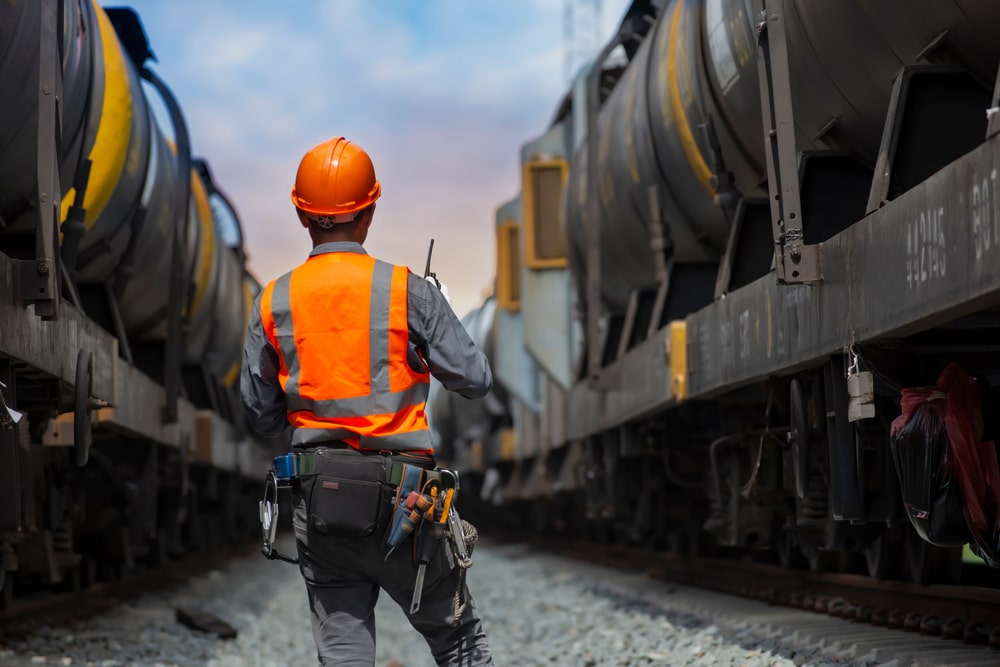
Railway networks depend on thousands of mechanical, electrical, structural, and braking components that must remain reliable under demanding operating conditions. Trains operate through changing temperatures, vibration, friction, moisture, dust, and heavy mechanical loads, making regular inspection and maintenance essential. Older railway infrastructure can present an additional challenge because materials that were commonly used decades ago may no longer meet modern safety expectations. One important example is Asbestos, a naturally occurring mineral that was historically valued for its heat resistance, strength, and insulating properties.
In older locomotives, railway buildings, workshops, stations, signaling facilities, and maintenance equipment, asbestos-containing materials may be encountered in different forms. These can include insulation, brake-related components, gaskets, electrical materials, pipe coverings, and other heat-resistant applications. The presence of such materials does not automatically mean that immediate danger exists. The greater concern generally arises when aging materials are disturbed, damaged, cut, drilled, sanded, or removed without appropriate controls. Consequently, railway maintenance teams need systematic procedures for identifying potentially hazardous materials before beginning intrusive work.
The challenge becomes more complex when railway operators manage a mixture of modern rolling stock and older assets. Replacement programs may take years, while historical equipment may continue operating because of its specialized purpose or limited availability of replacement parts. Effective maintenance therefore requires more than simply repairing visible defects. It involves understanding the materials present, controlling exposure risks, maintaining accurate records, and planning upgrades without unnecessarily disrupting railway operations.
Why Older Railway Equipment May Contain Hazardous Materials
Railway engineering has evolved considerably over the past century. Materials selected for older trains and infrastructure were often chosen according to the engineering knowledge, regulations, and manufacturing practices of the time. Heat-resistant and insulating materials were particularly valuable around engines, braking systems, electrical equipment, steam systems, and other components exposed to elevated temperatures. Because Asbestos offered a combination of thermal resistance, durability, and insulation performance, it became incorporated into numerous industrial applications.
The challenge today is that the original material may remain in service long after its installation. A component that was considered useful when a locomotive or railway building was constructed may become difficult to manage during modern maintenance. Age can cause materials to deteriorate, while repeated vibration and mechanical activity can affect surrounding components. Even when the original material remains relatively stable, maintenance work may expose it unexpectedly. For example, removing a panel, replacing insulation, accessing a mechanical assembly, or repairing an old electrical installation could reveal material that was not obvious during routine visual inspections.
This is why historical information is an important part of railway maintenance. Maintenance managers should understand the age and modification history of vehicles, buildings, and equipment whenever possible. Documentation can help identify areas where legacy materials may exist and allow workers to plan inspections before beginning invasive tasks.
Common Railway Areas Requiring Careful Inspection
Potentially hazardous legacy materials may occur across different parts of a railway environment. Their location and condition can vary significantly depending on the age, design, manufacturer, and previous modifications of the equipment. Older rolling stock may require particular attention because compact mechanical spaces can make inspection and removal activities more difficult.
| Railway Area | Potential Maintenance Concern | Recommended Management Approach |
|---|---|---|
| Older rolling stock | Aging insulation or heat-resistant materials | Review records before intrusive work |
| Brake systems | Legacy friction or heat-resistant components | Identify materials before replacement |
| Electrical equipment | Older insulation and protective materials | Inspect condition and documentation |
| Workshops | Stored components and maintenance debris | Maintain controlled work areas |
| Railway buildings | Pipe, roof, wall, or insulation materials | Survey before renovation |
| Engine compartments | Heat-resistant coverings and insulation | Use planned inspection procedures |
The presence of a potentially asbestos-containing component should not be determined simply from its appearance. Many materials can look similar even though their composition is completely different. Where identification is necessary, trained professionals and appropriate analytical methods may be required. This prevents workers from making assumptions based solely on color, texture, age, or location.
Maintenance Activities That Can Increase Exposure Risk
Routine railway maintenance does not necessarily create exposure to hazardous fibers or dust. The risk can increase when maintenance activities physically disturb an old material. Cutting, drilling, grinding, scraping, breaking, or uncontrolled removal can transform a relatively stable component into a source of airborne contamination. This makes work planning particularly important.
Railway technicians often work under time pressure because vehicles need to return to service quickly. However, rushing an unfamiliar repair can create additional problems if workers discover an unexpected material halfway through the task. A better approach is to identify potentially hazardous materials during the planning stage. Work orders, maintenance histories, previous surveys, equipment drawings, and material records can provide useful information before tools are used.
Another challenge involves secondary contamination. Dust generated during poorly controlled maintenance can settle on nearby surfaces, tools, clothing, or equipment. If those materials are subsequently moved to another location, contamination can spread beyond the original work area. Proper isolation and cleaning procedures therefore form an important part of responsible railway maintenance.
Managing Legacy Components During Railway Upgrades
Modernization programs provide an opportunity to address aging materials systematically. When railway operators upgrade vehicles, stations, workshops, or electrical systems, they can incorporate material assessments into the project planning process. This is more efficient than waiting for an unexpected discovery during construction.
In some situations, an existing component may remain undisturbed because it is in good condition and does not present an immediate exposure pathway. In other situations, replacement may be appropriate because the material is deteriorating or because planned refurbishment will disturb it. Decisions should be based on professional assessment, applicable regulations, the condition of the material, and the nature of the proposed work.
Replacement can also introduce logistical challenges. Railway components are often specialized, and an old material may have been integrated into a system for which modern substitutes require engineering evaluation. Operators may need to confirm that a replacement material provides appropriate thermal, mechanical, electrical, or fire-performance characteristics. Therefore, removing a legacy component is not always as simple as exchanging it for a generic modern product.
Worker Training and Maintenance Procedures
Worker awareness is one of the most important elements of safe railway maintenance. Employees who understand where legacy materials may be present are more likely to recognize situations that require additional assessment. Training should focus on practical workplace situations rather than relying solely on theoretical information.
Personnel should understand that they should not disturb a suspicious material merely to determine what it is. If an unexpected material is discovered during maintenance, the work should follow the organization’s established procedures for stopping, isolating, reporting, and assessing the situation. Specialist contractors may be required for sampling, removal, or disposal depending on local regulations and the type of material involved.
Useful training topics can include:
- Recognizing locations where legacy materials may exist.
- Understanding procedures for unexpected material discoveries.
- Preventing unnecessary disturbance during maintenance.
- Using required protective and contamination-control procedures.
- Reporting damaged or deteriorating materials promptly.
Effective training also needs regular reinforcement. Railway maintenance involves staff turnover, contractors, temporary workers, and specialized teams, so safety knowledge should not depend on a single experienced employee. Clear documentation helps maintain consistency when personnel change.
Inspection and Record-Keeping Challenges
One of the less visible challenges associated with Asbestos management is maintaining accurate information over many years. Railway assets can remain operational for decades, and ownership, maintenance responsibilities, or documentation systems may change during that period. Records created during the original construction may be incomplete or difficult to locate.
A strong asset-management system can reduce this problem by recording identified materials, inspection dates, locations, condition assessments, previous work, and planned actions. Digital asset records can make information easier to access before maintenance begins. Linking material information with equipment identifiers can also help technicians determine whether additional precautions are needed before opening a particular assembly.
Records should be updated whenever significant maintenance or refurbishment takes place. If a component is removed, replaced, or encapsulated, the change should be documented. This creates a historical record that can support future maintenance teams and reduce the possibility of repeating an unnecessary investigation.
Challenges in Workshops and Depots
Railway workshops present unique management difficulties because many different maintenance activities may occur within the same facility. A depot can contain locomotives, passenger coaches, spare components, tools, machinery, electrical equipment, and stored materials. If older equipment is brought into the same environment as modern rolling stock, identifying the origin and condition of legacy materials becomes more complicated.
Good housekeeping and controlled work zones can help reduce unnecessary material disturbance. Maintenance managers should also consider how vehicles and components move through the facility. A material discovered during repair may require a controlled area so that other workers are not unnecessarily exposed to dust or debris.
Contractor management is equally important. External specialists may work on railway assets without having the same historical knowledge as permanent employees. Before work begins, contractors should receive appropriate information about known hazards and site procedures. Clear communication can prevent a contractor from unknowingly disturbing a material that railway personnel already know requires special handling.
Balancing Maintenance Costs and Safety Responsibilities
Railway operators must balance operational reliability, maintenance budgets, modernization requirements, and safety responsibilities. Removing every older component immediately may not always be practical, particularly across extensive networks with thousands of assets. At the same time, ignoring known hazards can create greater problems when materials deteriorate or maintenance work unexpectedly disturbs them.
A risk-based maintenance strategy allows operators to prioritize actions according to condition, likelihood of disturbance, planned maintenance activities, and regulatory requirements. Components that are stable and unlikely to be disturbed may require a different management approach from damaged materials located directly within a frequently serviced assembly.
This approach can also improve financial planning. Instead of treating legacy material management as an unexpected expense, railway organizations can incorporate surveys, specialist assessments, removal work, and replacement materials into long-term maintenance budgets. Planned intervention is generally easier to coordinate than emergency work following an accidental discovery.
Safe Removal and Disposal Considerations
When removal is necessary, it should be handled according to applicable occupational health, environmental, transportation, and waste-management requirements. The process may involve specialist personnel, controlled work areas, appropriate protective measures, approved packaging, and designated disposal facilities. Requirements vary between jurisdictions, so railway operators should follow the regulations that apply to their location.
The disposal stage should receive the same attention as the removal stage. Waste containing Asbestos should not be treated like ordinary maintenance debris. It needs appropriate identification, containment, documentation, transportation, and disposal according to relevant legal requirements. Poor waste handling can extend the risk beyond the original railway workshop and potentially affect cleaners, transport workers, waste contractors, or members of the public.
Modern Technology and Better Railway Asset Management
Technology is increasingly helping railway organizations manage complex maintenance environments. Digital asset registers, condition-monitoring systems, photographic records, mobile inspection applications, and computerized maintenance management systems can improve the way information is collected and shared. These tools can make it easier for technicians to review relevant records before starting work.
Modern inspection methods can also support maintenance planning by providing better information about equipment condition without immediately requiring intrusive intervention. While technology does not replace specialist material assessment, it can help organizations identify where attention may be needed and maintain better historical records.
The long-term goal is to create a maintenance system in which material information becomes part of normal asset management. Instead of treating hazardous legacy materials as isolated problems, operators can integrate them into inspection schedules, work permits, refurbishment plans, contractor briefings, and replacement strategies.
The Importance of Long-Term Planning
Railway systems are designed for long service lives, which means today’s maintenance decisions can influence safety and costs many years into the future. Operators that maintain accurate records and assess legacy materials before major refurbishment can reduce unexpected disruptions. Long-term planning also provides more opportunities to replace aging components when vehicles or facilities are already scheduled for overhaul.
The management of Asbestos should therefore be considered as part of the wider lifecycle strategy for railway assets. This includes understanding where potentially hazardous materials exist, monitoring their condition, preventing unnecessary disturbance, and planning controlled intervention when required. Such an approach is more sustainable than responding only after a problem occurs.
Conclusion
Railway maintenance linked to legacy materials requires careful coordination between engineering, safety, asset management, and regulatory teams. Older trains, workshops, electrical systems, braking equipment, and railway buildings may contain materials that were widely used in earlier periods but require controlled management under modern safety practices. The principal challenge is not simply finding old materials; it is ensuri