


Introduction
Asbestos is a naturally occurring mineral that was widely used in construction and manufacturing because it is strong, heat-resistant, and durable. It can be found in certain older building materials, including insulation, roofing products, floor tiles, cement products, and some textured coatings. The main concern arises when asbestos-containing materials become damaged, disturbed, or deteriorated and release tiny fibers into the air. Because these fibers can be difficult to see, professional assessment is often important when an older property is being renovated, repaired, demolished, or inspected.
Asbestos testing is the process of determining whether a material contains asbestos. Testing can provide valuable information for property owners, contractors, employers, and building managers before work begins. Importantly, the appearance of a material alone cannot reliably confirm whether asbestos is present. Proper assessment should therefore be handled by appropriately trained professionals who understand sampling, laboratory analysis, and applicable safety requirements.
What Is Asbestos Testing?
Asbestos testing involves examining a suspect material to determine whether asbestos fibers are present. Depending on the situation, an inspection may begin with a visual assessment of the building and its materials. If a material appears potentially asbestos-containing and confirmation is necessary, a qualified professional may collect a sample using appropriate precautions and submit it to a suitable laboratory for analysis.
The purpose of asbestos testing is not simply to identify an unusual material. It helps people make informed decisions about maintenance, renovation, repair, removal, or management. A negative result can provide useful information, while a positive result may indicate that additional planning and controls are needed before the material is disturbed. Testing is particularly relevant in older buildings where construction materials may have been installed decades ago.
Why Is Asbestos Testing Important?
Asbestos becomes a serious concern when its fibers become airborne and are inhaled. Long-term exposure to asbestos fibers has been associated with serious diseases, including asbestosis, lung cancer, and mesothelioma. The risk depends on several factors, including the amount and duration of exposure, the type of asbestos, and the condition of the material.
For this reason, asbestos testing can be an important part of responsible property management. It may help identify materials that require special handling before renovation or demolition. Testing can also reduce uncertainty when a property owner is unsure about the composition of an older building product.
Rather than assuming that every old material contains asbestos, or that every suspicious-looking material is asbestos-free, professional assessment provides evidence that can support safer decisions.
Where Might Asbestos Be Found?
Asbestos was used in many different products, particularly in buildings constructed or renovated during periods when asbestos-containing materials were common. Its presence varies according to the building’s age, location, construction history, and materials used.
Potential locations can include insulation, roofing materials, pipe insulation, cement products, floor tiles, ceiling materials, wall materials, and some adhesives or coatings. However, not every product in these categories contains asbestos.
| Building Area | Possible Material | Why Testing May Be Considered |
|---|---|---|
| Roofing | Roofing sheets or coatings | Renovation or replacement |
| Flooring | Older tiles or adhesives | Removal or remodeling |
| Insulation | Pipe or building insulation | Repair or disturbance |
| Ceilings | Certain tiles or coatings | Renovation work |
| Walls | Some older building products | Alteration or demolition |
| Exterior | Cement-based products | Cutting, drilling, or replacement |
The presence of a potentially suspect material does not automatically confirm asbestos. Laboratory analysis may be required when certainty is important.
When Should a Property Be Tested?
The need for testing depends on the building and the planned work. A professional assessment may be particularly appropriate before renovation, remodeling, demolition, or major repairs in an older property. Drilling, cutting, sanding, breaking, or removing unknown materials can potentially disturb hazardous substances.
Property owners may also consider an asbestos assessment when buying or managing an older building. Commercial property managers and employers may have additional responsibilities depending on local regulations and the nature of the workplace.
If damaged insulation, deteriorating ceiling materials, or other suspicious products are discovered, unnecessary disturbance should be avoided until the material has been assessed. Taking a cautious approach is generally preferable to attempting to determine the material’s composition by appearance alone.
How Does Professional Testing Work?
A professional assessment generally begins with an inspection of the property and identification of materials that may require further evaluation. The professional considers the building’s age, construction history, materials, condition, and planned activities.
Where sampling is necessary, the qualified professional follows appropriate precautions designed to minimize fiber release and exposure. The sample is then sent to a laboratory capable of analyzing asbestos-containing materials. The laboratory result can indicate whether asbestos was detected and, where applicable, provide additional information about the material.
The exact testing process can vary depending on local regulations, the building type, and the reason for the assessment. Because disturbing a suspect material can create unnecessary exposure, homeowners should avoid treating sampling as an ordinary DIY home-improvement task.
Who Should Perform Asbestos Testing?
Asbestos-related assessment should be handled by professionals with suitable training, experience, and knowledge of applicable regulations. The exact qualifications required can differ between countries and regions.
A reliable professional should be able to explain the scope of the inspection, sampling approach, laboratory arrangements, reporting process, and relevant safety measures. Property owners should also ask whether the laboratory used for analysis follows recognized quality standards.
Choosing an appropriately qualified professional is especially important when testing is connected to planned renovation or demolition. A general building inspection may not provide the same level of asbestos-specific expertise required for identifying and managing potentially hazardous materials.
Can You Identify Asbestos by Looking at It?
In most cases, asbestos cannot be reliably identified simply by looking at a material. Many asbestos-containing products resemble ordinary construction materials, while some visually unusual products may contain no asbestos at all.
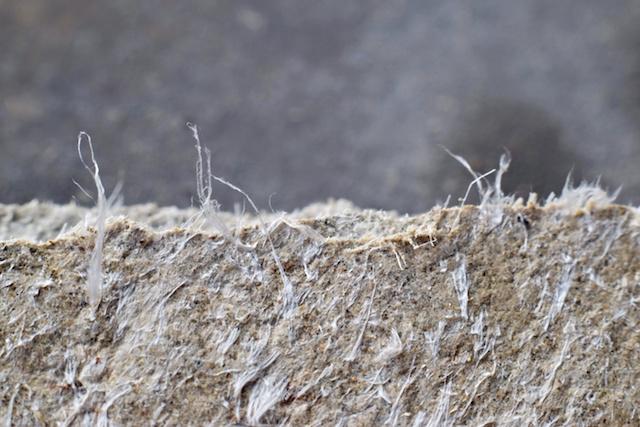 This is one reason professional assessment is valuable. Color, texture, age, or appearance should not be treated as conclusive evidence. Online photographs and informal comparisons may provide general information, but they cannot replace appropriate inspection and laboratory analysis.
If an unknown material is suspected of containing asbestos, avoid disturbing it unnecessarily. Activities such as drilling, sanding, cutting, scraping, or breaking can change the condition of the material and potentially release fibers.
What Happens After a Positive Result?
A positive test does not necessarily mean that a building must be abandoned or that immediate removal is always required. The appropriate response depends on the material’s condition, location, accessibility, and the planned use of the property.
In some situations, asbestos-containing material may be managed in place if it is stable and unlikely to be disturbed. In other circumstances, professional removal or specialized treatment may be necessary, particularly when renovation or demolition could affect the material.
A qualified asbestos professional can help determine the appropriate management approach. Any removal work should be planned according to applicable safety requirements rather than treated as ordinary construction or household waste.
Asbestos Testing During Renovation
Renovation projects can create particular concerns because construction activities may disturb hidden materials. Homeowners sometimes focus on visible surfaces while overlooking insulation, adhesives, flooring layers, ceiling components, or other materials behind or beneath them.
Before major work begins in an older building, an appropriate assessment can help identify potential asbestos risks. Contractors can then plan work around confirmed information rather than discovering suspect material unexpectedly after construction has started.
For larger projects, asbestos management may form part of the overall project safety plan. Workers should understand which materials are considered hazardous and what controls are required before work proceeds.
Understanding Testing Results
Testing reports can vary in format, but they generally provide information about the material examined and whether asbestos was detected. Some reports may include the type or percentage of asbestos identified, depending on the laboratory method and applicable requirements.
It is important to understand that a test result applies to the material or sample examined. A negative result from one location does not necessarily prove that every similar-looking material throughout a building is asbestos-free.
For this reason, professional inspection and appropriate sampling strategies are important. The report should be interpreted in the context of the property, its construction history, and planned activities.
Common Mistakes to Avoid
One common mistake is assuming that asbestos can always be recognized visually. Another is disturbing a suspicious material before determining what it contains. Homeowners may also assume that a single sample automatically represents every material in an entire building.
Some people rely on internet photographs or informal advice rather than obtaining professional assessment. Others may dispose of suspected asbestos-containing materials with ordinary construction waste. These approaches can create unnecessary risks.
A safer approach is to stop unnecessary disturbance, obtain appropriate professional advice, and follow local requirements for testing, management, removal, transportation, and disposal.
Benefits of Professional Asbestos Testing
Professional asbestos testing can provide several practical benefits. First, it can reduce uncertainty about potentially hazardous materials. Second, it can help property owners and contractors make better decisions before renovation or demolition. Third, documented testing can support property management and safety planning.
Other potential benefits include:
- Identifying materials that may require special management.
- Supporting safer renovation planning.
- Providing laboratory evidence rather than relying on visual assumptions.
- Helping contractors understand potential hazards before work begins.
The greatest value comes when testing is incorporated into a broader safety and property-management strategy.
How Much Does Asbestos Testing Cost?
The cost of asbestos assessment varies considerably. Factors can include the size of the property, number of materials requiring examination, number of samples, laboratory fees, location, inspection complexity, and whether additional professional services are required.
A simple assessment involving a small number of materials may cost considerably less than a large commercial survey involving numerous locations. Removal, repair, air monitoring, and disposal are separate services and can add substantially to the overall project cost.
Therefore, property owners should request a clear quotation explaining what is included. Comparing professionals based solely on the lowest price may not be appropriate when health and regulatory considerations are involved.
Conclusion
Asbestos is a serious building-material concern because damaged or disturbed asbestos-containing products can release fibers that pose significant health risks. Since asbestos cannot reliably be identified by appearance alone, appropriate professional assessment can be an important step before renovation, demolition, or major repairs in older properties.
Asbestos testing provides evidence that can help property owners understand what materials are present and determine how they should be managed. The safest approach is to avoid unnecessary disturbance of suspicious materials and seek qualified professional assistance when testing is appropriate. With proper identification, planning, and management, potential asbestos hazards can be addressed more responsibly while protecting occupants, workers, and property.