


Introduction
Asbestos testing is the process of examining materials to determine whether they contain asbestos fibers. It is especially important in older buildings, where asbestos may have been used in insulation, flooring, roofing, wall materials, ceilings, pipes, and other construction products. Because asbestos cannot always be identified by appearance alone, testing provides a reliable way to determine whether a suspicious material contains the mineral.
The need for asbestos testing often arises during renovation, demolition, property inspection, or maintenance work. Disturbing an asbestos-containing material can release tiny fibers into the air, creating a potential exposure risk. Testing before work begins can therefore help property owners, contractors, and occupants make informed decisions about how a material should be handled.
Why Testing Is Important Before Building Work
Many older construction materials can look completely ordinary even when asbestos is present. A ceiling panel, floor tile, cement sheet, pipe covering, or insulation product may not reveal its composition through visual inspection. This makes assumptions particularly unreliable.
When renovation involves drilling, cutting, sanding, removing, or breaking materials, knowing what is present becomes more important. Asbestos testing can identify materials that require special precautions before work continues. It can also prevent unnecessary disturbance of potentially hazardous materials.
Testing may be considered when:
- An older building is being renovated or demolished.
- Damaged insulation or building materials are discovered.
- Flooring, roofing, ceilings, or wall products appear suspicious.
- Maintenance work could disturb hidden materials.
- A property is being assessed before purchase or redevelopment.
The purpose is not simply to locate asbestos but to provide information that supports safer decisions.
Where Asbestos May Be Found
Asbestos was valued for its strength, heat resistance, and durability, so it appeared in numerous building products. Its presence can vary considerably depending on the age, construction methods, and materials used in a particular property.
Potential locations include insulation around pipes and boilers, older floor tiles, textured coatings, roofing products, cement sheets, ceiling materials, wall compounds, and insulation boards. Some materials may contain asbestos as part of a mixture, meaning the fibers are not necessarily visible.
| Material or Area | Why Testing May Be Needed | Possible Concern |
|---|---|---|
| Floor tiles | Older tiles may contain asbestos | Cutting or removal can disturb fibers |
| Pipe insulation | Heat-resistant materials were commonly used | Damage may release fibers |
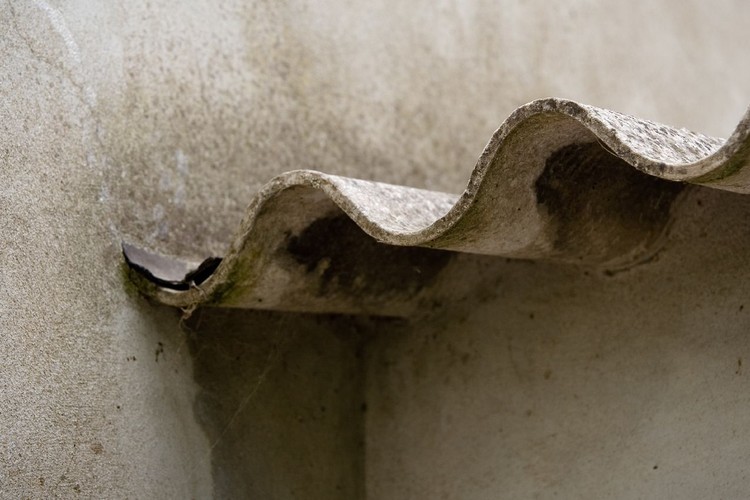
| Roofing products | Some older roofing materials contained asbestos | Breaking or cutting may create dust |
| Ceiling materials | Certain boards and textured products may contain asbestos | Renovation can disturb surfaces |
| Cement sheets | Asbestos was incorporated into some cement products | Sawing can generate airborne dust |
| Wall materials | Compounds and boards may contain asbestos | Sanding or demolition can disturb them |
The table is a guide rather than a method for identifying asbestos. Laboratory testing is generally needed to confirm the material’s composition.
How the Asbestos Testing Process Works
A professional asbestos testing process normally begins with an assessment of the property and the materials that may need examination. The person conducting the assessment considers the building’s age, construction history, visible materials, planned work, and areas where asbestos could reasonably occur.
If sampling is appropriate, a small portion of the suspect material is collected using procedures designed to limit fiber release. The sample is then placed in suitable packaging and submitted for laboratory examination. The laboratory analyzes the sample to determine whether asbestos is present and, where applicable, identifies the type or characteristics of the asbestos detected.
The exact procedure can vary according to local regulations, building conditions, and the type of material being investigated. A professional should determine how samples are collected rather than relying on casual handling of suspicious materials.
Why Visual Inspection Alone Is Not Enough
One of the most common mistakes is assuming that asbestos can be identified simply by looking at a material. In reality, many asbestos-containing products resemble ordinary construction materials. Color, texture, age, and general appearance may provide clues, but they cannot reliably confirm the presence or absence of asbestos.
For example, an older floor tile may look similar to a modern replacement product. Likewise, insulation may appear harmless even though it contains asbestos. This uncertainty is why asbestos testing is valuable when a material could be disturbed.
Avoiding unnecessary disturbance is also important. Scraping, breaking, drilling, sanding, or cutting a suspicious product simply to inspect it can increase the possibility of releasing fibers.
Choosing a Suitable Testing Approach
Not every situation requires exactly the same testing strategy. The appropriate approach depends on what needs to be established and how the building will be used.
 A property owner preparing for renovation may need samples from several materials that contractors could disturb. Someone investigating a damaged section of insulation may need a more focused assessment. A large commercial building may require a broader survey because asbestos-containing materials could exist in different locations.
Important considerations include:
- The age and history of the property.
- Materials that will be disturbed during planned work.
- The condition of suspected materials.
- Areas that are difficult to access.
- Applicable local safety and regulatory requirements.
A professional assessment can help determine which materials should be tested and whether additional investigation is necessary.
What Happens After a Positive Result?
A positive asbestos testing result does not automatically mean that every material must be removed immediately. The appropriate response depends on the material’s condition, location, accessibility, and the planned activities around it.
If the material is intact and unlikely to be disturbed, leaving it in place under suitable management may sometimes be considered. If it is damaged or will be affected by construction work, additional action may be necessary.
Possible management strategies can include:
- Keeping the material undisturbed.
- Monitoring its condition.
- Restricting access to the affected area.
- Encapsulating or enclosing suitable materials.
- Arranging professional removal when required.
The safest choice depends on the circumstances and applicable requirements. A positive test should therefore lead to informed planning rather than uncontrolled removal.
Safety During Sampling and Renovation
Asbestos-related work should be approached carefully because fibers can become airborne when asbestos-containing materials are disturbed. Ordinary household cleaning or improvised sampling methods may not provide adequate protection.
People should avoid disturbing suspicious materials merely to obtain a sample. Professional sampling is preferable when asbestos is reasonably suspected, particularly when the material is damaged or difficult to access.
During renovation, workers should know which materials have been identified and which areas require special precautions. Proper planning can reduce accidental disturbance and help prevent asbestos-related contamination from spreading into other parts of a building.
It is also important to follow local rules governing inspection, sampling, removal, disposal, and worker protection. Requirements can differ by location, property type, and the nature of the work.
Factors That Can Affect Testing Costs
The cost of asbestos testing varies because different properties require different levels of investigation. A simple assessment involving one suspect material may be less complicated than an extensive inspection covering multiple rooms and building systems.
Factors that can influence the overall cost include the number of samples, property size, accessibility of materials, laboratory analysis, travel requirements, urgency, and whether a broader building survey is needed.
It is better to compare testing services based on qualifications, scope, sampling procedures, laboratory arrangements, and reporting rather than selecting a provider based only on price. A very low-cost service may not provide the level of assessment needed for a complicated property.
How to Prepare for Asbestos Testing
Good preparation can make an assessment more useful and reduce unnecessary disturbance. Property owners should provide available information about the building, including its approximate age, previous renovations, and planned construction work.
Before the assessment, avoid drilling, sanding, removing, or breaking suspicious materials. If renovation plans already exist, explain which areas contractors intend to modify. This allows the assessment to focus on materials that could actually be affected by the project.
Keep records of test results and reports after testing is completed. These documents can be useful during future renovations, maintenance activities, property management, or building inspections.
Making Sense of the Test Report
An asbestos testing report should clearly identify the samples examined and provide the laboratory findings. Depending on the testing service, it may also describe sample locations, material descriptions, and recommendations for further assessment or management.
Readers should pay attention to which specific materials were tested. A negative result for one sample does not necessarily prove that every material throughout a building is asbestos-free. Different materials may have different compositions.
If the report identifies asbestos, the next step should be based on professional advice and the circumstances of the property. If the findings are unclear, asking the testing professional to explain the report can help prevent incorrect conclusions.
Conclusion
Asbestos testing provides an important way to determine whether potentially hazardous asbestos is present in building materials before they are disturbed. Because asbestos-containing products can resemble ordinary construction materials, visual inspection alone is not a dependable confirmation method. Professional sampling and laboratory analysis can provide the information needed for safer renovation, maintenance, property management, and demolition decisions.
The most responsible approach is to avoid disturbing suspicious materials until their status is properly assessed. Understanding where asbestos may occur, arranging appropriate testing, keeping accurate records, and following applicable safety requirements can significantly improve how potential asbestos risks are managed. Ultimately, asbestos testing is not simply about identifying a material; it is about gaining reliable information so that future work can be planned with greater care and safety.