

Asbestos exposure happens when a person breathes in microscopic asbestos fibers released from damaged or disturbed materials. Because these fibers are extremely small and durable, they can remain in the lungs for years and may contribute to serious diseases. Risk is often associated with older buildings, industrial workplaces, construction, renovation, shipyards, and certain manufactured products. The level of risk depends on how much fiber becomes airborne, how often contact occurs, how long it lasts, and the type of work involved.
Understanding where asbestos may be present and how fibers become airborne is important for workers, homeowners, tenants, and anyone involved in building maintenance. Asbestos-containing materials can be difficult to identify by appearance alone, so disturbing a suspicious product simply to check it can create an unnecessary hazard.
What Is Asbestos and Why Was It Used?
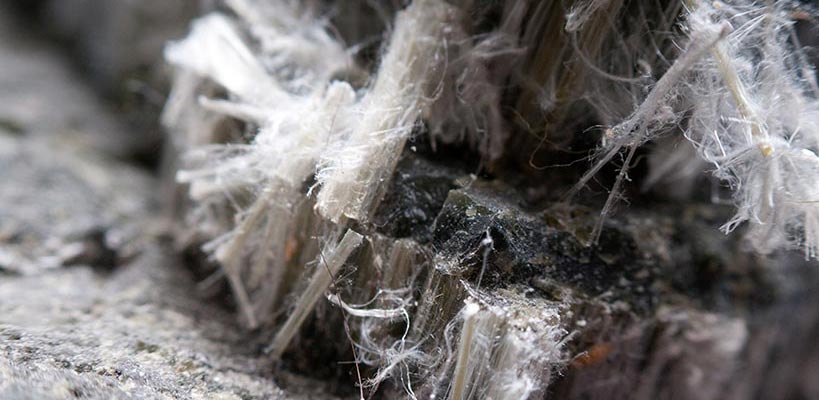
Asbestos is a group of naturally occurring mineral fibers valued for strength, heat resistance, chemical resistance, and insulation. During much of the twentieth century, it was used in construction materials, insulation, brake components, cement products, flooring, roofing, textiles, and other applications.
Health concerns became clearer as research connected inhaled fibers with diseases affecting the lungs and surrounding tissues. Many countries regulate or restrict asbestos use, but older materials remain in some buildings, machinery, and infrastructure.
Asbestos is not automatically dangerous simply because it is present. Intact materials that remain undisturbed may release few fibers. Concern increases when asbestos-containing material is cut, drilled, sanded, scraped, broken, demolished, or otherwise damaged.
Common Situations That Can Release Fibers
The greatest concern generally arises when asbestos-containing materials are damaged or handled without appropriate controls. Renovation and demolition can be particularly important because routine activities may disturb hidden materials.
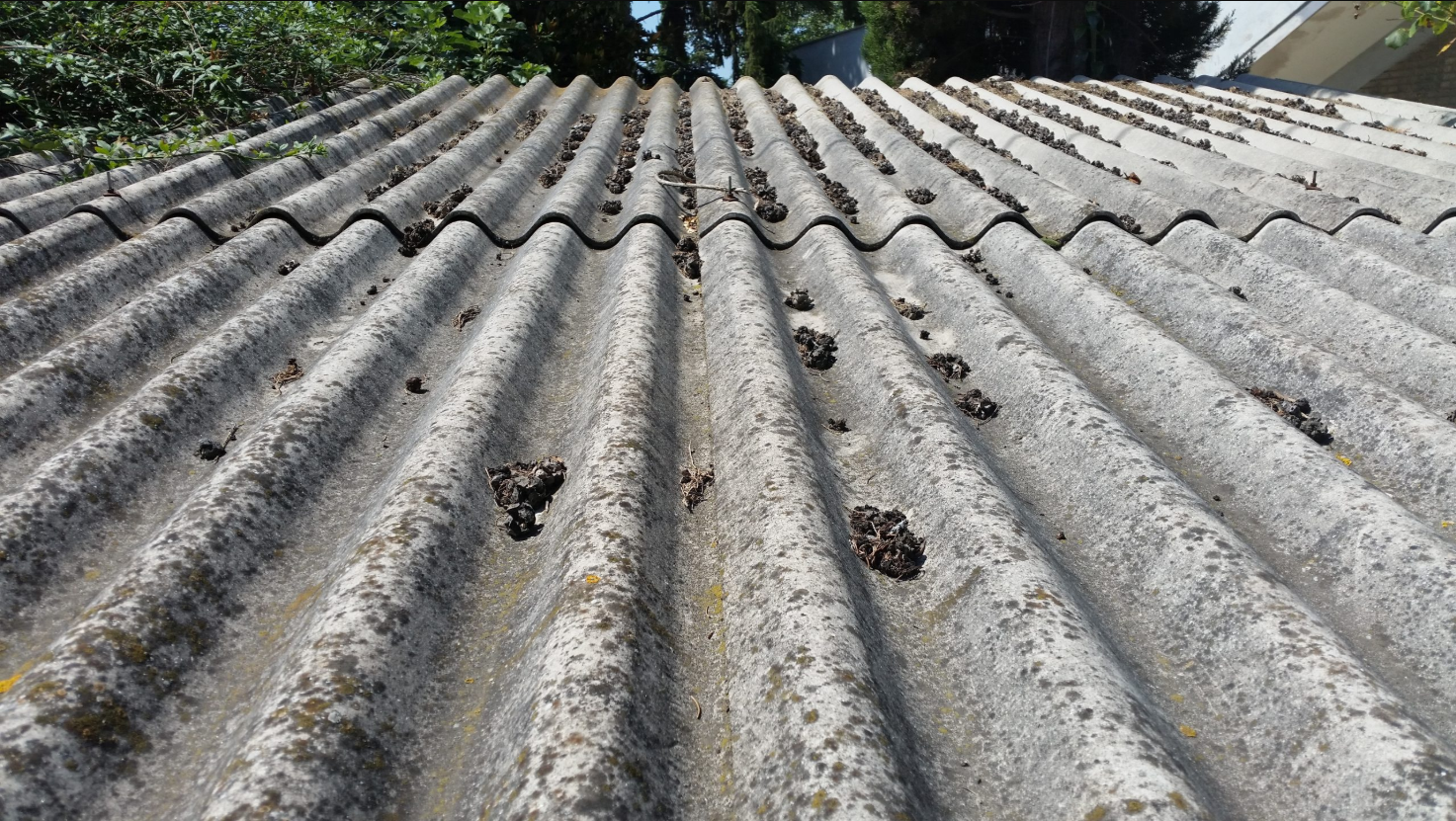
Potential sources in older structures include pipe and boiler insulation, textured coatings, cement sheets, floor tiles, roofing products, insulation boards, and some adhesives. Industrial settings may also contain asbestos in older equipment or heat-resistant components.
Activities that can increase the chance of airborne fibers include:
- Drilling or cutting older building materials
- Removing insulation, tiles, or roofing
- Sanding or scraping suspect surfaces
- Demolishing walls, ceilings, machinery, or structures
- Cleaning debris without suitable controls
A worker may face repeated contact over many years, while a homeowner might encounter a shorter event during renovation. Risk cannot be determined from the event alone.
Who May Be at Greater Risk?
Historically, some of the highest occupational exposures occurred in construction, insulation, shipbuilding, manufacturing, mining, maintenance, and demolition. Workers may encounter asbestos-containing materials when working with older structures or equipment.
Family members can sometimes face secondary exposure when fibers are carried home on contaminated clothing, footwear, tools, or equipment. Workplace hygiene and proper handling procedures therefore matter.
Health Effects Linked to Asbestos
The health effects of asbestos exposure are mainly associated with inhaling airborne fibers. Some illnesses develop slowly, with a long period between exposure and diagnosis. This can make it difficult to connect a present-day health problem with work or environmental history from decades earlier.
Conditions associated with asbestos include asbestosis, lung cancer, and mesothelioma. Asbestosis involves lung scarring and can cause breathing difficulties. Mesothelioma is a rare cancer affecting tissues such as the lining of the lungs or abdomen. Asbestos can also increase lung cancer risk, while smoking can increase that risk substantially.
Not everyone who encounters asbestos will develop an asbestos-related disease. Risk varies according to intensity and duration of exposure, individual circumstances, and other factors. Anyone concerned about past exposure should discuss the history with a qualified healthcare professional rather than trying to predict an outcome from symptoms alone.
Symptoms That Should Not Be Ignored
When symptoms occur, they may resemble those of other respiratory illnesses. Possible symptoms include persistent cough, shortness of breath, chest discomfort, reduced exercise tolerance, unexplained weight loss, or unusual fatigue. These symptoms do not prove that asbestos caused an illness because many common conditions can produce similar signs.
Medical evaluation is especially important when someone has a known occupational history and develops persistent respiratory symptoms. A clinician may review work history, smoking history, symptoms, and other risk factors before deciding whether further testing is appropriate.
How Asbestos Exposure Is Evaluated
There is no reliable way to determine the amount of asbestos a person inhaled by looking at a material or recalling a brief encounter. Evaluation usually begins with a detailed history.
A professional may consider the material, its condition, the work activity, duration of contact, protective measures, and whether visible dust was generated. Building surveys and laboratory analysis can help determine whether a suspect material contains asbestos.
Medical assessment is separate from building assessment. A healthcare professional may use medical history, physical examination, lung function testing, or imaging when appropriate. Testing should be guided by a qualified clinician rather than performed solely because someone is worried after an uncertain event.
What to Do After a Possible Exposure
If you suspect that asbestos-containing material has been disturbed, the priority is to avoid creating more airborne dust. Do not continue drilling, sanding, sweeping, or breaking the material to investigate it.
 Leave the area when practical and prevent unnecessary access until it can be assessed. Avoid dry sweeping or ordinary cleaning methods that could redistribute contaminated dust. If clothing or equipment may be contaminated, follow appropriate workplace or professional procedures rather than shaking it out.
For renovation or demolition, an asbestos professional should assess suspect materials before work continues. Depending on local requirements, sampling, containment, controlled removal, and specialized disposal may be necessary.
Preventing Unnecessary Exposure
Prevention is generally better than responding after fibers have been released. Employers should identify asbestos-containing materials where required, train workers, maintain appropriate controls, and follow applicable occupational safety rules.
Homeowners should not assume that a material is safe because it looks ordinary. Internet photographs are not a dependable method for identifying asbestos-containing products. If an older building is scheduled for renovation, professional inspection can help determine whether testing is necessary.
Useful precautions include:
- Do not disturb suspect materials unnecessarily.
- Arrange professional assessment before major renovation in older properties.
- Follow workplace asbestos procedures and use required protective equipment.
- Keep unauthorized people away from damaged or actively disturbed materials.
- Use qualified contractors for regulated asbestos work.
Asbestos Exposure Compared With Other Dust Hazards
Construction dust can contain many harmful substances, and not every dusty environment involves asbestos. Silica dust, wood dust, mold, chemical residues, and other airborne contaminants can also create health risks. Identifying the actual material and understanding the work environment are therefore important.
A dusty room should not automatically be labeled an asbestos hazard, but uncertainty should not be a reason to disturb suspicious materials. Professional testing and risk assessment provide a more reliable basis for deciding what controls are needed.
| Situation | Main concern | Sensible response |
|---|---|---|
| Intact suspect material | Possible future disturbance | Avoid disturbing it and seek assessment |
| Damaged older material | Potential fiber release | Restrict access and arrange professional evaluation |
| Renovation of an older building | Hidden asbestos materials | Assess before cutting, drilling, or demolition |
| Workplace maintenance | Repeated occupational contact | Follow the employer’s asbestos procedures |
| Possible past exposure | Long-term health concern | Record the history and discuss it with a clinician |
When Professional Help Is Necessary
Professional assistance is particularly important when suspect materials are damaged, renovation is planned, or work involves cutting, demolition, insulation removal, or other activities that may release fibers. Trained professionals can assess materials, recommend controls, and, where legally required, carry out removal or disposal procedures.
Medical advice is appropriate after a significant exposure history or when persistent respiratory symptoms develop. A doctor can determine whether evaluation is warranted.
Conclusion
Asbestos remains a concern because older materials can still be present even where the substance is no longer widely used. The key danger comes from airborne fibers released when asbestos-containing materials are disturbed or damaged. Understanding potential sources, avoiding unnecessary disturbance, using qualified professionals, and following workplace safety procedures can reduce preventable risks.
A single suspected event does not automatically mean that serious illness will occur, and symptoms alone cannot establish the cause of a disease. If you believe you have experienced asbestos exposure, focus on preventing further disturbance, document what happened, and seek appropriate professional or medical guidance. Early awareness and sensible precautions are practical ways to manage asbestos-related risks.