

Introduction
Asbestos exposure remains one of the most serious workplace health concerns despite strict regulations in many countries. For decades, asbestos was widely used in construction, shipbuilding, insulation, automotive parts, roofing materials, and industrial manufacturing because of its heat resistance and durability. However, research later confirmed that inhaling asbestos fibers can lead to severe health problems, many of which appear years or even decades after exposure.
For general readers, understanding asbestos hazards is important because exposure is not limited to industrial workers. Renovation projects, demolition work, old buildings, and damaged insulation can also release asbestos fibers into the air. This guide explains how asbestos exposure occurs, who is at risk, common health effects, warning signs, preventive measures, workplace safety standards, and practical steps everyone should know. By understanding the risks and following proper safety procedures, individuals and organizations can significantly reduce the chances of harmful exposure.
What Is Asbestos?
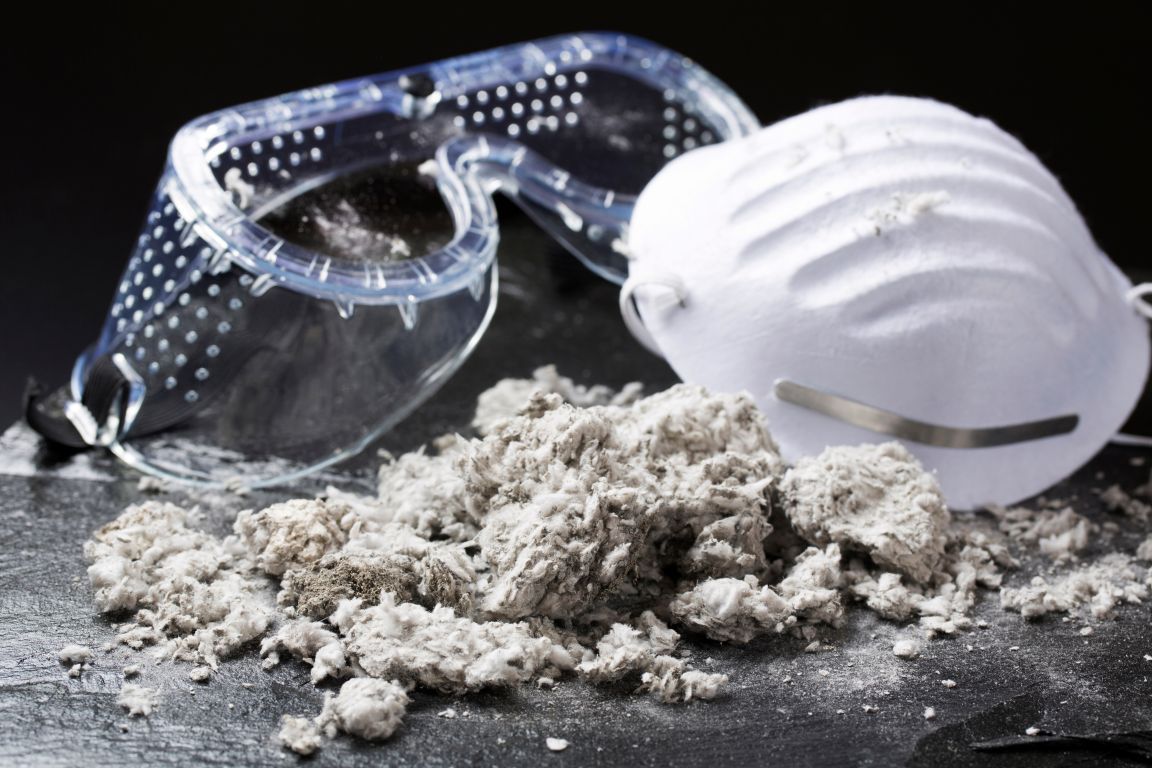
Asbestos is a naturally occurring mineral made of tiny microscopic fibers. These fibers are extremely strong, resistant to heat, chemicals, and electricity, making asbestos a popular building material throughout much of the twentieth century. It was commonly found in insulation, roofing sheets, floor tiles, cement products, pipe coverings, brake pads, and ceiling materials.
The problem begins when asbestos-containing materials become damaged, disturbed, or deteriorate over time. Instead of remaining trapped within the material, microscopic fibers are released into the air. These invisible fibers can remain airborne for long periods and may be inhaled without a person realizing it. Once inhaled, the fibers can lodge deep inside the lungs where the body struggles to remove them. This is why asbestos exposure is considered dangerous even when the amount inhaled seems small. Long-term or repeated exposure greatly increases the likelihood of developing serious health conditions years later.
Common Sources of Asbestos Exposure
Many people associate asbestos only with factories, but exposure can happen in several environments. Older homes, schools, hospitals, warehouses, and office buildings may still contain asbestos materials that remain safe if undisturbed but become hazardous during renovations or demolition.
| Source | Possible Risk Level | Common Examples |
|---|---|---|
| Construction Sites | High | Roofing, insulation, cement sheets |
| Demolition Projects | Very High | Breaking walls and ceilings |
| Manufacturing Plants | High | Industrial insulation products |
| Shipyards | High | Engine room insulation |
| Older Residential Buildings | Moderate | Floor tiles, pipe insulation |
| Automotive Workshops | Moderate | Brake pads and clutch components |
Knowing where asbestos may be present helps workers and property owners take appropriate precautions before beginning repairs or renovations.
Who Faces the Highest Risk?
Workers in certain industries face a greater chance of encountering asbestos materials. Construction workers, electricians, plumbers, roofers, demolition crews, mechanics, shipyard employees, and industrial maintenance staff often work in environments where asbestos-containing materials may still exist.
Although occupational exposure remains the most common concern, family members can also be affected if contaminated work clothing brings asbestos fibers into the home. Additionally, people renovating older houses without proper inspections may unknowingly disturb asbestos-containing materials. Understanding these risks encourages safer planning before beginning any remodeling project and highlights why professional inspections are often recommended for older buildings.
Health Effects of Asbestos Exposure
The health effects associated with asbestos generally develop slowly. Unlike many workplace injuries, symptoms often do not appear immediately. In many cases, diseases develop decades after the initial exposure because asbestos fibers remain trapped within lung tissue.
Some of the most serious illnesses linked to asbestos include lung scarring, chronic breathing difficulties, lung cancer, and mesothelioma. These conditions often reduce lung function and significantly affect overall quality of life. Early diagnosis may improve treatment options, making medical monitoring important for individuals with a known history of exposure.
It is important to remember that not everyone exposed to asbestos will develop disease. However, repeated or prolonged asbestos exposure substantially increases the health risk, especially when combined with smoking.
Signs and Symptoms
Symptoms usually appear many years after exposure and may gradually become more noticeable over time. Early warning signs are often mistaken for common respiratory illnesses, making medical evaluation important for individuals with previous occupational exposure.
Common symptoms include:
- Persistent dry cough
- Shortness of breath
- Chest pain
- Fatigue
- Difficulty breathing during physical activity
- Unexplained weight loss in advanced cases
Anyone experiencing these symptoms after working around asbestos-containing materials should seek professional medical advice for proper evaluation.
How Workplace Exposure Happens
Workplace exposure generally occurs when asbestos-containing materials are cut, drilled, sanded, broken, or demolished. These activities release microscopic fibers that become airborne and may remain suspended for extended periods. Without proper respiratory protection and ventilation, workers can inhale these fibers throughout their workday.
Dust generated during renovations is particularly dangerous because asbestos fibers cannot be identified by sight or smell. Workers may unknowingly breathe contaminated air while believing the environment appears clean. Employers therefore play an essential role in identifying asbestos-containing materials before beginning work and ensuring that appropriate control measures are implemented.
Preventing Asbestos Exposure
Preventing asbestos exposure begins with identifying materials that may contain asbestos before disturbing them. Proper inspections, workplace assessments, and professional testing reduce unnecessary risks and allow organizations to develop safe work procedures.
Protective measures include using approved respiratory equipment, disposable protective clothing, controlled removal techniques, dust suppression methods, and restricted access to contaminated work areas. Workers should never cut or drill suspected asbestos materials without confirming whether they contain asbestos.
Good housekeeping also plays a major role. Dry sweeping should be avoided because it can spread airborne fibers. Instead, specialized cleaning methods and appropriate vacuum equipment designed for hazardous dust should be used to minimize contamination.
Personal Protective Equipment
Personal protective equipment serves as the final barrier between workers and hazardous asbestos fibers. While engineering controls should always be the primary defense, PPE remains essential whenever exposure cannot be completely eliminated.
 Appropriate equipment typically includes certified respirators, disposable coveralls, gloves, protective footwear, and eye protection. Clothing worn during asbestos work should never be taken home because fibers can contaminate vehicles and living spaces. Proper disposal procedures and workplace changing facilities help prevent secondary exposure for family members.
Training workers on correct PPE use is equally important. Even high-quality protective equipment cannot provide adequate protection if worn incorrectly or removed improperly after completing hazardous tasks.
Safe Handling and Removal Practices
Removing asbestos-containing materials requires careful planning and strict safety procedures. Only trained personnel should perform removal work because improper handling greatly increases airborne fiber release.
Important safety practices include isolating the work area, maintaining adequate ventilation controls where appropriate, using wet removal techniques to suppress dust, sealing waste in approved containers, and following local regulations for hazardous material disposal. Clear warning signs and restricted access also help protect workers and the public during removal operations.
Organizations should establish emergency procedures in case asbestos materials are accidentally damaged. Immediate containment and professional assessment reduce unnecessary exposure and minimize contamination.
Why Training and Awareness Matter
Education remains one of the most effective ways to reduce workplace hazards. Employees who understand asbestos risks are more likely to recognize hazardous materials, follow established procedures, and report damaged insulation or suspicious building materials before exposure occurs.
Training programs should explain where asbestos may be found, how fibers become airborne, proper use of protective equipment, emergency response procedures, and safe cleaning techniques. Regular refresher training reinforces good habits and ensures new employees understand workplace safety expectations.
Creating a strong safety culture encourages workers to prioritize health over convenience, ultimately reducing accidents and long-term occupational illness.
Conclusion
Asbestos exposure continues to be a significant occupational health concern, particularly in older buildings and industries where asbestos-containing materials remain in place. Although many countries have introduced regulations to limit its use, the risk still exists whenever these materials are disturbed without proper precautions.
Understanding how exposure occurs, recognizing high-risk environments, using appropriate protective equipment, and following safe removal practices are essential steps toward preventing serious health problems. Employers, workers, and property owners all share responsibility for maintaining safe environments and ensuring asbestos hazards are properly managed.
Awareness, education, and prevention remain the strongest defenses against asbestos-related diseases. By identifying risks early and following established workplace safety practices, individuals can greatly reduce the likelihood of harmful asbestos exposure while protecting both themselves and those around them.