

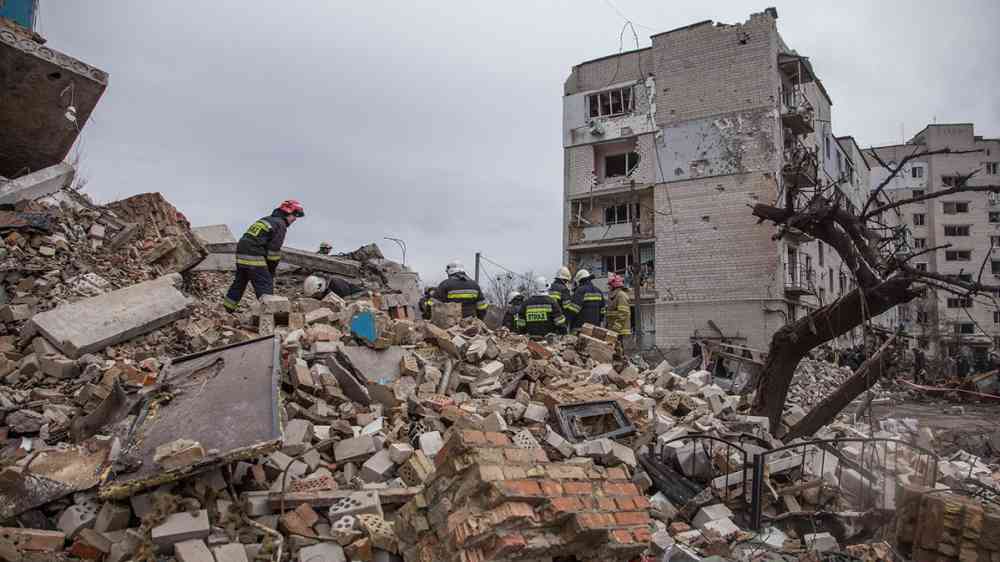
Natural disasters can transform familiar buildings into hazardous environments within minutes. Hurricanes, floods, earthquakes, tornadoes, wildfires, and severe storms can damage walls, ceilings, insulation, roofing, flooring, pipes, and other construction components. In older properties, some of these materials may contain asbestos, creating an additional concern during emergency recovery. Damage itself does not necessarily mean immediate exposure, but broken, disturbed, or deteriorating materials can release hazardous fibers into surrounding areas.
Emergency conditions also make proper identification more difficult. Homeowners, volunteers, contractors, and cleanup workers may be focused on structural damage, standing water, electrical hazards, or debris removal rather than hidden materials. However, rushing into demolition or cleanup without understanding what materials are present can create avoidable exposure risks. A safer recovery process begins with controlling access, assessing the damaged property, and determining whether potentially hazardous materials require professional evaluation.
Why Natural Disasters Can Create Asbestos Concerns
Asbestos was historically incorporated into numerous building products because of its resistance to heat, fire, chemicals, and wear. Depending on the property’s age and construction history, it may be present in insulation, floor tiles, roofing products, cement materials, pipe coverings, textured coatings, wall materials, and other components. The presence of asbestos does not automatically mean that a building is unsafe. The greater concern generally arises when materials are damaged or disturbed in ways that can release fibers.
Natural disasters can create exactly those conditions. Earthquakes may crack walls and ceilings, storms can tear away roofing and siding, and floods may weaken flooring and wall systems. Fires can damage materials directly while firefighting activities and subsequent demolition can disturb components that were previously intact. Even when debris appears harmless, its composition may not be obvious from visual inspection alone.
Another challenge is that disaster cleanup often happens under pressure. Property owners may want to remove damaged materials immediately to prevent additional water damage, mold growth, or structural deterioration. Contractors may also be working under tight schedules because entire neighborhoods require restoration. These circumstances make it especially important to distinguish between emergency actions needed to protect life and property and nonessential demolition that can wait until potentially hazardous materials are properly assessed.
How Damage Can Change the Risk
Intact building materials generally present a different risk profile from materials that have been extensively damaged, cut, broken, scraped, sanded, or removed. When a disaster causes widespread fragmentation, the original condition of construction materials may be difficult to determine. Dust from collapsed ceilings or walls can also become mixed with insulation, wood, concrete, soil, and other debris.
Water damage creates another complication. Flooding can weaken materials, cause adhesive failure, and leave construction products swollen or deteriorated. Although water does not automatically make asbestos-containing materials hazardous, weakened components may become easier to disturb during removal. Drying, scraping, tearing, or demolition can then create additional airborne dust.
Fire-damaged buildings require particular caution because emergency responders and cleanup crews may encounter severely deteriorated materials. A building that has suffered smoke and fire damage may also contain structural instability, electrical hazards, sharp debris, and contaminated water. These hazards can exist alongside potentially hazardous construction materials, meaning disaster recovery should not focus on only one risk.
Common Disaster Situations and Potentially Damaged Materials
Different emergencies affect buildings in different ways. Understanding the relationship between the disaster and the building materials can help property owners make better decisions during recovery.
| Disaster type | Possible building damage | Recovery concern |
|---|---|---|
| Flooding | Flooring, walls, insulation, adhesives | Disturbance during drying and removal |
| Wildfire | Roofing, siding, insulation, interior materials | Fire damage and debris handling |
| Hurricane | Roofing, ceilings, siding, wall systems | Wind damage and widespread debris |
| Earthquake | Walls, ceilings, pipes, flooring | Cracking, collapse, and demolition |
| Tornado | Roofing, walls, insulation, fixtures | Fragmented materials and airborne dust |
The table illustrates why a visual assessment alone may not provide enough information. Two buildings affected by the same storm can contain completely different construction materials because of their age, renovation history, and building methods. A newer structure may have fewer legacy materials, while an older building may contain products installed decades earlier.
What Property Owners Should Do After a Disaster
The first priority after a major emergency should always be personal safety and structural stability. People should not enter heavily damaged buildings until authorities or qualified professionals determine that entry is reasonably safe. A building can have hidden structural damage even when exterior walls appear intact. Electrical systems, gas lines, unstable ceilings, contaminated floodwater, and sharp debris may pose immediate dangers.
Once emergency conditions are controlled, property owners should avoid unnecessary disturbance of suspicious construction materials. Instead of immediately ripping out damaged flooring, insulation, ceiling materials, or wall coverings, they should document the damage and seek appropriate professional guidance. Photographs can help record the condition of the property for insurance and restoration planning, although photographs cannot reliably determine whether a material contains asbestos.
If older construction materials are suspected, testing and assessment should be handled by appropriately qualified professionals. Disaster recovery workers should also follow applicable local requirements for inspection, removal, transportation, and disposal. Regulations can vary depending on the jurisdiction, building type, and scope of the work.
Safe Handling During Emergency Cleanup
Avoid Unnecessary Disturbance
One of the most important precautions is to avoid activities that create unnecessary dust. Dry sweeping, aggressive scraping, cutting, drilling, sanding, or breaking unknown materials can increase the potential for airborne particles. Workers should not assume that a damaged material is safe simply because it resembles ordinary drywall, insulation, cement, or flooring.
Emergency cleanup should be organized around hazard control rather than speed alone. If debris can remain undisturbed until it is evaluated, that may reduce unnecessary exposure. Where immediate action is required because of a serious safety threat, trained personnel should determine the safest approach based on the material and circumstances.
Use Appropriate Professional Assessment
After a major disaster, a qualified building or environmental professional can help determine which materials require further investigation. Where suspected asbestos-containing materials are present, appropriate sampling and analysis can establish whether specialized controls are necessary.
Professional assessment becomes particularly important when extensive demolition is planned. Removing a small amount of visibly damaged material and demolishing an entire room are very different activities. The larger the project, the more important it becomes to understand the building’s material history and potential hazards before work begins.
Practical Steps for Cleanup Teams
Cleanup teams working around damaged older buildings should establish clear procedures before beginning demolition or debris removal. Workers need to understand which areas are restricted, which materials are suspected, and what protective measures apply. Communication is especially important when several contractors are working on the same property.
Useful precautions include:
- Restrict access to heavily damaged or suspicious areas until they are assessed.
- Avoid cutting, grinding, sanding, or breaking unknown materials unnecessarily.
- Keep potentially contaminated debris separated according to applicable disposal requirements.
- Follow appropriate worker-protection, respiratory-protection, and decontamination procedures when required.
These practices can help prevent a situation where an emergency cleanup creates a secondary environmental or occupational hazard.
The Importance of Proper Debris Disposal
Disaster debris can contain a mixture of wood, glass, insulation, roofing, concrete, household goods, soil, and damaged construction products. Treating all debris as ordinary waste can create problems if hazardous materials are present. Proper segregation and disposal procedures are therefore an important part of recovery.
Local authorities may establish special disaster-debris programs after major events. These programs can provide instructions for collection, staging, transportation, and disposal. Property owners and contractors should follow those requirements instead of assuming that ordinary household waste procedures apply.
The disposal process also matters because improperly handled debris can expose additional people beyond the original cleanup crew. Truck drivers, waste workers, volunteers, neighbors, and other residents may encounter material after it leaves the property. Proper identification and handling help reduce this chain of potential exposure.
Protecting Workers During Disaster Recovery
Workers involved in emergency restoration may face repeated exposure to dust because they move between multiple damaged buildings. A single property may also contain several hazards at once. For this reason, worker training should address the overall environment rather than focusing exclusively on visible disaster damage.
Employers and contractors should assess the work area before assigning tasks and provide appropriate protective measures based on identified hazards. Workers should understand how to recognize suspicious materials and know when work must stop for additional assessment. They should also avoid bringing contaminated dust into vehicles, homes, or clean areas through clothing, equipment, or footwear.
This is particularly important for volunteers. Well-intentioned community members may want to help neighbors remove debris but may not have the training or protective equipment needed for hazardous-material cleanup. Volunteer efforts are valuable, but tasks involving potentially hazardous construction materials should be left to appropriately trained personnel.
Insurance, Documentation, and Recovery Planning
After a disaster, documentation can support both insurance claims and restoration decisions. Property owners should photograph visible damage from safe locations, retain repair records, and document professional assessments. If potentially hazardous materials are identified, keeping relevant reports can help contractors understand what was found and what precautions may be required.
Recovery planning should also account for the possibility that hidden materials could change the cost or schedule of reconstruction. A rushed demolition project can become more complicated if workers discover unexpected materials halfway through the work. Investigating potential hazards earlier can allow property owners to build more realistic budgets and timelines.
What Not to Do After Discovering Suspicious Materials
Discovering damaged construction materials can be stressful, particularly when a property already has major structural or financial problems. However, panic-driven cleanup can make the situation worse. Property owners should not attempt to identify potentially hazardous materials solely by appearance or assume that every old material contains asbestos.
They should also avoid using ordinary household tools to break apart suspicious materials simply to make debris easier to remove. If professional assessment is required, leaving the material in place until the appropriate evaluation can be safer than experimenting with removal methods.
Conclusion
Natural disasters create difficult recovery conditions, but emergency pressure should not eliminate basic hazard awareness. Older buildings may contain construction materials that require careful handling when damaged by floods, fires, earthquakes, hurricanes, tornadoes, or other events. The safest approach is to prioritize immediate life and structural safety, limit unnecessary disturbance, document damage, and seek qualified assessment before undertaking extensive demolition.