

Introduction
An asbestos roof has been widely used for decades due to its durability, affordability, and resistance to extreme weather conditions. In many parts of the world, especially in developing regions, this roofing material became a popular choice for residential, industrial, and agricultural buildings. Its lightweight nature combined with impressive strength made it a go-to solution for cost-effective construction.
However, over time, concerns about health and environmental safety have significantly changed how people view an asbestos roof. While older structures still rely on it, modern construction often seeks safer alternatives. Understanding the advantages, disadvantages, and proper handling methods is essential for anyone dealing with this material.
This comprehensive guide explores everything you need to know about an asbestos roof, including its composition, benefits, health risks, maintenance practices, cost factors, and safer alternatives. Whether you are planning a renovation or simply want to learn more, this article will provide detailed and practical insights.
What Is an Asbestos Roof?
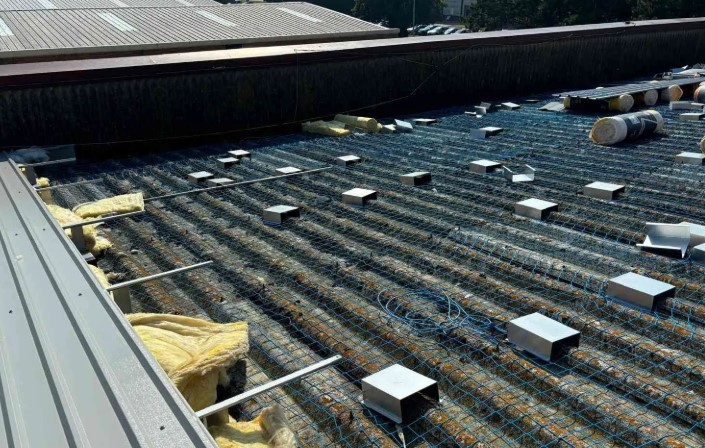
An asbestos roof is a roofing system made from asbestos fibers combined with cement or other binding materials. These fibers are naturally occurring minerals known for their heat resistance, strength, and insulating properties. When mixed with cement, they form sheets that are strong, durable, and suitable for various construction purposes.
Historically, asbestos roofing sheets were used in factories, warehouses, and homes because they could withstand harsh environmental conditions. The material also provided excellent fire resistance, which made it especially attractive in areas prone to high temperatures or fire hazards.
Despite these advantages, the use of asbestos has declined due to its potential health risks. Still, many older buildings continue to have an asbestos roof, making awareness and proper management crucial.
Composition and Manufacturing Process
The manufacturing of an asbestos roof involves combining asbestos fibers with cement and water to form a strong composite material. The mixture is then molded into sheets or panels and cured to achieve durability.
The key components include:
- Asbestos fibers for strength and flexibility
- Cement for binding and rigidity
- Water for mixing and shaping
The resulting sheets are lightweight yet sturdy, capable of handling heavy loads and environmental stress. These sheets are often corrugated to improve strength and allow better water drainage.
Advantages of an Asbestos Roof
Despite the controversies, an asbestos roof offers several benefits that contributed to its widespread use in the past.
1. Durability and Longevity
One of the biggest advantages is its long lifespan. Properly installed asbestos roofing can last for decades without significant wear and tear.
2. Heat Resistance
The material can withstand high temperatures, making it ideal for regions with extreme heat. It also provides good thermal insulation, helping to keep interiors cooler.
3. Fire Resistance
An asbestos roof is non-combustible, reducing the risk of fire damage in buildings.
4. Cost-Effective
Compared to many modern roofing materials, asbestos sheets are relatively affordable, making them accessible for budget-conscious projects.
5. Lightweight Structure
The lightweight nature of the sheets makes installation easier and reduces the load on the building structure.
Disadvantages and Health Risks
While the advantages are notable, the disadvantages of an asbestos roof are significant and cannot be ignored.
1. Health Hazards
The biggest concern is the release of asbestos fibers into the air when the material is damaged or disturbed. Inhalation of these fibers can lead to serious diseases such as:
- Lung cancer
- Asbestosis
- Mesothelioma
2. Environmental Concerns
Improper disposal of asbestos materials can lead to environmental contamination, affecting soil and water quality.
3. Aging and Deterioration
Over time, an asbestos roof may become brittle and prone to cracking, increasing the risk of fiber release.
4. Legal Restrictions
Many countries have imposed strict regulations or bans on the use of asbestos due to its health risks.
Common Uses of Asbestos Roofing
An asbestos roof has been used in a variety of applications, including:
- Residential houses in rural and semi-urban areas
- Industrial sheds and warehouses
- Agricultural buildings such as barns and storage units
- Temporary structures and low-cost housing
Even today, older buildings in many regions still rely on asbestos roofing, highlighting the need for proper management and safety practices.
Cost of Asbestos Roof
The cost of an asbestos roof depends on several factors such as location, sheet quality, thickness, and installation charges.
Factors Affecting Cost
- Sheet size and thickness
- Transportation expenses
- Labor costs
- Market demand and availability
Below is a general comparison table:
| Factor | Asbestos Roof | Metal Roof | Tile Roof |
|---|---|---|---|
| Initial Cost | Low | Medium | High |
| Durability | High | High | Very High |
| Maintenance | Low | Medium | Medium |
| Heat Resistance | High | Medium | High |
| Health Safety | Low | High | High |
This table shows that while an asbestos roof may be economical initially, other options may offer better long-term safety.
Installation Process
Installing an asbestos roof requires careful planning and professional handling to minimize risks.
Steps Involved
- Preparing the roof structure
- Positioning the sheets correctly
- Securing with bolts and fasteners
- Sealing joints to prevent leaks
It is important to avoid cutting or drilling the sheets unnecessarily, as this can release harmful fibers.
Maintenance Tips
Proper maintenance can extend the life of an asbestos roof while reducing health risks.
Key Maintenance Practices
- Avoid breaking or damaging the sheets
- Clean using gentle methods without scraping
- Inspect regularly for cracks or wear
- Apply protective coatings to seal the surface
Regular inspections help identify potential issues early and prevent further damage.
Safety Precautions
Handling an asbestos roof requires strict safety measures to protect both workers and occupants.
Essential Safety Guidelines
- Always wear protective gear such as masks and gloves
- Avoid cutting or drilling without proper equipment
- Do not use high-pressure cleaning methods
- Hire trained professionals for repairs or removal
Following these precautions can significantly reduce the risk of exposure.
Removal and Disposal
Removing an asbestos roof is a sensitive process that should only be carried out by licensed professionals.
Removal Process
- Inspection and assessment
- Sealing the area to prevent contamination
- Carefully removing sheets without breaking them
- Proper packaging and disposal
Improper handling can release hazardous fibers into the air, posing serious health risks.
Alternatives to Asbestos Roofing
Due to health concerns, many safer alternatives are now available.
Popular Alternatives
- Metal roofing sheets
- Polycarbonate sheets
- Fiber cement boards (non-asbestos)
- Clay or concrete tiles
These materials provide similar benefits without the associated health risks, making them a better choice for modern construction.
Environmental Impact
An asbestos roof can have long-term environmental consequences if not managed properly. Disposal in landfills must follow strict regulations to prevent contamination.
Modern construction practices emphasize sustainable and eco-friendly materials, reducing reliance on hazardous substances like asbestos.
Legal Regulations
Many countries have implemented strict laws regarding the use, handling, and disposal of asbestos materials. In some regions, the use of asbestos roofing is completely banned, while others allow limited use under controlled conditions.
It is important to check local regulations before installing or removing an asbestos roof to ensure compliance with safety standards.
When Should You Replace an Asbestos Roof?
Replacement becomes necessary when:
- The roof shows visible cracks or damage
- Sheets become brittle or worn out
- Renovation or structural changes are planned
- Health concerns arise
Replacing an asbestos roof with safer materials is often the best long-term solution.
Conclusion
An asbestos roof has played a significant role in construction history due to its affordability, durability, and resistance to heat and fire. For many years, it provided a practical solution for roofing needs in residential and industrial settings. However, growing awareness of its health risks has changed how it is perceived and used today.
While existing asbestos roofs can still function effectively if maintained properly, the risks associated with fiber exposure cannot be overlooked. Proper handling, regular maintenance, and adherence to safety guidelines are essential for minimizing these risks. In many cases, replacing an asbestos roof with modern, safer alternatives is the most responsible choice.
As construction practices continue to evolve, the focus is shifting toward materials that offer both performance and safety. Understanding the full picture of asbestos roofing helps individuals make informed decisions that protect both health and the environment.