

Introduction
Understanding what is asbestos is essential for anyone dealing with construction materials, older buildings, or environmental safety concerns. Asbestos has been widely used across industries due to its durability, heat resistance, and insulating properties. However, despite its useful characteristics, it has gained global attention because of its serious health risks. Many people encounter asbestos unknowingly, especially in older homes and industrial settings, making awareness even more important.
This blog provides a detailed explanation of what is asbestos, its composition, history, applications, health hazards, and modern regulations. By the end, you will have a clear understanding of why asbestos is both valuable and dangerous, and how to stay safe when dealing with it.
What Is Asbestos?
To begin with, what is asbestos? Asbestos is a naturally occurring mineral made up of thin, fibrous crystals. These fibers are strong, heat-resistant, and chemically stable, making them ideal for various industrial and construction applications. The fibers can be separated into durable threads, which contributed to their widespread use in manufacturing.
The term asbestos refers to a group of six different minerals, all of which share similar fibrous structures. These minerals are categorized into two main groups: serpentine and amphibole asbestos. Each type has unique properties, but all can pose health risks when their fibers become airborne and are inhaled.
Types of Asbestos
To better understand what is asbestos, it is important to explore its different types. The six recognized types include:
1. Chrysotile (White Asbestos)
Chrysotile is the most commonly used form of asbestos. It belongs to the serpentine group and has flexible, curly fibers. It was widely used in roofing materials, cement products, and brake linings.
2. Amosite (Brown Asbestos)
Amosite is part of the amphibole group and has straight, brittle fibers. It was often used in insulation boards and pipe insulation.
3. Crocidolite (Blue Asbestos)
Crocidolite is considered the most dangerous type due to its thin, needle-like fibers. It was used in high-temperature insulation and spray-on coatings.
4. Tremolite
Tremolite is not commonly used commercially but can be found as a contaminant in other minerals like talc.
5. Anthophyllite
Anthophyllite is rare and was occasionally used in insulation materials.
6. Actinolite
Actinolite is another rare form that may appear as a contaminant in construction materials.
Each type contributes to the overall understanding of what is asbestos and why it poses health concerns.
History and Use of Asbestos
The history of asbestos dates back thousands of years. Ancient civilizations used it for its fire-resistant properties. However, its industrial use expanded significantly during the 19th and 20th centuries.
As industries grew, so did the demand for materials that could withstand heat and corrosion. This led to the widespread use of asbestos in:
- Construction materials such as roofing sheets and cement
- Insulation for pipes and boilers
- Automotive parts like brake pads and clutches
- Fireproofing materials in buildings
During this period, awareness of what is asbestos and its health risks was limited. It was only later that researchers discovered its harmful effects on human health.
Common Uses of Asbestos
Understanding what is asbestos also involves recognizing where it is commonly found. Even today, asbestos may still exist in older structures and products.
Construction Industry
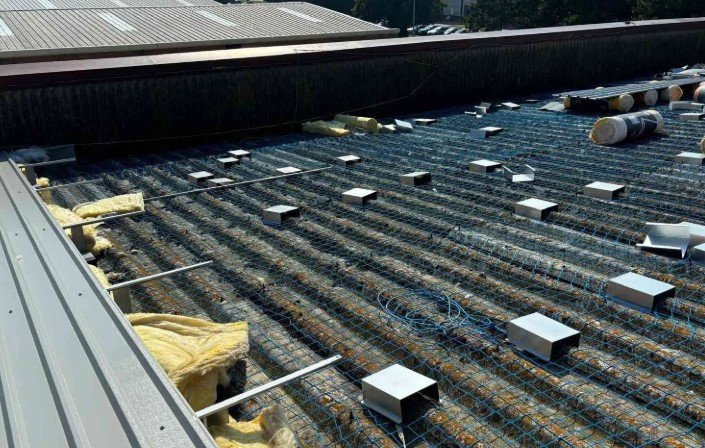
Asbestos was heavily used in roofing sheets, wall panels, and insulation. Its durability made it a preferred choice for builders.
Industrial Applications
Factories used asbestos in machinery insulation and protective gear due to its resistance to high temperatures.
Automotive Industry
Brake linings and clutch facings often contained asbestos because of its friction-resistant properties.
Household Products
Older homes may contain asbestos in floor tiles, ceiling materials, and pipe insulation.
Why Was Asbestos So Popular?
The popularity of asbestos can be attributed to its unique properties. When learning what is asbestos, these features stand out:
- High resistance to heat and fire
- Excellent insulation properties
- Chemical resistance
- Strength and durability
- Affordability and availability
These qualities made asbestos a versatile material across industries. Unfortunately, the same properties that made it useful also contributed to its dangers.
Health Risks of Asbestos
A crucial part of understanding what is asbestos is recognizing its impact on human health. When asbestos-containing materials are disturbed, tiny fibers are released into the air. These fibers can be inhaled and become lodged in the lungs.
Major Health Conditions
1. Asbestosis
A chronic lung disease caused by inhaling asbestos fibers, leading to scarring of lung tissue.
2. Lung Cancer
Long-term exposure significantly increases the risk of lung cancer.
3. Mesothelioma
A rare but aggressive cancer affecting the lining of the lungs or abdomen.
4. Pleural Disorders
These include thickening and fluid buildup in the lungs.
The danger lies in the microscopic size of asbestos fibers, which makes them difficult to detect and avoid.
Types of Asbestos and Their Characteristics
| Type of Asbestos | Fiber Structure | Common Uses | Risk Level |
|---|---|---|---|
| Chrysotile | Curly | Roofing, cement | Moderate |
| Amosite | Straight | Insulation boards | High |
| Crocidolite | Needle-like | Spray coatings | Very High |
| Tremolite | Brittle | Contaminant | High |
| Anthophyllite | Fibrous | Insulation | Moderate |
| Actinolite | Sharp fibers | Contaminant | High |
How Exposure Happens
When discussing what is asbestos, it is important to understand how exposure occurs. Most exposure happens when asbestos-containing materials are damaged or disturbed.
Common Exposure Scenarios
- Renovation or demolition of old buildings
- Drilling or cutting asbestos materials
- Natural disasters damaging structures
- Industrial work involving insulation
Even minimal exposure over time can lead to serious health issues.
Regulations and Bans
Due to the health risks, many countries have imposed strict regulations on asbestos use. While some nations have completely banned it, others still allow limited use under controlled conditions.
Understanding what is asbestos also includes awareness of these regulations, which aim to reduce exposure and protect public health.
In India, asbestos use is regulated but not entirely banned, which makes awareness and safety practices even more critical.
How to Identify Asbestos
Identifying asbestos is not always easy, as it is often mixed with other materials. If you suspect its presence, it is best to avoid disturbing the material.
Signs of Asbestos Presence
- Buildings constructed before the 1990s
- Old roofing sheets and insulation
- Crumbling or damaged materials
Professional testing is the safest way to confirm whether a material contains asbestos.
Safety Measures and Precautions
If you are dealing with materials that may contain asbestos, taking precautions is essential. Knowing what is asbestos is only the first step; handling it safely is equally important.
Key Safety Tips
- Avoid disturbing suspected materials
- Use protective gear if exposure is possible
- Hire trained professionals for removal
- Follow local safety guidelines
Never attempt to remove asbestos without proper training and equipment.
Modern Alternatives to Asbestos
With growing awareness of what is asbestos and its risks, industries have developed safer alternatives.
Common Alternatives
- Fiberglass
- Cellulose fiber
- Polyurethane foam
- Thermoset plastic flour
These materials provide similar benefits without the harmful health effects.
Environmental Impact
Beyond human health, asbestos also affects the environment. Improper disposal can lead to contamination of soil and water sources.
Understanding what is asbestos includes recognizing its long-term environmental consequences. Proper disposal and management are crucial to prevent further harm.
Importance of Awareness
Awareness plays a key role in reducing the risks associated with asbestos. Many people are still unaware of what is asbestos and how it can affect their health.
Educational initiatives, safety training, and strict regulations are necessary to ensure that individuals and industries handle asbestos responsibly.
Conclusion
In conclusion, understanding what is asbestos is vital for ensuring safety in both residential and industrial environments. While asbestos was once celebrated for its strength, durability, and resistance to heat, its hidden dangers have made it a serious health concern worldwide.
From its natural composition to its widespread use in construction and industry, asbestos has played a significant role in modern development. However, the risks associated with exposure—such as lung diseases and cancer—have led to strict regulations and the search for safer alternatives.
Today, awareness and precaution are the most effective tools in managing asbestos-related risks. Whether you are renovating an old building, working in construction, or simply seeking knowledge, understanding what is asbestos can help you make informed decisions and protect your health.