

Introduction
Asbestos is a naturally occurring mineral that was widely used in construction, manufacturing, automotive products, insulation, and other industrial applications for many decades. Its popularity came from its durability, heat resistance, fire-resistant properties, and relatively low cost. However, scientific research eventually established that exposure to asbestos fibres could cause serious health problems, including lung cancer, mesothelioma, and asbestosis. These discoveries encouraged governments and health organisations to introduce stronger safety regulations and restrictions.
One common question people ask is when was asbestos banned. The answer is not the same for every country because asbestos regulations developed at different times around the world. Some nations introduced strict restrictions decades ago, while others continued allowing certain asbestos-containing products. There is also no single worldwide ban that applies to every country. Understanding the history of asbestos legislation helps explain how public awareness, scientific research, and workplace safety standards changed over time.
What Year Was Asbestos First Banned?
There was no single year when asbestos was banned worldwide. Different countries introduced restrictions according to their scientific findings, public health concerns, and industrial policies. Some European countries were among the earliest to restrict asbestos use during the 1970s and 1980s. Denmark, for example, introduced restrictions on asbestos insulation in 1972, while Iceland prohibited asbestos use in 1983 and Norway followed in 1984.
These early regulations helped establish the foundation for broader asbestos-control policies. Initially, many governments focused on the most hazardous forms of asbestos, particularly blue and brown asbestos. Later, restrictions expanded to include white asbestos, also known as chrysotile. This gradual process explains why the answer to when was asbestos banned depends on the country, the type of asbestos, and the particular products involved.
Why Was Asbestos Banned?
Asbestos became a major public health concern because its microscopic fibres can become airborne when asbestos-containing materials are damaged, disturbed, cut, drilled, or removed. When people inhale these fibres, they can become trapped in the lungs and surrounding tissues. Over time, this exposure may lead to serious diseases that can develop many years after the initial contact.
Medical research has linked asbestos exposure to mesothelioma, lung cancer, asbestosis, and other respiratory problems. Mesothelioma is a particularly serious cancer affecting the lining of the lungs or other internal organs. Asbestosis is a chronic lung condition that causes scarring and breathing difficulties. The long delay between exposure and the development of disease made asbestos especially concerning for workers who handled it regularly.
The World Health Organization recognises all forms of asbestos, including chrysotile, as carcinogenic to humans. Consequently, many governments have moved away from asbestos-based products and encouraged safer alternatives.

Asbestos legislation developed gradually rather than through one international agreement. The following timeline highlights several important developments.
| Year | Country or region | Important development |
|---|---|---|
| 1972 | Denmark | Restricted asbestos in insulation applications |
| 1983 | Iceland | Introduced a ban on asbestos |
| 1984 | Norway | Banned asbestos |
| 1985 | United Kingdom | Banned blue and brown asbestos |
| 1989 | United States | EPA issued a rule intended to ban most asbestos products |
| 1991 | United States | Court overturned most of the 1989 ban |
| 1999 | United Kingdom | Extended the ban to white asbestos |
| 2003 | Australia | Introduced a comprehensive asbestos ban |
| 2005 | European Union | Ban on all asbestos fibres became applicable across member states |
| 2012 | Japan | Comprehensive prohibition took effect |
These dates refer to important national or regional developments, not a worldwide prohibition. The details and scope of individual laws have also changed over time.
The United States introduced important asbestos restrictions before attempting a wider ban. In 1989, the Environmental Protection Agency (EPA) issued a final rule under the Toxic Substances Control Act that aimed to prohibit most asbestos-containing products. This was an important moment in the country’s history of asbestos regulation.
However, the original rule faced a legal challenge. In 1991, the Fifth Circuit Court of Appeals overturned most of the proposed restrictions. As a result, the 1989 regulation did not create a complete ban on all asbestos products. Certain products, including flooring felt, corrugated paper, rollboard, commercial paper, and specialty paper, remained prohibited under that rule. New uses initiated after 1989 were also prohibited.
The EPA continued introducing additional restrictions in later years. In 2019, it issued a rule intended to prevent discontinued asbestos products from returning to the market without regulatory review. In 2024, the EPA finalised a rule prohibiting ongoing uses of chrysotile asbestos, with phased compliance deadlines. Therefore, it would be inaccurate to say that every form of asbestos was completely banned in the United States in 1989.
The United Kingdom introduced its asbestos restrictions in stages. The importation of blue asbestos, known as crocidolite, and brown asbestos, known as amosite, was banned in 1985. These materials were recognised as particularly dangerous because of their association with serious occupational health risks.
However, white asbestos remained permitted for some time. The UK extended its prohibition in 1999 to include white asbestos, also known as chrysotile. This development represented a major step towards eliminating the commercial use of asbestos throughout the country.
Although the UK introduced these restrictions decades ago, asbestos remains present in many older buildings. People working in construction, renovation, maintenance, and demolition may still encounter asbestos-containing materials. Existing materials are not automatically removed simply because their use has been prohibited.
The European Union took an important step towards eliminating asbestos through a series of regulations introduced over several decades. Some European countries had already introduced national restrictions before the EU adopted a wider approach. These early measures demonstrated growing recognition of the health risks associated with asbestos exposure.
In 1999, the European Commission adopted Directive 1999/77/EC, which established a deadline for prohibiting the use of all types of asbestos fibres. From 1 January 2005, the prohibition applied throughout the European Union. The regulations covered the manufacture, marketing, and use of asbestos fibres and products containing them, subject to limited historical exemptions.
The European approach also focused on protecting workers who might encounter asbestos during building renovation, demolition, and maintenance. Even though new commercial uses were prohibited, older buildings continued to require inspection and careful management.
Australia introduced a nationwide asbestos prohibition on 31 December 2003. The ban covered the importation, use, and sale of asbestos-containing products, including products made with chrysotile asbestos. It was an important development because Australia had previously used asbestos extensively in residential construction, industrial facilities, insulation, and building materials.
The country introduced additional measures to control exposure and manage asbestos-containing materials. These measures included workplace safety requirements, removal procedures, and public awareness programmes. Australia also developed systems to support the safe handling and disposal of asbestos waste.
Despite the prohibition, asbestos remains an important environmental and occupational health issue in Australia. Many older residential and commercial properties were constructed using asbestos-containing materials. Property owners, builders, and renovation professionals must therefore take appropriate precautions before disturbing potentially affected materials.
Japan gradually introduced restrictions on asbestos before implementing a comprehensive prohibition. The country had used asbestos in various industrial and construction applications, including insulation, cement products, and other building materials.
Over time, increasing evidence about asbestos-related diseases encouraged the government to strengthen its regulations. Japan introduced further restrictions during the 2000s, eventually prohibiting the manufacture, importation, transfer, and use of asbestos-containing products, with the comprehensive prohibition taking effect on 1 March 2012.
The Japanese experience demonstrates how countries can move from partial restrictions to wider prohibitions. However, the presence of older asbestos-containing materials continues to require attention during building maintenance and demolition projects.
India’s position is different from that of countries that have introduced complete asbestos bans. Asbestos use has been regulated in India, but the country has not introduced a comprehensive nationwide prohibition covering every form of asbestos.
The Indian government has previously stated that chrysotile, commonly called white asbestos, was permitted for import and use under the applicable regulatory framework. Other asbestos varieties have faced restrictions under international trade-related controls. In a 2015 parliamentary response, the government clarified that chrysotile imports were permitted while the other five varieties were restricted.
India has also introduced workplace safety measures because asbestos handling and processing can create serious health risks. The Factories Act and associated rules classify asbestos-related manufacturing and processing as hazardous activities. The government has additionally reported restrictions on granting fresh asbestos mining leases and renewing existing mining leases on health grounds.
Therefore, people searching for when was asbestos banned in India should understand that there is no single nationwide ban date comparable to the Australian or European Union prohibitions. Regulations and restrictions apply, but asbestos use, particularly involving chrysotile, has not been completely prohibited.
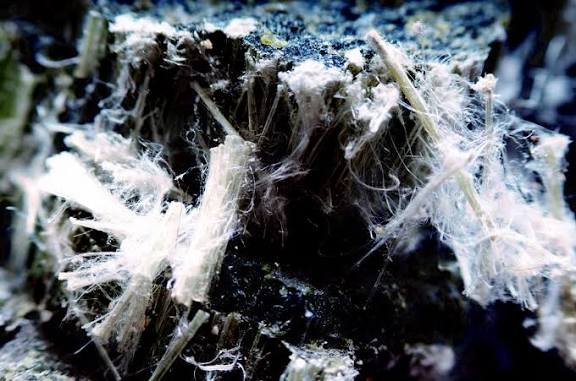
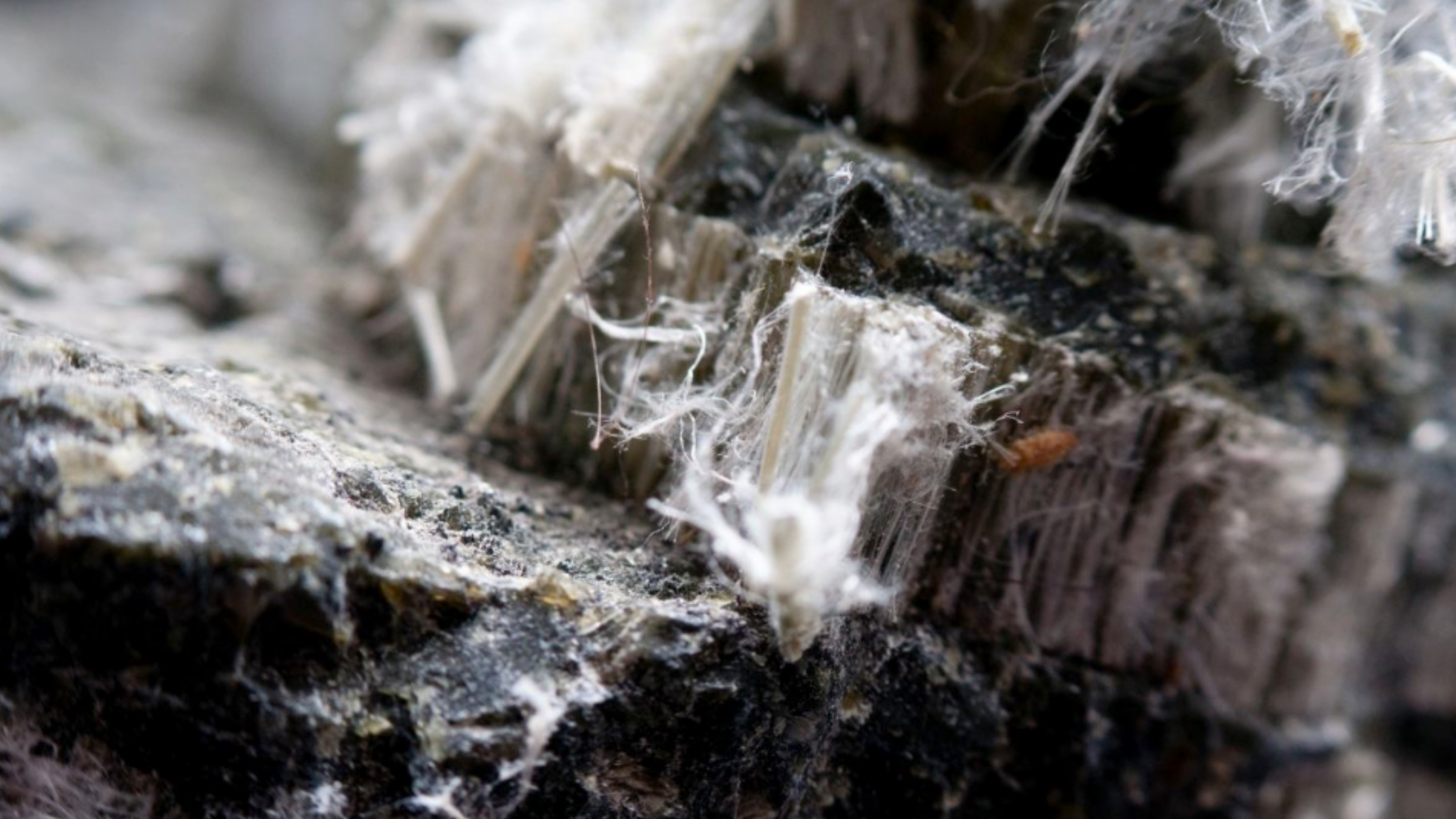
Asbestos is a group of naturally occurring fibrous minerals rather than one individual material. These minerals have different physical properties, but all recognised forms are associated with serious health risks.
There are six commonly recognised asbestos varieties, divided into two main mineral groups. The first group is serpentine, which includes chrysotile or white asbestos. The second group is amphibole, which includes crocidolite, amosite, tremolite, actinolite, and anthophyllite.
Chrysotile was historically the most widely used type because of its flexibility and resistance to heat. Blue asbestos and brown asbestos were also used in insulation and industrial products. Scientific evidence has established that all forms can cause cancer, which is why modern public health recommendations support eliminating exposure to every asbestos variety.
Before governments introduced widespread restrictions, asbestos was popular across several industries because of its strength, affordability, and resistance to heat. Its applications included residential buildings, factories, transportation systems, and commercial infrastructure.
Some common historical applications included:
-
Roofing materials: Asbestos fibres were added to cement roofing sheets.
-
Insulation: Asbestos was used around boilers, pipes, and heating systems.
-
Flooring: Certain older vinyl floor tiles and flooring materials contained asbestos.
-
Automotive products: Some brake linings and clutch components contained asbestos.
-
Industrial equipment: Asbestos was used in heat-resistant materials and protective products.
These applications explain why asbestos can still be found in older properties even in countries where its commercial use has been banned. A building’s age alone cannot confirm the presence of asbestos, so appropriate professional assessment is important.
Is Asbestos Still Found in Buildings Today?
Yes. A ban on manufacturing or using asbestos does not automatically remove materials that were installed before the regulations came into effect. Many residential, commercial, and industrial buildings constructed during earlier decades may still contain asbestos-based products.
When these materials remain intact and undisturbed, the risk of releasing airborne fibres may be relatively low. However, damaged insulation, deteriorating roofing sheets, broken cement products, or renovation work can release dangerous fibres into the surrounding environment.
People should avoid cutting, drilling, sanding, breaking, or removing suspected asbestos materials themselves. If asbestos is suspected, a qualified professional should assess the material and recommend appropriate management or removal procedures. Safe handling is particularly important during construction, demolition, and property renovation.
How Many Countries Have Banned Asbestos?
Asbestos prohibition has expanded significantly across the world. According to the World Health Organization, more than 50 member states have introduced legislation prohibiting asbestos use. However, several countries continue to permit certain asbestos-related activities under national regulations.
Countries that have introduced comprehensive prohibitions include Australia, the United Kingdom, Japan, and many European nations. Other countries have adopted partial restrictions, import controls, workplace regulations, or limitations on specific asbestos varieties.
The difference between a complete ban and partial restrictions is important. A country may prohibit certain types of asbestos while continuing to allow another type. Similarly, restrictions on mining or importing asbestos do not necessarily mean that every asbestos-containing product is prohibited.
What Are the Health Risks of Asbestos Exposure?
Asbestos exposure is associated with several serious health conditions. The greatest concern generally comes from breathing in airborne fibres released when asbestos-containing materials are damaged or disturbed. These fibres can remain in the lungs for many years and contribute to the development of diseases.
Mesothelioma is one of the most serious conditions associated with asbestos exposure. It affects the protective lining around organs, particularly the lungs. Lung cancer is another major concern, while asbestosis causes permanent scarring of lung tissue and can make breathing increasingly difficult.
One important characteristic of asbestos-related diseases is their long development period. Symptoms may not appear until decades after exposure. Consequently, banning asbestos today does not immediately eliminate the health problems caused by its historical use. Protecting workers and communities from existing asbestos materials remains essential.
Asbestos alternatives have become increasingly important as governments and industries move towards safer construction and manufacturing practices. Modern materials can provide insulation, durability, and fire resistance without relying on asbestos fibres.
Some commonly used alternatives include fibreglass, cellulose insulation, mineral wool, calcium silicate products, and selected non-asbestos fibre cement materials. The suitability of each alternative depends on its intended application, temperature requirements, building standards, and safety characteristics.
Manufacturers and construction companies increasingly consider environmental impact and occupational health when selecting materials. However, alternatives must also be evaluated carefully because not every replacement material is automatically harmless. Appropriate product testing, installation standards, and workplace safety procedures remain necessary.
Conclusion
The question when was asbestos banned does not have one universal answer because different countries introduced restrictions at different times. Some European nations began restricting asbestos during the 1970s and 1980s, the United Kingdom extended its prohibition to white asbestos in 1999, Australia introduced a comprehensive ban in 2003, and the European Union prohibited asbestos use across its member states from 2005. Japan implemented its comprehensive prohibition in 2012, while the United States followed a more complicated regulatory path involving court decisions and later restrictions.
India has not introduced a complete nationwide ban on all asbestos varieties, although various restrictions and workplace safety regulations apply. The most important lesson is that asbestos remains a serious public health concern even after its commercial use has been prohibited. Awareness, professional inspection, safe removal, and appropriate alternatives are essential for reducing exposure and protecting future generations.