


Asbestos is a group of naturally occurring mineral fibers known for their strength, heat resistance, and ability to withstand many chemicals. For decades, manufacturers used these properties to produce insulation, roofing materials, cement products, floor tiles, pipe coverings, and other construction components. Learning what is asbestos is important because asbestos-containing materials may still be present in older homes, schools, commercial buildings, factories, and industrial facilities.
The fibers are extremely small and can become airborne when asbestos-containing materials are damaged, cut, drilled, sanded, broken, or improperly removed. Breathing airborne fibers can create serious health concerns, particularly after repeated or substantial exposure. However, asbestos-containing material that remains intact and undisturbed generally presents a much lower immediate risk than damaged material that releases fibers.
Understanding where asbestos occurs, how exposure happens, and what precautions should be taken can help property owners, workers, and occupants make safer decisions.
Why Was Asbestos Used So Widely?
To understand what is asbestos, it helps to look at the characteristics that made it attractive to manufacturers. Asbestos fibers are naturally resistant to heat and fire, while also offering durability and flexibility. They can be incorporated into cement, plastics, textiles, insulation, and other materials without losing their useful properties.
Before the health risks became widely recognized, asbestos was considered a practical solution for improving fire resistance and durability. It appeared in numerous products, including insulation around pipes and boilers, roofing shingles, siding, floor tiles, ceiling materials, electrical components, and automotive parts.
Its widespread use means that simply looking at the age or appearance of a building cannot reliably determine whether asbestos is present. Two buildings constructed during the same period may contain completely different materials. Laboratory analysis is often necessary when identification is important.
Where Can Asbestos Be Found?
Asbestos may occur in many building materials, especially those installed in older structures. Its presence depends on the building’s construction date, renovation history, location, and materials used by contractors.
Common locations can include:
- Pipe, boiler, and duct insulation
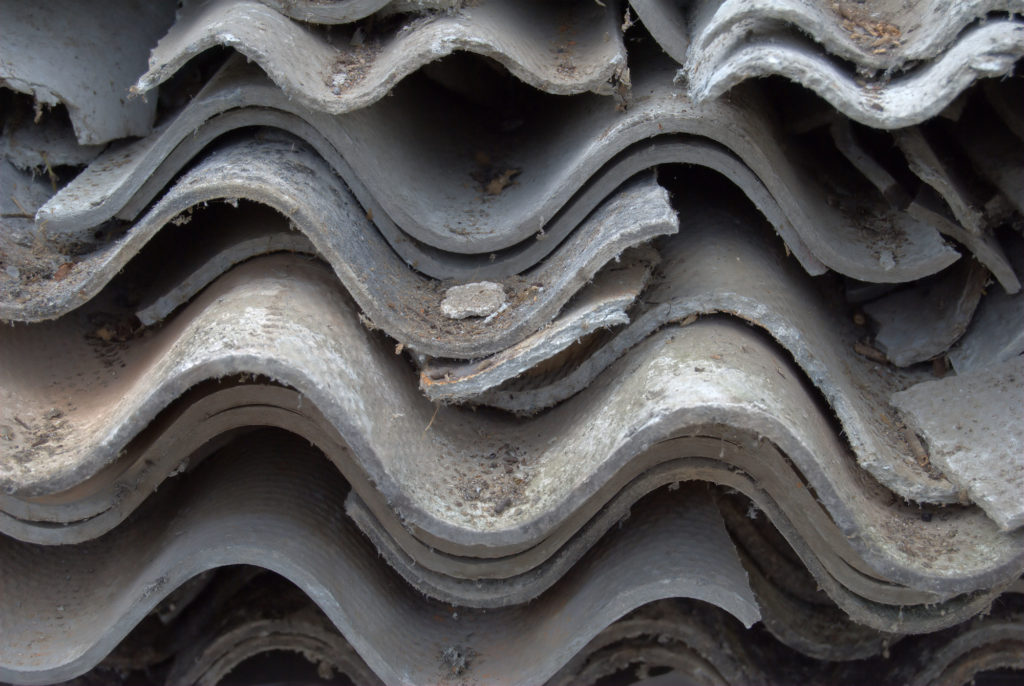
- Roofing felt, shingles, and cement products
- Vinyl floor tiles and flooring adhesives
- Textured coatings and some ceiling materials
- Cement boards and siding
- Certain fireproofing and insulation products
- Some older automotive components
The appearance of a material is not enough to confirm whether it contains asbestos. Fibers are microscopic, and asbestos can be mixed with other substances. A professional inspection and appropriate laboratory testing are more dependable than attempting to identify it visually.
Different Types of Asbestos
Asbestos is not a single mineral. It refers to several naturally occurring fibrous minerals. The six types historically recognized are divided into two major mineral groups: serpentine and amphibole.
| Type | Mineral Group | General Characteristics | Historical Uses |
|---|---|---|---|
| Chrysotile | Serpentine | Curled, flexible fibers | Cement, insulation, textiles |
| Crocidolite | Amphibole | Straight, durable fibers | Insulation and industrial products |
| Amosite | Amphibole | Strong, heat-resistant fibers | Insulation and construction |
| Anthophyllite | Amphibole | Less commonly used | Limited industrial applications |
| Tremolite | Amphibole | Naturally occurring mineral | May occur as a contaminant |
| Actinolite | Amphibole | Naturally occurring mineral | May occur as a contaminant |
Chrysotile was the most commonly used form historically. Amphibole varieties were also incorporated into particular industrial and construction products. Regardless of type, asbestos fibers can pose health risks when they become airborne and are inhaled.
How Does Asbestos Exposure Happen?
Asbestos exposure generally becomes a concern when fibers are released into the air. Intact materials can often remain in place without immediately releasing significant amounts of fibers, but deterioration or physical disturbance can change the situation.
Activities such as drilling into old walls, removing insulation, sanding flooring, demolishing structures, or cutting older construction materials can generate dust. Workers in renovation, demolition, construction, maintenance, and certain industrial occupations may therefore face increased exposure risks.
Exposure can also happen when damaged asbestos-containing materials deteriorate naturally. Water damage, aging, vibration, renovation work, or repeated physical contact may contribute to deterioration.
It is important to distinguish between finding asbestos and being exposed to it. The presence of an asbestos-containing product does not automatically mean that a person has inhaled dangerous fibers. Risk depends on factors such as fiber concentration, duration and frequency of exposure, and the condition of the material.
What Health Problems Can Asbestos Cause?
One of the most important reasons to understand what is asbestos concerns its potential effect on human health. Inhaled asbestos fibers can become lodged in the respiratory system. Some diseases associated with asbestos exposure may develop many years or even decades after exposure.
Major health conditions associated with asbestos include:
- Asbestosis, a chronic lung condition involving scarring of lung tissue
- Lung cancer
- Mesothelioma, a rare cancer affecting protective linings around organs
- Other respiratory and pleural abnormalities
The risk can vary considerably between individuals. Occupational exposure over long periods has historically been a major concern, particularly among people working directly with asbestos-containing materials.
 Smoking can also significantly increase the risk of lung cancer among people who have experienced asbestos exposure. This makes workplace protection and smoking cessation particularly important for exposed workers.
What Is Asbestos in Older Homes?
When people ask what is asbestos in relation to residential properties, the answer is broader than simply “old insulation.” Asbestos may be incorporated into numerous household construction materials. Older properties may contain it in flooring, roofing, siding, insulation, wall products, or other components.
Homeowners should avoid assuming that a material is safe simply because it looks ordinary. Likewise, they should not automatically remove suspicious materials. Disturbing an asbestos-containing product without proper precautions can create more exposure than leaving an intact material undisturbed.
If renovation is planned in an older building, a qualified asbestos professional can determine whether suspect materials require inspection or testing before work begins.
How Is Asbestos Identified?
Visual inspection alone usually cannot establish whether a material contains asbestos. Many asbestos-containing products look similar to materials that contain no asbestos.
A professional assessment may involve inspecting the building, identifying suspect materials, collecting samples under controlled conditions, and sending them to an appropriately qualified laboratory. The exact process depends on the material, building, and applicable regulations.
For homeowners, the safest approach is to avoid disturbing suspicious materials until their status has been determined. Scraping, drilling, breaking, or sanding a material merely to inspect it can potentially release fibers.
What Should You Do If You Find Suspected Asbestos?
If you suspect asbestos in a home, workplace, or other building, the first step is usually to avoid disturbing the material. Keep people away from damaged areas and prevent unnecessary activities that could create dust.
A practical approach is to:
- Stop work that could disturb the suspected material.
- Avoid sweeping, sanding, drilling, or breaking it.
- Keep the area controlled until it can be assessed.
- Contact a qualified asbestos professional when identification or removal is necessary.
- Follow applicable local requirements for repair, encapsulation, or removal.
Professional asbestos abatement is designed to control fiber release and protect workers and occupants. Depending on the condition and location of the material, leaving it in place under appropriate management may sometimes be preferable to removing it.
How Can Asbestos Exposure Be Prevented?
Prevention focuses primarily on avoiding unnecessary disturbance and controlling airborne fibers. Building owners should maintain known asbestos-containing materials in suitable condition and ensure that contractors are informed about their presence before renovation or maintenance begins.
Employers involved in work that may disturb asbestos should use appropriate exposure-control procedures, training, protective equipment, regulated work practices, and waste-handling methods required by applicable laws.
For ordinary occupants, the most useful principle is simple: do not attempt do-it-yourself removal of suspicious asbestos materials merely because they appear old or damaged. Professional assessment is especially important before major renovation or demolition.
What Is Asbestos and Why Does Awareness Matter?
Knowing what is asbestos allows people to recognize why older building materials require careful consideration. The mineral itself is not something that can be reliably identified by casual observation, and the greatest concern arises when fibers become airborne and are inhaled.
Awareness is particularly valuable during remodeling, maintenance, demolition, and repairs. A homeowner who knows that asbestos may exist in unexpected materials is more likely to investigate before disturbing them. Similarly, workers who understand potential exposure routes can follow safer procedures.
Education does not mean that every older building should be treated as dangerous. Instead, it means making informed decisions based on the material’s condition, location, potential for disturbance, and professional assessment.
Conclusion
Asbestos is a naturally occurring mineral fiber that was widely valued for its durability, insulation properties, and resistance to heat and fire. Its historical use in construction and manufacturing means that it can still be encountered in older buildings and products. The central concern is not simply the presence of asbestos but the potential release and inhalation of airborne fibers.
Understanding what is asbestos, where it may be found, and how exposure occurs can help people avoid unnecessary risks. Suspected materials should not be disturbed casually, particularly during renovation or demolition. When asbestos identification, testing, repair, or removal is necessary, qualified professionals and applicable safety requirements should guide the process. Awareness, careful planning, and proper handling remain the most effective ways to reduce avoidable exposure.