


Introduction
If you have ever encountered an older building, home, factory, or construction site, you may have heard the term asbestos. But what is asbestos, and why has it become such an important health and safety concern? Asbestos is a naturally occurring group of mineral fibers known for being strong, heat-resistant, and resistant to many chemicals. Because of these properties, asbestos was widely used in construction, manufacturing, insulation, automotive products, and many other industries for decades. The problem is that certain asbestos fibers can become airborne when asbestos-containing materials are damaged, disturbed, cut, drilled, or removed improperly. Breathing these fibers can cause serious diseases, often many years after exposure. Understanding where asbestos may be found, how exposure happens, and what precautions are appropriate can help people make safer decisions when dealing with older buildings or materials.
What Is Asbestos?
So, what is asbestos in simple terms? Asbestos is a naturally occurring mineral made up of long, thin, microscopic fibers. These fibers can be separated into flexible strands that have considerable strength and durability. Asbestos also has excellent resistance to heat, fire, electricity, and chemical damage. These characteristics made it an attractive material for many industrial and construction applications.
There are several types of asbestos minerals, traditionally grouped into two major categories: serpentine and amphibole. Chrysotile, often called white asbestos, belongs to the serpentine group and was widely used commercially. Crocidolite and amosite are examples of amphibole asbestos. Although the physical characteristics differ among types, exposure to asbestos fibers can present serious health concerns. Asbestos is not dangerous simply because it exists in a building; the primary concern is when fibers become airborne and are inhaled. This distinction is important when considering older construction materials.
Why Was Asbestos Widely Used?
Asbestos became popular because few inexpensive materials offered the same combination of strength, flexibility, insulation, and heat resistance. It could be incorporated into cement, insulation, flooring, roofing products, textiles, coatings, and other materials. Its resistance to fire made it particularly attractive in buildings and industrial environments where high temperatures were a concern.
During much of the twentieth century, asbestos was used extensively in residential, commercial, and industrial construction. It could appear in insulation around pipes and boilers, roofing and siding products, floor tiles, ceiling materials, cement sheets, and various other applications. Automotive manufacturers also used asbestos in some brake and clutch components because of its resistance to heat and friction. As scientific evidence increasingly connected asbestos exposure with serious diseases, its use became restricted or prohibited for many applications in numerous countries.
Where Can Asbestos Be Found?
Older buildings may contain asbestos-containing materials in a variety of locations. However, it is usually impossible to determine whether a material contains asbestos simply by looking at it. Identification generally requires appropriate sampling and laboratory analysis by qualified professionals.
Common locations where asbestos may have historically been used include:
- Pipe and boiler insulation
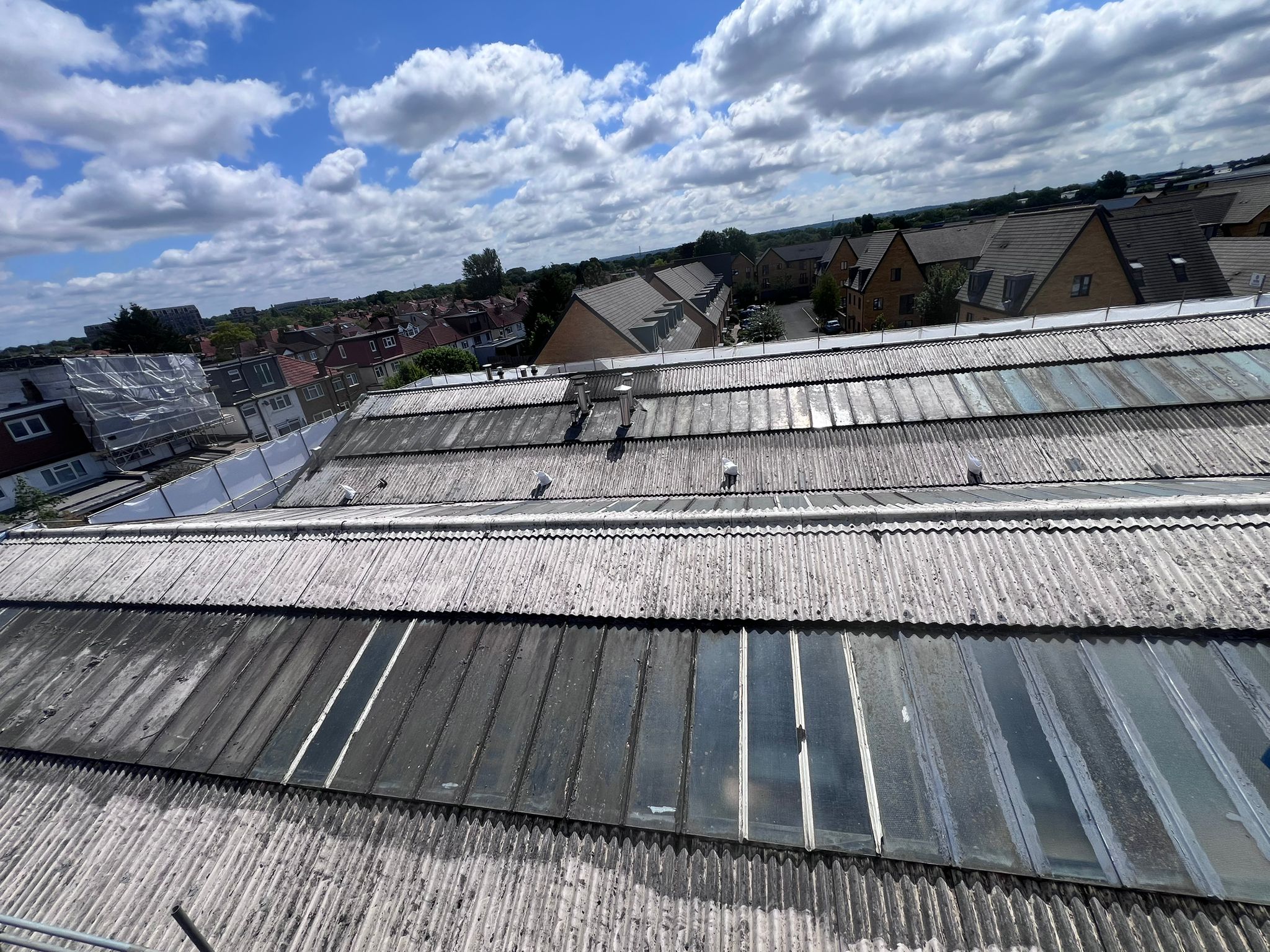
- Roofing and siding materials
- Floor tiles and adhesives
- Cement sheets and panels
- Ceiling tiles and textured coatings
- Certain insulation products
- Some older automotive components
The presence of asbestos does not automatically mean that a building is unsafe to occupy. Materials that remain intact and undisturbed may pose considerably less risk than materials that are deteriorating or being mechanically disturbed. The greatest concern is the release of airborne fibers. Therefore, drilling, sanding, cutting, scraping, breaking, or removing suspected asbestos materials without appropriate controls can increase exposure.
How Does Asbestos Exposure Happen?
Asbestos exposure primarily occurs when microscopic fibers become airborne and are inhaled. This can happen when asbestos-containing materials are damaged through renovation, demolition, construction, maintenance, or deterioration. Workers who handled asbestos products directly historically faced particularly high exposure levels.
Exposure can also occur in less obvious situations. For example, someone renovating an older property may accidentally disturb insulation or flooring materials without realizing that asbestos is present. Dust generated during improper removal can spread fibers to surrounding areas. People who work around older buildings may therefore need to follow established safety procedures before disturbing building materials.
The risk depends on several factors, including the concentration of airborne fibers, duration and frequency of exposure, type of asbestos, and the nature of the work. Because asbestos fibers are microscopic, ordinary visual inspection cannot reliably determine whether airborne contamination is present.
Health Risks Associated With Asbestos
One of the most important reasons people ask what is asbestos is because of its connection to serious health problems. Inhalation of asbestos fibers can cause diseases affecting the lungs and other parts of the body. These diseases may take decades to develop after exposure, which makes asbestos exposure particularly difficult to evaluate based only on immediate symptoms.
 Major diseases associated with asbestos exposure include asbestosis, lung cancer, and mesothelioma. Asbestosis is a chronic lung condition involving scarring of lung tissue. Mesothelioma is a rare and aggressive cancer associated strongly with asbestos exposure. Asbestos exposure can also increase the risk of lung cancer, particularly when combined with other significant risk factors such as smoking.
Not everyone exposed to asbestos will develop an asbestos-related disease. Nevertheless, because some resulting illnesses can be severe and have long latency periods, preventing unnecessary exposure is an important safety principle.
Understanding Asbestosis and Mesothelioma
Asbestosis develops when inhaled asbestos fibers cause persistent damage and scarring in the lungs. It is generally associated with substantial or prolonged exposure and may cause breathing difficulties, persistent coughing, and reduced lung function. The condition can progress over time and may significantly affect quality of life.
Mesothelioma is a cancer that most commonly affects the lining surrounding the lungs, although it can occur in other areas. The disease is strongly associated with asbestos exposure, and symptoms may not appear until many years after exposure. Common symptoms can include chest discomfort, breathing difficulties, persistent cough, or unexplained changes in health, although these symptoms can have many other causes.
Because asbestos-related diseases can have long latency periods, people with significant occupational exposure may need to discuss their exposure history with an appropriate healthcare professional.
Asbestos and Older Homes
Homeowners and occupants of older properties sometimes become concerned when they learn about historical asbestos use. An important point is that asbestos-containing material is not necessarily hazardous simply because it exists. Risk can increase when materials become damaged, deteriorated, or disturbed.
If you suspect that a building contains asbestos, avoid disturbing the material until it has been properly assessed. Do not sand, drill, scrape, break, or remove suspicious materials simply to determine what they are. Professional assessment can help determine whether testing is necessary and whether specialized removal or management procedures are appropriate.
People planning renovations should be especially careful with older buildings. Before beginning work that could disturb walls, floors, ceilings, insulation, or other older materials, it is sensible to establish whether asbestos may be present and to follow applicable local regulations.
How Is Asbestos Identified?
Asbestos-containing materials can look very similar to materials that do not contain asbestos. For this reason, visual inspection alone cannot reliably confirm its presence. A qualified asbestos professional can assess the material and determine whether laboratory testing is appropriate.
The identification process may involve reviewing the building’s age and construction history, inspecting materials, collecting samples using suitable precautions, and having samples analyzed by an accredited laboratory. The exact procedure varies according to local laws and the type of property involved.
It is important not to collect samples yourself if doing so could disturb a suspected asbestos material. Improper sampling can release fibers and potentially contaminate the surrounding area. Professional assessment is generally the safer approach when asbestos is suspected.
Asbestos Safety and Removal
When asbestos-containing material is identified, removal is not always the only option. Depending on its condition, location, and potential for disturbance, professionals may recommend leaving it undisturbed and managing it in place. In other situations, controlled removal may be necessary.
Professional asbestos removal can involve specialized protective equipment, containment procedures, controlled work practices, and appropriate waste handling. The goal is to prevent fibers from spreading into occupied areas and to minimize exposure during the work.
People should avoid attempting do-it-yourself removal of suspected asbestos materials. Ordinary household cleaning or renovation methods may spread contaminated dust rather than eliminate the hazard. If damaged asbestos material is discovered, keeping people away from the affected area and seeking qualified advice is generally more appropriate than attempting an immediate cleanup.
Key Asbestos Facts
| Topic | Information |
|---|---|
| What is asbestos? | A group of naturally occurring fibrous minerals |
| Main properties | Strong, durable, heat-resistant and chemically resistant |
| Historical uses | Construction, insulation, roofing, flooring and industrial products |
| Main exposure route | Breathing airborne asbestos fibers |
| Major health concerns | Asbestosis, lung cancer and mesothelioma |
| Identification | Usually requires professional assessment and laboratory testing |
| Higher-risk activity | Cutting, drilling, sanding, breaking or removing asbestos materials |
| Safer approach | Avoid disturbance and seek qualified professional guidance |
What Should You Do If You Suspect Asbestos?
If you discover a material that may contain asbestos, the safest first step is usually to avoid disturbing it. Keep people away from damaged or deteriorating material and do not create dust through cleaning, renovation, or demolition activities.
Consider these basic precautions:
- Do not drill, sand, cut, scrape, or break suspected materials.
- Seek professional assessment before renovation or removal.
- Follow applicable workplace and local safety requirements.
- Use qualified professionals for testing or removal when necessary.
Understanding what is asbestos can help people recognize why seemingly ordinary renovation activities can sometimes create unnecessary exposure. The objective is not to panic when asbestos is suspected but to avoid activities that could release fibers.
Conclusion
Understanding what is asbestos is important for homeowners, workers, building managers, and anyone involved in renovation or demolition. Asbestos is a naturally occurring group of strong, heat-resistant minerals that was widely used because of its useful physical properties. However, inhaling airborne asbestos fibers can cause serious diseases, including asbestosis, lung cancer, and mesothelioma. The greatest concern generally arises when asbestos-containing materials are damaged or disturbed and fibers become airborne. If asbestos is suspected in an older building, avoiding unnecessary disturbance and seeking qualified professional guidance can reduce the chance of exposure. Awareness, careful planning, and appropriate safety procedures remain the most practical ways to manage asbestos-related risks.