

Introduction
If you have ever wondered what is asbestos, it is a naturally occurring group of fibrous minerals known for their strength, heat resistance, and ability to withstand many chemicals. For decades, asbestos was widely used in construction, manufacturing, transportation, and other industries because its fibers could be mixed into different materials to improve durability and fire resistance. It became especially common in older homes, commercial buildings, factories, schools, and industrial facilities.
The major concern surrounding asbestos is not its appearance but the microscopic fibers it can release when asbestos-containing materials are damaged, disturbed, cut, drilled, sanded, or improperly removed. When airborne fibers are inhaled, they can remain in the lungs for a long time and may contribute to serious diseases. Understanding what is asbestos and recognizing where it may be present is therefore important for homeowners, workers, renovators, and building occupants.
What Is Asbestos?
Asbestos is a general name for several naturally occurring minerals that form long, thin, strong fibers. These fibers have excellent resistance to heat, fire, electricity, and chemical damage. Because of these characteristics, asbestos became an attractive material for many industrial and construction applications.
There are several varieties of asbestos, but they are generally divided into two mineral groups: serpentine and amphibole. Chrysotile belongs to the serpentine group, while amosite, crocidolite, tremolite, anthophyllite, and actinolite are amphibole types. Chrysotile was historically the most widely used form.
The important point when considering what is asbestos is that asbestos is not necessarily dangerous simply because it exists inside an undisturbed material. The greatest concern occurs when fibers become airborne and are inhaled. Consequently, identifying potentially asbestos-containing materials before renovation, demolition, or repair work can be an important safety measure.
Why Was Asbestos Used So Widely?
Asbestos became popular because it offered a combination of properties that was difficult to achieve with many other materials. It could tolerate high temperatures, resist fire, strengthen products, and provide insulation. It was also relatively inexpensive and could be incorporated into cement, textiles, insulation, roofing products, flooring, and numerous industrial materials.
During much of the twentieth century, asbestos was used extensively in buildings and manufactured products. It could be found in insulation around pipes and boilers, roofing materials, floor tiles, ceiling products, cement sheets, gaskets, and other applications.
Its historical popularity explains why asbestos can still be encountered in older buildings today. A property constructed or renovated many decades ago may contain materials that were manufactured with asbestos. However, appearance alone generally cannot reliably confirm whether a particular material contains asbestos. Professional assessment and appropriate laboratory testing may be necessary when identification is important.
Common Types of Asbestos
Asbestos includes several mineral varieties. Their characteristics differ, but all forms can present health concerns when hazardous fibers are inhaled.
| Type of Asbestos | Mineral Group | Historical Uses |
|---|---|---|
| Chrysotile | Serpentine | Roofing, insulation, cement, textiles |
| Amosite | Amphibole | Insulation, cement products, construction |
| Crocidolite | Amphibole | Insulation, cement, industrial products |
| Tremolite | Amphibole | Can occur as a contaminant in some materials |
| Anthophyllite | Amphibole | Limited industrial applications |
| Actinolite | Amphibole | Less common; may occur in asbestos-containing materials |
Chrysotile was used more extensively than the other types, particularly in construction materials. Amphibole asbestos varieties have also been used historically and can occur in older building products.
When discussing what is asbestos, it is useful to understand that identifying the specific type is not something that should normally be attempted by simply looking at a material. Professional sampling and laboratory analysis are more reliable ways to determine whether asbestos is present.
Where Can Asbestos Be Found?
Asbestos was incorporated into a wide range of products, especially materials manufactured before modern restrictions and safety standards became widespread. Older buildings can therefore contain asbestos-containing materials in locations that are not immediately obvious.
Potential examples include:
- Pipe and boiler insulation
- Roofing and siding materials
- Older floor tiles and associated adhesives
- Cement sheets and panels
- Certain ceiling materials
- Fireproofing materials
- Some electrical components
- Industrial gaskets and packing
- Older insulation products
Not every product from an older building contains asbestos. The possibility depends on factors such as the material, manufacturing period, location, and construction history. If an older material is suspected to contain asbestos, disturbing it without proper precautions can increase the chance of releasing fibers.
How Does Asbestos Affect Health?
The primary health concern associated with asbestos is inhalation of airborne fibers. Tiny fibers can enter the respiratory system when contaminated material becomes disturbed. Some fibers may become lodged in lung tissue, where they can cause long-term irritation and damage.
Health effects associated with asbestos exposure can take many years to develop. Major diseases associated with asbestos exposure include asbestosis, lung cancer, and mesothelioma. The risk can depend on factors such as the amount and duration of exposure, the type of asbestos, and other individual circumstances.
Smoking is particularly important in relation to asbestos exposure because smoking and asbestos exposure together can substantially increase the risk of lung cancer. People who believe they may have experienced significant occupational or environmental exposure should discuss their concerns with an appropriate healthcare professional.
Understanding what is asbestos is therefore more than a matter of learning about an old construction material. It also involves recognizing why careful handling and exposure prevention are important.
What Is Asbestos Exposure?
Asbestos exposure generally occurs when a person breathes air containing asbestos fibers. Materials that remain intact and undisturbed may pose considerably less risk than materials that are deteriorating or being mechanically disturbed.
Activities such as drilling, cutting, sanding, grinding, breaking, or demolishing suspected asbestos-containing materials can release fibers. Renovation and demolition projects involving older buildings can therefore require particular attention.
People who have historically worked in industries such as construction, insulation, shipbuilding, manufacturing, and certain industrial trades may have experienced greater occupational exposure. However, exposure can also occur in residential or public buildings when asbestos-containing materials are improperly disturbed.
The safest approach is to avoid unnecessary disturbance of suspected materials and obtain appropriate professional advice before repair, renovation, or removal work.
How Can You Recognize Asbestos?
One of the most important facts about what is asbestos is that it cannot be reliably identified simply by its color, texture, or appearance. Some asbestos-containing products can look almost identical to products made without asbestos.
For this reason, guessing whether a material contains asbestos can be unreliable. If an older material must be disturbed because of renovation, repair, or demolition, professional assessment may be appropriate.
A qualified asbestos professional can determine whether an inspection or sampling process is necessary. Where testing is required, samples should be collected using appropriate procedures designed to minimize fiber release.
What Should You Do If You Suspect Asbestos?
If you encounter a suspicious material in an older building, avoid disturbing it until you know more about it. Do not casually scrape, break, drill, sand, or cut the material simply to determine what it is.
Useful precautions include:
- Avoid disturbing suspicious materials unnecessarily.
- Keep people away from damaged or deteriorating materials.
- Do not sweep or use ordinary cleaning methods that could spread dust.
- Seek advice from appropriately qualified professionals.
- Follow local requirements for inspection, testing, removal, and disposal.
If asbestos-containing material is damaged, professional advice is particularly important. Removal is not always the only option; depending on the circumstances, leaving an intact material undisturbed or using an appropriate management method may be safer.
Asbestos in Older Homes and Buildings
Older properties can contain asbestos because of the extensive historical use of asbestos-containing construction products. It may be present in insulation, roofing, flooring, cement products, or other building components.
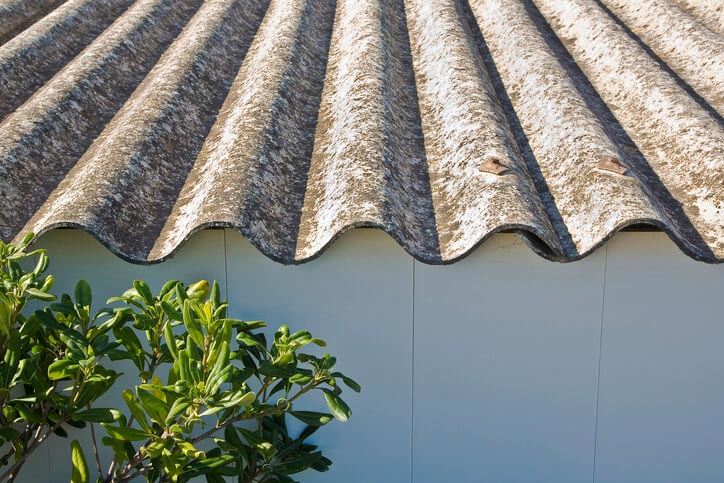 This does not mean every older building is automatically dangerous. The condition of the material and the likelihood of disturbance are important considerations. A material that remains intact and is not disturbed may release far fewer fibers than one that is deteriorating or being actively renovated.
Before major remodeling or demolition of an older property, property owners should consider whether an asbestos inspection is appropriate. Professional assessment can help determine what materials may require attention and what precautions should be taken.
Safe Handling and Removal
Asbestos removal can be hazardous when performed without suitable training, equipment, and procedures. Depending on the location and applicable regulations, asbestos work may need to be performed by qualified or licensed professionals.
Professional asbestos work generally focuses on preventing fibers from becoming airborne and controlling contamination. Appropriate procedures may involve containment, specialized protective equipment, controlled removal methods, and proper waste handling.
Homeowners should not assume that a simple dust mask or ordinary household tools are sufficient protection for asbestos removal. Requirements vary by location and the nature of the material, so local regulations and professional guidance should be followed.
Why Awareness Matters Today
Although asbestos use has declined substantially in many places, its historical use means that it remains relevant today. Materials installed decades ago can remain in buildings for many years. Renovation, maintenance, demolition, and natural deterioration can bring these materials back into focus.
Learning what is asbestos helps people recognize why older construction materials may require additional care. Awareness can prevent accidental disturbance and encourage appropriate professional assessment.
Workers and property owners can also benefit from understanding the difference between simply encountering an old material and actively disturbing it. Responsible management focuses on minimizing exposure and using qualified professionals when specialized work is necessary.
Conclusion
Knowing what is asbestos is important because this naturally occurring mineral was once widely used for its strength, insulation properties, and resistance to heat and fire. Although its use has declined because of serious health concerns, asbestos-containing materials can still exist in older homes, workplaces, industrial facilities, and public buildings.
The main danger occurs when asbestos fibers become airborne and are inhaled. Because asbestos cannot reliably be identified by appearance alone, suspected materials should not be disturbed unnecessarily. Professional inspection, testing, management, and removal can help reduce the possibility of exposure. With proper awareness and responsible handling, people can make safer decisions when dealing with older buildings and potentially asbestos-containing materials.