


Introduction
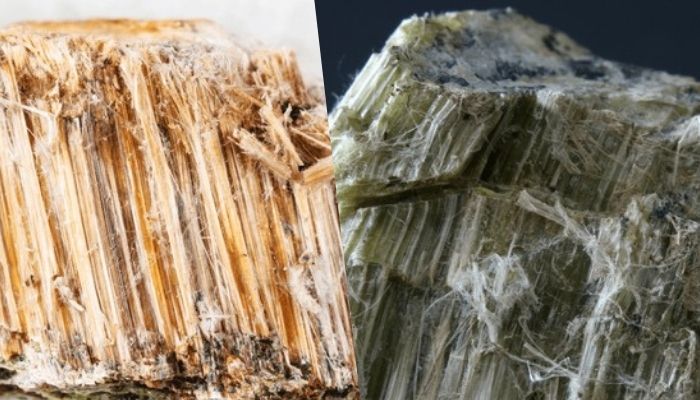
Asbestos was widely used in construction because it is durable, heat-resistant, and effective at reducing fire risks. It can be found in older buildings in materials such as insulation, roofing products, floor tiles, cement sheets, pipe coverings, and textured coatings. The concern begins when asbestos-containing materials become damaged, disturbed, or deteriorated because microscopic fibers can become airborne. Breathing these fibers can create serious long-term health risks. This is why identifying potentially hazardous materials before renovation, demolition, or repair work is important. Asbestos testing is a professional process used to determine whether a building material contains asbestos. Visual inspection alone generally cannot confirm its presence because asbestos fibers are too small to identify reliably by sight. Proper sampling and laboratory analysis can provide a more dependable answer while reducing unnecessary disturbance of suspect materials.
What Is Asbestos Testing?
Asbestos testing involves examining a suspected building material to determine whether it contains asbestos fibers. A qualified professional generally begins by inspecting the property and identifying materials that may require further investigation. If sampling is appropriate, a small sample may be collected using controlled procedures designed to minimize fiber release. The sample is then sent to an appropriately qualified laboratory for analysis.
Testing is particularly useful in older properties where original construction materials may contain asbestos. However, the age of a building alone does not prove that asbestos is present. Different countries and regions have also used asbestos in different products and periods. Consequently, property owners should avoid making decisions based only on assumptions about a building’s age or appearance.
Why Is Asbestos Testing Important?
The main purpose of testing is to establish whether a suspicious material contains asbestos before it is disturbed. Cutting, drilling, sanding, breaking, or removing certain materials can release fibers into the air if asbestos is present.
Testing can therefore help property owners and contractors make informed decisions about maintenance and renovation projects. It can also help determine whether a material needs professional management, repair, enclosure, or removal.
Important reasons to consider professional assessment include:
- Planning renovation or demolition work.
- Investigating damaged building materials.
- Assessing older insulation or roofing products.
- Evaluating suspicious flooring or ceiling materials.
- Establishing whether certain materials require specialized handling.
- Supporting an appropriate building management plan.
The goal is not simply to find asbestos but to understand where it may be located and how it should be managed safely.
Where Might Asbestos Be Found?
Asbestos has been incorporated into numerous construction products. Its presence cannot normally be confirmed simply by looking at a material, but certain older products may warrant professional investigation.
| Building Material | Possible Historical Use | Professional Assessment |
|---|---|---|
| Cement sheets | Roofing and wall panels | May require sampling |
| Floor tiles | Flooring applications | Laboratory analysis may be needed |
| Pipe insulation | Thermal insulation | Avoid disturbing it |
| Roofing materials | Roofing and waterproofing | Professional inspection recommended |
| Ceiling products | Panels and textured finishes | Assessment may be appropriate |
| Insulation | Heat and fire protection | Specialist evaluation is important |
The table is only a general guide. A product that resembles an asbestos-containing material does not necessarily contain asbestos, while less obvious materials may contain it. This is one reason professional evaluation is more reliable than visual identification.
How Does Asbestos Testing Work?
A typical asbestos testing process begins with a site assessment. A qualified professional examines the building, reviews available information about its construction, and identifies materials that may need investigation. The professional considers the material’s condition, location, accessibility, and the planned work.
When sampling is necessary, appropriate procedures and protective measures are used to reduce the possibility of releasing fibers. The collected sample is securely packaged and sent to a qualified laboratory. Depending on the laboratory and applicable standards, analytical techniques such as polarized light microscopy may be used to identify asbestos fibers.
The laboratory provides a result indicating whether asbestos was detected in the submitted sample. The professional can then use those findings, together with the building assessment, to recommend appropriate next steps.
Should You Take an Asbestos Sample Yourself?
DIY sampling can create unnecessary risks. A person who breaks, cuts, scrapes, drills, or otherwise disturbs a suspect material may unintentionally release fibers. Even a small disturbance can be problematic if the material contains asbestos.
 For this reason, homeowners should not assume that a home testing kit makes sampling risk-free. A kit may provide laboratory analysis, but collecting the sample itself can be the most hazardous part of the process.
If a material is suspected of containing asbestos, it is generally safer to:
- Leave the material undisturbed.
- Keep people away from damaged areas.
- Avoid drilling, sanding, cutting, or breaking the material.
- Contact a qualified asbestos professional.
- Follow local regulations concerning inspection and removal.
Testing should be treated as a safety-related assessment rather than an ordinary household project.
When Should You Arrange Testing?
Not every building requires immediate testing. The need depends on factors such as the building’s history, the materials present, their condition, and planned activities.
Testing or professional assessment may be particularly relevant before:
- Major renovation.
- Demolition or structural alteration.
- Removing old flooring or ceiling materials.
- Replacing insulation.
- Repairing damaged roofing or wall products.
- Conducting work that could disturb concealed materials.
If construction work is planned in an older building, identifying suspect materials before work begins can help prevent unexpected disruption. It is usually better to investigate beforehand than to discover a potentially hazardous material after renovation has already started.
Understanding Asbestos Testing Results
A laboratory report may identify asbestos in a submitted sample and may provide additional information about the type or characteristics detected. The result should be interpreted in context because one sample represents only the specific material and location from which it was collected.
A negative result for one sample does not automatically establish that asbestos is absent from an entire building. Different materials or areas may require separate assessment. Likewise, finding asbestos does not automatically mean that the entire building must be evacuated or that every asbestos-containing material must be removed immediately.
The appropriate response depends on the material’s condition, location, potential for disturbance, and applicable regulations. A qualified professional can explain what the laboratory findings mean for the specific property.
What Happens If Asbestos Is Found?
Discovering asbestos does not necessarily mean that removal is always required. In some situations, asbestos-containing material that is intact and unlikely to be disturbed may be managed in place under an appropriate management program.
Where material is damaged or likely to be disturbed by planned work, additional measures may be necessary. Depending on the circumstances, these can include controlled repair, enclosure, encapsulation, or professional removal.
The correct approach depends on local laws, the type of material, its condition, and the planned work. Professional asbestos contractors may use specialized containment, protective equipment, controlled removal procedures, and appropriate waste-management practices.
Factors That Can Affect Testing Costs
The price of professional testing varies significantly depending on location and project requirements. A simple inspection involving a limited number of samples may cost considerably less than an assessment involving many rooms, multiple materials, or difficult-to-access areas.
Factors that can influence the overall cost include:
- Number of samples required.
- Size and complexity of the property.
- Accessibility of suspected materials.
- Laboratory analysis fees.
- Professional inspection charges.
- Urgency of the assessment.
- Additional air monitoring or clearance services.
- Local regulatory requirements.
Because prices vary widely, obtaining a written quotation that explains what is included can help property owners compare services accurately.
How to Choose an Asbestos Testing Professional
Selecting an appropriately qualified professional is an important part of the process. Qualifications, training, experience, laboratory arrangements, insurance, and knowledge of local requirements should all be considered.
Before hiring a service, property owners can ask:
- What qualifications and training does the inspector have?
- How are samples collected and handled?
- Which laboratory will analyze the samples?
- What analytical method will be used?
- How will results be reported?
- Does the service include a written assessment?
- Are additional services required for renovation or removal work?
A reputable professional should be willing to explain the process clearly rather than encouraging unnecessary disturbance of suspect materials.
Common Mistakes to Avoid
Some mistakes can increase exposure risks or lead to poor decisions. The most important is disturbing a suspicious material simply to determine what it is. Asbestos cannot reliably be identified by appearance alone.
Other mistakes include:
- Assuming every old building contains asbestos.
- Assuming no visible fibers means a material is safe.
- Sanding or drilling suspicious materials.
- Relying entirely on photographs for identification.
- Treating a single sample as representative of every material.
- Hiring an unqualified person for removal.
- Ignoring local requirements for renovation or demolition.
Professional assessment helps reduce uncertainty and supports safer planning.
Conclusion
Asbestos testing is an important step when potentially asbestos-containing materials may be present, especially before renovation, demolition, or significant repair work. Because asbestos fibers are microscopic and cannot generally be confirmed through ordinary visual inspection, professional sampling and laboratory analysis provide a more dependable way to identify suspect materials. Property owners should avoid disturbing questionable materials themselves and should seek qualified assistance when testing or removal may be necessary. A positive result does not automatically mean that every material must be removed, but it does mean that the material should be managed according to its condition, location, intended use, and applicable safety requirements. Taking a cautious and informed approach can help reduce unnecessary exposure and support safer building maintenance and renovation decisions.