


Introduction
If you have ever wondered what is asbestos, it is a naturally occurring group of mineral fibers known for their strength, heat resistance, and ability to resist chemicals and corrosion. For many decades, asbestos was widely used in construction, manufacturing, transportation, and other industries because it could withstand extreme temperatures and provide effective insulation. It was commonly incorporated into products such as roofing materials, cement sheets, insulation, floor tiles, pipes, and certain fire-resistant materials.
The main concern with asbestos is not its appearance but the tiny fibers it can release when asbestos-containing materials are damaged, cut, drilled, broken, or disturbed. These airborne fibers can be inhaled and may remain in the body for many years. Long-term exposure has been associated with serious respiratory diseases. Because of these risks, identifying asbestos-containing materials and handling them appropriately is important, especially during renovation, demolition, repair, or maintenance work.
Understanding Asbestos
Asbestos is not a single mineral. The term refers to several naturally occurring minerals that form long, thin, strong fibers. These fibers have unusual physical properties that made asbestos attractive for industrial applications. They are resistant to heat and fire, relatively durable, and capable of being mixed with other materials without losing their useful characteristics.
Historically, asbestos was considered a valuable material because it could improve the durability and fire resistance of many products. It was used extensively throughout the twentieth century, particularly in buildings, factories, ships, automobiles, and industrial facilities. However, research eventually established serious health concerns associated with inhaling asbestos fibers.
Today, the presence of asbestos in an older building does not automatically mean that people are being exposed. Materials that remain intact and undisturbed may present much less risk than damaged or deteriorating materials. The greatest concern generally occurs when fibers become airborne and can be inhaled.
Types of Asbestos
There are several recognized types of asbestos. They are generally divided into two mineral groups: serpentine and amphibole. Chrysotile, commonly known as white asbestos, belongs to the serpentine group and historically accounted for a large portion of commercial asbestos use.
The amphibole group includes several types, such as crocidolite, amosite, tremolite, actinolite, and anthophyllite. These minerals have different physical characteristics, but all forms of asbestos can present health concerns when their fibers become airborne and are inhaled.
| Type | Common Description | Historical Uses |
|---|---|---|
| Chrysotile | White asbestos | Cement, insulation, roofing |
| Crocidolite | Blue asbestos | Insulation and industrial products |
| Amosite | Brown asbestos | Insulation and construction materials |
| Tremolite | Naturally occurring asbestos | May occur as a contaminant |
| Actinolite | Amphibole mineral | Some construction applications |
| Anthophyllite | Amphibole mineral | Limited industrial applications |
Understanding the different types can help explain why asbestos was historically used in such a wide range of products. However, visual identification alone is unreliable, and professional testing may be necessary to determine whether a particular material contains asbestos.
Where Was Asbestos Used?
Asbestos became popular because manufacturers could combine its fibers with materials such as cement, plastics, fabrics, and insulation compounds. This created products that were durable and resistant to heat. Older buildings can therefore contain asbestos in many different locations, sometimes in materials that may not immediately appear unusual.
Common historical applications included insulation around pipes and boilers, roofing products, floor tiles, ceiling materials, cement products, fire-resistant boards, and some automotive components. Asbestos was also used in industrial settings where resistance to heat and fire was especially important.
Some older homes, offices, schools, factories, and commercial buildings may contain asbestos-containing materials. The exact likelihood depends on the building’s age, location, construction methods, and renovation history. Because asbestos can look similar to ordinary building materials, assuming that a material is safe based only on its appearance can be misleading.
Why Is Asbestos Dangerous?
The primary danger associated with asbestos comes from inhaling microscopic fibers. When asbestos-containing materials remain intact, they may not release significant quantities of fibers into the surrounding air. However, activities such as sanding, drilling, cutting, breaking, scraping, or demolition can disturb the material and release fibers.
Once airborne, these fibers can be inhaled into the respiratory system. The body has difficulty removing certain asbestos fibers, and exposure can contribute to serious diseases that may develop many years or even decades later. This long delay between exposure and illness is one reason asbestos remains an important occupational and environmental safety issue.
The risk can vary depending on factors such as the amount of exposure, duration of exposure, type of work, condition of the material, and whether appropriate protective measures were used. People who work directly with older building materials may face greater exposure risks than people who simply occupy an older building.
Health Effects Linked to Asbestos Exposure
One important reason people ask what is asbestos is to understand its potential health consequences. Inhalation of asbestos fibers has been associated with several serious diseases affecting the lungs and surrounding tissues. These conditions may take many years to develop following exposure.
Asbestosis is a chronic lung condition associated with significant asbestos exposure. It can cause scarring of lung tissue and may lead to breathing difficulties. Asbestos exposure is also associated with lung cancer, particularly among people who have experienced substantial occupational exposure.
Another serious disease associated with asbestos is mesothelioma, a rare cancer that can affect the lining around the lungs and other organs. Certain types of asbestos exposure have also been associated with cancers involving other parts of the body.
People concerned about possible past exposure should discuss their circumstances with an appropriately qualified healthcare professional rather than attempting to diagnose themselves.
Common Situations That Can Disturb Asbestos
Asbestos-containing materials can become a concern when they are damaged or disturbed. Normal aging may cause some materials to deteriorate, while renovation and construction activities can create additional risks.
Examples of activities that may disturb asbestos-containing materials include:
- Drilling, cutting, sanding, or grinding old materials.
- Removing old insulation, flooring, roofing, or wall materials.
- Demolishing older structures without appropriate assessment.
- Repairing pipes, ceilings, or other building components that contain asbestos.
It is important not to assume that a material is asbestos-free simply because it looks ordinary. Some asbestos-containing products are visually similar to modern materials. If an older material could contain asbestos, unnecessary disturbance should be avoided until its composition has been appropriately assessed.
How Is Asbestos Identified?
Knowing what is asbestos is useful, but identifying it in a particular product can be more difficult. Asbestos fibers are microscopic, and asbestos-containing materials can resemble many ordinary construction products. Therefore, visual inspection alone generally cannot confirm whether a material contains asbestos.
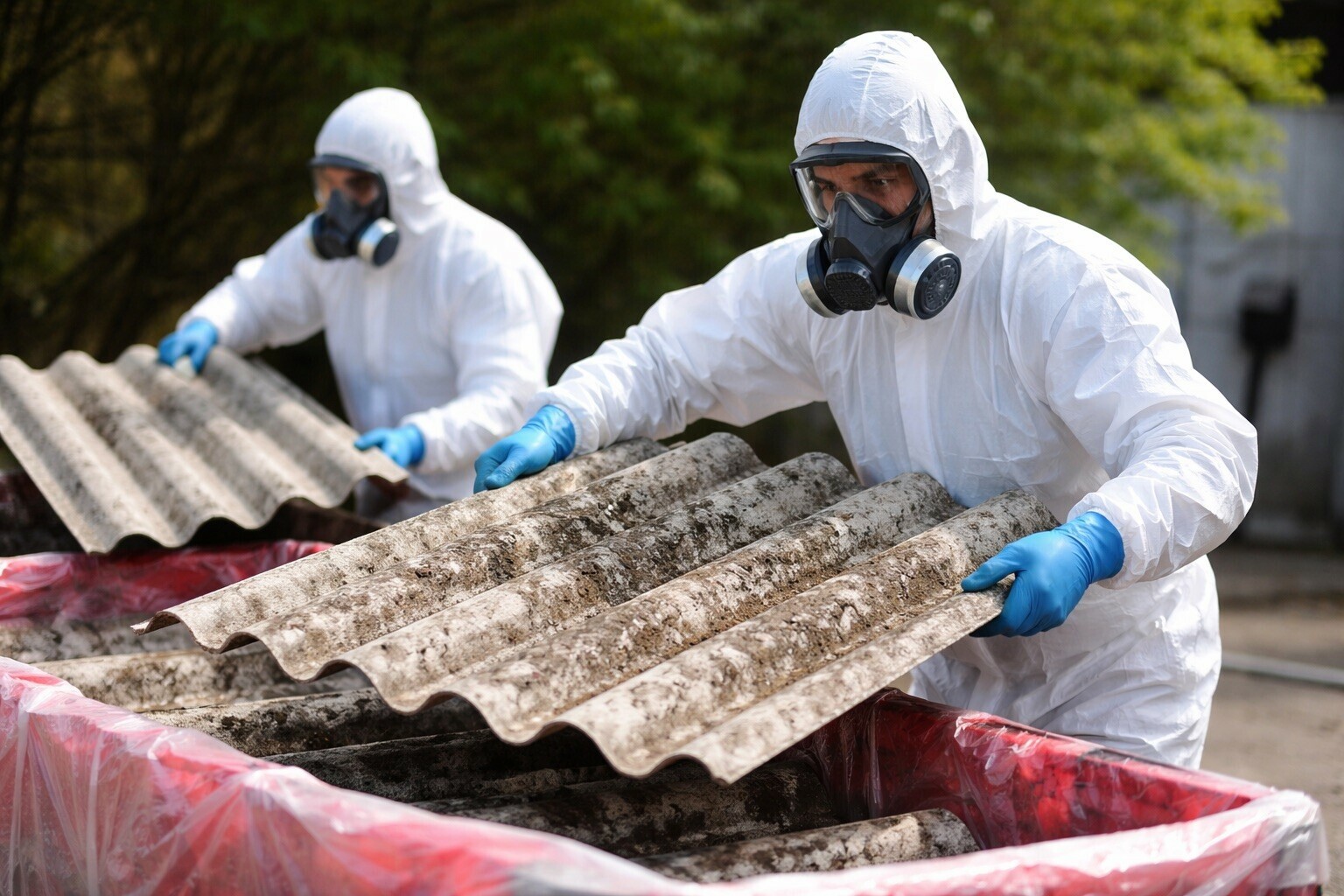 When asbestos is suspected, trained professionals may collect samples using appropriate procedures and send them to qualified laboratories for analysis. The safest approach depends on the material, building conditions, applicable regulations, and potential level of exposure.
Homeowners and workers should avoid casually breaking or sampling suspicious materials themselves. Disturbing a material can create airborne dust and potentially increase exposure. Professional assessment is particularly important before major renovation or demolition work involving older structures.
Safe Handling and Removal
If asbestos-containing material is confirmed or strongly suspected, it should not be treated like ordinary household waste. Improper removal can release fibers into the air and potentially contaminate surrounding areas. Specialized procedures, equipment, containment methods, and waste-management practices may be required.
The appropriate response depends on the material’s condition. In some situations, leaving an intact material undisturbed may be preferable to removing it. In other situations, damaged or deteriorating material may require professional repair, containment, or removal.
Important precautions include:
- Do not drill, cut, sand, or break suspicious materials unnecessarily.
- Keep damaged areas isolated when practical and seek professional advice.
- Follow applicable workplace and local safety requirements.
- Use qualified asbestos professionals for assessment and removal when required.
These precautions are designed to minimize the chance of fibers becoming airborne and being inhaled.
Asbestos in Older Buildings
Older buildings deserve particular attention because asbestos was used extensively during periods when its health risks were not fully understood. It may be present in insulation, roofing, flooring, ceilings, walls, pipes, boilers, and other components.
However, the age of a building alone does not prove that asbestos is present. Building records, construction dates, renovation history, material assessments, and laboratory testing can provide more reliable information.
People planning renovations should consider the possibility of asbestos before beginning work on older structures. This is especially important for projects involving demolition, flooring replacement, ceiling work, insulation removal, or structural modifications.
A careful assessment before work begins can help prevent accidental disturbance and reduce unnecessary exposure to workers, occupants, and nearby individuals.
Asbestos and Workplace Safety
Certain occupations historically had greater exposure to asbestos because workers regularly handled asbestos-containing products. Construction workers, demolition workers, insulation installers, maintenance personnel, and some industrial workers may encounter asbestos during building repair or renovation.
Modern workplace safety programs generally emphasize identifying hazards before work begins, controlling exposure, using appropriate protective measures, and providing workers with relevant training. Employers may also have specific responsibilities under applicable occupational health and safety regulations.
Workers should report damaged or suspicious materials through the appropriate workplace safety process rather than disturbing them without authorization. Proper planning is particularly important when working in older buildings where construction materials have not previously been assessed.
What to Do If You Suspect Asbestos
If you suspect that a material contains asbestos, the safest first step is usually to avoid disturbing it. Do not scrape, drill, sand, break, or remove the material simply to determine what it is. Unnecessary disturbance can increase the possibility of airborne fibers.
Instead, consider having the material assessed by a qualified professional when identification is necessary. If damage has already occurred, avoid creating additional dust and seek appropriate professional guidance about the next steps.
People who believe they have experienced significant occupational or environmental exposure should discuss their concerns with a healthcare professional. Medical evaluation can take personal exposure history and other relevant factors into account.
Conclusion
Understanding what is asbestos is important because this naturally occurring mineral was once valued for its strength, durability, insulation properties, and resistance to heat. Although its historical applications were extensive, inhaling airborne asbestos fibers can have serious health consequences, particularly after repeated or substantial exposure.
Asbestos may still be encountered in older buildings, industrial facilities, construction materials, and other products. The presence of asbestos does not necessarily mean that immediate exposure is occurring, especially when materials are intact and undisturbed. The greater concern is usually associated with damaged materials or activities that release fibers into the air.
When asbestos is suspected, avoiding unnecessary disturbance and seeking qualified professional assessment are important safety measures. With proper identification, planning, and handling procedures, potential exposure risks can be managed more responsibly.