

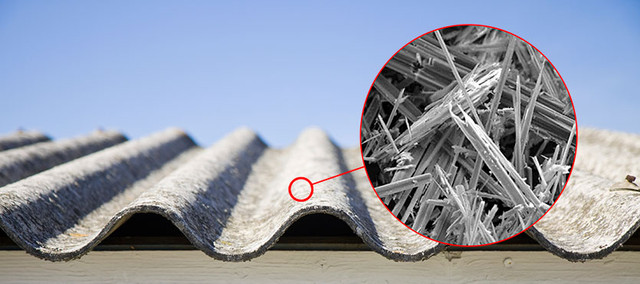
Asbestos exposure is a serious health concern because tiny fibers can enter the lungs and stay there for years. It often happens when old building materials are disturbed during repair, demolition, or renovation.
What Is Asbestos?
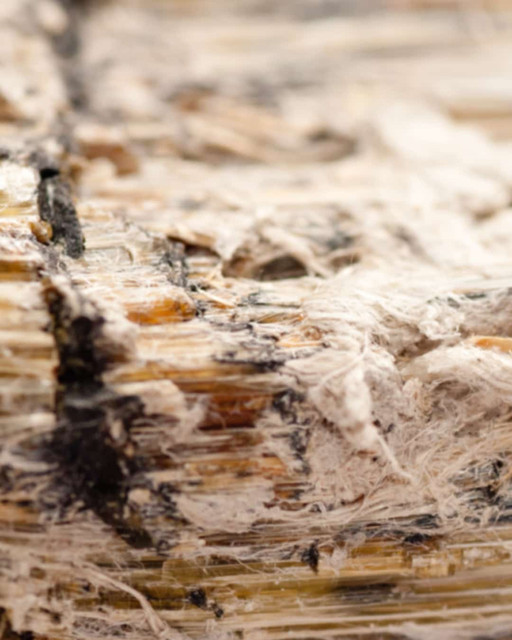
Asbestos is a group of natural minerals once used widely in construction and industrial products because they resist heat and fire. It was added to insulation, ceiling tiles, roofing sheets, pipe coverings, floor tiles, and some cement products. The danger appears when these materials are damaged and release fibers into the air. Breathing in those fibers can cause long-term illness.
Where Exposure Happens
Asbestos can still be found in older homes, offices, factories, schools, and public buildings. Risk usually increases during drilling, sanding, cutting, or breaking old materials. It can also be present in pipes, boilers, brake parts, and insulation in older vehicles and machines. Even a small renovation job can create a hazard if hidden materials are disturbed.
Health Risks You Should Know
The major concern with asbestos exposure is that symptoms may not appear for many years. Some people do not notice any problem until decades later. The main diseases linked to exposure include lung cancer, mesothelioma, and asbestosis. In some cases, asbestos exposure may also lead to pleural disease and increased risk of other cancers.
Common health effects
-
Shortness of breath.
-
Persistent cough.
-
Chest tightness.
-
Fatigue during normal activity.
-
Reduced exercise tolerance.
-
Chest pain in advanced cases.
Why It Is Dangerous
The fibers are very small, so they can travel deep into the lungs and remain lodged there. Over time, the body may react with scarring and inflammation, which makes breathing harder. Smoking makes the risk much worse for lung cancer, especially in people who have also been exposed. The danger is not just from heavy industrial work; repeated low-level exposure can also matter.
Signs That May Appear Later
One of the hardest parts of asbestos exposure is the delay between exposure and illness. A person may feel fine for years before symptoms begin. Warning signs can include worsening breathlessness, a dry cough that does not go away, and unexplained chest discomfort. Because the signs are not specific, people with past exposure should tell their doctor about it.
Who Is Most at Risk
Workers in construction, demolition, shipyards, insulation work, plumbing, electrical repair, and maintenance jobs often face the highest risk. Family members can also be exposed when dust is brought home on clothing, shoes, or tools. People living in older buildings may be at risk during repairs or disasters that damage materials. Homeowners who try to remove old materials themselves can also create danger.
Prevention and Safety
The best protection is to avoid disturbing materials that may contain asbestos. If a building is older, get it checked before any major repair or demolition work. Trained professionals should handle removal, sealing, or cleanup when asbestos is suspected. Never sweep, sand, or break unknown materials, because that can spread fibers into the air.
Practical safety steps
-
Do not cut, drill, or sand old insulation or tiles.
-
Hire licensed professionals for testing and removal.
-
Seal off work areas to prevent dust spread.
-
Use proper protective equipment where required.
-
Wash hands, clothes, and tools after dusty work.
-
Keep children away from damaged materials.
Medical Evaluation
If you think you have had asbestos exposure, a doctor may ask about your job history, home repairs, and possible contact with old materials. Tests such as a chest X-ray or CT scan may help look for lung changes linked to exposure. Early medical advice is important even if you do not feel sick yet. Regular follow-up can help detect problems earlier and support better care.
Conclusion
Asbestos exposure is preventable, but the health effects can be severe and long-lasting. The key is to recognize where asbestos may be present, avoid disturbing it, and use trained help when removal is needed. If you have past exposure, keeping track of your health and speaking with a doctor early can make a real difference.