

Introduction
Asbestos has long been recognized as a highly versatile material due to its durability, heat resistance, and insulating properties. Among its most critical components are asbestos fibers, which are microscopic strands that can become airborne and pose significant health risks when inhaled. Despite its once widespread use in construction, manufacturing, and insulation, growing awareness about the dangers associated with these fibers has led to strict regulations and, in many regions, complete bans.
Understanding asbestos fibers is essential for homeowners, construction workers, and anyone who may encounter older buildings or materials. These fibers are invisible to the naked eye, yet their impact on human health can be severe and long-lasting. This blog explores what asbestos fibers are, their types, historical applications, health risks, and essential safety precautions.
By the end of this comprehensive guide, you will have a clear understanding of why asbestos fibers remain a topic of concern today and how to manage potential exposure effectively.
What Are Asbestos Fibers?
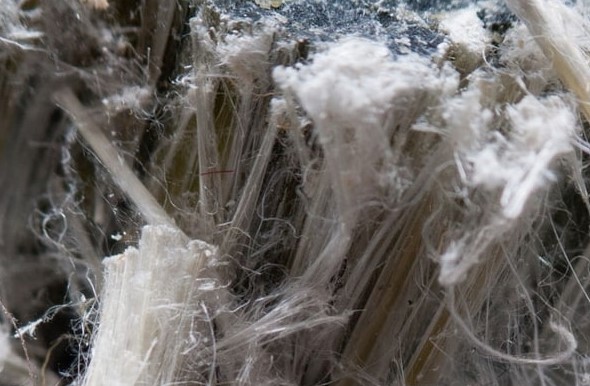
Asbestos fibers are naturally occurring mineral strands found in certain types of rock formations. These fibers are extremely thin, durable, and resistant to heat, chemicals, and electricity. Their unique properties made them highly valuable in industrial and commercial applications for decades.
When asbestos-containing materials are disturbed, the fibers can be released into the air. Once airborne, they can be inhaled or ingested, leading to serious health complications over time. Unlike other particles, asbestos fibers do not dissolve or break down easily inside the body, making them particularly dangerous.
There are two main groups of asbestos minerals: serpentine and amphibole. Each group contains different types of fibers, varying in shape and health impact. Regardless of type, all asbestos fibers are considered hazardous.
Types of Asbestos Fibers
Understanding the different types of asbestos fibers helps in identifying their risks and historical uses. Below is a table summarizing the primary types:
| Type of Asbestos | Fiber Group | Characteristics | Common Uses |
|---|---|---|---|
| Chrysotile | Serpentine | Curly, flexible fibers | Roofing, cement, insulation |
| Amosite | Amphibole | Straight, brittle fibers | Pipe insulation, ceiling tiles |
| Crocidolite | Amphibole | Very fine, sharp fibers | Spray coatings, insulation |
| Tremolite | Amphibole | Rare, often contaminant | Limited industrial use |
| Anthophyllite | Amphibole | Brittle, less common | Insulation products |
| Actinolite | Amphibole | Similar to tremolite | Rare industrial applications |
Among these, chrysotile was the most widely used, but amphibole asbestos fibers are often considered more dangerous due to their needle-like structure, which can penetrate lung tissue more easily.
Historical Uses of Asbestos Fibers
For much of the 20th century, asbestos fibers were considered a miracle material. Their resistance to fire and heat made them ideal for construction and industrial applications. These fibers were used in a wide range of products, including roofing sheets, insulation, brake linings, and cement.
In residential construction, asbestos fibers were commonly found in ceiling tiles, floor tiles, pipe insulation, and wall materials. Industrial settings used them extensively in machinery, shipbuilding, and power plants.
The widespread use of asbestos fibers continued until scientific research began to reveal their harmful effects. By the late 20th century, many countries started regulating or banning their use, though older buildings still contain asbestos materials.
Why Asbestos Fibers Are Dangerous
The primary danger of asbestos fibers lies in their ability to become airborne and enter the human body. Once inhaled, these fibers can lodge in the lungs and remain there for years, causing inflammation and scarring.
Unlike other particles, asbestos fibers are not easily expelled by the body. Over time, their presence can lead to serious diseases, often with a long latency period. This means symptoms may not appear until decades after exposure.
The risk increases with prolonged or repeated exposure, but even short-term contact with high concentrations of asbestos fibers can be harmful.
Health Risks Associated with Asbestos Fibers
Exposure to asbestos fibers is linked to several severe health conditions. These diseases often develop slowly and can be life-threatening.
1. Asbestosis
A chronic lung disease caused by inhaling asbestos fibers, leading to lung scarring and breathing difficulties.
2. Lung Cancer
Prolonged exposure significantly increases the risk of lung cancer, especially among smokers.
3. Mesothelioma
A rare and aggressive cancer affecting the lining of the lungs or abdomen, strongly associated with asbestos fibers.
4. Pleural Disorders
These include pleural plaques and thickening, which affect lung function and cause discomfort.
Each of these conditions highlights the importance of minimizing exposure to asbestos fibers and taking proper safety measures.
How Exposure to Asbestos Fibers Occurs
Exposure to asbestos fibers can happen in several ways, often without immediate awareness. Common scenarios include:
- Renovating or demolishing older buildings
- Handling damaged insulation or roofing materials
- Working in industries that previously used asbestos
- Living in homes with deteriorating asbestos-containing materials
Even natural disasters or aging structures can release asbestos fibers into the environment. This makes awareness and caution essential in both residential and occupational settings.
Identifying Materials Containing Asbestos Fibers
One of the biggest challenges is identifying materials that contain asbestos fibers. These fibers are microscopic and cannot be detected without specialized testing.
Common materials that may contain asbestos include:
- Roofing sheets and shingles
- Insulation around pipes and boilers
- Cement products
- Floor and ceiling tiles
- Textured paints and coatings
If you suspect the presence of asbestos fibers, it is crucial to avoid disturbing the material and seek professional inspection.
Safety Measures to Prevent Exposure
Preventing exposure to asbestos fibers requires a combination of awareness, proper handling, and professional assistance.
Avoid Disturbing Materials
Do not cut, drill, or sand materials that may contain asbestos fibers.
Use Protective Equipment
Workers in high-risk environments should wear masks, gloves, and protective clothing.
Hire Professionals
Certified experts should handle asbestos removal and disposal.
Maintain Materials
If asbestos-containing materials are in good condition, it is often safer to leave them undisturbed.
These precautions significantly reduce the risk of exposure and protect both individuals and communities.
Regulations and Legal Aspects
Due to the dangers of asbestos fibers, many countries have implemented strict regulations governing their use and removal. These laws aim to protect public health and ensure safe handling practices.
In many regions, the use of asbestos is banned or heavily restricted. However, older buildings may still contain asbestos materials, making compliance with safety regulations essential during renovations or demolitions.
Employers are required to provide training and protective measures for workers who may encounter asbestos fibers. Failure to comply with these regulations can result in legal penalties and health risks.
Safe Removal and Disposal of Asbestos Fibers
Removing asbestos fibers is a complex and hazardous process that should only be carried out by trained professionals. Improper handling can release fibers into the air, increasing the risk of exposure.
Steps in Safe Removal:
- Inspection and testing
- Sealing off the affected area
- Using specialized equipment
- Carefully removing materials
- Proper disposal in designated facilities
Following these steps ensures that asbestos fibers are contained and do not pose a threat to health or the environment.
Environmental Impact of Asbestos Fibers
Beyond human health, asbestos fibers can also affect the environment. When released into the air or water, these fibers can persist for long periods due to their durability.
Contaminated sites require careful cleanup and monitoring to prevent further spread. Environmental regulations aim to minimize the release of asbestos fibers and protect ecosystems.
Modern Alternatives to Asbestos
With the decline in asbestos use, safer alternatives have been developed. These materials offer similar benefits without the associated health risks.
Common alternatives include:
- Fiberglass insulation
- Cellulose fibers
- Mineral wool
- Polyurethane foam
These substitutes provide effective insulation and fire resistance while eliminating the dangers of asbestos fibers.
Importance of Awareness and Education
Raising awareness about asbestos fibers is crucial in preventing exposure and protecting public health. Many people remain unaware of the risks, especially in regions where older buildings are still in use.
Educational programs, workplace training, and public campaigns play a vital role in spreading knowledge about safe practices. Understanding the dangers of asbestos fibers empowers individuals to make informed decisions.
Conclusion
Asbestos fibers represent one of the most significant health hazards associated with construction and industrial materials. Once valued for their strength and resistance, these microscopic fibers are now known to cause severe and often fatal diseases. Their ability to remain airborne and lodge in the human body makes them particularly dangerous, even in small quantities.
Despite widespread regulations and bans, asbestos fibers continue to pose risks in older buildings and materials. Recognizing their presence, understanding their dangers, and following proper safety measures are essential steps in minimizing exposure. Whether you are a homeowner, worker, or property manager, awareness is your first line of defense.
Modern alternatives have made it possible to achieve the benefits once provided by asbestos without compromising health. However, the legacy of past use remains, requiring careful management and professional handling.
In conclusion, asbestos fibers are a reminder of how industrial advancements must always be balanced with health and safety considerations. By staying informed and taking appropriate precautions, individuals and communities can protect themselves from the long-term risks associated with these hazardous materials.