

Introduction
An asbestos house is a type of construction that uses asbestos-containing materials in roofing, walls, insulation, or flooring. For decades, asbestos was widely used across the world due to its excellent durability, heat resistance, and affordability. In many regions, especially in developing areas, homes built with asbestos materials were considered practical and economical solutions for housing needs.
However, over time, serious health concerns have emerged regarding asbestos exposure. This has led to strict regulations and even bans in several countries. Despite this, many older homes still contain asbestos materials, making it an important topic for homeowners, buyers, and builders to understand.
In this detailed guide, we will explore everything about an asbestos house—from its construction and benefits to its risks, costs, and safer alternatives. Whether you are planning to buy, renovate, or simply learn, this article will provide clear and valuable insights.
What Is an Asbestos House?
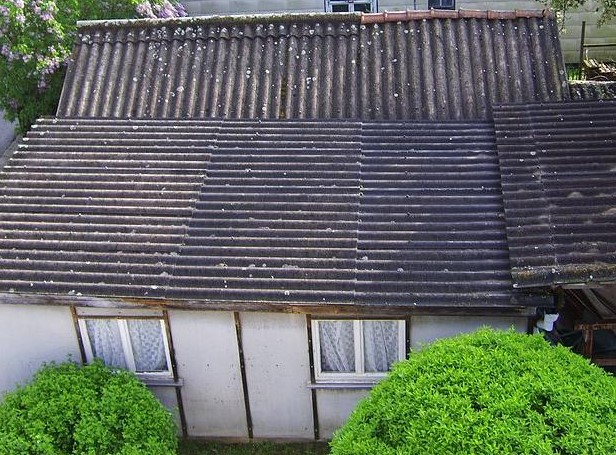
An asbestos house refers to a structure that incorporates asbestos-based materials in its construction. These materials were commonly used in:
- Roofing sheets
- Wall panels
- Insulation systems
- Floor tiles
- Cement products
Asbestos fibers are naturally occurring minerals that are strong, flexible, and resistant to fire and chemicals. When mixed with cement or other materials, they create products that are durable and long-lasting.
In many rural and semi-urban areas, asbestos sheets were particularly popular for roofing due to their low cost and ease of installation.
History of Asbestos in Housing
The use of asbestos in construction dates back to the early 20th century. It became especially popular during the mid-1900s when rapid urbanization increased the demand for affordable building materials.
During this time, an asbestos house was seen as modern and efficient. Builders preferred asbestos because it:
- Reduced construction costs
- Provided fire resistance
- Required minimal maintenance
However, by the late 20th century, studies revealed that asbestos fibers could cause serious health problems when inhaled. This discovery changed the perception of asbestos from a miracle material to a hazardous one.
Common Materials Used in an Asbestos House
An asbestos house may contain different types of asbestos-based materials, including:
1. Asbestos Cement Sheets
These are widely used for roofing and wall cladding. They are strong, lightweight, and resistant to weather conditions.
2. Insulation Materials
Asbestos was often used in insulation for roofs and walls due to its heat-resistant properties.
3. Floor Tiles
Some older homes have vinyl tiles containing asbestos, which were valued for durability.
4. Pipes and Cement Products
Asbestos cement pipes were commonly used in water supply systems.
Each of these materials can pose risks if damaged or disturbed.
Advantages of an Asbestos House
Despite the health concerns, an asbestos house was popular for several reasons. Understanding these advantages helps explain its widespread use.
1. Affordability
One of the main reasons for using asbestos materials was their low cost. They were cheaper than many alternatives.
2. Durability
Asbestos products are highly durable and can last for decades without significant damage.
3. Fire Resistance
Asbestos is naturally fire-resistant, making it a safer option in fire-prone areas.
4. Weather Resistance
Roofing sheets made from asbestos can withstand extreme weather conditions, including heavy rain and heat.
5. Low Maintenance
An asbestos house requires minimal upkeep compared to other construction materials.
Disadvantages and Health Risks
While the benefits are notable, the risks associated with an asbestos house cannot be ignored.
1. Health Hazards
When asbestos materials are damaged, they release tiny fibers into the air. Inhaling these fibers can lead to serious diseases such as:
- Lung cancer
- Asbestosis
- Mesothelioma
2. Difficult Renovation
Renovating or repairing an asbestos house requires special precautions and professional handling.
3. Environmental Concerns
Improper disposal of asbestos materials can harm the environment.
4. Legal Restrictions
Many countries have strict regulations regarding the use and removal of asbestos.
Signs Your House Contains Asbestos
If you suspect that your home might be an asbestos house, look for the following signs:
- Construction before the 1990s
- Corrugated cement roofing sheets
- Old insulation materials
- Vinyl floor tiles
However, visual inspection is not enough. Proper testing by professionals is necessary to confirm the presence of asbestos.
Cost of Building an Asbestos House
The cost of constructing an asbestos house varies depending on materials, location, and labor. Below is a general comparison:
| Component | Estimated Cost (INR) | Notes |
|---|---|---|
| Roofing Sheets | 200–400 per sq ft | Affordable and durable |
| Installation | 50–100 per sq ft | Easy and quick installation |
| Maintenance | Low | Minimal repair required |
| Replacement Cost | High | Due to safety requirements |
Although initial costs are low, long-term expenses may increase due to safety measures and replacement needs.
Safety Measures for Living in an Asbestos House
If you already live in an asbestos house, it is important to follow safety precautions to minimize risks.
1. Avoid Disturbing Materials
Do not drill, cut, or break asbestos-containing materials.
2. Regular Inspection
Check for cracks or damage in roofing and walls.
3. Professional Handling
Always hire trained professionals for repairs or removal.
4. Proper Ventilation
Ensure good airflow to reduce the concentration of airborne particles.
5. Use Protective Gear
If handling is unavoidable, use masks and protective clothing.
Renovating an Asbestos House
Renovation of an asbestos house requires careful planning and adherence to safety regulations.
Steps Involved:
- Inspection and Testing
Identify asbestos-containing materials through professional testing. - Risk Assessment
Determine the condition and potential hazards. - Removal or Encapsulation
- Removal involves safely disposing of asbestos materials.
- Encapsulation involves sealing the material to prevent fiber release.
- Replacement with Safer Materials
Use modern alternatives like metal sheets, fiber cement without asbestos, or tiles.
Renovation costs can be high due to the need for specialized labor and equipment.
Alternatives to Asbestos in Modern Homes
Today, safer materials are widely available, making it unnecessary to rely on asbestos.
Popular Alternatives:
- Fiber cement sheets (asbestos-free)
- Metal roofing sheets
- Clay tiles
- Concrete panels
- PVC roofing
These materials provide similar benefits without the health risks associated with an asbestos house.
Legal Regulations and Guidelines
Many governments have introduced strict rules regarding asbestos use. These include:
- Bans on new asbestos products
- Guidelines for safe removal and disposal
- Mandatory safety equipment for workers
Before buying or renovating an asbestos house, it is essential to check local regulations.
Should You Buy an Asbestos House?
Buying an asbestos house can be a complex decision. Consider the following factors:
Pros:
- Lower purchase price
- Durable structure
- Immediate availability
Cons:
- Health risks
- Renovation challenges
- Potential legal issues
If you plan to buy such a property, ensure a thorough inspection and consider the cost of future modifications.
Maintenance Tips for an Asbestos House
Proper maintenance can reduce risks and extend the life of your home.
- Keep surfaces sealed and intact
- Avoid high-pressure cleaning
- Monitor for wear and tear
- Schedule periodic professional inspections
These steps help maintain safety while living in an asbestos house.
Environmental Impact of Asbestos
Asbestos not only affects human health but also impacts the environment.
- Air contamination from fibers
- Soil pollution from improper disposal
- Long-term ecological damage
Responsible handling and disposal are crucial to minimize environmental harm.
Future of Asbestos in Construction
The use of asbestos is declining globally. Modern construction focuses on sustainable and safe materials.
Innovations in building technology have introduced alternatives that are:
- Eco-friendly
- Cost-effective
- Durable
- Safe for human health
As awareness increases, the demand for asbestos-free homes continues to grow.
Conclusion
An asbestos house represents a significant chapter in the history of construction. Once valued for its affordability, durability, and fire resistance, asbestos played a crucial role in shaping residential buildings worldwide. However, growing awareness of its health risks has transformed how we view and use this material.
Today, living in or dealing with an asbestos house requires caution, knowledge, and responsible decision-making. Whether you are maintaining an existing structure, planning a renovation, or considering a purchase, understanding the risks and safety measures is essential.
Modern alternatives have made it easier to move away from hazardous materials while still enjoying durability and cost-effectiveness. By choosing safer options and following proper guidelines, homeowners can ensure a healthier and more secure living environment.
Ultimately, while an asbestos house may still exist in many areas, the future of construction lies in innovation, safety, and sustainability.